What Eats American Eels in the Chesapeake Bay?
American Eels are an unsung hero of the Chesapeake Bay ecosystem, playing a critical role in the food web that often goes unnoticed by casual observers. If you've ever wondered why these slithery creatures are so vital, or perhaps why your favorite eel bait disappears quickly, it's because a whole host of predators view them as a delicious and nutritious meal. This guide will take a deep dive into the fascinating array of animals that prey on American Eels in the Bay, shedding light on their ecological significance and the intricate balance of nature.
Apex Predators of the Chesapeake Bay That Feast on Eels
The American Eel, despite its slippery nature and elusive habits, is a crucial food source for many of the Chesapeake Bay's most formidable predators. From the depths of the Bay to its shallowest reaches, various species, both finned and feathered, rely on eels as a significant part of their diet. Understanding who eats these eels gives us a clearer picture of the health and interconnectedness of our beloved Bay.
Fin-Fueled Hunters
Many of the Bay's most sought-after game fish have a particular fondness for American Eels. Eels represent a high-calorie meal, packed with fat and protein, making them an attractive target for larger, predatory fish. These finned hunters often lurk in structured areas, waiting to ambush an unsuspecting eel.
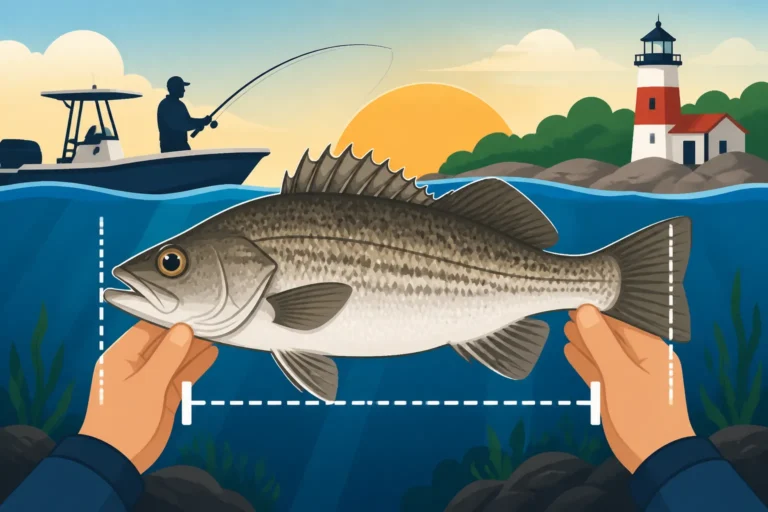
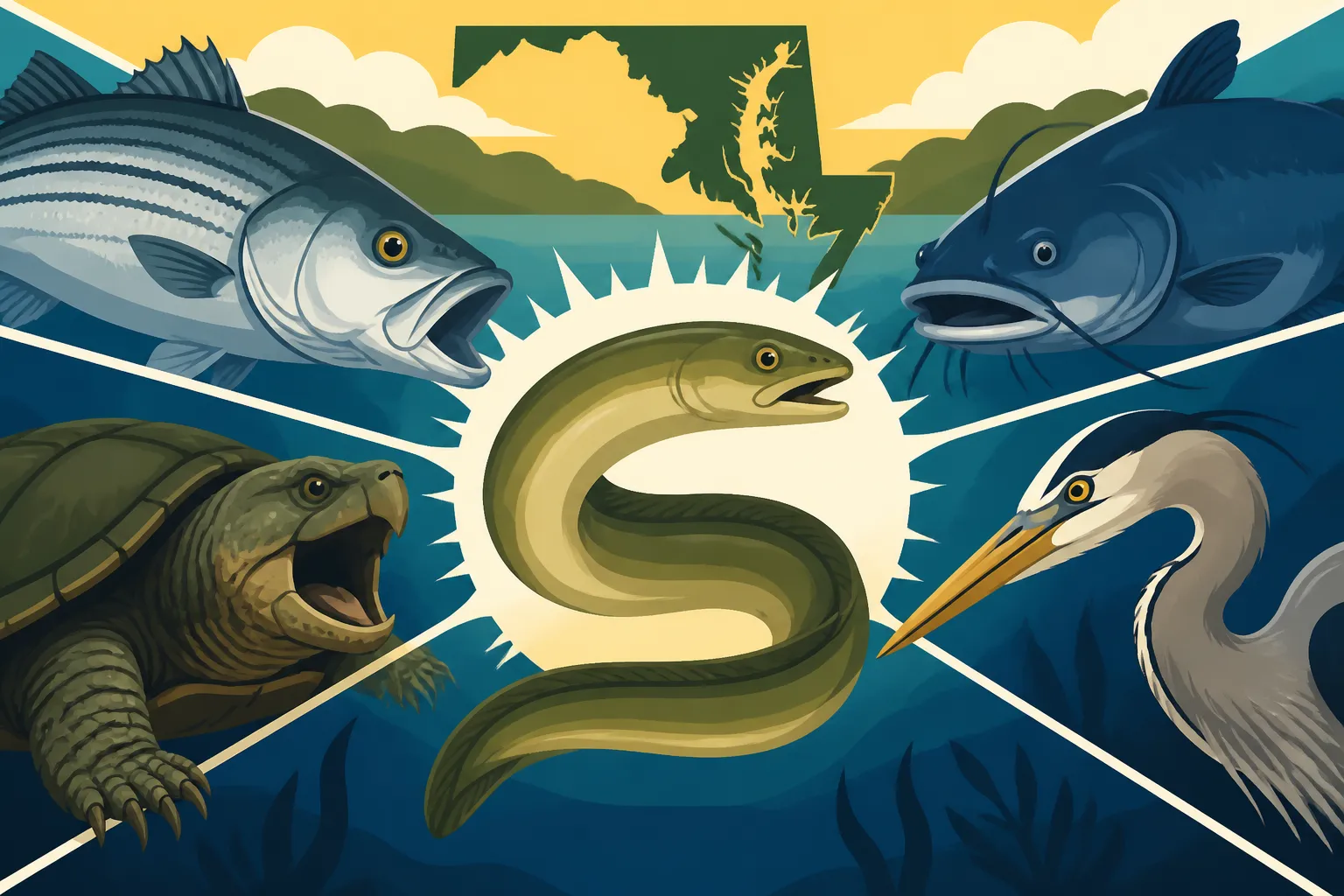
Striped bass, often lovingly called "rockfish" here in Maryland, are notorious eel eaters. A large rockfish won't hesitate to gulp down a decent-sized eel. Anglers fishing for big striped bass, especially trophy-sized ones, will often use live eels as bait because they are so effective. Imagine a powerful striper lurking around a bridge piling or a submerged oyster reef; an eel swimming by represents an easy, substantial meal. Maryland Striped Bass Fishing Techniques often involve presenting eels or eel-imitating lures precisely because these fish find them irresistible. These predators have evolved to handle the eel's slippery skin, clamping down with powerful jaws to secure their meal. For more on their dietary habits, you might want to read What Do Striped Bass Eat in the Chesapeake Bay?.
Bluefish are another voracious predator in the Bay known for their aggressive feeding habits, and they certainly don't shy away from a tasty eel. While bluefish are known for their preference for schools of baitfish like menhaden or silversides, a larger bluefish will absolutely devour an eel if given the chance. Their sharp, scissor-like teeth are perfectly adapted for tearing flesh, and an eel offers a significant energy boost to these fast-moving, high-energy predators. We see them in schools, often creating a feeding frenzy, and an eel caught in their path stands little chance. Keep in mind, when targeting these species, it's important to be aware of the Maryland Bluefish Daily Limit to ensure sustainable fishing practices.
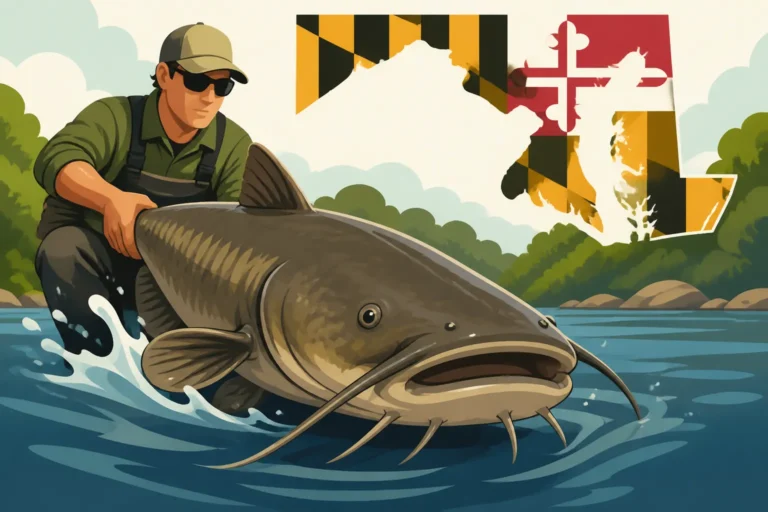
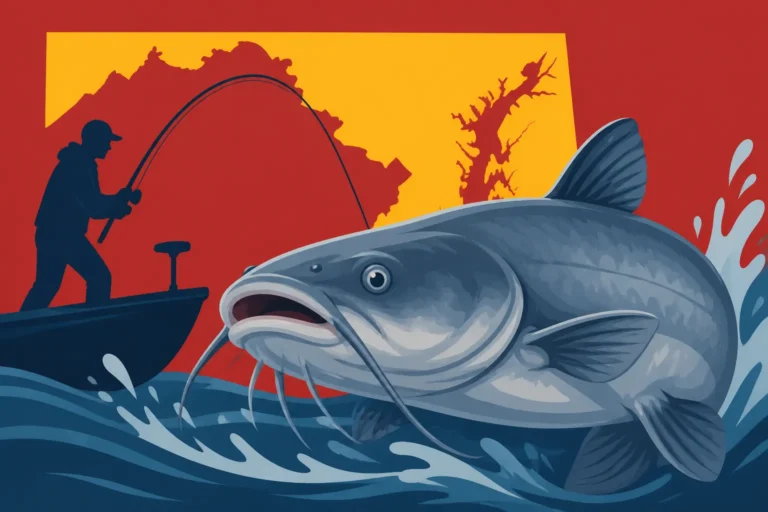
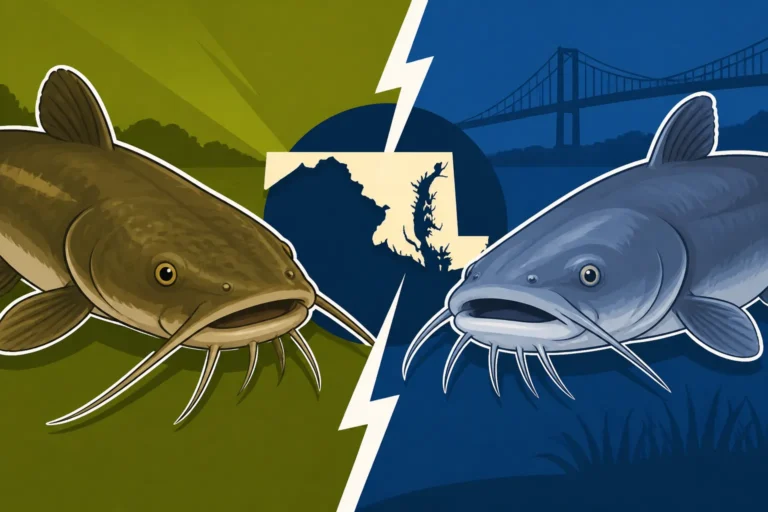
Then we have the formidable blue catfish, an invasive species that has unfortunately established a strong foothold in many of Maryland's tidal rivers, especially the Potomac and the Nanticoke. These opportunistic feeders grow to immense sizes and are incredibly adaptable. American Eels, both young and mature, are definitely on their menu. Blue catfish are bottom dwellers, and eels spend a lot of time burrowing in the mud or hiding in structure, making them accessible targets for these large, scavenging fish. It’s a classic case of an invasive predator exploiting an abundant food source. For tips on dealing with these invaders, check out Maryland Blue Catfish, an Invasive Giant and Best Bait for Blue Catfish in Maryland Rivers.
Feathered and Furry Foes
The American Eel's vulnerability extends beyond the water, with several avian and mammalian predators also making a meal out of them. These predators typically target eels in shallower waters or during their nocturnal movements, using their keen senses and specialized hunting techniques.
Bald eagles, majestic and powerful, are incredible opportunists and will readily snatch an eel from the water's surface or even from shallow mudflats. While their primary diet often consists of fish, an eel struggling in shallow water or near a bank is an easy target. Their powerful talons can grip the slippery body, and they carry their prize to a nearby perch to consume. It's a truly amazing sight to witness, a testament to the eagle's adaptability and the eel's unfortunate position in the food chain.
Ospreys, another iconic raptor of the Chesapeake Bay, are also adept at catching eels. These magnificent birds have specially adapted feet with barbed pads and reversible outer toes, perfect for gripping slippery fish. While they more commonly target species like white perch or smaller menhaden, a smaller eel, particularly a juvenile or "elver" migrating upstream, can become an osprey's meal. They plunge feet-first into the water, often from a considerable height, to snatch their prey.
On the ground, or rather, in and around the water, we have mammalian predators like river otters and even raccoons. River otters are playful yet highly efficient hunters. Their sleek, streamlined bodies and strong swimming abilities allow them to pursue eels underwater. They'll often corner eels in submerged logjams or rocky crevices, making quick work of their meal. Raccoons, known for their dexterity and nocturnal habits, will often forage along the edges of creeks and tidal guts, feeling for prey with their sensitive paws. An eel venturing too close to the bank or trapped in a receding tide pool can easily become a raccoon's dinner. These creatures understand that eels are a calorie-dense meal, crucial for their survival, especially during colder months.
The Eel's Elusive Lifestyle and Natural Defenses
Despite being a significant food source for so many, American Eels aren't defenseless. They possess a suite of adaptations and behaviors that help them evade predators, making them remarkably resilient creatures. Their entire lifecycle is a testament to survival against considerable odds, from their incredible migratory journeys to their masters of disguise and slippery nature.
Masters of Camouflage and Seclusion
American Eels are champions of hiding, making them incredibly difficult for many predators to find. They prefer habitats with plenty of cover, such as muddy bottoms, dense underwater vegetation, rock piles, and submerged logs or debris. During the day, they often burrow into the soft substrate, leaving only their heads exposed, or they remain tucked away deep within crevices. This allows them to stay out of sight from visual predators like eagles and ospreys.
Their coloration also provides excellent camouflage. Eels typically have dark, olive-brown backs that blend seamlessly with the murky waters and darker bottoms of the Bay and its tributaries. Their bellies are lighter, usually yellow or off-white, helping them blend in when viewed from below against the lighter sky or water surface. This countershading is common among many aquatic species and is a primary defense against detection. A good pair of polarized sunglasses, perhaps one you picked up from Amazon, can sometimes help you spot them, but even then, their ability to blend in is remarkable. This preference for seclusion is a key reason why they are so hard to spot, especially in rivers where Are Eels Found in Maryland Rivers? in abundance.
The Slippery Escape Artist
Perhaps the most famous defense mechanism of the American Eel is its incredibly slimy skin. This thick layer of mucus serves multiple purposes, but its role in predator evasion is paramount. If a predator manages to grab an eel, the slime makes it incredibly difficult to hold on. The eel can writhe and twist, often slipping right out of a predator's grasp.
For anglers, this is a familiar frustration. Trying to handle a live eel without a towel or a good grip is a lesson in futility. Some experienced anglers even use specialized gloves, which you can easily find on Amazon, just for handling these slippery creatures. This slipperiness isn't just about escape; the slime also provides a protective barrier against parasites, disease, and dehydration if the eel needs to traverse short distances over land, which they are surprisingly capable of doing, especially in wet conditions. The sheer difficulty of securing an eel after it has been caught by a predator often gives it a crucial second chance at escape.
Nocturnal Habits
Another critical survival strategy for American Eels is their largely nocturnal nature. While they can be active during the day, they are most active at night, foraging for food and moving between different areas. This behavioral pattern helps them avoid many diurnal (daytime) predators, such as most birds of prey, which rely on daylight vision to hunt.
Under the cover of darkness, eels can venture out from their hiding spots with a reduced risk of being seen by eagles or ospreys. This shift in activity patterns doesn't make them entirely safe, however, as nocturnal hunters like large catfish or river otters are still a threat. But by minimizing their exposure during peak daylight hours, they significantly increase their chances of survival. This strategic use of time is a brilliant evolutionary adaptation that underscores their resilience in a Bay teeming with hungry mouths.
The Pivotal Role of American Eels in the Bay's Food Chain
The American Eel is far more than just bait; it's a foundational component of the Chesapeake Bay's intricate food web. Its life cycle, from tiny glass eel to mature adult, touches countless other species, making its health and abundance critical to the overall ecosystem. Without healthy eel populations, many other species would struggle, demonstrating just how interconnected life in the Bay truly is.
A Critical Forage Species
As we've already discussed, American Eels are a significant food source for a wide variety of predators. This role as a "forage species" means they transfer energy from lower trophic levels (like benthic invertebrates and smaller fish) up to higher trophic levels (larger fish, birds, and mammals). Imagine a food pyramid: eels are positioned firmly in the middle, taking energy from the bottom and providing it to the top.
Consider the immense migrations of American Eels. Born in the Sargasso Sea, they travel thousands of miles as transparent "glass eels" and then as "elvers" to reach the fresh and brackish waters of the Chesapeake Bay and its tributaries. During these journeys and their subsequent growth in the Bay, they are consumed by a vast array of creatures at every life stage. From small fish and wading birds picking off elvers in the shallows to large striped bass and blue catfish devouring mature eels, they fuel the growth and reproduction of numerous predator populations. Without this consistent and energy-rich food source, the populations of these predators could decline, creating a ripple effect throughout the entire ecosystem. This intricate balance is why understanding the full scope of Maryland Fishing Size and Catch Limits by Species is so crucial, as it helps manage not just game fish but also the prey that sustains them.
Ecosystem Engineers and Water Quality
Beyond being a food source, American Eels also play a role as "ecosystem engineers." As they mature, especially the larger yellow eels, they spend considerable time burrowing into the soft sediments of the Bay and its rivers. This burrowing activity can help aerate the sediment, which can be beneficial for other benthic organisms that live in the oxygen-poor conditions often found at the bottom of the Bay.
Furthermore, juvenile eels, during their growth phases, feed on a variety of invertebrates and even small fish. By consuming these organisms, they help control populations and contribute to the overall health of the ecosystem. Their presence or absence can also be an indicator of environmental health; declining eel populations might signal broader issues with water quality, habitat degradation, or migratory blockages. Protecting American Eels means protecting a vital component of the Bay's natural infrastructure, a living part of the ecosystem's self-sustaining mechanisms.
Anglers, Eels, and the Balancing Act of Conservation
Anglers have a unique relationship with American Eels. On one hand, they are highly valued as bait; on the other, they are an integral part of the natural ecosystem that anglers seek to preserve. This dual perspective highlights the need for responsible practices and an understanding of the eel's place in the Bay.
Eels as the Ultimate Bait
For many serious anglers targeting trophy striped bass or large blue catfish, American Eels are considered one of the most effective live baits available. Their natural movement, scent, and robust nature make them incredibly appealing to big predatory fish. There's something about a live eel struggling on the end of a line that just triggers a strike from a cautious, large fish.
Anglers often fish live eels by drifting them through channels, along drop-offs, or near structures like bridge pilings or submerged wrecks. The presentation can vary, from free-lining to using a weighted rig to keep them near the bottom. The effectiveness is undeniable, leading many to seek them out, whether from local bait shops or through online suppliers found on sites like Amazon that cater to specialized fishing needs. The demand for eels as bait, however, also brings to light the importance of understanding their population dynamics and ensuring their harvest is sustainable, a conversation often guided by resources like the Maryland’s DNR Fishing and Boating Guide, Explained.
Conservation Considerations for Eel Populations
The American Eel's life cycle is one of the most remarkable in the animal kingdom, involving a single spawning ground in the distant Sargasso Sea and vast migrations across the Atlantic. This complex life history makes them vulnerable to a variety of human impacts, including habitat loss, dams that block their upstream migration, pollution, and overfishing (both for bait and for global markets).
Understanding the eel's role as a forage species underscores the importance of conservation efforts. When eel populations decline, it doesn't just impact anglers; it impacts the entire food web, potentially leading to declines in the predators that rely on them. Maryland, like other states, has regulations in place to manage eel populations, but global efforts are also crucial given their panmictic (single breeding population) nature. These regulations are part of a broader framework to protect marine life, just as specific rules protect species like the northern snakehead and blue catfish, as explored in Maryland Invasive Fish Rules: Blue Catfish and Snakehead and Why Maryland Wants Anglers to Kill Invasive Fish.
Responsible Angling Practices
As anglers, we have a responsibility to contribute to the health of the Chesapeake Bay ecosystem, and that includes considering the American Eel. This means adhering to fishing regulations, such as those covered in the Maryland Fishing License Guide for 2026 and Maryland Chesapeake Bay Sport Fishing License Explained, and practicing ethical angling. If you're using eels as bait, consider sourcing them from reputable dealers who follow sustainable practices. If you're catching eels incidentally, handle them carefully and release them promptly if you don't intend to use them.
Furthermore, supporting habitat restoration projects, advocating for dam removals or fish passage solutions, and educating fellow anglers about the eel's importance are all ways we can help ensure these incredible creatures continue to thrive. By understanding their place in the Bay's food web and the myriad of predators that rely on them, we can appreciate the American Eel not just as a piece of bait, but as a vital, slippery thread in the rich tapestry of Maryland's aquatic life.
Common Eel Predators and Their Hunting Methods
| Predator Type | Common Species | Preferred Eel Size | Primary Hunting Method | Typical Habitat / Time |
|---|---|---|---|---|
| Large Fish | Striped Bass, Bluefish, Blue Catfish | All sizes | Ambush from cover, active pursuit | Bottom structure, channels, nocturnal |
| Birds of Prey | Bald Eagles, Ospreys | Smaller to Medium | Aerial dive, snatch from surface or shallows | Open water, shallow flats, diurnal |
| Mammals | River Otters, Raccoons | All sizes | Underwater pursuit, foraging along banks | Shallow water, creek edges, nocturnal |
Disclaimer
This article is for general informational purposes only and does not constitute professional advice. Laws, prices and regulations vary by location and change over time. Consult a qualified professional for guidance on your specific situation.