What Eats Juvenile Striped Bass in the Chesapeake Bay?
It's a tough world out there, especially for the little guys, and nowhere is that more true than in the vast, complex ecosystem of the Chesapeake Bay. Many anglers fret over adult striped bass populations, but the truth is, a huge part of their survival hinges on how many make it past their vulnerable juvenile years. This guide is going to peel back the layers and explore the diverse cast of characters that prey on juvenile striped bass in Maryland's waters, giving you a clearer picture of the challenges these young fish face.
The Vulnerable Stage: Why Juvenile Striped Bass Are Prime Targets
The journey for a striped bass from a tiny egg to a robust adult is fraught with peril. It’s an epic struggle against the odds, where nature's "eat or be eaten" rule is constantly in play. For juvenile striped bass, their small size and relatively undeveloped defenses make them prime targets for a wide array of predators lurking in the Bay and its tributaries.
From Egg to Fry: The Early Life Cycle
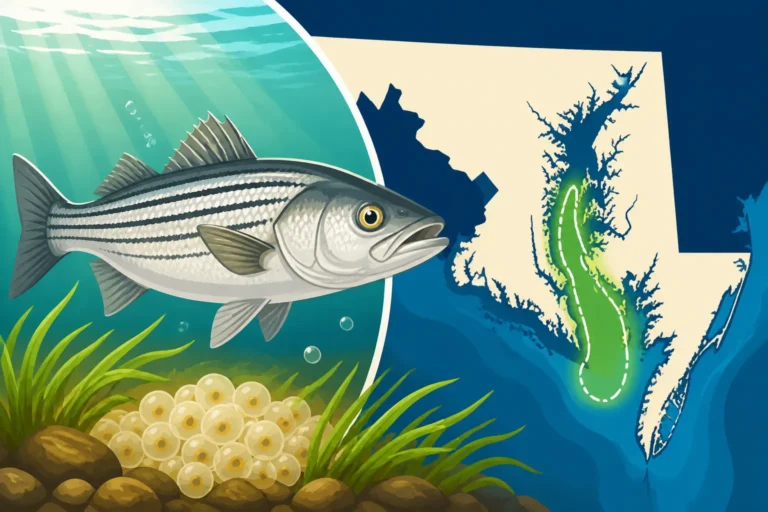
Imagine millions upon millions of tiny striped bass eggs, barely visible to the naked eye, drifting in the murky, nutrient-rich waters of the Bay's spawning rivers like the Nanticoke, Choptank, and Susquehanna. After hatching, these microscopic larvae quickly develop into fry, then into fingerlings. At this stage, they are incredibly small, often just an inch or two long, and possess very limited means of escape. They don't have the speed or the powerful tail of an adult fish, nor do they have the protective schooling instincts fully developed.
During this early growth spurt, their primary goal is to consume as much as possible to grow quickly. They feed on zooplankton and tiny invertebrates, trying to pack on size before they become an easy meal for something larger. The sheer abundance of these young fish, especially during good spawning years, means they form a significant food source for countless other creatures in the ecosystem. It's a numbers game: while many will be eaten, enough must survive to replenish the adult population. You can learn more about their beginnings in Where Striped Bass Spawn in Maryland.
The Nursery Grounds: Where Danger Lurks
The shallow, brackish waters of the Chesapeake Bay's countless rivers and creeks serve as vital nursery grounds for juvenile striped bass. These areas are typically rich in food and offer some protection from the open Bay's larger predators and stronger currents. Think of places like the Severn River's quiet coves or the vast, marshy expanses of the Patuxent. However, these same nurseries, while offering shelter, also concentrate both the young striped bass and their predators.
Submerged aquatic vegetation (SAV) like eelgrass and widgeon grass, when healthy, provides critical hiding spots. Tiny striped bass can dart into these underwater forests to evade pursuit. But where SAV is sparse or degraded, these young fish are exposed. They might try to hide in muddy bottoms or around structure like fallen trees or docks, but it's a constant game of hide-and-seek. The blend of fresh and saltwater in these tidal systems also means they encounter a diverse range of predators from both environments, adding to the complexity of their survival.
Major Predators of Young Striped Bass in the Bay
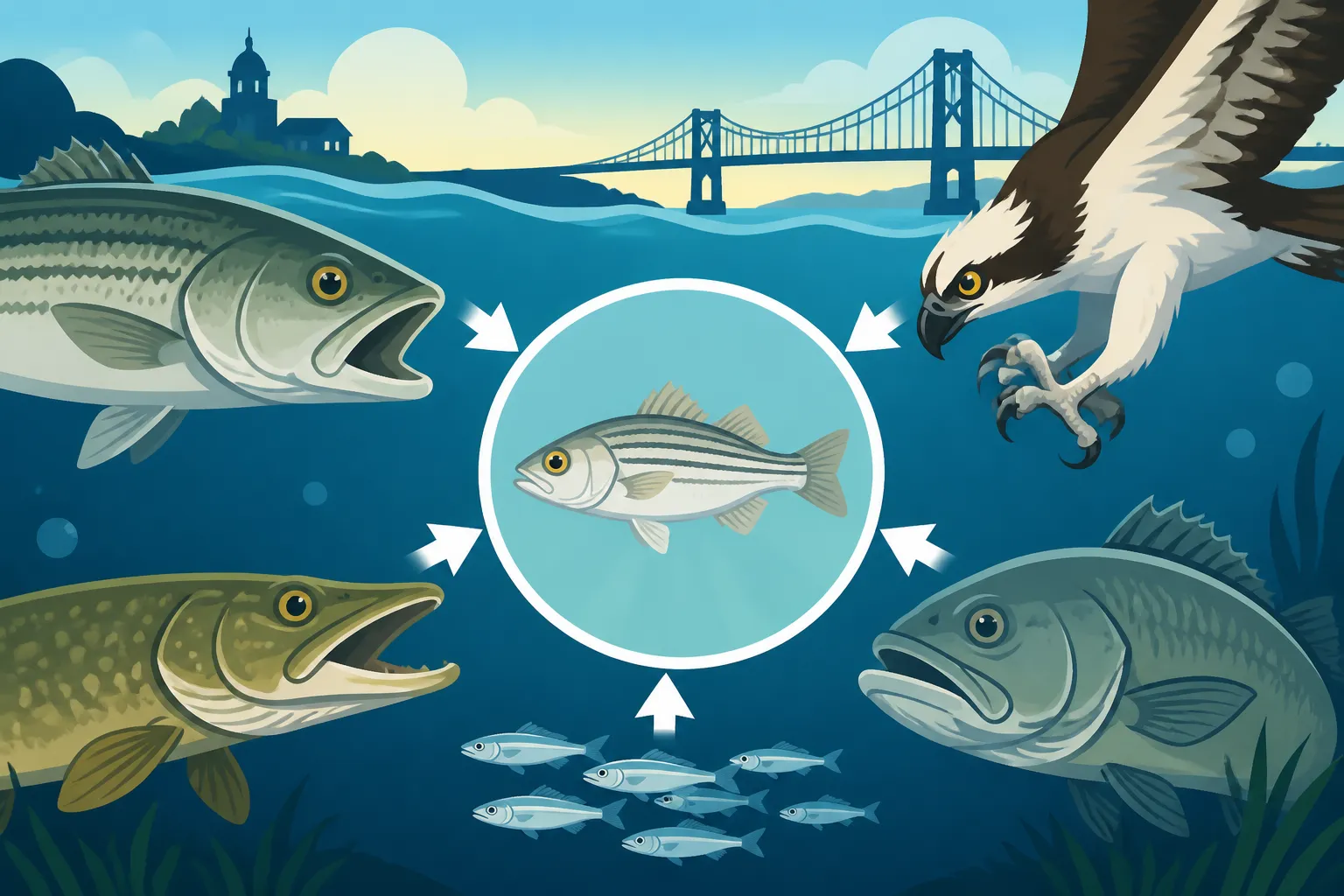
The Chesapeake Bay is a bustling metropolis of marine life, and many residents see juvenile striped bass as a readily available meal. The diversity of predators is astonishing, ranging from aerial attackers to stealthy underwater hunters.
Avian Hunters: Birds of Prey
One of the most visually dramatic forms of predation comes from above. Birds, with their keen eyesight and swift dives, are constant threats to juvenile striped bass, especially those that swim near the surface or are pushed into shallow waters.
- Ospreys: These magnificent raptors are synonymous with the Chesapeake Bay. With their powerful talons and incredible diving ability, ospreys can pluck a fish from the water in an instant. They often target fish in the 6-12 inch range, making juvenile striped bass a perfect size for their diet. You'll see them perched on channel markers, fishing piers, or circling high above, waiting for the opportune moment to strike. Their presence is a good sign of a healthy ecosystem, but also a stark reminder of the food chain in action.
- Gulls and Terns: While often seen as scavengers, various species of gulls and terns are opportunistic predators. They'll swoop down to snatch small, distressed fish, especially during times of high tide or after a boat wake disorients a school of juveniles. Terns, in particular, are adept divers and will actively hunt smaller baitfish, including young striped bass.
- Cormorants: These sleek, dark birds are expert underwater hunters. They can dive to impressive depths and pursue fish with agility. Large flocks of cormorants can decimate schools of baitfish and often include juvenile striped bass in their diet, especially in areas where fish are concentrated.
Fin-Finned Foes: Larger Fish Species
Underwater, the threat is even more pervasive. Many larger fish species in the Bay consider young striped bass a delicacy. The phrase "survival of the fittest" truly applies here, as these fish often share the same waters.
- Bluefish: Known for their aggressive nature and razor-sharp teeth, bluefish are voracious predators that travel in schools, creating feeding frenzies that can devastate baitfish populations. Juvenile striped bass, especially in the 6-10 inch range, are easy targets when bluefish are on the prowl. If you're targeting bluefish, you'll want to stock up on durable lures, which you can easily find on Amazon, to withstand their aggressive strikes. These speed demons of the Bay will chase down and tear through schools of young fish without mercy. Understanding Bluefish Runs in Maryland's Chesapeake Bay can give you an idea of when these predators are most active.
- Largemouth Bass: In the upper reaches of tidal creeks and rivers where the water transitions from brackish to fresh, largemouth bass become significant predators. These ambush hunters hide in submerged grass, around fallen timber, or under lily pads, waiting for an unsuspecting juvenile striped bass to swim by. While they typically prefer freshwater prey, a young rockfish that strays into their territory is fair game. For more on these freshwater fighters, check out Largemouth Bass Fishing in Maryland.
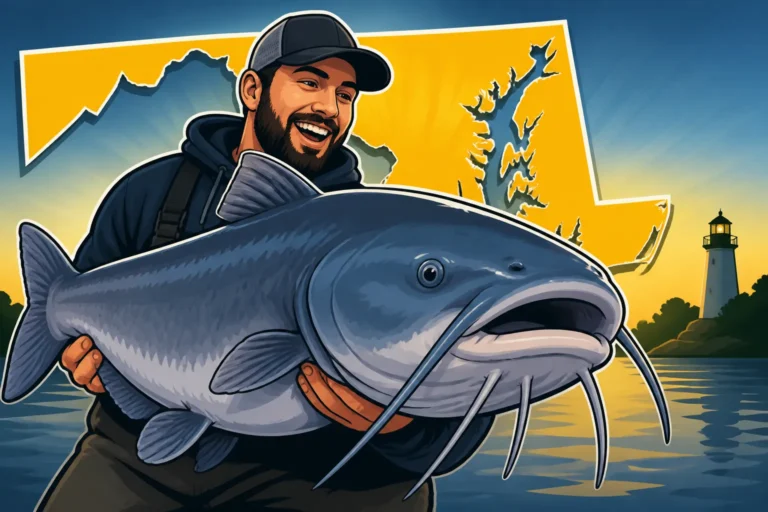
- Flathead and Blue Catfish: These are some of the most concerning predators, especially the invasive blue catfish. Maryland Blue Catfish, an Invasive Giant describes their rapid spread and ravenous appetites. Blue catfish are opportunistic feeders and grow to immense sizes, meaning they can consume a wide range of prey, including surprisingly large juvenile striped bass. They inhabit many of the same tidal tributaries that serve as striped bass nurseries, creating direct competition and predation pressure. Their impact on native species, including juvenile striped bass, is a significant concern for fisheries managers. Anglers are encouraged to remove these fish, and if you're gearing up to target them, you might consider picking up some robust catfish rigs and strong lines from Amazon. Learn more about their ecological impact in How Blue Catfish Threaten Native Species in Maryland's Chesapeake Bay.
- Other Predatory Fish: Other species, such as weakfish, speckled trout (in the lower Bay), and even larger striped bass themselves (cannibalism is a natural, albeit grim, part of the striped bass life cycle), will also prey on their smaller brethren. Any fish that can fit a juvenile striped bass in its mouth is a potential threat.
Crustacean and Reptilian Risks
It's not just fish and birds that pose a threat; even creatures that seem less obvious can be dangerous to the smallest striped bass.
- Blue Crabs: While blue crabs primarily scavenge and feed on smaller invertebrates, very young striped bass fry and eggs are certainly on their menu, especially in the shallow, muddy bottoms where crabs thrive. A crab's powerful claws can easily dispatch a tiny fish.
- Snapping Turtles: These ancient reptiles are opportunistic hunters. While not actively pursuing fast-moving fish, a slow or injured juvenile striped bass that comes within striking distance of a snapping turtle near a riverbank or submerged log can quickly become a meal.
Here's a quick look at some key predators and their primary targets:
| Predator Type | Specific Examples | Primary Juvenile Striped Bass Target Size | Hunting Method | Habitat Preference (for hunting) |
|---|---|---|---|---|
| Birds of Prey | Osprey, Gulls, Cormorants | Small to Medium (2-12 inches) | Aerial dive, surface snatch, underwater pursuit | Surface, shallow water, open areas |
| Larger Fish | Bluefish, Largemouth Bass, Blue Catfish, Flathead Catfish, Large Striped Bass | Small to Large (2-18+ inches) | Schooling attack, ambush, bottom feeding, active pursuit | Open water, structure, shallow nurseries, river bottoms |
| Crustaceans/Reptiles | Blue Crabs, Snapping Turtles | Eggs, Fry, very Small (up to 2 inches) | Opportunistic ambush, scavenging | Shallow muddy bottoms, dense vegetation, submerged logs |
The Role of Environmental Factors and Habitat in Predation
Beyond the individual predators, the broader environmental conditions and the quality of their habitat play a huge role in determining how vulnerable juvenile striped bass are. A healthy ecosystem provides crucial buffers against predation.
Water Quality and Clarity
The quality and clarity of the water can be a double-edged sword for juvenile striped bass. On one hand, turbid or murky water, often a sign of runoff and sediment, can make it harder for visual predators like ospreys and many fish to spot their prey. This provides a temporary, albeit often unhealthy, shield. However, consistently poor water quality, characterized by low oxygen levels, high nutrient loads, or pollutants, can stress juvenile fish, making them weaker, slower, and less able to evade predators.
When fish are stressed, their immune systems can be compromised, and their natural behaviors, like schooling or seeking cover, can be disrupted. This makes them easier targets for any predator, regardless of water clarity. Improving water quality throughout the Bay is therefore a crucial step in ensuring the survival of not just striped bass, but the entire aquatic food web.
Habitat Degradation and Loss
Healthy habitat is arguably the most vital defense for juvenile striped bass. Think of submerged aquatic vegetation (SAV) beds as underwater forests. These dense growths of grasses provide essential cover, allowing small fish to hide from the prying eyes of birds and larger fish. They also serve as foraging grounds for the small invertebrates that juvenile striped bass feed on.
Unfortunately, many parts of the Chesapeake Bay have seen significant losses of SAV dues to pollution, excess sediment, and changes in water temperature. When these natural hiding spots disappear, juvenile striped bass are left exposed in open water, drastically increasing their vulnerability to predation. Efforts to restore these underwater grass beds are incredibly important. Likewise, the loss of natural shoreline habitats, such as marshes and wetlands, which filter water and provide shelter, also contributes to increased predation risk. A healthy Bay with robust habitat is a Bay where more juvenile striped bass can thrive.
Food Availability and Competition
A strong, consistent food supply is critical for juvenile striped bass to grow quickly and develop the size and speed needed to escape predators. If their primary food sources—zooplankton and small invertebrates—are scarce, these young fish will grow slower, staying in their vulnerable "snack size" stage for longer. This prolonged vulnerability directly increases their chances of becoming prey.
Furthermore, competition for food can also indirectly impact predation. If food is scarce, juvenile striped bass might be forced to venture into less safe, more open areas to find sustenance, exposing themselves to greater risks. They also compete with other species, both native and invasive, for these limited food resources. Invasive species like the blue catfish, known for their broad diets and rapid reproduction, can outcompete native fish for food, putting further pressure on juvenile striped bass. Understanding What Do Striped Bass Eat in the Chesapeake Bay? gives us insight into these feeding dynamics.
Human Impact and Management Efforts
While natural predation is an inherent part of the ecosystem, human activities also play a significant role in the challenges faced by juvenile striped bass. Recognizing and mitigating these impacts are key to ensuring a healthy future for Maryland's state fish.
Recreational Fishing Pressure
When we talk about recreational fishing, our minds often jump to anglers targeting trophy-sized adult striped bass. However, the indirect effects of fishing can also influence juvenile populations. While anglers aren't typically targeting small rockfish, a robust adult population is vital for successful spawning and thus, a steady supply of juveniles. Overfishing of adult striped bass can lead to fewer eggs laid, and therefore fewer juveniles in the system years down the line.
Furthermore, catch-and-release practices, while generally beneficial, can still cause stress to fish, especially during warmer months. A stressed juvenile, even if released, might be more vulnerable to predators immediately after the encounter. Regulations like Maryland Striped Bass Season and Rockfish Rules and Maryland Fishing Size and Catch Limits by Species are put in place not just to manage the adult fishery, but also to ensure the long-term health of the entire population, which includes protecting the reproductive potential of the spawning stock.
Conservation and Restoration Initiatives
The good news is that many dedicated individuals and organizations are working tirelessly to support striped bass populations, including protecting the vulnerable juveniles. These efforts often focus on enhancing the habitat where juveniles live and grow.
- SAV Restoration: Projects aimed at replanting submerged aquatic vegetation are crucial. These "underwater gardens" provide vital shelter and feeding grounds, giving juvenile striped bass a much-needed advantage against predators.
- Water Quality Improvement: Reducing nutrient and sediment runoff from agricultural lands, urban areas, and wastewater treatment plants directly improves water clarity and oxygen levels, creating a healthier environment for young fish. This allows them to thrive and better escape predators.
- Invasive Species Management: Efforts to manage and encourage the harvest of invasive species like the blue catfish are another important tool. As blue catfish consume large quantities of native fish, including juvenile striped bass, reducing their numbers can alleviate predation pressure. Anglers are often encouraged to keep all blue catfish caught, and many resources, including specific baits and tackle available on Amazon, are aimed at making this easier. Consider exploring Best Bait for Blue Catfish in Maryland Rivers if you plan to join the effort.
- Research and Monitoring: Continuous scientific research and monitoring of juvenile striped bass populations provide crucial data on their health, survival rates, and the impact of various environmental factors and predators. This information helps fisheries managers make informed decisions about regulations and conservation strategies. You might find a good field guide or fishing logbook on Amazon to help track your own observations!
The survival of juvenile striped bass is a complex dance between predator and prey, heavily influenced by environmental conditions and human actions. By understanding the threats they face and supporting conservation efforts, we can all contribute to a healthier Chesapeake Bay and a robust future for Maryland's iconic state fish. If you're looking for an all-encompassing resource, Fishing Maryland's Chesapeake Bay, A Complete Guide is a great place to start.
Disclaimer
This article is for general informational purposes only and does not constitute professional advice. Laws, prices and regulations vary by location and change over time. Consult a qualified professional for guidance on your specific situation.