Maryland Striped Bass Size Limit Explained
Few things are as frustrating for a Maryland angler as landing a beautiful striped bass, only to discover you've misread the rules and it's either too small or too large to keep. The regulations for striped bass, affectionately known as rockfish around here, can feel like they change with the tide, leaving many of us scratching our heads on the water. This comprehensive guide is here to untangle the complexities of Maryland's striped bass size limits, helping you understand not just what the rules are, but why they exist and how to confidently abide by them.
Understanding Maryland's Striped Bass Regulations
Let's face it, keeping up with fishing regulations can sometimes feel like a full-time job. You plan your trip, you get your gear ready, you even check the weather, but then you remember the ever-changing rules for rockfish and a wave of uncertainty washes over you. It's a common sentiment, and you're not alone in feeling a bit bewildered at times. Understanding the spirit behind these regulations can actually make them easier to remember and accept, even when they seem inconvenient.
Why Size Limits Matter for Rockfish Conservation
Striped bass are more than just a popular game fish in Maryland; they're an icon, a symbol of the Chesapeake Bay. But their populations have faced significant challenges over the decades. Back in the 1980s, the species experienced a drastic decline, leading to a complete moratorium on fishing for a few years. That stark reality showed us all just how fragile these populations can be and how crucial proper management is for their survival and recovery. Size limits are a primary tool in this conservation effort. They're designed to allow younger fish to grow to maturity and reproduce at least once, contributing to the next generation of striped bass before they end up on our dinner plates. This ensures a sustainable fishery for years to come.
Think of it this way: if we only harvested the biggest fish, we'd be removing the most prolific breeders from the population. If we harvested too many small fish, they wouldn't even get a chance to reproduce. So, the size limits are a delicate balance, aiming to let enough fish mature and spawn, while also allowing anglers to enjoy a harvest. It's a compromise that ensures there are still plenty of fish for future generations of Maryland anglers, from the experienced charter captain to the kid casting off a pier for the first time. For more on conservation efforts, you might want to read about Maryland Striped Bass Season and Rockfish Rules.
The Dynamic Nature of Maryland's Striped Bass Rules
Unlike some fishing rules that stay pretty much the same year after year, Maryland's striped bass regulations, especially concerning size and season, are often quite dynamic. This isn't because the Maryland Department of Natural Resources (DNR) wants to make your life harder, but rather because they're constantly monitoring the health of the striped bass stock. Fisheries scientists use a wealth of data – catch rates, spawning success, mortality rates, and environmental factors – to assess the population. If a stock assessment shows that the population is struggling, or if spawning success was particularly low in a given year, regulators might tighten restrictions, such as adjusting size limits or shortening seasons.
Conversely, if the population is robust, there might be a slight loosening of rules. These changes are often made at both the state and regional levels, considering the Atlantic Coast migratory patterns of striped bass. So, what might be legal this year could be slightly different next year. It's why staying informed is so important. These adjustments are a testament to the ongoing commitment to manage this vital resource responsibly, even if it means we, as anglers, have to stay on our toes. You can often find the latest information in Maryland's DNR Fishing and Boating Guide, Explained.
Navigating the Current Maryland Striped Bass Size Limit
Now, let's get down to the nitty-gritty of what you can and can't keep. The core of Maryland's striped bass size limits revolves around a "slot limit" for most of the Chesapeake Bay, but it's essential to remember that rules can change and vary by specific water bodies.
The Chesapeake Bay Slot Limit Explained
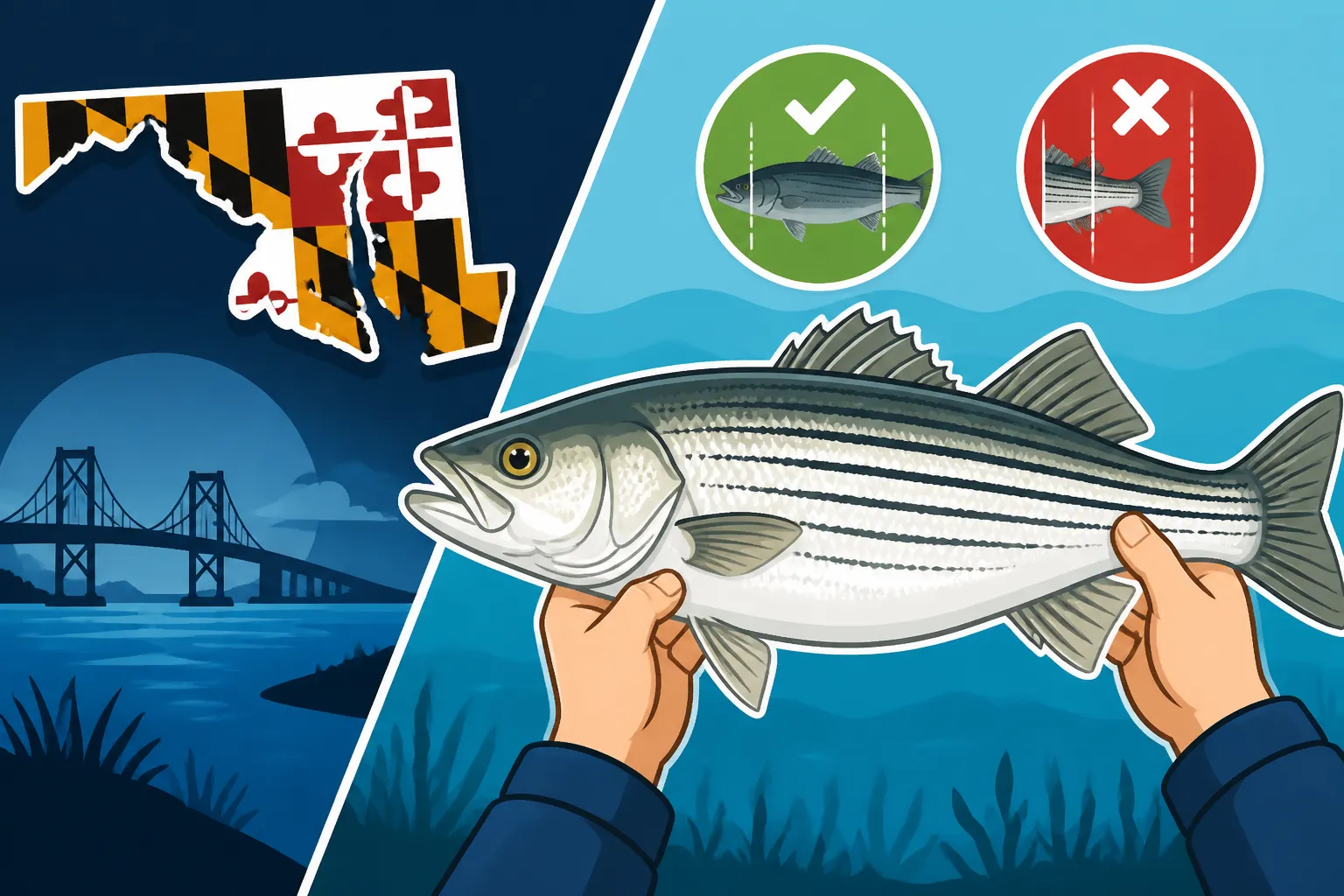
For many years, Maryland has utilized a "slot limit" for striped bass in the Chesapeake Bay and its tributaries. This means that you can only keep fish that fall within a specific size range, defined by a minimum and maximum length. For example, a common slot limit might be something like "19 to 24 inches." If you catch a fish smaller than 19 inches, it's undersized and must be immediately released. If you catch a fish larger than 24 inches, that's considered an "overslot" fish and also must be immediately released. The idea behind this specific example of a slot is to protect both the very young fish that haven't had a chance to spawn, and the very large, mature female breeders that contribute significantly to the overall reproductive output of the stock.
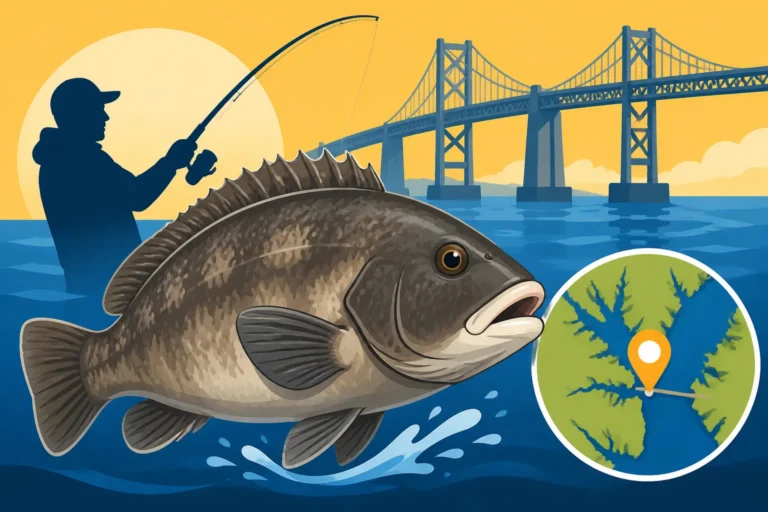
Imagine you're out fishing near the Bay Bridge Pilings for Striped Bass on a beautiful spring day. You hook into a feisty rockfish. You quickly get it to the boat, grab your measuring device, and lay it down. If it measures 18 inches, it's too small, and back it goes. If it's 21 inches, perfectly within our hypothetical 19-24 inch slot, then it's a keeper! But then you land a real monster, pushing 28 inches. While it's tempting to keep such a trophy, under a 19-24 inch slot limit, this magnificent fish would need to be carefully released to continue its vital role in the spawning population. Understanding this concept is crucial, and you can delve deeper into the specifics by reading Maryland Rockfish Slot Limit: 19 to 24 Inches Explained.
Ocean and Coastal Waters vs. Bay Regulations
It's a common misconception that all of Maryland's waters operate under the exact same striped bass regulations. This isn't always the case, particularly when comparing the vast Chesapeake Bay to the Atlantic Ocean and its coastal bays near Ocean City. While the Bay often employs a slot limit, the ocean and coastal areas might have a different set of rules entirely, often focusing on a minimum size limit rather than a slot.
For instance, an angler surf fishing off Assateague Island Fishing Guide for Maryland Anglers might find a straightforward minimum size limit of, say, 28 inches, with no upper limit, for striped bass caught in the ocean. This is because the migratory patterns of ocean-run striped bass can be different, and the management goals for that specific stock might differ from the Bay's resident population. So, if you're planning a trip to Ocean City for some surf fishing or headed offshore, make sure to double-check the specific regulations for those ocean-side waters. Don't assume the rules you know for the Chesapeake Bay will apply there; always check the specific regulations for the body of water you intend to fish. These variations underscore the importance of local knowledge and preparation. Maryland Striped Bass Minimum Size in the Ocean vs the Bay offers a good comparison.
Practical Tips for Adhering to Maryland's Rockfish Size Limits
Okay, so you understand the "why" and the general "what" of the size limits. Now, let's talk practical application. Nobody wants to be that angler who accidentally keeps an illegal fish or, worse, damages a fish while trying to measure it incorrectly. A little preparation goes a long way here.
Essential Gear for Measuring Your Catch
Having the right tools is half the battle when it comes to complying with size limits. A reliable measuring device is non-negotiable. Forget trying to eyeball it or use a bent-up ruler you found in the bottom of your tackle box. Precision matters.
Here are a few popular options:
- Stick-on Measuring Tapes: These are fantastic for boats, kayaks, or even coolers. They often have clear, large numbers and can be applied directly to a flat surface. Just ensure they are properly adhered and measured from the zero mark. You can find durable, waterproof options readily available on platforms like Amazon.
- Bump Boards (Fish Rulers): These are rigid boards, often made of plastic or aluminum, with a "bump" at the zero end. You place the fish's nose against the bump and read the measurement where its tail ends. They're excellent for accuracy and provide a consistent measurement, especially when you're dealing with a lively fish. Many anglers swear by these for rapid, accurate measurements and you'll find a wide selection of different lengths and materials on Amazon.
- Flexible Tape Measures: While not as ideal as a bump board for accuracy with a squirming fish, a good quality, non-stretch flexible tape measure (like those used for sewing, but often made for fishing) can work if carefully used. Ensure it has clear markings and is long enough for the largest fish you might encounter.
Always ensure your measuring device starts at zero and is clearly readable. It's a small investment that pays off big time in peace of mind and compliance.
Best Practices for Measuring and Releasing Undersized Fish
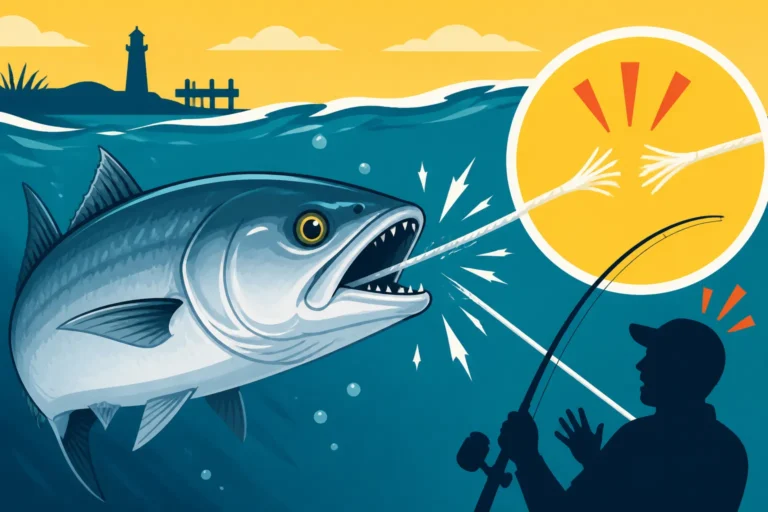
Measuring a fish quickly and accurately, especially if it's undersized and needs to be released, is critical for its survival. Every second out of water, or every rough bump on the deck, reduces its chances of making it.
Follow these best practices:
- Preparation is Key: Before you even hook a fish, have your measuring device and de-hooking tool (like a long-nose pliers or a specialized de-hooker) easily accessible. Don't wait until the fish is in the net to start fumbling for them.
- Wet Hands & Gentle Handling: Always wet your hands thoroughly before touching a fish. Dry hands can remove the protective slime coat, leaving the fish vulnerable to disease. Support the fish horizontally, ideally without lifting it by the jaw or gills. If possible, keep the fish in the water while measuring.
- Quick Measurement: Lay the fish on your bump board or alongside your measuring tape. Ensure its mouth is closed and its tail is gently squeezed to achieve the maximum length. Read the measurement as quickly as possible. Don't take selfies or delay the process for extended periods.
- Careful Release: Once measured, if it's undersized, gently return the fish to the water headfirst. If the current is strong, or the fish seems stunned, cradle it in the water until it regains its strength and can swim away on its own. Avoid simply tossing it back. The goal is a healthy, thriving population, which means maximizing the survival of released fish. You can find specialized de-hooking tools designed to minimize harm to fish, often made from stainless steel for durability, on Amazon. These tools are invaluable for quickly and safely removing hooks, especially when practicing Maryland Catch and Release Rules During Closed Seasons.
Staying Informed About Regulation Changes
As we've discussed, striped bass regulations can be fluid. The worst thing you can do is rely on what you "heard last year" or what your buddy told you. Staying current is your responsibility as a Maryland angler.
Here's how to do it:
- Maryland DNR Website: This is the official source. The Maryland Department of Natural Resources (DNR) website is updated regularly with the latest fishing regulations, season dates, and size limits. Make it a habit to check before your first trip of the season and periodically throughout the year, especially if you hear whispers of potential changes.
- Annual Fishing Guide: The DNR publishes an annual fishing and boating guide. While typically released at the beginning of the year, always remember that emergency closures or adjustments can occur mid-season. Still, it's a great starting point. You can usually pick these up at local tackle shops, bait stores, or even find a digital version online.
- Local Tackle Shops: These are invaluable community hubs. The folks working at your local bait and tackle shops are often the first to know about changes and can offer practical advice specific to your fishing area. They're on the water or talking to anglers every day.
- Fishing Forums and Groups: Join local Maryland fishing forums or social media groups. While not official sources, they can be excellent for hearing about recent changes and confirming information with other anglers who are actively monitoring the rules. Just remember to always verify anything you hear with an official DNR source.
By actively seeking out current information, you'll be well-prepared and confident in your adherence to Maryland's striped bass size limits. You can find a detailed explanation of where to find the official guide in Maryland Fishing Regulations Guide, Where to Find It.
Common Misconceptions and Troubleshooting Maryland's Size Limits
Even with all the information at hand, some aspects of striped bass regulations can still be confusing. Let's clear up a couple of common areas of misunderstanding.
The "Trophy Season" and How It Differs
Maryland's "Trophy Striped Bass Season" is an early-season phenomenon that often causes a bit of confusion due to its unique rules. This season, typically held in the spring, allows anglers to target exceptionally large striped bass in certain areas of the Chesapeake Bay. The key difference here is the size limit itself. While the regular season might have a slot limit, the trophy season usually has a very generous minimum size limit (e.g., often a minimum of 35 inches or larger), and anglers are typically limited to keeping only one fish per person. There's usually no upper limit during this specific period, meaning those truly giant rockfish are fair game.
The purpose of this season is to give anglers a chance to catch those huge, migratory striped bass as they pass through the Bay to spawn. It's a highly anticipated event for many, but it's crucial to understand that these rules are distinct from the general season that follows. Imagine a charter captain setting out from Annapolis during trophy season; they're not looking for a 20-inch slot fish, they're hoping for that once-in-a-lifetime 40-inch behemoth. Once the trophy season concludes, the regulations typically revert to the standard Bay-wide slot limit. Always confirm the exact dates and specific size regulations for the trophy season each year, as they are subject to change based on stock assessments and conservation needs. When Does Maryland's Rockfish Harvest Season Open in 2026? would be a good resource to check for specific dates.
Penalties for Violating Striped Bass Size Limits
Ignorance of the law is never an excuse, especially when it comes to fishing regulations. Maryland takes its striped bass conservation very seriously, and violations of size limits can lead to significant penalties. These aren't just slaps on the wrist; they can be costly and have long-term repercussions for your ability to fish.
Penalties can vary depending on the severity of the violation, the number of fish involved, and whether it's a repeat offense. Here's a general idea of what you might face:
- Fines: This is the most common penalty. Fines can range from modest amounts for a single undersized or overslot fish to substantial sums for multiple violations. These costs can quickly add up.
- Forfeiture of Catch and Gear: Any illegally caught fish will be confiscated. In some cases, especially for more serious or repeated offenses, your fishing gear (rods, reels, even your boat in extreme circumstances) could be seized.
- License Suspension or Revocation: A serious violation can result in the suspension of your fishing license for a period, or even its permanent revocation. Imagine not being able to legally fish in Maryland for a year or more – for many, that's a devastating consequence.
- Criminal Charges: While less common for simple size limit infractions, egregious or commercial-scale violations could potentially lead to criminal charges.
The Maryland Natural Resources Police (NRP) are vigilant in patrolling the waterways. They're not out to ruin your day, but they are there to enforce the rules that protect our fisheries. A simple measurement mistake can turn an enjoyable day on the water into a costly lesson. Always err on the side of caution. If you're unsure, measure twice, and if there's any doubt about legality, release the fish. It's simply not worth the risk. You can learn more about the consequences by reading Maryland Fishing License Penalties for Violations.
Maryland Striped Bass Size Limit Scenarios
To help illustrate how these rules might play out, here’s a quick overview of common scenarios you might encounter while fishing for striped bass in Maryland. Remember, these are hypothetical sizes based on common regulatory structures, and always check the current DNR regulations for precise figures.
| Scenario Type | Water Body (Hypothetical) | Example Limit (Hypothetical) | Action if Catch is 18" | Action if Catch is 22" | Action if Catch is 26" |
|---|---|---|---|---|---|
| Regular Bay Season | Chesapeake Bay Mainstem | 19-24 inch slot limit | Release (undersized) | Keep (in slot) | Release (overslot) |
| Regular Bay Season | Patuxent River (Tributary) | 19-24 inch slot limit | Release (undersized) | Keep (in slot) | Release (overslot) |
| Trophy Season | Specific Bay Areas (Spring) | 35 inch minimum, 1 fish bag | Release (undersized) | Release (undersized) | Release (undersized) |
| Oceanic Waters | Atlantic Ocean near Ocean City | 28 inch minimum, no upper limit | Release (undersized) | Release (undersized) | Release (undersized) |
This table highlights the variability you might face. It's a reminder that a 22-inch fish might be a prized keeper in the Bay during regular season, but it would have to go back if you're fishing the Atlantic or participating in a specific trophy season. Always know which rules apply to your location and time of year.
Disclaimer
This article is for general informational purposes only and does not constitute professional advice. Laws, prices and regulations vary by location and change over time. Consult a qualified professional for guidance on your specific situation.