Maryland Rockfish Slot Limit: 19 to 24 Inches Explained
Navigating the ever-changing world of fishing regulations can feel like trying to untangle a bird's nest of monofilament line, especially when it comes to beloved species like Maryland's rockfish (striped bass). One regulation that often sparks confusion and questions among anglers is the specific slot limit, like the "19 to 24 inches" rule. This comprehensive guide is here to cut through the confusion, explaining exactly what this particular rockfish slot limit means for you, why it's in place, and how to fish responsibly within these guidelines.
Understanding the Maryland Rockfish Slot Limit
Let's be honest, fishing regulations can be a headache. Just when you think you've got them down, they shift. But understanding terms like "slot limit" is crucial, especially when protecting a species as important as our striped bass. This particular 19 to 24-inch slot limit is a vital tool in conservation, and knowing how it works will make your time on the water more enjoyable and compliant.
What Exactly Is a Slot Limit?
Imagine a window of opportunity. That's essentially what a slot limit is in fishing. Instead of a simple "you can only keep fish over X inches" or "you can't keep fish over Y inches," a slot limit specifies a narrow size range within which you're allowed to keep fish. Any fish smaller than the lower end of the slot, or larger than the upper end, must be released. It's a precise conservation measure, designed to achieve specific goals for fish populations.
Why do fisheries managers use slot limits? It's all about balance and sustainability. They're trying to protect the very young fish that haven't had a chance to reproduce yet, giving them time to grow into mature adults. At the same time, they're also protecting the large, older, and often more prolific breeding stock – the true trophy fish that contribute the most to the next generation. By allowing anglers to keep only fish within a middle range, the goal is to create a healthier, more robust fish population for the long term. It's a more nuanced approach than just a simple minimum or maximum size, requiring anglers to be more attentive to their catch.
The Specifics of Maryland's 19-24 Inch Rockfish Rule
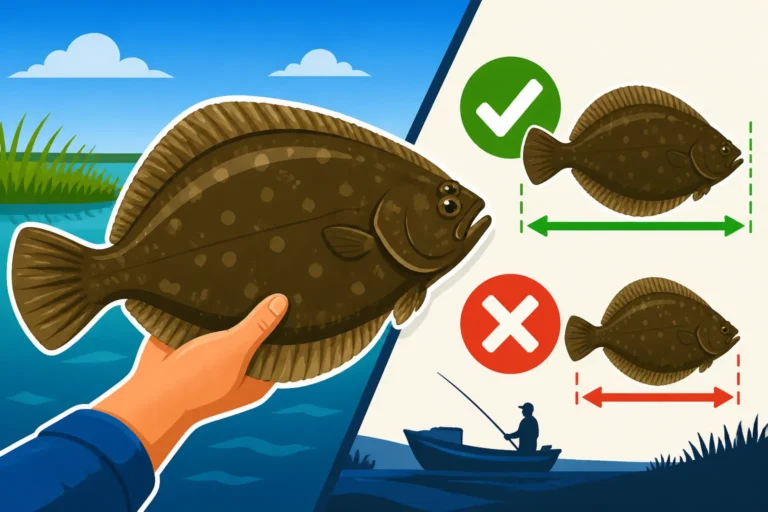
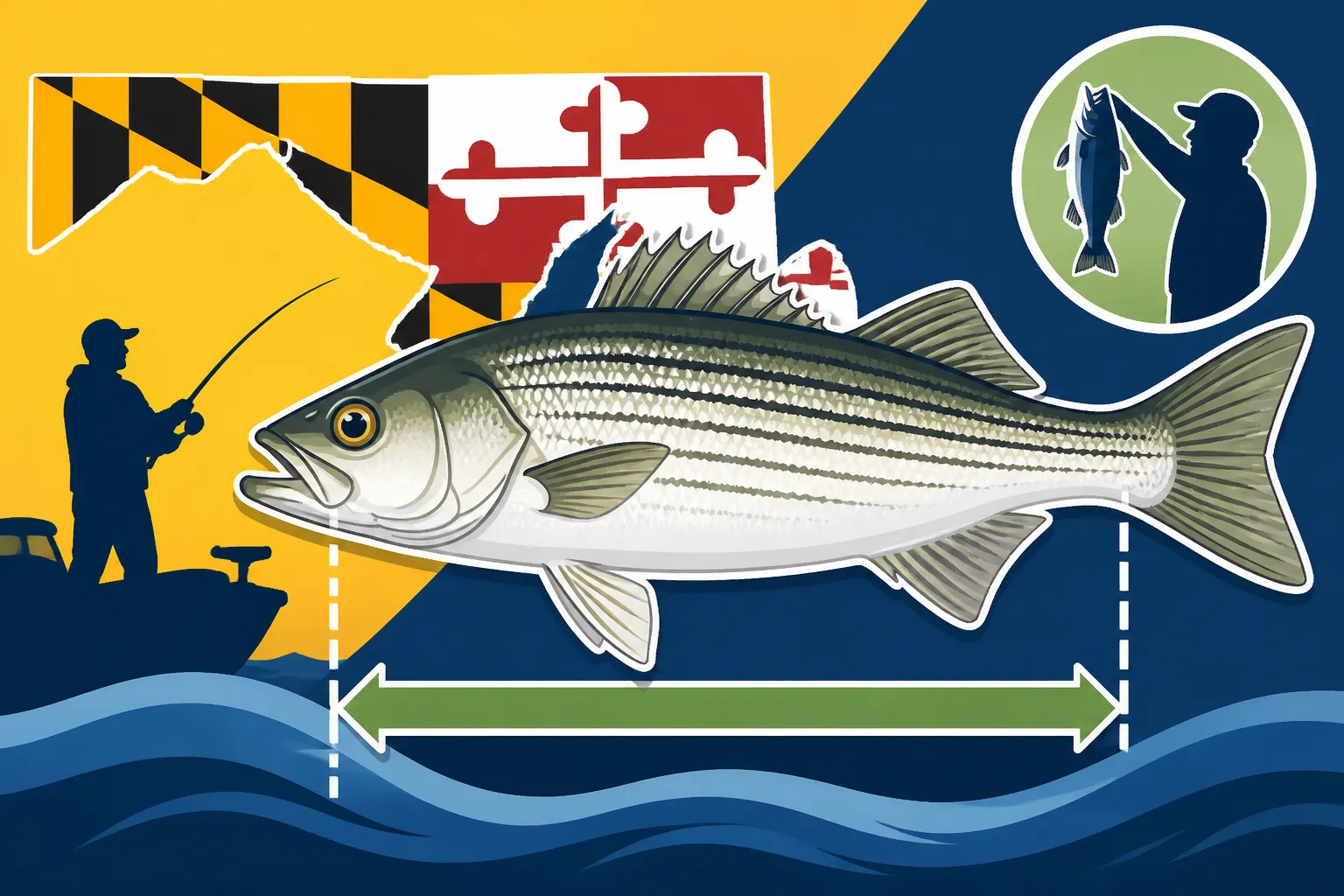
When you see a regulation like "19 to 24 inches," it means that if you catch a rockfish that measures exactly 19 inches, you can keep it. If it's 24 inches, you can also keep it. But if it's 18.9 inches or 24.1 inches, you absolutely, positively must release it immediately. It's a tight window, and precision is key. This specific range dictates that only a single fish per angler, per day, measuring between 19 and 24 inches (inclusive) may be harvested during designated seasons.
It's critical to note that regulations for striped bass, or rockfish as we call them in Maryland, are some of the most frequently adjusted in the state. What might be a 19-24 inch slot in one season or year could shift to a 19-31 inch slot, or even different minimum/maximum size limits in other areas like the Atlantic Ocean. This dynamism is directly tied to the health of the Chesapeake Bay's striped bass population and the recommendations from bodies like the Atlantic States Marine Fisheries Commission. Anglers must always consult the most current official sources, like the Maryland Fishing License Guide for 2026 or the Maryland Department of Natural Resources (DNR) website, before heading out. The key takeaway for a 19-24 inch slot is: if it's not within those two numbers, it goes back into the water. No exceptions.
Why Maryland Implements This Specific Slot Limit for Rockfish
It’s easy to get frustrated with fishing regulations. We all just want to get out on the water and catch some fish, right? But these rules, including the specific slot limits for rockfish, aren't arbitrary. They're put in place for very important, scientifically-backed reasons focused on ensuring that we all have fish to catch for generations to come.
Protecting Spawning Stock and Juvenile Fish
The 19 to 24-inch slot limit is a carefully calculated effort to safeguard the future of our beloved rockfish. Think about it:
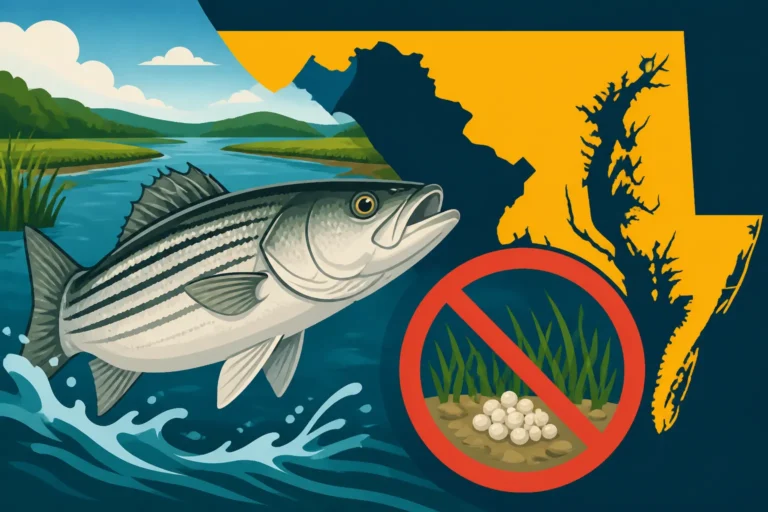
- Juvenile Protection: Fish under 19 inches are typically younger, still growing, and often haven't reached their full reproductive potential. By protecting these smaller fish, the slot limit gives them a chance to mature and contribute to future spawning events. This is especially vital in the Chesapeake Bay, which serves as a critical nursery and spawning ground for a huge portion of the Atlantic Coast's striped bass population. If you're curious about where these crucial events happen, you might be interested in reading about Where Striped Bass Spawn in Maryland.
- Breeding Stock Conservation: Conversely, rockfish larger than 24 inches are often the seasoned veterans of the population. These are the larger, older females, sometimes affectionately called "cows," that are the most prolific egg producers. They've survived multiple spawning seasons and have proven their genetic fitness. Removing them significantly impacts the reproductive capacity of the population. By letting these big fish go, we ensure they continue to drop millions of eggs, bolstering the species' numbers. It's about preserving the genetic strength and reproductive engine of the entire fishery.
This dual protection strategy — safeguarding both the young and the most experienced breeders — helps create a more balanced and resilient fish population. It's a recognition that not all fish are equal in their contribution to the species' survival.
Managing Overall Population Health and Sustainability
Maryland's fishing history, especially concerning striped bass, is a testament to the importance of strict regulations. There was a time, not so long ago in the 1980s, when rockfish populations crashed dramatically due to overfishing and environmental factors. It was a stark reminder of how quickly a thriving fishery can decline if not carefully managed. It took drastic measures, including moratoriums, to bring the species back from the brink.
Today's regulations, including the 19-24 inch slot limit, are direct descendants of those hard lessons learned. The Maryland Department of Natural Resources (DNR), in cooperation with federal and interstate bodies like the Atlantic States Marine Fisheries Commission, constantly monitors the health of the striped bass stock. They use scientific data, angler reports, and environmental assessments to make informed decisions. This slot limit is a tool within a larger management plan designed to:
- Prevent Overfishing: By controlling the size and number of fish that can be kept, the slot limit helps ensure that the total harvest remains within sustainable limits.
- Promote Population Growth: It allows a higher percentage of fish to reach maturity and spawn, directly contributing to more robust recruitment (new fish entering the population).
- Maintain Genetic Diversity: Protecting the largest individuals helps maintain a diverse gene pool, which is essential for the species' long-term adaptability to environmental changes.
It's a continuous balancing act, and every angler plays a part. Adhering to these rules isn't just about avoiding a fine; it's about actively participating in the conservation of a truly iconic species for Maryland and the entire Atlantic Coast. Understanding the "why" behind these rules helps foster a sense of shared responsibility among the angling community.
Practical Implications for Anglers: What You Need to Know on the Water
Okay, so you understand why the 19 to 24-inch slot limit is in place. But what does that actually mean when you're out there, reeling in a fish? This is where rubber meets the road, and a little preparation and knowledge can save you a lot of headache, and more importantly, save a lot of fish.
Proper Measuring and Handling Techniques
The moment of truth arrives when you land a rockfish. Is it a keeper within that 19-24 inch window? This is not the time for guesswork.
- Accurate Measurement is Paramount: You'll need a reliable measuring device. A flat, rigid bump board is ideal, allowing you to butt the fish's nose against a fixed end and read the measurement at the tip of its tail. Make sure the fish is lying flat, mouth closed, and that you're measuring to the absolute tip of the tail, not just the fork. You can find excellent, durable bump boards on Amazon that are clearly marked and easy to use on a boat or from shore.
- Handle with Care: For any fish, especially those you intend to release, handling is critical. Always wet your hands before touching the fish to protect its slime coat, which is its primary defense against infection. Avoid grasping the fish by its gills or eyes. If possible, keep the fish in the water while measuring.
- Quick Release for Out-of-Slot Fish: If your rockfish is outside that 19-24 inch window, it must be released immediately and with as little stress as possible. This means having your dehooking tools ready. Long-nosed pliers or a dedicated dehooker (also available on Amazon) are invaluable for quickly removing hooks, especially if the fish has swallowed the bait. Minimize its time out of the water – every second counts for its survival. Consider practicing Maryland Catch and Release Rules During Closed Seasons year-round, not just when regulations require it, to hone your skills.
- Consider Barbless Hooks: While not always mandated for striped bass, using barbless hooks, or pinching down the barbs on your hooks, is a fantastic conservation practice. It makes dehooking much easier and quicker, reducing stress and injury to the fish, particularly those you'll be releasing. The same principles for Barbless Hook Techniques for Maryland Trout Streams apply to striped bass: less damage, higher survival rates.
What to Do with Oversized or Undersized Fish
This part is non-negotiable: if a rockfish doesn't fall precisely within the designated 19 to 24-inch slot, you must release it. Trying to fudge the measurement, or discreetly slipping an out-of-slot fish into your cooler, is not only unethical but illegal, with serious consequences.
- Immediate Release: As soon as you determine a fish is undersized or oversized, get it back into the water gently. Hold it upright in the water and allow it to revive itself, swimming off under its own power. Sometimes a gentle push forward will help water flow over its gills.
- Understand the Penalties: Maryland takes its fishing regulations very seriously. Violating slot limits or other size restrictions can lead to hefty fines, confiscation of your catch and gear, and even suspension of your fishing license. It's simply not worth the risk. For a detailed breakdown of potential repercussions, check out Maryland Fishing License Penalties for Violations. Game wardens are diligent, and ignorance of the law is never an excuse.
- Ethical Angling: Beyond the legal ramifications, there's a strong ethical component. We, as anglers, are stewards of this resource. Our actions directly impact the health of the fishery. By strictly adhering to the slot limit, you're contributing directly to the conservation efforts that ensure there will be rockfish for future generations to enjoy. Every fish you release that is outside the slot is a testament to responsible angling.
Always double-check the latest regulations, as they can, and often do, change. A quick check of the Maryland DNR website or app before each trip is always a good idea. Many experienced anglers keep a small, laminated copy of the current regulations in their tackle box, perhaps even one they bought on Amazon, just in case they need a quick reference.
Navigating Seasonal Changes and Additional Rockfish Rules
The 19 to 24-inch slot limit for rockfish isn't a standalone rule that applies uniformly throughout the year and across all Maryland waters. It's often part of a much larger, more dynamic regulatory framework that can shift with the seasons, specific locations, and ongoing conservation needs. Understanding this broader context is vital for any Maryland angler.
How the Slot Limit Integrates with Seasons and Bag Limits
Think of the slot limit as one piece of a puzzle. It fits together with daily bag limits and specific open seasons to form the complete picture of what's legal to harvest.
- Seasonal Specificity: The 19 to 24-inch slot limit for striped bass is typically tied to particular fishing seasons. For example, Maryland's Maryland Striped Bass Season and Rockfish Rules will detail specific dates for spring, summer, and fall fishing, and the slot limit (which could be this 19-24 inch range, or a wider one like 19-31 inches, depending on current management decisions) will apply only during those open periods. There might be closed seasons where no striped bass can be harvested at all, regardless of size, or even catch-and-release only periods.
- Bag Limits: Even if you catch a rockfish within the 19 to 24-inch slot, you are still bound by the daily bag limit. If the regulation states a daily bag limit of "one fish," then you can only keep one fish within that slot, even if you catch ten more legal-sized fish. Any additional fish, regardless of size, must be released. It's crucial to understand both the Maryland Striped Bass Daily Limit Per Angler and the size restrictions together.
- Location, Location, Location: Maryland's diverse waters mean that regulations can vary. Rules for the Chesapeake Bay and its tributaries might differ significantly from those for the Atlantic Ocean and its coastal bays. For instance, the ocean waters might have a different minimum size or an entirely separate slot limit, as detailed in resources like Maryland Striped Bass Minimum Size in the Ocean vs the Bay. Always check the specific area you plan to fish.
| Regulation Detail | Explanation for 19-24" Slot | General Application | Angler Action |
|---|---|---|---|
| Size Window | Only fish measuring 19.0 to 24.0 inches (total length) can be kept. | Protects juvenile fish and large, spawning adults. | Measure accurately and immediately release fish outside this range. |
| Daily Bag Limit | Typically one (1) fish per person within the designated slot. | Limits overall harvest to sustain population. | Only keep one fish that meets both size and season criteria. |
| Seasonal Application | Applied during specific open seasons for striped bass. | Regulations change to match fish migration and spawning. | Always check current season dates before fishing. |
| Catch and Release | Mandatory for fish under 19" or over 24". | Minimizes stress and injury to non-legal fish. | Use wet hands, dehooking tools, and minimize air exposure. |
| Measurement Method | Nose to tip of tail, mouth closed, lying flat. | Ensures consistent and accurate reporting. | Carry a reliable measuring device like a bump board. |
Staying Informed About Maryland's Dynamic Regulations
This cannot be stressed enough: Maryland's fishing regulations, especially for rockfish, are dynamic. They can change not just annually, but sometimes mid-season if biological data indicates a need for immediate action. This constant evolution is a direct result of ongoing efforts to manage a fluctuating fish population and respond to environmental factors.
- Official Sources are Your Best Friend: Your primary source for the most accurate and up-to-date regulations should always be the Maryland Department of Natural Resources (DNR). Their website is constantly updated, and they publish an annual fishing guide. Referencing Maryland's DNR Fishing and Boating Guide, Explained is a must for any serious angler. You can also download their mobile app, which often has current regulations at your fingertips.
- Sign Up for Alerts: Many state agencies offer email or text alert services for regulation changes. This is an excellent way to stay informed without constantly checking the website. Knowing How Often Maryland Updates Its Fishing Regulations will underscore the importance of these alerts.
- Engage with the Community (Cautiously): While local tackle shops and fishing forums can be great places to hear about current conditions, always verify regulation information with official DNR sources. Misinformation can spread quickly, and it's your responsibility to know the law.
- Be Prepared for Emergency Changes: Fisheries management sometimes requires swift action. Maryland DNR has the authority to issue emergency closures or rule changes if a specific stock is under severe pressure or if environmental conditions warrant it. Staying connected through official channels is the only way to be prepared for such changes.
In short, understanding the 19 to 24-inch slot limit is just the beginning. It's about developing a habit of checking current rules, practicing careful catch-and-release, and recognizing that your actions on the water contribute to the health of Maryland's incredible fishery. Fishing gear, from rods to reels to measuring devices, can be readily found and ordered on Amazon for convenience, but the knowledge about how to use them responsibly comes from staying informed and respecting the resource.
Disclaimer
Fishing regulations are subject to change. While this article provides current information as of its publication, it is essential for all anglers to consult the latest official sources from the Maryland Department of Natural Resources (DNR) before engaging in any fishing activities. Always prioritize safety and adherence to all applicable laws and regulations.