How Big Do Striped Bass Get in the Chesapeake Bay?
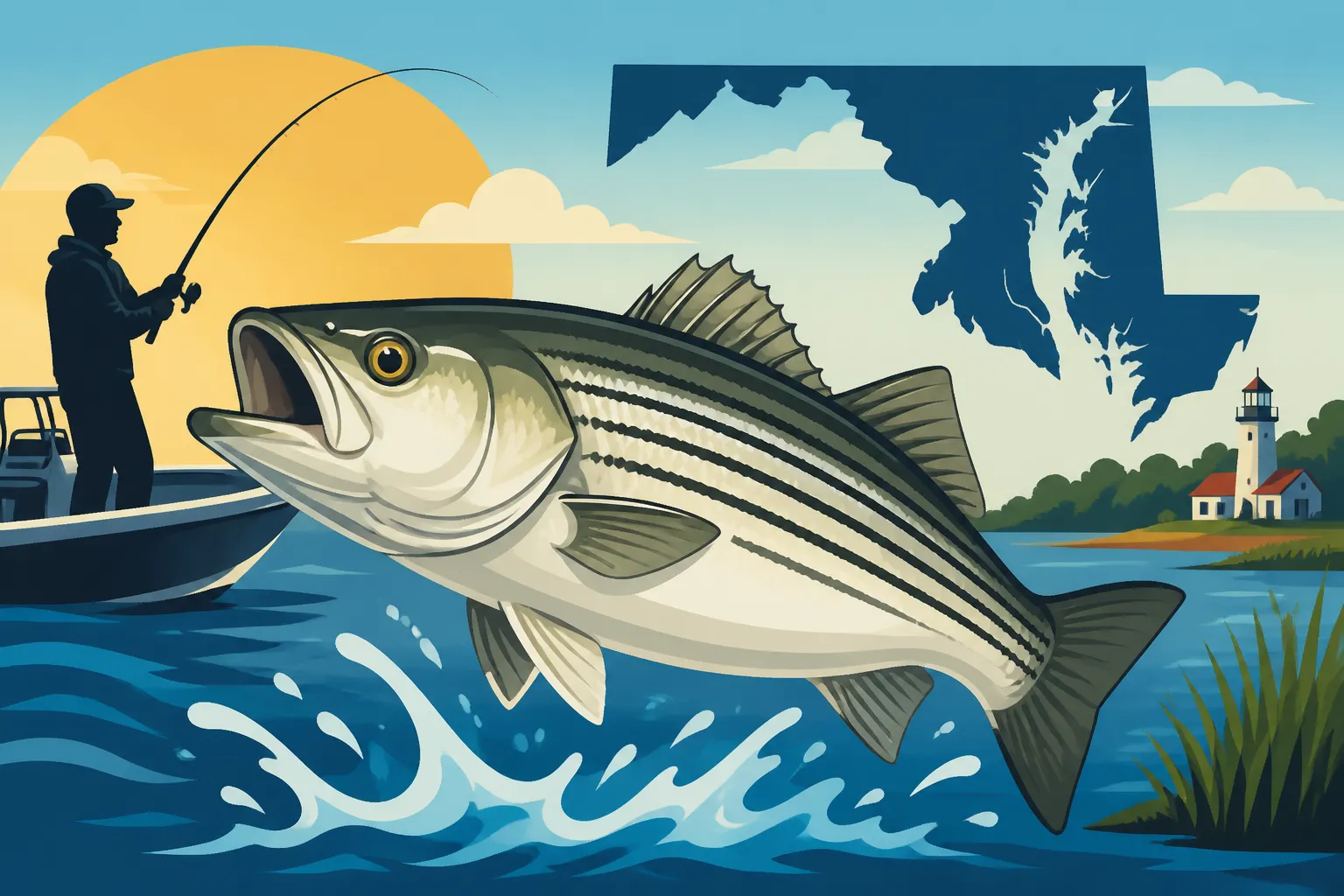
One of the most thrilling questions any angler asks when thinking about the Chesapeake Bay is, "Just how big do those striped bass, our beloved rockfish, really get?" It’s a question born from the legendary tales we've all heard and the hopeful anticipation every time we cast a line. You see the pictures, you hear the stories, and a part of you just knows there's a monster out there waiting. But the reality of what constitutes a truly "big" striper in today's Bay, compared to the giants of yesteryear, is a fascinating and often humbling subject. This guide is going to dive deep into the world of striped bass sizes in Maryland's iconic estuary, from the feisty little "schoolies" to the elusive, genuine trophies, and what factors play into their impressive growth.
The Lifespan and Growth Potential of Chesapeake Bay Striped Bass
Striped bass are remarkable creatures, known for their resilience and impressive growth. Their potential size is directly tied to how long they live and the conditions they experience throughout their lives. It's not just about luck; it's a blend of biology and environment.
Understanding Their Natural Lifespan
In the wild, striped bass can live for a surprisingly long time. Female striped bass generally live longer and grow larger than males, sometimes reaching ages of 20 to 30 years or even more in ideal conditions. Males tend to mature earlier and typically don't live as long, nor do they reach the extreme sizes of the females. The Chesapeake Bay serves as a crucial spawning ground and nursery for a significant portion of the Atlantic coast's striped bass population, providing an environment where they can grow from tiny larvae into formidable predators. A longer lifespan naturally offers more years for a fish to pack on pounds and inches. While not all fish will survive to old age due to predation, disease, or fishing pressure, the potential is certainly there within the species. If you're curious about their full life journey, we've got a whole article on How Long Do Striped Bass Live in the Chesapeake Bay?.
Factors Influencing Growth Rates
Several key factors determine how quickly and how large a striped bass will grow in the Chesapeake Bay. It's a complex interplay, much like anything in nature.
- Food Availability: This is perhaps the most significant factor. Striped bass are opportunistic predators, and a steady, abundant supply of baitfish like menhaden, alewives, anchovies, and spot is crucial for rapid growth. When food sources are plentiful, stripers can gorge themselves, converting that energy into mass. Conversely, lean years can lead to slower growth or even a reduction in average size for an age class.
- Water Temperature: Striped bass are cold-blooded, so their metabolism is highly influenced by water temperature. They thrive in moderate temperatures, where they can actively feed and grow. Extremely warm or cold water can stress them, reduce their feeding, and slow growth. The varying seasons in the Bay, from the warm summer months to the colder winter, dictate periods of intense feeding and more dormant times.
- Genetics: Just like people, some fish are simply predisposed to grow larger than others. Certain genetic lines might produce individuals that are naturally more efficient at converting food to growth, or that have a longer natural lifespan, thus allowing them to reach greater sizes.
- Fishing Pressure: While not a biological factor, fishing pressure certainly impacts the average size of fish anglers encounter. If larger, older fish are consistently removed from the population, the average size of the remaining fish will naturally skew younger and smaller. Modern regulations aim to balance this pressure, allowing some fish to grow to larger sizes, but it's an ongoing challenge.
Typical Sizes You'll Encounter in the Bay
When you’re out on the Chesapeake Bay, you'll encounter a wide range of striped bass sizes, each offering a different kind of fight and challenge. Understanding these categories helps set realistic expectations for your fishing trips.
The "Schoolie" Striper
Ah, the schoolie! These are the bread and butter for many anglers, especially in the spring and fall when they move in large numbers. Schoolie stripers typically range from about 12 to 24 inches in length and usually weigh just a few pounds. They get their name from their tendency to swim in large schools, often chasing baitfish in frenzied surface busts. While they might not be the giants you dream of, schoolies offer fantastic action on light tackle, making them perfect for beginners or anyone looking for consistent bites. You'll find them almost everywhere in the Bay – in rivers, around structure, and along shallow flats. They're a sign of a healthy recruitment class, boding well for future generations of larger fish.
Mid-Sized and Keeper Stripers
This is often the target range for many recreational anglers – fish large enough to put up a good fight and, when regulations allow, take home for the table. Mid-sized stripers usually fall within the "keeper" slot limits set by Maryland DNR, which often change year to year to manage the population. These fish typically range from 24 inches up to around 30-something inches and can weigh anywhere from 5 to 15 pounds, sometimes a bit more. They're stronger than schoolies, often having broader shoulders and a more powerful tail. Catching a few of these can make for a memorable day on the water. It’s important to always check the latest regulations for Maryland Striped Bass Size Limit Explained before heading out, as these rules are crucial for conservation.
The Trophy Class: True Giants of the Bay
Now we’re talking about the fish that inspire legends and fill anglers with awe. A "trophy" striped bass in the Chesapeake Bay is generally considered anything over 40 inches, with some anglers drawing the line closer to 45 or even 50 inches. These are primarily large, old female fish. They are magnificent, powerful creatures that can weigh 30, 40, or even 50 pounds, with the absolute giants pushing past that. The Maryland state record for striped bass (rockfish) is a staggering 67 pounds, 8 ounces, caught in the Bay way back in 1993. While fish of that colossal size are exceedingly rare today, it serves as a testament to the species' potential.
Landing a trophy striper requires a combination of skill, specialized gear, and a good dose of patience. You'll need stout rods, reels spooled with heavy braid, and robust tackle, which you can find a wide selection of on platforms like Amazon. These fish don't get big by being easy to catch! They’re often solitary or found in smaller groups, lurking around deep structure, channel edges, or offshore reefs. The spring trophy season often provides the best opportunity to target these giants as they migrate into the Bay to spawn. If you're chasing truly massive fish, you'll want to read up on Maryland's State Record Rockfish to understand the benchmark.
Historical Context and Modern Realities
The story of striped bass in the Chesapeake Bay isn't static; it's a dynamic narrative influenced by human activity, environmental changes, and rigorous conservation efforts. Understanding this history helps us appreciate the sizes we see today.
A Look Back: The Glory Days of Giant Stripers
Many veteran anglers will tell tales of a time when colossal striped bass seemed more commonplace. Photos from decades past often show anglers holding fish that today would be considered once-in-a-lifetime catches. There are several reasons for this perception, and some of it is indeed rooted in reality. In earlier eras, before modern scientific fisheries management, harvest limits were often less restrictive, and commercial fishing pressure was intense but perhaps less targeted in terms of size. However, the Bay ecosystem was also different; perhaps supporting a larger abundance of baitfish or having less pollution in certain areas. It's complex, but the anecdotal evidence suggests that truly enormous, decades-old stripers may have been more prevalent in the overall population before significant population crashes in the late 20th century. Those were the times when a "small" fish might still be in the high 20-inch range, and fish over 50 pounds, while still rare, weren't quite as mythical.
Current Regulations and Their Impact on Size
Maryland, in conjunction with other Atlantic states, has implemented stringent regulations over the years to rebuild and sustain the striped bass population. These regulations, like slot limits and specific harvest seasons, are designed to protect different year classes of fish. For instance, slot limits allow anglers to keep fish within a certain size range, while ensuring smaller, juvenile fish can grow, and crucially, larger, mature female "spawners" are protected to reproduce. Maryland Striped Bass Season and Rockfish Rules are always subject to change based on stock assessments, reflecting the ongoing commitment to conservation. These rules directly affect the size of fish you can legally keep and, by extension, the overall size structure of the population. While it might sometimes feel restrictive to anglers, these measures are vital for ensuring that future generations can still experience the thrill of catching a striped bass. They've allowed the population to rebound significantly from historical lows, though challenges remain.
The Role of Food and Habitat
The health of the Chesapeake Bay ecosystem is intrinsically linked to the size and abundance of its striped bass. A thriving Bay provides abundant food and suitable habitat, which are critical for growth.
- Baitfish Populations: Striped bass are apex predators. Their growth rate is directly tied to the health and abundance of their prey species, primarily menhaden, but also anchovies, silversides, and various herring species. Declines in these forage fish populations can impact the growth and overall health of stripers. What Do Striped Bass Eat in the Chesapeake Bay? goes into more detail about their diet.
- Water Quality: Clean water, with adequate oxygen levels and minimal pollution, is essential for all aquatic life, including striped bass. Poor water quality can stress fish, make them more susceptible to disease, and hinder their growth. Efforts to restore the Bay's water quality, though slow, are beneficial for all its inhabitants.
- Habitat: Striped bass utilize a variety of habitats throughout their lives – from shallow marshes as juveniles to deeper channels and reefs as adults. Healthy submerged aquatic vegetation (SAV) beds, oyster reefs, and riparian buffers all contribute to a robust ecosystem that supports the entire food web, which in turn allows striped bass to grow to their full potential. The complex structure of the Bay allows these fish to find everything they need, whether they are small schoolies or trophy-sized predators.
Strategies for Targeting Larger Striped Bass
If your goal is to land one of those impressive, bigger striped bass in the Chesapeake Bay, it’s going to take more than just blind luck. It requires a thoughtful approach, the right tools, and an understanding of their behavior.
Patience and Persistence
Let's be real: consistently catching trophy-sized striped bass isn't an everyday occurrence for most anglers. It demands patience and persistence. You might spend many hours, or even multiple trips, targeting specific areas without a bite from a giant fish. But those who stick with it, learning from each outing, are often the ones who eventually get their shot. It's about understanding that big fish are often solitary, cunning, and wary. They don't expose themselves easily. Developing a deep knowledge of the Bay, its tides, currents, and seasonal patterns will put you miles ahead. Don't get discouraged if the big ones aren't biting; enjoy the smaller fish, refine your techniques, and keep learning.
Gear Up for the Big Ones
Fishing for trophy striped bass requires specialized gear that can handle the power of these impressive fish. You wouldn't bring a butter knife to a sword fight, and the same applies to tackling a 40-pound striper.
- Rods: Look for medium-heavy to heavy action rods, typically 7 to 8 feet in length. These provide the backbone needed to cast larger lures or baits and to control a powerful fish during the fight. A sturdy graphite or composite rod will offer sensitivity and strength.
- Reels: A high-quality spinning reel in the 5000-8000 size range, or a conventional reel with a strong drag system and ample line capacity, is essential. Make sure the drag is smooth and capable of handling sustained runs from a heavy fish. Brands like Shimano, Penn, and Daiwa offer excellent options that are widely available, including through online retailers like Amazon.
- Line: Spool your reel with braided line, ranging from 30 to 65 pounds test, depending on the specific technique and potential size of the fish. Braid offers superior strength-to-diameter ratio and sensitivity. Always use a fluorocarbon leader (40-80 lb test) for abrasion resistance and reduced visibility, especially in clearer waters.
- Lures and Baits: Big fish often key in on bigger baits. Think large soft plastics (9-12 inches), big swimbaits, parachute rigs with heavy bucktails, or live spot, eels, or bunker when allowed. Make sure your hooks are stout and sharp! You don't want to lose a trophy due to a bent hook.
Prime Locations and Seasons
Knowing where and when to find larger striped bass drastically increases your odds. They aren't just everywhere, especially the bigger ones.
- Spring Trophy Season: This is arguably the best time to target the largest stripers in the Chesapeake Bay. Mature female fish migrate into the Bay from the Atlantic to spawn, often moving up the main stem of the Bay and into major tributary rivers. They are generally focused on pre-spawn feeding or moving towards spawning grounds. Targeting channel edges, deep holes, and major points where bait congregates can be highly effective. During this time, the season and slot limits are often specifically tailored for trophy fishing. Check Best Time of Year to Fish in Maryland for more seasonal insights.
- Fall Migration: As water temperatures drop in the autumn, striped bass begin their migration out of the Bay and back into the Atlantic. This "fall run" can offer incredible opportunities for large fish as they actively feed to build up energy for their journey. They often chase schools of baitfish, creating dramatic surface busts. Look for birds diving, which often indicates bait and stripers below.
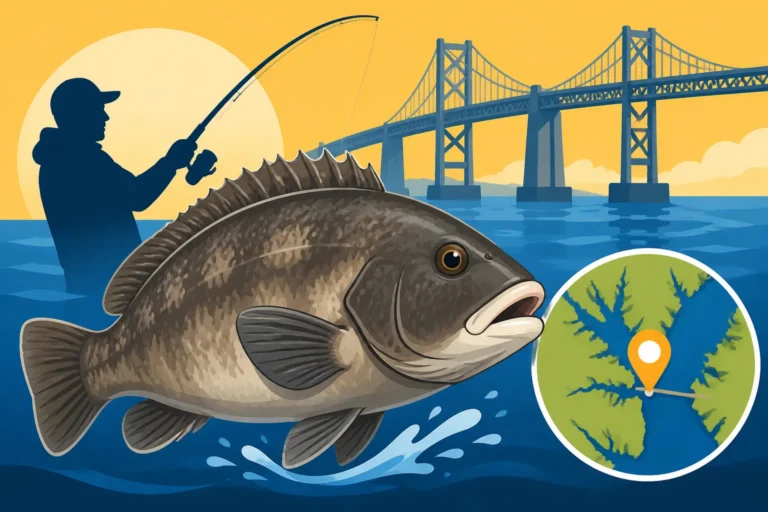
- Deep Water Structure: Throughout the year, but especially outside of spawning runs, larger stripers often hold in deeper water around prominent structure. Think bridge pilings (like the Chesapeake Bay Bridge), submerged reefs, artificial reefs, wrecks, and channel edges and drop-offs. These areas provide ambush points and hold bait. Fishing these spots often involves jigging or live-lining. Our comprehensive guide Fishing Maryland's Chesapeake Bay, A Complete Guide offers a wealth of information on different Bay locations.
- Specific Rivers: While the main Bay is key, certain rivers, especially during the spawning run, become hotspots for larger fish. The upper Bay rivers are particularly significant during spring. Understanding Where Do Striped Bass Go in the Winter in Maryland? can also help in finding less pressured, larger fish in deeper wintering holes.
Ultimately, landing a truly massive striped bass in the Chesapeake Bay is a rewarding experience that combines skill, knowledge, and a little bit of magic. The potential is certainly there for giants, but respecting the resource and fishing responsibly ensures that these magnificent fish will continue to grace our waters for years to come.
Here's a quick comparison of the different size classes you might encounter:
| Size Class | Typical Length (Inches) | Typical Weight (Pounds) | Characteristics | Common Gear | Best Times to Find Them |
|---|---|---|---|---|---|
| Schoolie | 12-24 | 1-5 | Abundant, aggressive, great on light tackle | Light spinning gear | Spring, Summer, Fall |
| Mid-Sized | 24-36 | 5-15 | Strong fighters, often within keeper limits | Medium spinning/baitcast | Spring, Summer, Fall |
| Trophy | 36+ (often 40+) | 15-50+ | Powerful, elusive, mature females | Heavy duty gear | Spring (spawn), Late Fall (run) |
Disclaimer
This article is for general informational purposes only and does not constitute professional advice. Laws, prices and regulations vary by location and change over time. Consult a qualified professional for guidance on your specific situation.