Bluegill and Sunfish in Maryland Ponds
For many anglers, especially those just starting out or families looking for an easy, fun day, the thought of fishing can feel intimidating with all the talk of complex tackle and elusive trophy fish. But what if I told you that some of the most enjoyable, accessible, and often overlooked fishing experiences are right in your local Maryland pond, teeming with feisty bluegill and their sunfish cousins? This guide is here to shed light on these abundant and energetic panfish, helping you understand where to find them, how to identify them, and the simple tricks to catch them, ensuring a rewarding day on the water for anglers of all ages.
Understanding Maryland's Sunfish Family
When we talk about "sunfish" in Maryland, it's a bit like talking about "birds"—it's a big family, and within that family, there are many distinct species. Most folks immediately think of bluegill, and for good reason, but Maryland's ponds, lakes, and even slower-moving rivers are home to a delightful array of these panfish, each with its own charm and characteristics. They're often grouped under the general term "panfish" because, well, they fit perfectly in a frying pan!
The Broad Sunfish Family Tree
The sunfish family, known scientifically as Centrarchidae, is a fascinating group of freshwater ray-finned fish that are native to North America. Beyond the famous bluegill, this family includes other popular species like crappie, various true sunfishes such as pumpkinseed and green sunfish, and even the larger black bass species like largemouth and smallmouth bass. While bass get most of the glory, it's the smaller members of the family that provide endless entertainment and a fantastic entry point into the world of fishing. These fish share common traits, like generally being deep-bodied and laterally compressed, meaning they look a bit like a dinner plate when you view them head-on. They also tend to build nests, often in shallow waters, and the males guard the eggs and fry—talk about dedicated dads!
Why Sunfish Thrive in Maryland's Ponds
Maryland's landscape, with its numerous small ponds, community lakes, and even the quiet backwaters of larger reservoirs, provides an ideal environment for sunfish to flourish. These fish are incredibly adaptable and can tolerate a wide range of water conditions, from clear, vegetated ponds to slightly murkier farm ponds. They prefer shallower waters with plenty of aquatic vegetation, submerged timber, or other structures that offer both cover from predators and a rich feeding ground. This abundance of suitable habitat means that no matter where you are in Maryland, from the Eastern Shore to Western Maryland, you're likely not far from a pond brimming with sunfish. Their prolific breeding habits also contribute to their success; a single female bluegill can lay tens of thousands of eggs, ensuring a healthy population year after year. This makes them a fantastic target for consistent action, which is perfect for new anglers or young children who need to feel a tug on their line frequently to stay engaged.
Bluegill: The Backyard Champion
When most Marylanders picture a sunfish, they're probably envisioning a bluegill. These little dynamos are hands-down the most popular and widespread panfish in the state, offering fantastic angling opportunities from the smallest farm ponds to vast reservoirs. They are, in many ways, the quintessential American panfish, known for their aggressive bites and surprisingly strong fight on light tackle.
Identifying Bluegill in Maryland Waters
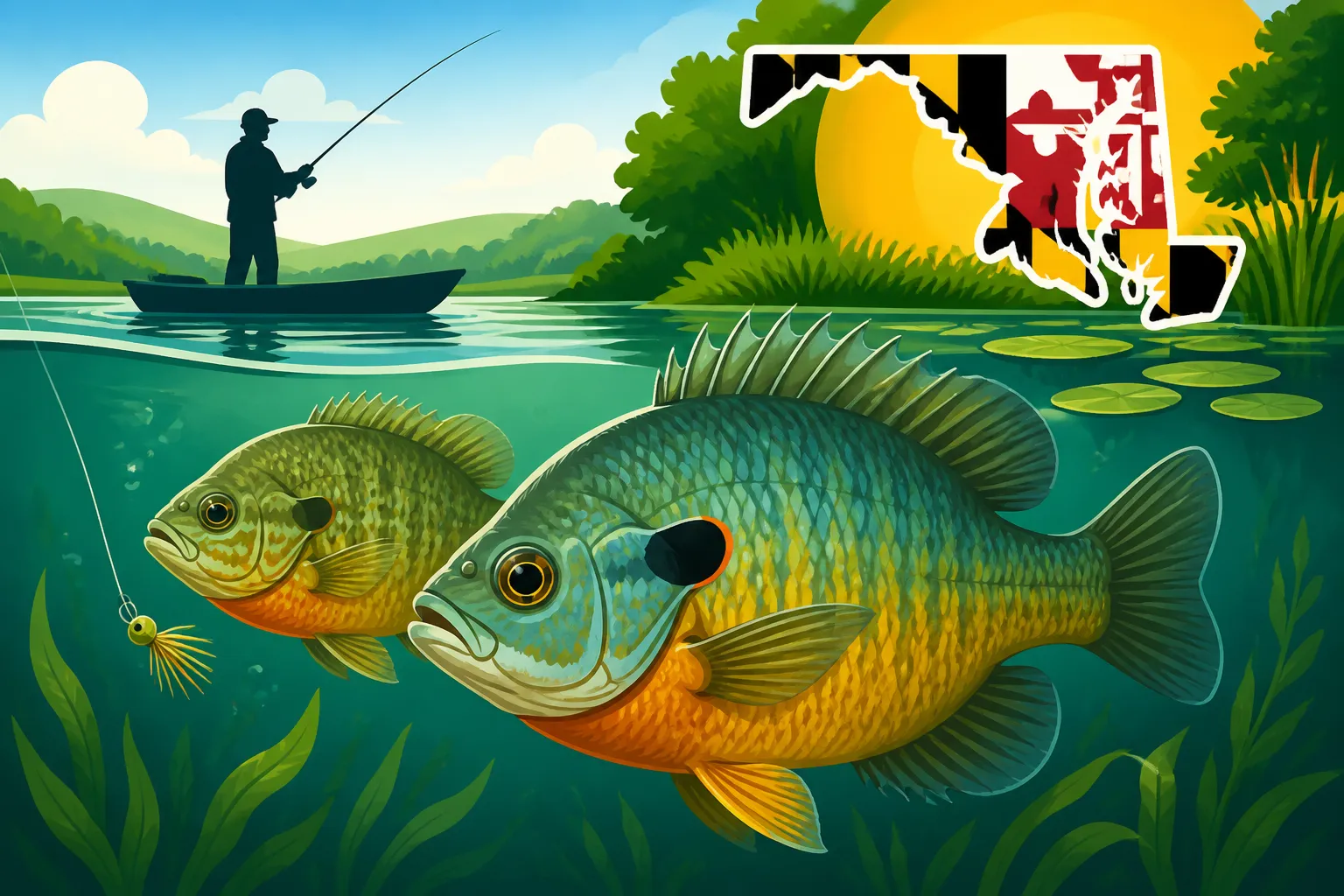
Bluegill are quite distinctive once you know what to look for, though they can sometimes be confused with other sunfish species. The most tell-tale sign is the prominent black "ear flap" on the gill cover, which, unlike some other sunfish, is entirely black without any colored trim. They also typically have a small black spot on the posterior dorsal fin. Their bodies are deep and slab-sided, often with seven to nine vertical bars on their sides, though these can fade or intensify depending on the water clarity and the fish's mood. Coloration can vary wildly, from olive green on their backs to yellowish or even orange on their bellies, especially in spawning males who adopt a vibrant, almost iridescent blue on their gill plates—hence the "bluegill" name. Their mouths are small, which is a crucial detail for choosing the right bait and hook size. If you're wondering How Big Do Bluegill Get in Maryland Ponds?, you'll find they rarely exceed 10 inches, with a 6-8 inch bluegill being a common and very respectable catch.
Prime Bluegill Habitats in Ponds and Lakes
Bluegill are creatures of structure and cover. In Maryland ponds and lakes, you'll almost always find them congregating around certain areas. Think about where food and safety would be for a small fish. This means targeting areas with submerged vegetation like lily pads, cattails, or hydrilla beds. They also love woody debris, so fallen trees, brush piles, and old docks are absolute hotspots. Rocks, sudden drop-offs, and even bridge pilings in larger lakes can hold good numbers of bluegill. During sunny days, they'll often hold in the shaded areas created by these structures. They also tend to stick to shallower waters, especially during warmer months, making them highly accessible for shore anglers or those fishing from kayaks and canoes. Look for areas where the water is a few feet deep, but close to deeper water where they can retreat if threatened.
Bluegill Spawning Behavior and Timing
Bluegill are prolific spawners, and understanding their breeding habits can dramatically improve your success. They typically begin to spawn in late spring or early summer when water temperatures consistently reach the high 60s Fahrenheit. In Maryland, this usually means May through July, and sometimes even into August, especially if conditions are favorable for multiple spawns. The males build circular nests, often in clusters resembling a honeycomb, in shallow, sandy, or gravelly bottoms. You can often spot these "bluegill beds" as light-colored depressions on the bottom in clear water.
During the spawn, bluegill become highly aggressive, both defending their nests and feeding actively before and after laying eggs. This is an incredible time to target them, as they are less wary and more concentrated in specific areas. A light bait dropped into a nest will almost always elicit a strike. However, it's also a time for responsible angling; while bluegill populations are robust, avoid over-harvesting from a single bed, as it can disrupt the reproductive cycle. It's a great opportunity for catch and release, allowing the fish to continue their vital work.
Other Common Sunfish Species in Maryland
While bluegill might be the most famous, Maryland's waters are home to several other fantastic sunfish species, each adding its unique flair to the angling experience. Recognizing these different species can not only satisfy your curiosity but also help you understand their preferences and tailor your approach. Often, you'll catch a mix of these species from the same spots, providing a delightful variety to your catch.
Pumpkinseed and Their Distinctive Features
The pumpkinseed sunfish is arguably the most beautiful of the panfish, a true gem of Maryland's freshwater systems. They get their name from their deep, pumpkin-seed-shaped bodies. What truly sets them apart is their incredibly vibrant coloration: often iridescent blues and greens on their cheeks, with squiggly lines that look hand-painted, and a bright red or orange spot on the tip of their black gill flap. This red spot is the key differentiator from a bluegill. Their bodies are speckled with gold, orange, and blue. Just like bluegill, they have small mouths, so tiny baits are essential. If you're curious about What's the Difference Between Bluegill and Pumpkinseed?, the vibrant face markings and the red ear flap are your primary clues. They prefer similar habitats to bluegill but might lean slightly more towards clear, vegetated waters, often found alongside their bluegill cousins.
Green Sunfish: Aggressive Pond Dwellers
The green sunfish is a stockier, more robust member of the sunfish family, often found in smaller, sometimes less pristine, ponds and streams. They are incredibly hardy and aggressive for their size, often punching above their weight when hooked. Identification can be a little trickier, as their coloration is typically a duller olive green to brown, sometimes with faint vertical bars or blue-green spots. The key features are a larger mouth than bluegill or pumpkinseed, often extending past the front of the eye, and a black ear flap that is usually bordered with a pale yellow or orange trim. They also have bright blue-green streaks below their eyes. Their larger mouths mean they can handle slightly bigger baits and lures. Green sunfish are truly the scrappy fighters of the panfish world and can provide a lot of fun, even if they don't reach the same size as a bluegill.
Redear Sunfish, the Snail Eaters
Redear sunfish, also affectionately known as "shellcrackers" due to their habit of eating snails and mussels, are less common than bluegill or pumpkinseed but are highly prized where they are found in Maryland. They tend to grow larger than other sunfish, often reaching impressive sizes that make for excellent table fare and a strong fight. Their primary distinguishing feature is a prominent red or orange margin on their operculum (gill flap), which gives them their name. Their body is generally olive green with faint vertical barring and sometimes a few dark spots. Unlike other sunfish, they often lack the distinct blue or yellow markings on their faces. Because they specialize in eating shelled invertebrates, traditional baits might not always be as effective, but worms are generally a safe bet. They prefer clean, clear waters with abundant vegetation and firm bottoms where their preferred food source thrives.
Distinguishing Sunfish from Crappie and Perch
It's easy to lump all smaller, edible freshwater fish into one "panfish" category, but understanding the differences between true sunfish, crappie, and yellow/white perch can help you target them more effectively. All are excellent eating and fun to catch, but they have distinct characteristics.
Crappie, both black and white, are part of the sunfish family, but they have a much more elongated, wafer-thin body compared to the rounder, deeper-bodied bluegill or pumpkinseed. They also have a distinctive dorsal fin with 7-8 spines (black crappie) or 5-6 spines (white crappie). They tend to school more tightly and prefer slightly deeper water or brush piles. You can learn more about them in Maryland Panfish: Crappie, Perch and Sunfish.
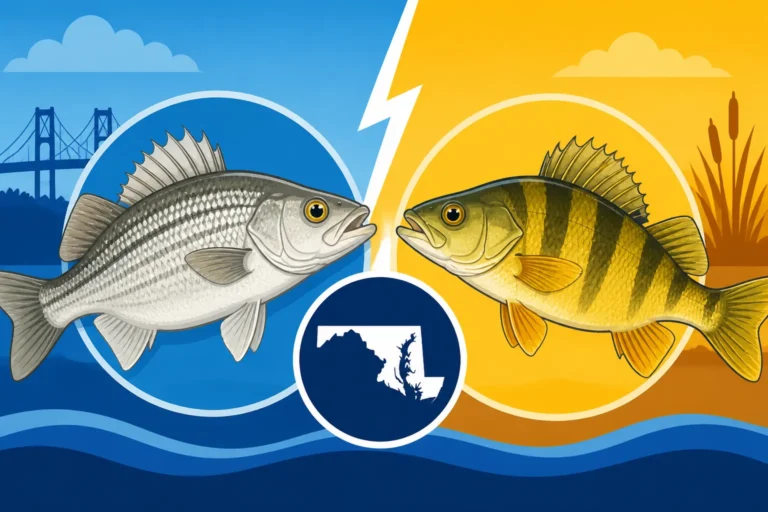
Yellow perch, on the other hand, are not sunfish at all; they belong to the perch family (Percidae). They have a more torpedo-shaped body, distinctive dark vertical bars (usually 6-8) on yellow sides, and two separate dorsal fins. White perch are also not true sunfish, belonging to the temperate bass family. They are silver with a much deeper body than yellow perch and a more aggressive schooling nature. For specific regulations, you might look into Maryland White Perch Daily Limit or Maryland Crappie Size and Creel Limits. While they all fall under the "panfish" umbrella, recognizing these differences can make you a more informed and successful angler.
Gear and Techniques for Catching Bluegill and Sunfish
One of the greatest joys of fishing for bluegill and other sunfish in Maryland is that you don't need a boatload of expensive gear or complicated techniques. This makes them perfect for beginners, kids, or anyone just looking for a relaxing day by the water. Simplicity often reigns supreme when it comes to panfish.
Light Tackle is Key for Panfish Fun
Because bluegill and sunfish have relatively small mouths and don't grow to massive sizes, light tackle is not just preferred, it's really the most enjoyable way to target them. A lightweight spinning rod, usually 5 to 6 feet long, with a fast action tip, is ideal. Pair this with a small spinning reel spooled with 4 to 6-pound test monofilament line. The lighter line allows for longer casts with small baits and provides a much more sporting fight when a feisty bluegill tugs on the other end.
For kids, a simple spincast rod and reel combo works perfectly. These are incredibly easy to use and durable, able to withstand the occasional mishap that comes with learning to cast. You can find excellent, affordable options for light tackle rods and reels on platforms like Amazon, making it easy to get started without breaking the bank. The key is balance – you want a setup that feels comfortable and allows you to feel even the lightest nibbles.
Best Baits and Lures for Sunfish
Sunfish are not picky eaters, which is fantastic news for anglers. Live bait is almost always a sure bet:
- Worms: Red wigglers, nightcrawlers (pinched into smaller pieces for their small mouths), or even tiny grub worms are irresistible to bluegill and other sunfish. They are probably the most consistently effective bait.
- Crickets and Grasshoppers: These natural terrestrial insects are excellent, especially in summer months when sunfish are feeding on insects that fall into the water.
- Mealworms and Waxworms: These can be purchased at most bait shops and are fantastic for panfish, often staying on the hook better than larger worms.
- Corn: Believe it or not, canned corn can be a surprisingly effective bait for bluegill and other panfish, especially if you chum a little bit with it first. It's also super clean and easy for kids to handle.
When it comes to artificial lures, small is the name of the game:
- Tiny Jigs: 1/32 or 1/64 ounce jigs, often tipped with a small plastic grub, tube, or a piece of Gulp! artificial bait, are incredibly effective. White, chartreuse, and black are classic colors.
- Small Spinners: Rooster Tails, Mepps, or similar inline spinners in sizes #0 or #1 can trigger aggressive strikes, especially when fished near cover.
- Mini Crankbaits/Poppers: For a more active approach, particularly around dawn or dusk, tiny topwater poppers or micro crankbaits can be a blast.
You can stock up on a variety of these small baits and lures from online retailers like Amazon, ensuring you have options for different conditions. Don't be afraid to experiment!
Simple Rigs for Pond and Shore Angling
You don't need complicated knot-tying skills or fancy rigs to catch sunfish. The simpler, the better, especially for beginners.
- Bobber Rig: This is the classic setup and incredibly effective.
- Attach a small bobber (either a clip-on round bobber or a slip bobber) to your line.
- Tie on a small hook (size #8 to #12 is usually perfect).
- Crimp one or two small split shot weights a few inches above the hook to help the bait sink.
- Adjust the bobber depth so your bait is suspended a foot or two off the bottom, or just above any submerged vegetation. The bobber acts as a visual strike indicator – when it dips or moves, set the hook!
- Bottom Rig (Carolina Rig variation): For fishing slightly deeper or without a bobber.
- Tie a small barrel swivel to your main line.
- Attach a 6-12 inch leader of lighter line (e.g., 2-4 pound test) to the other end of the swivel.
- Tie your small hook to the end of the leader.
- Add a small split shot or an egg sinker above the swivel on your main line. This allows the fish to pick up the bait without feeling the weight immediately.
Remember, bluegill and sunfish are not overly cautious, so even a simple hook, split shot, and bobber can lead to a productive day. These simple setups are easy for kids to manage and rebuild if a snag happens. For those who want to be prepared, a basic tackle box with a variety of hooks, sinkers, and bobbers can be purchased from stores or online.
| Species Name | Typical Size Range (Maryland) | Primary Identifying Features | Preferred Habitat | Common Baits/Lures |
|---|---|---|---|---|
| Bluegill | 6-10 inches | All-black "ear flap", small black spot on dorsal fin, vertical bars | Shallow, vegetated areas, docks, submerged timber | Worms, crickets, small jigs, tiny spinners |
| Pumpkinseed | 4-8 inches | Iridescent blue/green face markings, red/orange spot on ear flap | Clear, heavily vegetated ponds and lake edges | Worms, mealworms, micro jigs |
| Green Sunfish | 5-9 inches | Larger mouth, blue-green streaks below eye, yellow/orange-trimmed ear flap | Hardier, smaller ponds, sometimes murky, aggressive | Worms, small minnows, slightly larger jigs |
| Redear Sunfish | 8-12+ inches | Red/orange margin on gill flap, often no face markings | Clear, vegetated waters with firm bottoms, near shell beds | Worms (especially nightcrawlers), small jigs |
Finding the Best Sunfish Ponds in Maryland
One of the great things about sunfish fishing in Maryland is that opportunities are abundant. You don't always need to travel far to find a great spot, making it a perfect impromptu activity. From bustling state parks to quiet community ponds, there's likely a bluegill hotspot near you.
Public Ponds and Community Lakes
Maryland boasts numerous public ponds and community lakes that are specifically managed for fishing, often with healthy populations of panfish. These are fantastic resources, frequently providing easy access, parking, and sometimes even amenities like restrooms or picnic areas. Places like Unicorn Lake in Queen Anne's County or Urieville Lake in Kent County are well-known panfish havens. Many smaller municipal parks also have fishing ponds. Check with your local county parks and recreation department or the Maryland Department of Natural Resources (DNR) website for lists of public access fishing areas. These spots are often stocked and maintained, offering consistent action. Remember that even though it's a pond, you'll still need to be aware of Maryland Fishing License Age Requirements and ensure you have the proper license, though kids generally have exemptions; Do Kids Need a Fishing License in Maryland? is a good resource.
Fishing State Parks and Reservoirs for Sunfish
Maryland's state parks and larger reservoirs offer excellent sunfish opportunities, often with more diverse habitats and the chance to combine fishing with other outdoor activities. Lakes within state parks like Rocky Gap State Park Lake Habeeb, Cunningham Falls State Park Lake, or Greenbrier State Park Lake are known to hold good numbers of bluegill, pumpkinseed, and sometimes even crappie. The larger reservoirs, such as Loch Raven Reservoir, Liberty Reservoir, and Piney Run Reservoir, while famous for bass and trout, also have extensive shallow coves and arm-like structures where panfish thrive.
Fishing in these areas often means more natural, wilder settings. You might need to walk a bit further to reach prime spots or use a kayak or canoe to access secluded coves. Make sure to understand the specific rules for these locations, as some reservoirs have restrictions on boat types or fishing methods. You can usually find information on Fishing License Requirements at Maryland State Parks. These spots are often Best Family-Friendly Fishing Spots in Maryland and Best Fishing Spots for Beginners in Maryland due to their accessibility and the high likelihood of catching fish.
Private Ponds: Opportunities and Etiquette
Maryland has countless private farm ponds, often stocked with bluegill and other panfish. These can offer some of the most consistent and unpressured fishing experiences. However, accessing private ponds requires permission from the landowner. It's crucial to always ask permission before casting a line on private property. A polite knock on the door and a friendly conversation can often open up incredible fishing opportunities. Landowners are often happy to let responsible anglers fish, especially if you offer to share some of your catch or help with pond maintenance.
If you gain access to a private pond, treat it with the utmost respect. Pack out everything you pack in, close gates, and be mindful of livestock or crops. Building a good relationship with a landowner can secure you a fantastic fishing spot for years to come. These ponds are often teeming with fish, as they experience less fishing pressure, making them truly special for a quiet day of panfishing.
Conservation and Enjoying Your Catch
While bluegill and sunfish populations are generally robust in Maryland, responsible angling practices are still important to ensure these fun-to-catch fish remain plentiful for future generations. It's not just about catching fish; it's about appreciating the resource and understanding how to be a good steward of Maryland's aquatic environments.
Sustainable Harvest and Catch Limits
Maryland has specific regulations for many fish species, including various panfish. While bluegill and most common sunfish generally have very liberal or no daily creel limits due to their abundance, it's always a good idea to check the latest Maryland DNR fishing guide for any updates or specific regulations for certain bodies of water. Even without strict limits, practicing selective harvest is a smart move. This means keeping a reasonable number of fish for a meal and releasing the rest, especially larger breeding fish, to ensure a healthy population structure.
Consider releasing the biggest sunfish – often referred to as "bull" bluegill or pumpkinseed – as they are the prime spawners and contribute genetic strength to the population. Keeping mid-sized fish for the pan can actually benefit the pond by reducing competition for food and allowing more fish to grow to a healthy size. When practicing catch and release, handle fish gently with wet hands, remove hooks quickly, and release them back into the water promptly.
Cleaning and Cooking Your Panfish
One of the best parts about catching bluegill and sunfish is how delicious they are! These panfish have sweet, flaky white meat that is fantastic fried, baked, or grilled. Cleaning them is a straightforward process, and their small size makes it less intimidating than tackling a larger fish.
Here’s a basic way to clean them:
- Scaling: Use a fish scaler or the back of a knife to remove scales from tail to head on both sides.
- Gutting: Make a shallow cut along the belly from the anal vent up to the throat. Remove all the internal organs. Rinse the cavity thoroughly.
- Filleting (Optional): For larger panfish, you can fillet them. Make a cut behind the gill plate, down to the backbone, then turn the knife flat and run it along the backbone towards the tail, removing the fillet. Flip the fillet skin-side down and remove the skin by cutting between the meat and the skin. This leaves you with boneless, skinless fillets. For smaller panfish, many anglers prefer to just scale and gut them, cooking them whole or leaving the head on.
Once cleaned, pat them dry, season them lightly with salt, pepper, and your favorite spices, then coat them in cornmeal or flour. A classic way to cook them is to shallow fry them in a cast iron skillet with a bit of oil until golden brown and crispy. They are a true culinary treat, turning your day on the water into a delicious meal.
Disclaimer
This article is for general informational purposes only and does not constitute professional advice. Laws, prices and regulations vary by location and change over time. Consult a qualified professional for guidance on your specific situation.