Best Bait for Spot and Croaker in Maryland
Oh, the quest for spot and croaker! If you've ever spent a beautiful Maryland day casting into the Chesapeake Bay or one of its many tributaries, only to find your bait ignored while others around you are reeling in these delicious panfish, you know the frustration. It's a common dilemma, and often, the key to a successful day lies not just in where you fish, but crucially, in what you're putting on your hook. This guide is going to dive deep into the world of bait for spot and croaker, helping you understand their preferences and giving you the best options to ensure your cooler gets a little heavier on your next outing.
Understanding Spot and Croaker Preferences
Before we even talk about specific baits, it’s really helpful to understand a bit about what makes spot and croaker tick. These aren't your aggressive, predatory striped bass; they're more subtle, often bottom-dwelling, and definitely have their own specific tastes. Knowing their natural habits and feeding behaviors can make all the difference when you're choosing what to offer them.
What Makes Spot and Croaker Tick?
Spot and croaker, as their names often suggest, are typically found in the Bay's tidal waters, estuaries, and even venturing a bit into the ocean side. They love sandy or muddy bottoms, often hanging out around oyster beds, channel edges, and submerged structure. They are primarily opportunistic bottom feeders. This means they're constantly grubbing around, sifting through the sediment for small invertebrates like worms, tiny crabs, shrimp, and other bits of organic matter. They aren't chasing down fast-moving baitfish in open water; they're sniffing out food that's either slow-moving or stationary on the bottom.
Their mouths are relatively small, which is a crucial detail many anglers overlook. You can't just throw a huge chunk of bait at them and expect a hook-up. They need something they can easily get into their mouths and that smells absolutely irresistible. Think about a vacuum cleaner rather than a shark – they're designed to suck up small morsels. This bottom-feeding habit directly informs our best bait choices, focusing on things that either mimic their natural diet or emit strong, enticing scents that draw them in from a distance.
Seasonal Shifts and Feeding Habits
Just like us, fish have varying appetites throughout the year, influenced heavily by water temperature and spawning cycles. Spot and croaker typically arrive in Maryland waters in late spring or early summer, as the Bay waters warm up. This is when their metabolism kicks into high gear, and they become quite active feeders. Early in the season, they might be a bit more finicky, preferring specific natural offerings. As summer progresses into fall, their feeding can become more aggressive as they bulk up for cooler temperatures or migrations.
During the peak summer months, when the water is warmest, they're often quite abundant and less selective, making them a fantastic target for family fishing trips or beginners. However, even then, the right bait will always outperform the wrong one. As the fall chill sets in, their bite might slow down, or they might congregate in deeper channels before moving out of the Bay. Understanding these seasonal nuances can help you fine-tune your bait presentation and increase your chances of success. They'll generally be found throughout the Chesapeake Bay and its tributaries during these warmer months.
The Tried-and-True Baits for Spot and Croaker
Alright, let's get down to the nitty-gritty: what exactly should you be threading onto your hook? Over decades of fishing the Chesapeake Bay, certain baits have proven themselves time and again to be irresistible to spot and croaker. These are the workhorses, the ones you can almost always rely on for consistent action.
Peeler Crab: The Undisputed King
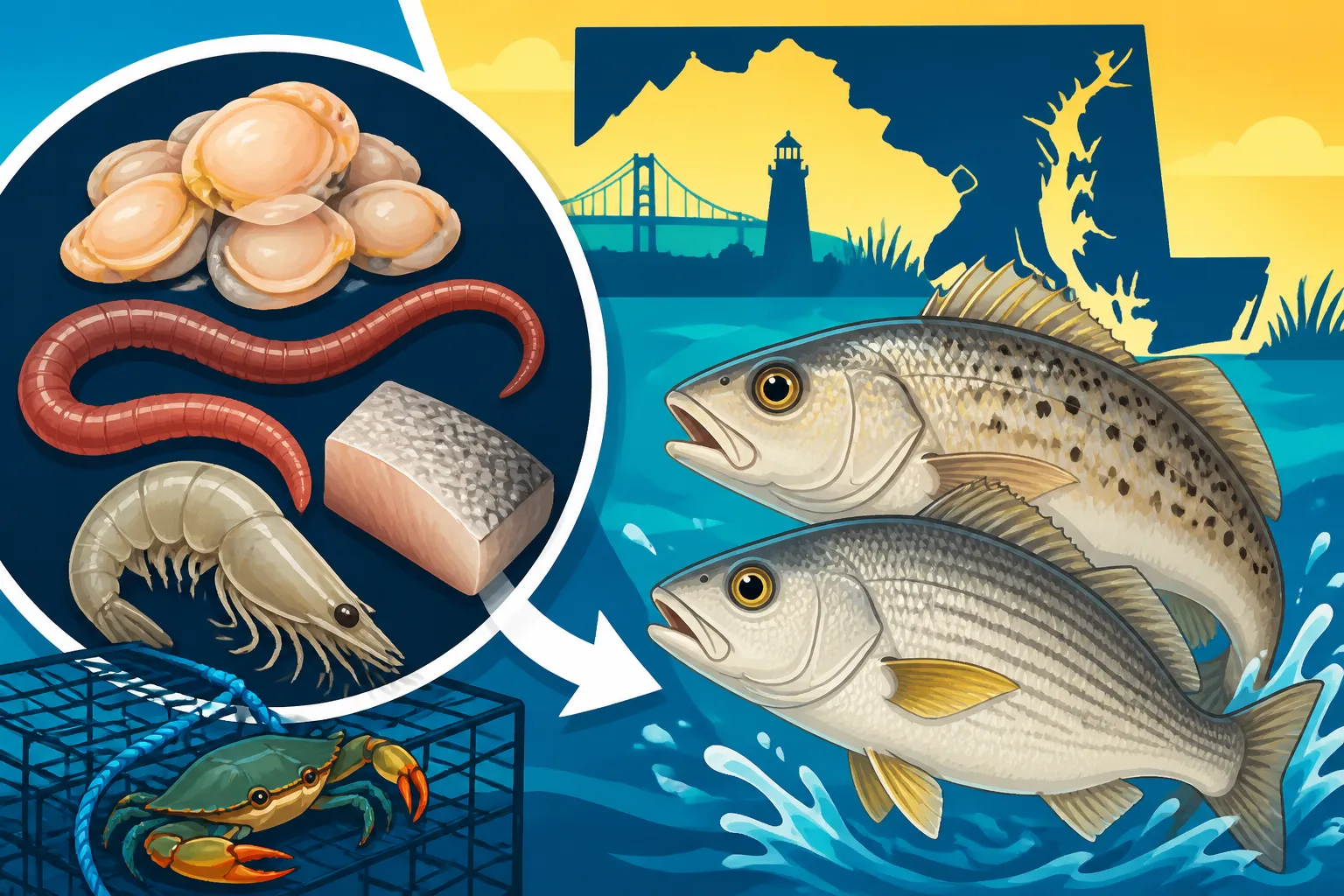
If there's one bait that spot and croaker absolutely cannot resist, it's peeler crab. This is a soft crab that's in the process of shedding its hard shell, making it incredibly vulnerable, soft, and packed with an enticing scent. It's their natural fast food, and when presented correctly, it's almost guaranteed to get a bite.
The reason peeler crab works so well is its potent, natural scent trail that drifts through the water, calling fish in from a surprising distance. The soft texture also makes it easy for them to tear off and eat. The downside? Peeler crab can be a bit harder to find and definitely pricier than other options, especially if you don't catch and peel them yourself.
When you get peeler crabs, you'll need to prepare them. First, remove the hard outer shell, gills, and mouth parts, leaving you with just the soft, succulent body. Cut this body into small, bite-sized pieces – remember, these fish have small mouths! A piece about the size of your thumbnail is often perfect. Thread this small piece onto a small, sharp hook, making sure the hook point is exposed. You want it to look like an easy meal that's ready to be gobbled up. This bait is so effective, it's often preferred for targeting larger croaker that might be a bit more discerning.
Bloodworms: Irresistible Scent Trails
Another absolute champion bait for spot and croaker, and really for almost any bottom-dwelling fish in the Chesapeake, are bloodworms. These worms are famous (or infamous, depending on your squeamishness level) for the potent, almost metallic scent they release in the water, which fish find incredibly attractive. Their wiggling action on the hook adds to their allure, mimicking a natural food source.
Sourcing bloodworms usually means a trip to your local bait and tackle shop. They can also be a bit on the expensive side, similar to peeler crabs, but a little goes a long way. When rigging, again, think small. Cut a bloodworm into pieces about an inch or two long. Thread one piece onto your small hook, ensuring you leave a little bit dangling to create that irresistible wiggling action and maximize the scent dispersion. Be careful when handling them, as they can deliver a small nip with their "jaws," but it's nothing to truly worry about. For those times when fresh bloodworms are hard to come by, or you just prefer a less messy option, artificial alternatives like Berkley Gulp! Bloodworm can be found on Amazon and are surprisingly effective due to their strong scent impregnation. They offer a similar appeal without the fuss of live bait.
Squid: Readily Available and Effective
Squid is a fantastic all-around bait that is widely available, relatively inexpensive, and tough on the hook, meaning it stays on longer, resisting nibbles from smaller fish or currents. While it might not have the immediate "wow" factor of a fresh peeler crab or bloodworm, squid consistently produces bites for spot, croaker, and a host of other bottom dwellers.
When preparing squid, thaw it if frozen and cut it into thin strips, about a quarter to half-inch wide and two to three inches long. The key here is not to make the strips too thick or too long. A good technique is to cut it into a V-shape or a spear-shape at one end, which gives it a natural, undulating movement in the water. Thread the wide end of the strip onto your hook once or twice, leaving the pointy end free to flutter. The firmness of squid also means you can often catch multiple fish on the same strip before needing to re-bait, making it economical. It's a reliable choice for a day out when you're looking for consistent action without breaking the bank.
Shrimp: Fresh, Frozen, and Flavored
Shrimp is another popular bait, versatile enough for many species, including spot and croaker. Both fresh and frozen shrimp can be effective, though many anglers swear by the added appeal of fresh, uncooked shrimp. If using frozen, make sure it's thawed completely before cutting.
You can use either peeled or unpeeled shrimp. Some anglers prefer peeled for easier hook penetration and faster scent release, while others prefer unpeeled for added durability on the hook. Whichever you choose, cut the shrimp into small, manageable pieces, again aiming for that thumbnail size. Thread the piece onto your hook, making sure the hook point is exposed for a solid hookset. Shrimp has a natural appealing scent and texture that spot and croaker find very appetizing. For convenience, especially if you're traveling or prefer not to deal with fresh bait, various artificial shrimp baits are available, such as Gulp! Shrimp, which you can easily purchase from Amazon. These often come infused with powerful attractants designed to mimic the real thing.
FishBites: The Artificial Advantage
For those who prioritize convenience, durability, and a less messy experience, FishBites are an excellent artificial bait option that has gained significant popularity among Maryland anglers. These synthetic strips are infused with powerful scents and flavors, designed to attract fish just like natural baits.
The major pros of FishBites are their incredible durability – they stay on the hook remarkably well, even through multiple casts and nibbles – and their ease of storage. You don't need to keep them refrigerated or worry about them spoiling. They come in a variety of "flavors," mimicking shrimp, crab, clam, and bloodworm, and different colors. To use them, simply cut a strip into a small piece, similar to how you would squid or shrimp, and thread it onto your hook. The scent slowly disperses in the water, attracting fish. While some purists might argue nothing beats fresh bait, FishBites are an incredibly effective alternative, especially on days when bait shops are closed or fresh bait is scarce. You can find a wide array of FishBites products, in different scents and colors, on Amazon, making them super easy to stock up on before your next fishing adventure.
Essential Rigging and Presentation Tips
Having the best bait in the world won't do you much good if it's not presented properly. Spot and croaker are not particularly aggressive feeders; they're more about finesse. Mastering a few rigging and presentation techniques will significantly increase your hook-up ratio and transform those subtle nibbles into solid catches.
The Classic Bottom Rig
For spot and croaker, the classic bottom rig is almost universally effective. It's simple, reliable, and keeps your bait right where these fish are looking for it – on or near the bottom. A standard bottom rig typically consists of a weight at the very end of your line, with two snelled hooks tied to leaders branching off above it.
Here's how it generally works:
- Sinker: A pyramid or egg sinker is common, usually 1-3 ounces depending on the current and depth. The weight ensures your bait stays anchored to the bottom.
- Leader: Above the sinker, you'll have two short leaders, often 6-12 inches long, tied to your main line using a three-way swivel or pre-tied snelled hooks that attach directly to the main line via a loop.
- Hooks: This is where your bait goes. Ensure your hooks are small, which we'll discuss next.
- Spacer/Bead (Optional): Some anglers add small beads or floats just above the hook on the leader to lift the bait slightly off the bottom, making it more visible and keeping it out of the immediate mud.
The beauty of this rig is its simplicity and effectiveness. It allows you to present two different baits at once, or simply double your chances with the same bait. It's a go-to setup whether you're fishing from a boat, shore, or a pier. If you're looking for more general bottom fishing techniques, even for larger species, you might find some crossover tips in articles like Bottom Fishing Techniques for Maryland Catfish, although the hook and bait sizes will differ for our smaller targets.
Hook Size Matters
This cannot be stressed enough: spot and croaker have small mouths. Using hooks that are too large is one of the most common mistakes new anglers make when targeting these fish. You might get a lot of bites, but you won't get many hook-ups, as the fish simply can't get the entire hook into their mouth.
For spot and croaker, aim for small, sharp hooks in sizes ranging from #4 to #8. Often, a #6 or #4 Kahle or baitholder hook is ideal. A baitholder hook has small barbs on the shank to help keep the bait from sliding off. Kahle hooks have a wider gap which can sometimes improve hook-ups. The most important thing is that the hook is sharp, allowing for easy penetration with a light bite. Match your hook size to your bait size – tiny pieces of bloodworm or crab require tiny hooks. This simple adjustment can dramatically improve your success rate.
Casting and Retrieval Strategies
Once your rig is baited and ready, a gentle cast is usually all that's needed. You don't need to hurl it a mile; often, spot and croaker are closer to shore or structure than you think. Let your bait settle to the bottom, and then be patient. Spot and croaker bites are often subtle, starting as light taps or gentle pulls. It can feel like a series of soft nudges. Don't immediately yank your rod. Instead, wait for a more definite bend or a consistent pull, then gently sweep your rod to the side to set the hook. A hard, aggressive hookset isn't usually necessary and can sometimes pull the small hook right out of their mouths.
When fishing from a pier or shore, vary your casting distance until you find where the fish are holding. They might be right by the pilings, out in deeper water, or along a channel edge. Pay attention to structure like oyster reefs or deeper pockets where they might congregate. For more information on fishing from solid ground, check out Do You Need a License to Fish From a Maryland Pier?.
Maximizing Your Catch: Scent and Freshness
Spot and croaker are primarily scent-driven feeders, so keeping your bait fresh and appealing is paramount. Always store your bait in a cooler with ice to maintain its freshness, especially on warm Maryland summer days. Bait that's gone bad will repel fish rather than attract them. Change your bait frequently, even if you haven't had a bite. The scent diminishes over time, and a fresh piece will always be more effective.
You can also enhance your bait's appeal with scent attractants. Sprays or dips infused with fish oils (like menhaden oil) or concentrated bait scents can be applied to your natural or artificial baits. Products like Pro-Cure or Mike's Glow Baits are designed to add an extra olfactory punch. Many of these scent enhancers, including things like Gulp! Alive, can be easily found and ordered through Amazon, adding another layer to your bait game. Think of it as putting out extra-fragrant chum on your hook – it really helps draw them in.
Beyond the Bait: Other Factors for Success
While bait is undeniably a huge piece of the puzzle, a truly successful spot and croaker angler understands that other environmental and tactical elements play a significant role. Pairing the right bait with the right time, location, and gear will put you in the best possible position for a bountiful day on the water.
Timing and Tides
For many species in the Chesapeake Bay, and especially for bottom feeders like spot and croaker, timing is everything. The moving tide is your best friend. Both incoming and outgoing tides create current, which stirs up the bottom, dislodges food, and concentrates baitfish, making it an excellent time for spot and croaker to feed. Slack tide, when the water is still, often results in a slower bite.
Beyond the tide, consider the time of day. Dawn and dusk are often prime feeding times for many fish species, and spot and croaker are no exception. The lower light conditions can make them feel safer to venture out and forage more actively. However, during the summer, they can bite all day long, especially if you're hitting the peak of a moving tide cycle. Understanding how these factors interact with your chosen fishing spot is crucial. For a deeper dive into how water movement affects fishing, be sure to read How Tides Affect Fishing in Maryland's Chesapeake Bay.
Location, Location, Location
You can have the perfect bait, but if you're not where the fish are, it's all for naught. Spot and croaker love areas with sandy or muddy bottoms, often near some kind of structure. Think about these prime spots in Maryland:
- Tidal Rivers and Bay Tributaries: Rivers like the Choptank, Patuxent, Chester, and Nanticoke are renowned for their spot and croaker populations. They move into these areas to feed and spawn. Delving into Fishing the Choptank River or Fishing the Patuxent River can give you specific local insights.
- Piers and Docks: Public piers, like those at Sandy Point State Park or private docks, offer easy access to deeper water where these fish congregate. The pilings themselves can provide cover and attract bait. Best Piers and Shore Fishing Spots in Maryland offers a great overview of accessible spots.
- Channel Edges and Oyster Beds: These natural features concentrate food and provide habitat. If you're on a boat, use your depth finder to locate drop-offs and hard bottom.
- Shallow Bay Waters: Don't overlook shallower areas, especially if there's good bottom structure. They don't always hang out in the deepest parts of the Bay.
Experiment with different spots until you find where they are holding. Sometimes, moving just 50 yards can make all the difference.
Gear Considerations
While you don't need highly specialized gear for spot and croaker, having the right setup enhances the experience and your success.
- Rod and Reel: A light to medium-light spinning rod, around 6 to 7 feet in length, paired with a small spinning reel (2000-3000 size) is perfect. The lighter action of the rod will allow you to feel those subtle bites more easily.
- Line: Spool your reel with 6 to 10-pound monofilament or braided line. Lighter line allows for better feel and casts further, which can be advantageous.
- Cooler and Ice: As mentioned, keeping your bait fresh is crucial, and a good cooler with plenty of ice is non-negotiable for keeping your catch fresh too!
- Landing Net: While spot are usually small enough to swing onto shore or a boat, a good-sized croaker can put up a decent fight, and a small landing net helps you safely bring it aboard, especially if you're fishing from a higher pier.
- Tackle Box Essentials: Beyond your bait, ensure you have extra hooks, sinkers, swivels, and perhaps some fishing pliers and a de-hooker. Many of these basic tackle box items can be conveniently purchased from Amazon before your trip.
Fishing for spot and croaker should be fun and relaxing. Keeping your gear simple and effective will help you focus on the fishing itself, rather than wrestling with complicated setups. With the right bait, a good understanding of their habits, and a bit of patience, you'll be well on your way to catching a delicious dinner from Maryland's abundant waters.
| Bait Type | Pros | Cons | Best Use Case |
|---|---|---|---|
| Peeler Crab | Extremely effective, strong natural scent, soft. | Pricey, can be hard to find, messy to prepare. | Targeting larger croaker, when fish are finicky. |
| Bloodworms | Irresistible scent, great action. | Pricey, can be delicate, can nip. | All-around top choice for consistent bites. |
| Squid | Affordable, widely available, durable on hook. | Less potent scent than crab/bloodworm. | General fishing, when durability is important. |
| Shrimp | Good natural scent, palatable texture. | Can be soft, less durable than squid. | Versatile, good fresh or as an artificial (Gulp!). |
| FishBites | Very durable, easy to store, less mess, scented. | Not natural, some prefer live bait. | Convenience, long-lasting, when fresh bait is scarce. |
Disclaimer
This article is for general informational purposes only and does not constitute professional advice. Laws, prices and regulations vary by location and change over time. Consult a qualified professional for guidance on your specific situation.