Do Largemouth Bass Spawn in the Spring in Maryland?
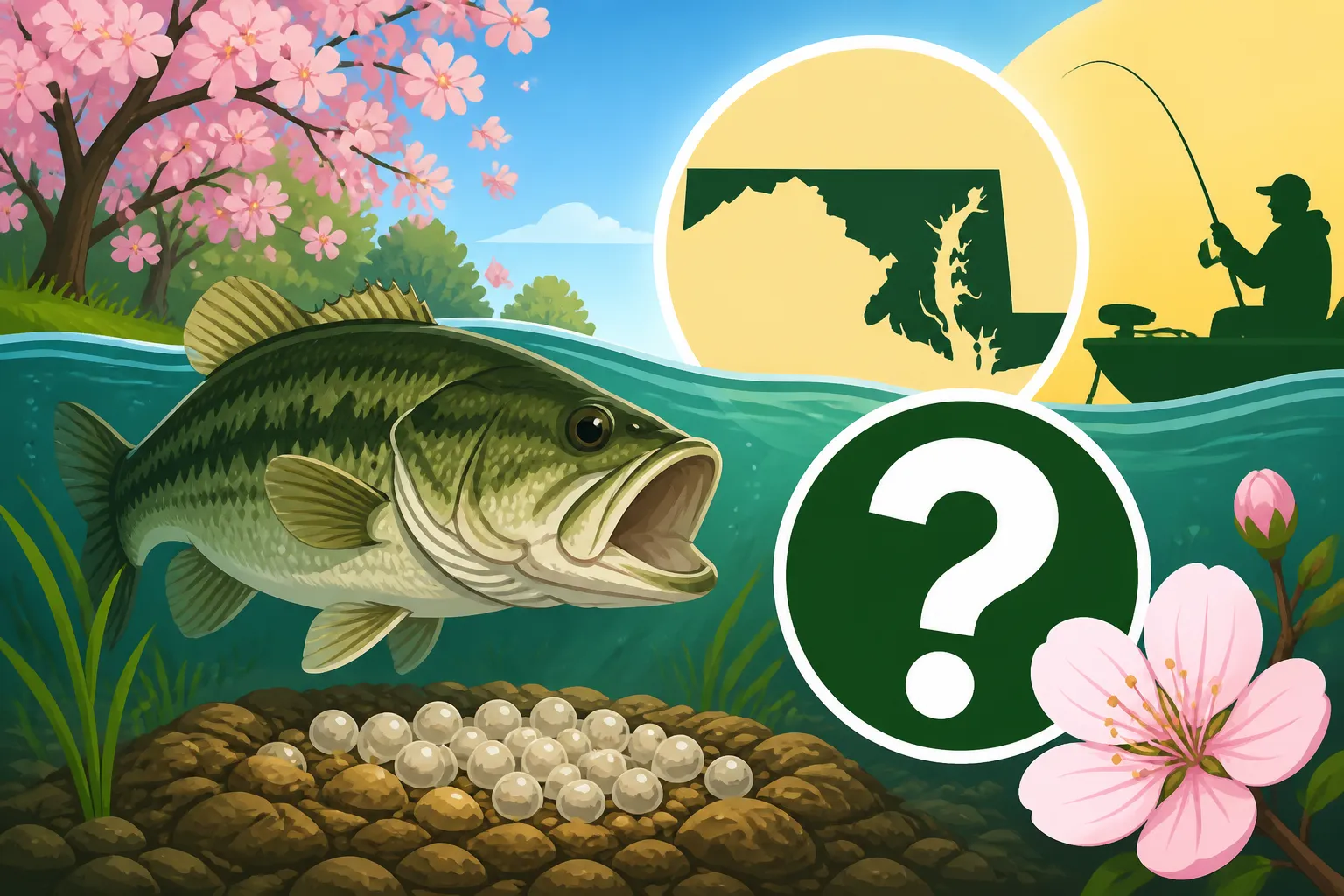
It's a question that often crosses the mind of any Maryland angler staring at their calendar in early spring: "Are the largemouth bass spawning yet?" That anticipation, the desire to time your fishing just right, is a common feeling, because understanding the largemouth bass spawning cycle is absolutely crucial for both successful fishing and responsible angling. This guide is here to shed light on exactly when and how largemouth bass go about their crucial springtime ritual in Maryland waters, helping you plan your trips effectively while also respecting the fish.
Understanding the Largemouth Bass Spawning Cycle in Maryland
The largemouth bass, that iconic green-and-bronze powerhouse, is a beloved gamefish across Maryland's many freshwater lakes, ponds, and slow-moving rivers. Unlike some species that migrate long distances, largemouth bass stick to their home waters, and their entire reproductive process is heavily influenced by local conditions. While "spring" might seem like a straightforward answer, the precise timing and behavior are a bit more nuanced, fluctuating year by year and even lake by lake.
The spawning cycle itself is a fascinating display of nature, driven primarily by instincts that ensure the next generation survives. It’s not just about two fish meeting; it’s a whole process involving specific environmental cues, nest preparation, meticulous egg care, and then the subsequent guarding of the fry. Understanding these stages will not only make you a better angler but also a more conservation-minded one, which is something we all strive for in Maryland.
The Springtime Signal: Water Temperature is Key
For largemouth bass in Maryland, the absolute most critical trigger for spawning is water temperature. It's like an internal alarm clock that tells them, "It's time!" As the days lengthen and the sun gets higher in the sky during spring, the shallow waters in our lakes and ponds begin to warm up. This steady increase in temperature is what kicks off the pre-spawn activities.
Generally, largemouth bass start to think about spawning when the water temperatures consistently hit the mid-50s Fahrenheit, but the real magic number for active spawning usually falls in the range of 60 to 70 degrees Fahrenheit. If we have a mild spring with warm rains and plenty of sunshine, those temperatures can arrive earlier, sometimes even in late April in southern Maryland. Conversely, a colder, drawn-out spring with late frosts might push the peak spawn into late May or even early June, particularly in Western Maryland's cooler waters like Deep Creek Lake. Many anglers carry a simple water thermometer, easily found on Amazon, to check conditions before committing to a spot.
Nest Building and Parental Care
Once the water temperature is right, the male largemouth bass takes on the primary role of nest builder and protector. He'll seek out shallow, protected areas, often with a firm bottom of gravel, sand, or even small roots. Think about those calmer coves, protected points, or even along rip-rap shorelines in your favorite Maryland fishing holes like Loch Raven Reservoir or Liberty Reservoir. He’ll use his tail to fan out a circular depression, clearing away silt and debris to create a clean, visible "bed."
After the nest is prepared, the male bass works to attract a female. Once she deposits her eggs, he fertilizes them and then the real work begins. He'll tirelessly guard the nest against predators like bluegill, perch, and even other bass, fanning the eggs to keep them oxygenated and free of silt. This protective instinct is incredibly strong, making these fish highly aggressive and territorial, which is why they are often easily caught during this period – though, as responsible anglers, we must consider the impact of our actions.
Where and When to Find Spawning Largemouth Bass in Maryland
Pinpointing exactly where and when largemouth bass will spawn in Maryland requires a bit of local knowledge and an understanding of their preferred habitats. While the general "springtime" rule holds, factors like latitude, water body size, depth, and overall spring weather patterns play a significant role. It's never a one-size-fits-all answer for the entire state, from the Eastern Shore to the mountain lakes.
Many anglers eagerly await this period, as the bass are often concentrated and can be quite aggressive. However, it's paramount to approach these fish with respect, understanding that catching them off their nests can sometimes leave the eggs vulnerable to predation. This balance between enjoying the sport and protecting the resource is a continuous conversation among Maryland anglers.
Prime Spawning Habitats Across Maryland
Largemouth bass are highly particular about their spawning sites, opting for locations that offer safety and optimal conditions for their eggs and fry. In Maryland, these prime habitats are typically found in shallow, calm areas that receive plenty of sunlight to warm the water. Look for places like the backs of coves, protected pockets along shorelines, and expansive flats with depths ranging from two to five feet.
These areas often feature submerged vegetation, fallen trees, brush piles, or even artificial structures like old tires or boat docks, which provide crucial cover for the vulnerable eggs and fry. In places like St. Mary's Lake or the numerous farm ponds dotting the landscape, you'll find them gravitating towards lily pads, cattail edges, or areas with dense hydrilla. Even on larger bodies of water, like the reservoirs near Baltimore, bass will seek out the calmest, warmest, and most protected bays or creeks to build their nests. Best Maryland Lakes for Freshwater Fishing gives a good overview of some of these spots.
Seasonal Timelines and Regional Variations
While spring is the general window, the exact peak of the largemouth bass spawn in Maryland varies considerably. In the warmer, southern parts of the state and on the lower Eastern Shore, you might see bass on beds as early as late April, especially after a mild March. As you move north and west, towards the central Maryland reservoirs and up to Deep Creek Lake, the spawn typically happens later.
Central Maryland lakes like Piney Run Reservoir or Triadelphia Reservoir usually experience their peak spawn in mid-May. Up in the cooler Western Maryland mountains, it's not uncommon for the spawn to extend into late May or even early June, depending on how quickly the lake warms up after winter. A sudden cold snap can delay the spawn, causing fish to "pull off" the beds temporarily, only to return when conditions stabilize. Always pay attention to local conditions and reports for the specific water you plan to fish.
Fishing Ethics and Techniques During the Spawn
Fishing for largemouth bass during the spawn is a hot topic among anglers. On one hand, bass are concentrated and often aggressive, making them easier to catch. On the other, disturbing a spawning bass can potentially jeopardize the future of that year's hatch. Many anglers, myself included, lean towards a more ethical approach during this sensitive time, recognizing the importance of conservation for sustained fishing opportunities.
It's a balance, isn't it? We want to enjoy our time on the water, but we also want to ensure that future generations of anglers, and future generations of bass, have the same opportunities. That means sometimes making conscious choices about how and where we fish, especially when the bass are at their most vulnerable.
Respecting the Spawn: Why Angler Responsibility Matters
When largemouth bass are actively spawning, particularly the males guarding their nests, they are incredibly vulnerable. Their primary instinct is to protect their future offspring, often driving them to strike at anything perceived as a threat. While this can make for exciting fishing, repeatedly catching and releasing a nesting male can stress the fish, disrupt its parental duties, and leave the eggs exposed to predators.
Many conservation-minded anglers advocate for minimizing pressure on spawning bass. Some choose to avoid targeting bedding fish altogether, focusing instead on pre-spawn bass in deeper staging areas or post-spawn fish that have moved off their nests. If you do find yourself fishing near beds, consider quicker fights, keeping the fish in the water as much as possible, and handling them gently. The goal is to get them back on their nests as quickly and with as little stress as possible. It's about ensuring the health of the fishery for the long term.
Effective Lures and Presentations Without Disturbing Nests Too Much
If you decide to target bass during the spawn, even with the best intentions, the key is to use tactics that minimize stress and disruption. Instead of casting directly onto a visible bed and agitating a guarding male, try to target fish that might be staging nearby or cruising in and out of spawning areas. Often, "sight fishing" for bass on beds is tempting, but a more subtle approach can be just as effective and less disruptive.
Soft plastics like wacky-rigged Senkos, finesse worms, or small jigs are fantastic choices because they present a natural, non-threatening profile. They can be cast to the edges of cover or quietly pitched into pockets where bass might be moving. A slow retrieve and gentle twitches are often all it takes. For pre-spawn bass moving up or post-spawn bass falling back, a shallow-running crankbait or a bladed jig can be very effective as they become more active. You can find a huge variety of these lures on Amazon, and many local tackle shops in Maryland will also have great selections. Consider barbless hooks, too, as they make for easier, quicker releases, which is especially important during the spawn.
Post-Spawn Behavior and Summer Patterns
Once the spawning ritual is complete, the largemouth bass don't just disappear. They transition into new phases of behavior, driven by recovery from the rigors of spawning and the need to replenish their energy reserves. Understanding this shift is vital for continued success on the water throughout the late spring and into the warmer summer months. If you only focus on the spawn, you'll miss out on some fantastic fishing opportunities!
It's a time of change, and the bass, particularly the males who've spent weeks guarding nests, are often quite hungry. They're done with their parental duties and are now solely focused on feeding, making them prime targets if you know where to look and what to present. Best Time of Day to Catch Largemouth Bass in Maryland is a great resource for understanding these changing patterns.
From Nests to Open Water: The Post-Spawn Transition
After the eggs hatch and the fry disperse, the male bass, having spent considerable energy guarding the nest, will slowly abandon the shallow spawning areas. Both male and female bass typically move to slightly deeper water, often seeking out nearby cover like submerged brush, deeper weed lines, or structure along drop-offs. This is their recovery period, where they will feed heavily to regain strength.
During this post-spawn transition, bass can be somewhat lethargic immediately after leaving the nest, but they quickly become aggressive feeders as their energy returns. They won't be far from their spawning grounds, often just moving to the first available deeper cover. Anglers will find them congregating around submerged points, channel swings, and the deeper edges of flats they used for spawning. This is a great time to target them with a variety of presentations.
Summer Feeding Frenzy: Tactics for Hungry Bass
As water temperatures continue to rise into late spring and early summer, largemouth bass fully transition into their summer patterns. They move from those immediate post-spawn recovery areas into their more established warm-weather haunts. This often means relating to deeper cover, seeking out cooler water, and becoming ambush predators along defined structure. Look for them around main lake points, submerged humps, deep weed edges, and timber.
During this period, bass are actively feeding, sometimes in aggressive "feeding frenzies" during low light hours. Topwater lures can be incredibly exciting at dawn and dusk. During the brighter, hotter parts of the day, pitching jigs, Texas-rigged worms, or deep-diving crankbaits to deeper cover will often entice strikes. Electronic fish finders, especially those with good side-scanning capabilities, can be invaluable for locating these deeper structures. Many anglers also find that searching for a detailed fishing map on Amazon for their specific lake or reservoir can provide crucial insights into where bass will set up during the summer.
Maryland Largemouth Bass Spawning Snapshot
To give you a clearer picture, here's a quick overview of the general largemouth bass spawning patterns in Maryland. Remember, these are averages, and real-world conditions always vary!
| Spawning Phase | Water Temperature Range | Typical Timing in Southern MD | Typical Timing in Central/Western MD | Key Behavior | Angler Focus |
|---|---|---|---|---|---|
| Pre-Spawn | 50-60°F | Mid-April – Early May | Late April – Mid-May | Moving to shallower staging areas, feeding up | Active feeding, reaction baits |
| Peak Spawn | 60-70°F | Early May – Late May | Mid-May – Early June | Nest building, egg deposition, guarding | Subtle presentations, sight fishing (ethically) |
| Post-Spawn | 70°F+ | Late May – Early June | Early June – Mid-June | Recuperating, moving to deeper cover, feeding | Varied baits, targeting edges |
Understanding these general patterns is your first step to unlocking consistent largemouth bass fishing throughout the year in Maryland. Paying attention to water temperatures and local conditions will always be your best bet, and remember to check out resources like Maryland Fishing License Age Requirements and Maryland Fishing License Guide for 2026 to ensure you're always fishing legally! Knowing your Maryland Largemouth Bass Size Limit by Water is also essential for responsible angling. For those keen on trout fishing, don't mix up your licenses; you might need to know about Maryland Trout Stamp Requirements.
Remember, whether you're targeting bass during the spawn or later in the season, careful handling and conservation practices ensure our fantastic Maryland fisheries remain healthy for years to come. Tight lines, everyone!
Disclaimer
This article is for general informational purposes only and does not constitute professional advice. Laws, prices and regulations vary by location and change over time. Consult a qualified professional for guidance on your specific situation.