Best Season for Topwater Bass Fishing in Maryland
Ever feel like you're missing out on those explosive topwater strikes? You know, the kind where a largemouth or smallmouth bass absolutely demolishes your lure right on the surface? It's one of the most exciting ways to fish, but timing is everything, especially here in Maryland. If you've ever cast a perfectly presented popper only to be met with disinterest, you might have been just a little off on the season. This guide is all about helping you nail down the absolute best season for topwater bass fishing in our great state, ensuring you get more of those heart-stopping blow-ups that make bass fishing so thrilling.
The Irresistible Allure of Topwater Bass Fishing in Maryland
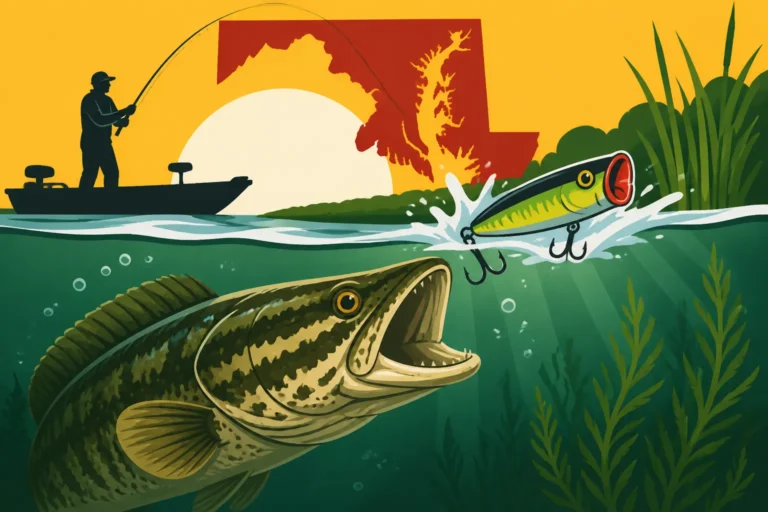
There's something uniquely exhilarating about topwater bass fishing. It’s not just about the catch; it’s about the raw, visual drama of the strike. You’re working your lure, creating just the right gurgle or walk-the-dog action, and then, out of nowhere, the water explodes! It’s an instant adrenaline rush that sets it apart from any other form of bass fishing. This isn’t subtle nibbling; it's an aggressive, commit-or-fail attack that makes your heart pound.
For many anglers, myself included, the decision to throw a topwater lure isn't just about catching fish; it's about the pure joy of the chase. You're actively engaging with the fish in a way that feels incredibly direct and personal. You're challenging them to come up and smash something right off the surface, and when they do, the reward is immense. It's a testament to the predatory instinct of these incredible fish, and it hooks us just as much as it hooks them.
Maryland's diverse waters, from the quiet ponds of the Eastern Shore to the vast reservoirs and sprawling rivers like the Potomac and Susquehanna, offer incredible opportunities for this dynamic fishing style. But, as any seasoned angler knows, bass aren't always looking up. Conditions have to be just right, and that often boils down to the season and the water temperature. Getting this timing down is the secret to unlocking those incredible surface bites.
Pinpointing the Prime Topwater Season for Maryland Bass
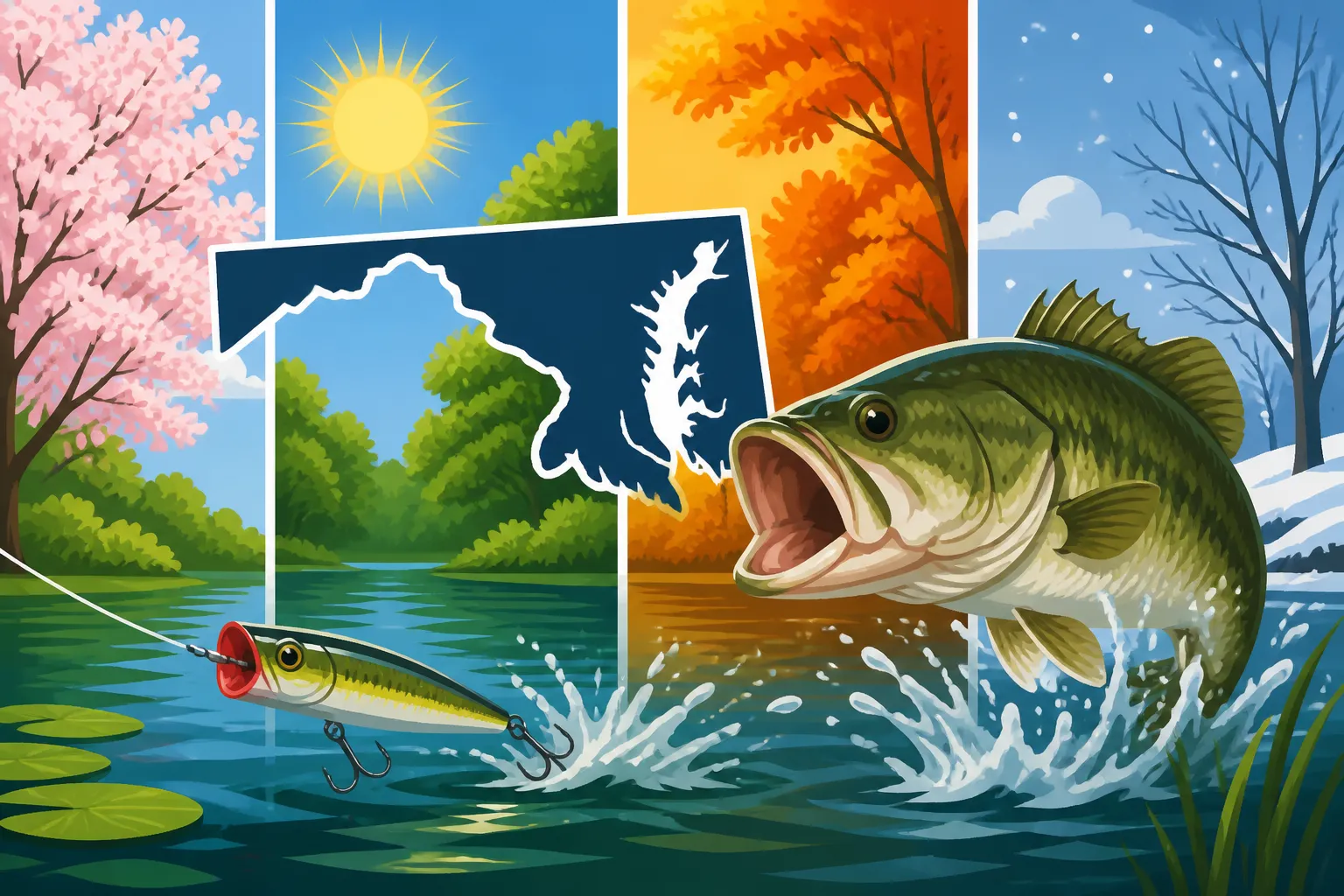
When we talk about the "best season" for topwater bass fishing in Maryland, we're really looking at a window that primarily encompasses late spring, all through summer, and well into the fall. However, within this broad period, certain times offer optimal conditions for those explosive surface strikes you crave. It all boils down to water temperature, bass behavior, and the availability of their prey near the surface.
Late Spring: Post-Spawn Aggression
As Maryland's waters steadily warm into late spring, typically from late April through May, bass are completing their spawning rituals. This is a critical transition period. Once the spawn is over, both largemouth and smallmouth bass enter a post-spawn recovery phase, but they also become incredibly aggressive as they look to replenish their energy reserves. This makes them prime targets for topwater presentations.
During this time, the water temperatures are usually in the sweet spot, ranging from the mid-60s to low 70s Fahrenheit. The bass are often holding near shallow cover like submerged grass, lily pads, or woody debris, particularly around structure in lakes like Loch Raven Reservoir or Liberty Reservoir. They're still somewhat shallow and guarding fry in some cases, making them territorial and willing to strike at anything that invades their space, including a noisy topwater lure. This is a fantastic time for poppers and prop baits, which create commotion and mimic struggling baitfish or even frogs. Consider exploring spots where you know bass have recently spawned, as they won't be far.
Summer: Dawn, Dusk, and Low Light Magic
Summer, from June through August, is undeniably the peak season for consistent topwater action in Maryland. The water is warm, and bass are highly active, but their behavior shifts significantly. During the brightest parts of the day, they'll often retreat to deeper, cooler water or dense cover. However, those magical low-light periods – dawn, dusk, and even cloudy or rainy days – are when topwater truly shines.
Early mornings, right as the sun begins to kiss the horizon, are often the most productive. The water is at its coolest after the night, and bass move into the shallows to feed before the midday heat pushes them back down. The same goes for the evening, as the sun dips and shadows lengthen. These times are perfect for walking baits, buzzbaits, and frog lures, especially when targeting weed lines, docks, and lily pad fields for largemouth bass. For smallmouth bass in rivers like the upper Potomac, look for broken water around submerged rocks and current seams. You can learn more about specific techniques for this time by checking out our guide on Best Season for Topwater Bass Fishing in Maryland. Remember, consistency and stealth are key during summer topwater sessions.
Fall: The Pre-Winter Feeding Frenzy
As summer transitions into fall (September through October), Maryland experiences another fantastic, albeit different, topwater window. As water temperatures begin to drop, bass start their pre-winter feeding frenzy, trying to pack on calories before the colder months. This means they are often less picky and more willing to chase down a meal.
During early fall, you might find bass schooling up and busting bait on the surface, especially in larger reservoirs or wide river sections. Later in the fall, as the water cools further, the topwater bite might slow down, but it can still be potent on warmer, sunny afternoons, particularly in shallow coves that retain heat. Poppers, spook-style walking baits, and even smaller buzzbaits can be incredibly effective. This is a great time to target both largemouth and smallmouth bass, as they become more active in cooler waters. Knowing How Weather Fronts Affect Maryland Bass Fishing can also give you an edge during this unpredictable season.
Key Factors for Maximizing Your Topwater Bites
Beyond just the season, several other factors play a crucial role in whether you'll experience those exhilarating topwater strikes. Paying attention to these details can make a significant difference in your success rate.
Understanding Water Temperature and Bass Metabolism
Water temperature is the ultimate driver of bass activity, especially when it comes to feeding near the surface. Bass are cold-blooded, and their metabolism is directly tied to the water temperature.
- Optimal Range: The ideal water temperature for active topwater bites generally falls between 65°F and 80°F. Within this range, bass are most active, aggressive, and willing to expend energy to chase prey up to the surface.
- Below 60°F: As temperatures dip below 60°F, the topwater bite typically slows dramatically. Bass become more lethargic, conserving energy and preferring slower, subsurface presentations. While you might still get an occasional strike on a very warm, sunny fall afternoon, it's generally not the primary method.
- Above 80°F: When water temperatures soar above 80°F, bass often become stressed. They'll seek refuge in deeper, cooler water or dense, oxygen-rich cover. Topwater action can still be good during early morning or late evening in these conditions, but midday fishing might be tough. This is when understanding What Water Temperature Do Bass Spawn at in Maryland? can help you predict their behavior even outside of the spawn itself, as similar metabolic triggers apply.
Learning to read the water temperature, either with a boat's electronics or a simple handheld thermometer, can be a game-changer for your topwater strategy. It helps you decide not just if to throw topwater, but when and where to focus your efforts.
Choosing the Right Topwater Lures for Maryland Waters
The world of topwater lures is vast, and having a few key types in your tackle box is essential. The choice often depends on the type of cover, the fish's mood, and the time of day. You can find a fantastic selection of all these lures on platforms like Amazon, making it easy to experiment and find what works best for you.
- Poppers: These lures have a cupped face that creates a "pop" or "chug" sound when retrieved, mimicking a struggling baitfish or frog. They're excellent around docks, submerged timber, and lily pads. Their erratic action and audible splash are great for drawing strikes from territorial bass. They are especially effective in low wind conditions where their subtle disturbance is more noticeable.
- Walking Baits (Spooks): Designed to glide from side to side with a "walk-the-dog" action, these lures are incredibly versatile. They can cover a lot of water and draw strikes from aggressive bass over open water, sparse grass, or points. The Heddon Super Spook is a classic, but many brands make excellent variations. The subtle, rhythmic movement can often entice wary bass that might shy away from louder presentations.
- Buzzbaits: Known for their distinctive gurgling and buzzing sound, buzzbaits are retrieved quickly across the surface. They excel at covering water and generating reaction strikes, particularly around laydowns and weed edges. They’re a great choice when bass are actively chasing bait. The metallic propeller blade creates a unique vibration and visual disturbance that predatory bass can't resist.
- Frog Lures: Hollow-bodied frogs are your best friend in heavy cover like thick lily pads, matted grass, and emergent vegetation. Their weedless design allows them to glide over obstacles where other lures would snag. The action mimics a frog swimming or resting on the surface, a natural meal for a hungry bass. Brands like Strike King and SPRO offer a wide range of realistic frog patterns. You'll definitely want to stock up on these from Amazon if you plan to hit those heavily vegetated spots.
- Prop Baits: Featuring propellers on the front and/or back, these lures create a significant commotion and splash. They can be worked slowly or quickly, drawing attention from a distance. They are particularly effective when bass are feeding aggressively on the surface or when you need to call them out of moderate cover.
Experiment with different colors and sizes. Natural baitfish patterns (shad, sunfish) are always a good starting point, but don't be afraid to try bright colors on cloudy days or when the water is stained.
Top Maryland Destinations for Epic Topwater Bass Action
Maryland boasts an array of fantastic waters where topwater bass fishing can be exceptional during the right season. From expansive reservoirs to tidal rivers, there's a spot for every angler looking for that surface bite.
Freshwater Lakes and Reservoirs
Our state's numerous lakes and reservoirs are largemouth bass havens, offering prime topwater opportunities, especially in their shallower, vegetation-rich coves.
- Loch Raven Reservoir: This sprawling reservoir near Baltimore is renowned for its trophy largemouth bass. The abundant shallow cover, including fallen timber and hydrilla, makes it a topwater paradise. Early morning topwater frog fishing around the lily pads can be absolutely phenomenal in summer.
- Liberty Reservoir: Another excellent option, Liberty Reservoir offers clear water and plenty of submerged structure. While it can be challenging, the rewards, particularly for big bass on topwater, are well worth the effort. Focus on creek arms and points with submerged brush during low light.
- Deep Creek Lake: In Western Maryland, Deep Creek Lake is famous for its smallmouth bass. While many focus on deeper techniques, early morning and late evening topwater presentations along rocky shorelines, points, and docks can yield fantastic results for bronzebacks. You can also explore Deep Creek Lake Fishing Guide for Walleye in Maryland for other species.
Tidal Rivers and Estuaries
Maryland's tidal rivers offer a unique topwater experience, with both largemouth and smallmouth bass inhabiting different sections, often in close proximity.
- The Potomac River: From its nontidal upper reaches teeming with smallmouth bass to its tidal sections near Washington D.C., the Potomac is a topwater playground. For smallmouth, focus on rocky riffles and current breaks with walking baits and poppers. In the tidal sections, largemouth bass can be found in the vast grass beds and around cypress trees. Learn more about Fishing the Potomac River in Maryland for overall strategies.
- Susquehanna Flats: During spring and early summer, the Susquehanna Flats are legendary for largemouth bass. The extensive grass beds are perfect for frog lures and buzzbaits. The sheer numbers of bass in this nutrient-rich area make for incredible action. Check out our guide on Fishing the Susquehanna Flats in Maryland for more details.
- Eastern Shore Rivers (Choptank, Nanticoke, Pocomoke): These tidal rivers offer fantastic largemouth bass fishing, particularly in their countless creeks and coves. The abundant shoreline cover, cypress trees, and lily pad fields are tailor-made for topwater frogs and buzzbaits. The consistent stained water conditions often allow for a longer, more productive topwater bite throughout the day compared to clearer waters.
Topwater Lure Comparison for Maryland Bass Fishing
To help you choose the right topwater for the job, here's a quick comparison of popular options and their ideal scenarios. When building your tackle box, consider buying a variety of these from reputable online retailers like Amazon to cover all your bases.
| Lure Type | Best Conditions | Ideal Bass Species | Action/Sound | Best Retrieve Style | Notes |
|---|---|---|---|---|---|
| Popper | Calm water, light breeze, around cover, low light | Largemouth, Smallmouth | "Pop," "Chug," splash, subtle disturbance | Pop-pause-pop, slow retrieve | Excellent for finicky fish, mimicking struggling baitfish. |
| Walking Bait | Open water, sparse cover, clear water, low-moderate wind | Largemouth, Smallmouth | "Walk-the-dog" side-to-side glide, subtle rattle | Consistent rod tip twitch, steady retrieve | Covers water, draws aggressive strikes, versatile. |
| Buzzbait | Heavy cover, stained water, windy conditions, active fish | Largemouth | Loud "buzzing" or "squeaking" propeller, splash | Fast, steady retrieve, just barely on the surface | Great for covering water quickly and generating reaction strikes. |
| Hollow Body Frog | Thick matted grass, lily pads, heavy vegetation | Largemouth | Glides over cover, subtle leg action | Hop-pause, twitch-pause, slow retrieve | Weedless design, mimics frogs, ideal for dense cover. |
| Prop Bait | Open water, sparse cover, moderate wind, aggressive fish | Largemouth, Smallmouth | Loud propeller splash, erratic movement | Stop-and-go, steady retrieve | Combines splash of a popper with a more aggressive, erratic action. |
Practical Tips for Successful Topwater Bass Fishing
Now that you know when and where to throw topwater, let's talk about some practical tips to increase your chances of success. It's not just about having the right lure; it's about the entire presentation.
Stealth and Observation are Paramount
When bass are willing to strike on the surface, they are often in shallow water or just below it, making them more sensitive to disturbances. Approach your fishing spots quietly. Avoid slamming boat hatches, dropping gear, or making loud noises. Use your trolling motor sparingly or drift with the current. Before making your first cast, take a moment to observe the water. Look for signs of baitfish, subtle swirls, or even bass busting on the surface. These visual cues can give away their presence and help you pinpoint prime casting locations.
Pay attention to where you see small minnows jumping or insects landing on the water, as these areas often attract feeding bass. If you're fishing from shore or a kayak, move slowly and deliberately. The element of surprise is a powerful tool in topwater fishing.
Proper Lure Presentation and Retrieve
Once you've chosen your lure, how you work it is just as important as the lure itself. Different topwater lures require different retrieve styles:
- Poppers: Cast them to your target and let them sit for a few seconds. Then, give a sharp twitch of your rod tip to make them "pop." Vary the pauses and the number of pops. Sometimes a single, soft "bloop" is all it takes; other times, a series of aggressive chugs will trigger a strike.
- Walking Baits: This takes practice! Hold your rod tip down, point it at the lure, and twitch your wrist while simultaneously reeling in slack. The goal is a rhythmic, side-to-side sashay. Don't be afraid to experiment with retrieve speed.
- Buzzbaits: As soon as the lure hits the water, start reeling to get the blade spinning and the bait on the surface. Keep it moving steadily. If a bass misses, stop reeling for a second – sometimes the falling lure will trigger a second, more aggressive strike.
- Frog Lures: These are best worked with a series of twitches and pauses, letting them sit seductively on top of heavy cover. When you hit an open pocket, let it pause for a longer moment, then give it a twitch. The key is to make it look like a real frog leisurely swimming or resting.
Remember, bass often follow a lure before striking. Don't pull it away too soon. Let it work its magic all the way back to you, especially if you think a fish might be watching.
The Art of the Hookset
One of the biggest frustrations in topwater fishing is the missed strike. It's common for anglers to set the hook too early, pulling the lure away from the fish before it has a chance to fully engulf it. It's a natural reaction to that explosive surface blow-up, but patience is key.
When you see or hear that splash, resist the urge to react immediately. Instead, count "one Mississippi, two Mississippi" in your head, or simply wait until you feel the weight of the fish on your line. You'll often see the water swirl or the lure disappear before you actually feel the fish. Once you feel that pull, then set the hook with a strong, sweeping motion. This allows the bass to fully turn and get the hooks in its mouth, greatly increasing your hook-up ratio. It can be hard to do, especially with an unexpected blow-up, but trust me, it’s worth the discipline.
Final Thoughts on Maryland's Topwater Bass Fishing Seasons
Topwater bass fishing in Maryland is an experience unlike any other, offering heart-pounding thrills and unforgettable moments. While summer provides the most consistent action, both late spring and early fall offer incredible, distinct opportunities for those explosive surface strikes. By understanding the seasonal nuances, paying close attention to water temperature, and mastering your lure selection and presentation, you'll be well on your way to experiencing the best that Maryland has to offer in terms of topwater excitement. So grab your rods, head out to your favorite Maryland fishing spot, and get ready for some exhilarating topwater action!
Disclaimer
This article is for general informational purposes only and does not constitute professional advice. Laws, prices and regulations vary by location and change over time. Consult a qualified professional for guidance on your specific situation.