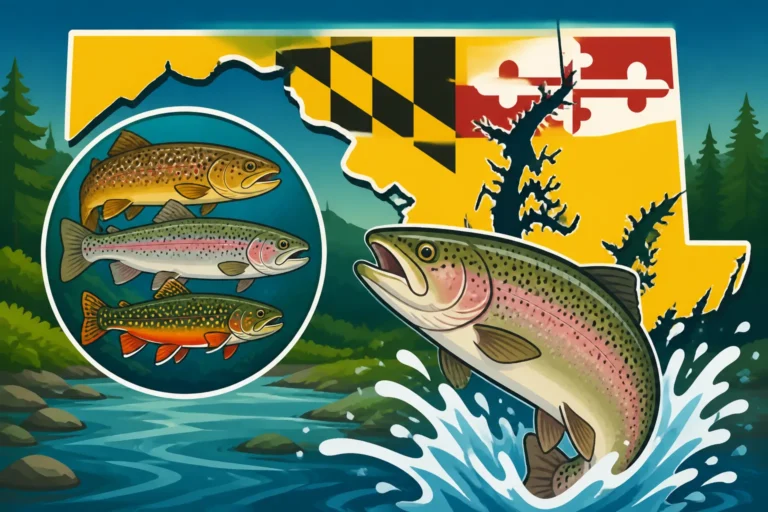
Where Are Maryland’s Wild Brown Trout Populations?
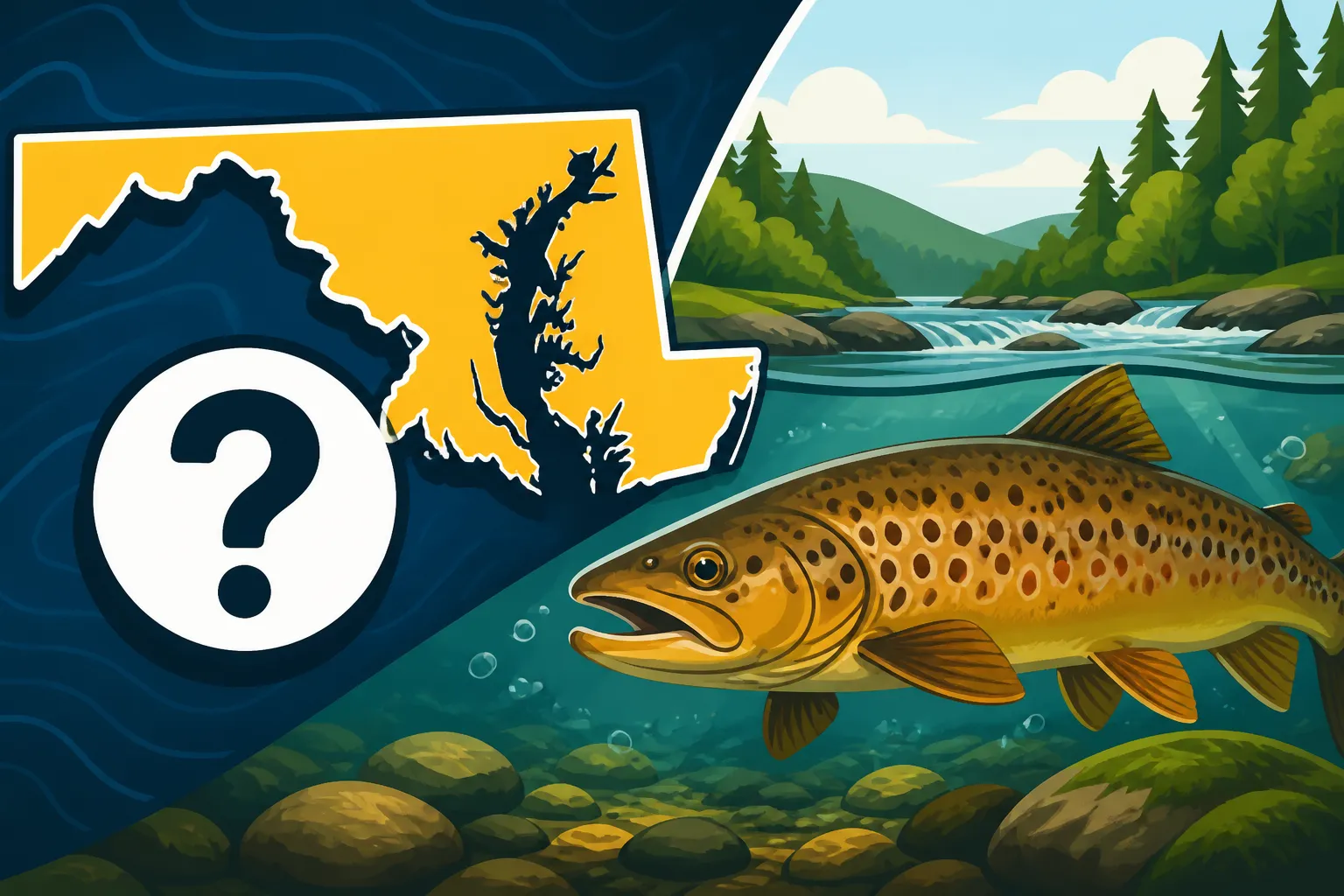
It's easy to fall into the trap of thinking that all trout fishing in Maryland revolves around stocking trucks and "put-and-take" fisheries. Many anglers, even seasoned ones, find themselves wondering if there's truly a place where trout naturally reproduce and thrive, away from hatchery influence. The good news is, for those willing to seek them out, Maryland does indeed harbor wild brown trout populations, but they exist in very specific, often challenging, environments. This guide will take you on a journey to understand where these elusive fish can be found and what makes them such a special, albeit demanding, quarry.
The Allure and Elusiveness of Wild Brown Trout in Maryland
Maryland's fishing landscape is incredibly diverse, from the tidal waters of the Chesapeake Bay to the mountain streams of Western Maryland. For many, trout fishing means following the stocking schedule, heading to a designated "put-and-take" stream, and perhaps keeping a few for dinner. But a whole different world exists for those who yearn for a more primal angling experience: the pursuit of wild brown trout. These fish aren't just bigger or harder to catch; they represent a thriving, self-sustaining ecosystem, a true testament to the health of their environment.
Why Wild Brown Trout Are So Special
Wild brown trout are truly remarkable creatures. Unlike their hatchery-raised counterparts, which are bred for survival in a managed environment, wild trout have adapted over generations to the specific challenges of their native waters. They're naturally wary, keenly aware of their surroundings, and possess an innate fight that often surprises anglers used to more docile stocked fish. Their coloring often reflects their specific habitat, making each fish a unique, vibrant specimen. Catching a wild brown trout feels like unlocking a secret, a reward for patience, skill, and respect for the natural world. It’s a connection to the wildness of Maryland that few other fishing experiences can offer.
What makes them so appealing to dedicated trout anglers? It's the challenge, for one. These fish aren't easily fooled. They live in pristine, often remote, waters, and require a delicate touch and keen observation. Beyond the challenge, there's the aesthetic beauty of these fish, often adorned with brilliant reds and golds, perfectly camouflaged for their stream bed. There's also the satisfaction of knowing you're interacting with a truly wild, self-sustaining population, a symbol of healthy aquatic ecosystems. This isn't just about catching fish; it's about connecting with nature in its purest form.
The Habitat They Call Home
Wild brown trout are incredibly specific about their living conditions. They need cold, clean water with stable temperatures year-round, which is why you'll primarily find them in the headwaters of certain streams and rivers. These waters are often spring-fed, providing a consistent influx of cool water even during the hottest Maryland summers. Think mountain streams with dense canopy cover that provides shade, keeping water temperatures low. The stream beds are typically rocky, offering plenty of nooks and crannies for hiding from predators and strong currents.
Beyond just cold water, wild trout habitats are characterized by high oxygen levels, minimal sedimentation, and a rich invertebrate population for food. Overhanging banks, submerged logs, and boulders create crucial cover and current breaks where trout can rest and ambush prey. These pristine conditions are fragile and susceptible to changes in land use, climate, and pollution. Finding these spots means venturing into areas where development is minimal and natural processes are still largely intact. It’s these very specific environmental demands that limit their populations to certain pockets across Maryland.
Identifying Key Maryland Wild Brown Trout Waters
While Maryland isn't renowned for vast expanses of wild trout water like some western states, it does boast several vital areas where these resilient fish have managed to establish self-sustaining populations. The search for these waters often takes anglers to the rugged, forested landscapes of Western Maryland, where the topography and climate are more conducive to coldwater fisheries. However, there are also some surprises in other regions for those who know where to look and what signs to read.
Western Maryland's Coldwater Havens
When you think of wild trout in Maryland, your mind should immediately drift westward to Garrett and Allegany counties. This region, often referred to as "Mountain Maryland," offers the highest elevations and the densest forests, providing the critical ingredients for coldwater streams. Here, you'll find tributaries flowing into larger river systems like the Savage River, the Youghiogheny River, and even parts of the upper North Branch of the Potomac. These streams often originate from mountain springs, ensuring a continuous supply of frigid, oxygen-rich water. Look for streams with a steep gradient, a bottom composed of rocks and gravel, and extensive forest cover that limits sunlight penetration.
Many of these wild trout streams are small, sometimes barely more than trickles in the summer, yet they hold incredible populations of naturally reproducing brown trout. Access can be challenging, requiring a willingness to hike through dense woods and navigate rugged terrain. It's often in these more remote, harder-to-reach sections that you'll find the healthiest populations, as they receive less angling pressure. Anglers often keep their specific wild trout spots closely guarded secrets, understanding the delicate balance required to maintain these precious fisheries. Remember to check the Maryland Fishing Regulations Guide, Where to Find It for specific rules and special regulations that may apply to these sensitive wild trout waters, such as catch-and-release only sections or gear restrictions.
Lesser-Known Piedmont and Central Maryland Gems
While the bulk of Maryland's wild brown trout populations are concentrated in the western mountains, there are a few surprising exceptions in the Piedmont and even some parts of Central Maryland. These waters are much rarer and typically consist of smaller, spring-fed tributaries or headwater sections of creeks that manage to maintain cold temperatures year-round. These often flow through privately owned land or protected areas, making access even more limited and requiring careful research and permission. They are truly hidden gems, often overlooked by anglers who focus on the more well-known stocked trout streams.
These wild trout streams in the Piedmont and Central Maryland often survive due to unique geological formations that provide consistent cold spring water, or dense riparian buffers that protect them from warming summer temperatures and agricultural runoff. They might not hold the numbers of fish found in the western counties, but the presence of any wild brown trout in these more populated and developed regions is a testament to incredible resilience and vital local conservation efforts. Anglers seeking these spots are often true detectives, studying topographic maps, looking for areas with significant groundwater discharge, and respecting the need for discretion to protect these fragile ecosystems. Occasionally, even sections of larger rivers like the Gunpowder Falls, especially in its headwaters or specific cold-water inputs, can surprise an angler with a wild trout. For those interested in this river, understanding The Most Commonly Caught Fish in Maryland Waters might offer broader context.
| Feature | Wild Brown Trout | Stocked Brown Trout |
|---|---|---|
| Origin | Naturally reproduced in the stream | Raised in a hatchery, then released |
| Appearance | Vibrant, distinctive colors; often darker; intact fins | Paler, sometimes worn fins; uniform appearance |
| Fight | Aggressive, strong, acrobatic | Varies, often less spirited |
| Habitat | Pristine, cold, oxygen-rich waters; natural cover | Wide range of accessible waters; less stringent |
| Diet | Natural insects, small fish, crustaceans | Primarily pellet feed from hatchery; opportunistic |
| Warily | Extremely wary, sensitive to disturbance | Less wary, accustomed to human presence |
| Longevity | Potentially long-lived if conditions allow | Shorter lifespan in the wild, higher mortality |
| Conservation | Crucial for ecological health | Supports recreational fishing opportunities |
Challenges to Wild Brown Trout Survival
The very existence of wild brown trout populations in Maryland is a testament to their hardiness, but it also highlights the delicate balance of their ecosystems. These fish face an array of threats that continually challenge their survival, making their preservation a critical focus for conservationists and responsible anglers alike. Understanding these challenges is the first step in becoming a better steward of these precious resources.
Environmental Threats and Their Impact
Wild brown trout are essentially biological indicators of stream health. They thrive only in the cleanest, coldest, and most undisturbed waters. Unfortunately, many factors in a changing environment put immense pressure on these specific needs. Habitat degradation is a major culprit; activities like deforestation, urbanization, and agricultural runoff can lead to increased sedimentation in streams. This silt smothers the gravel beds where trout lay their eggs, reducing successful reproduction. It also fills in the crucial pools and riffles that provide feeding lies and cover for the fish.
Water temperature is another critical factor. As global temperatures fluctuate, even small increases in stream temperatures can be devastating for coldwater species. Removal of riparian vegetation, which provides shade, exacerbates this problem. Warmer water holds less oxygen and can stress trout to the point of mortality, especially during summer months. Pollution, from chemicals and nutrients entering waterways, further compromises water quality, making it difficult for trout to survive or find adequate food sources. Even something as seemingly benign as too much road salt can impact their environment. This is why understanding Why Maryland Wants Anglers to Kill Invasive Fish is relevant, as invasive species can further disrupt these delicate ecosystems.
Angler Pressure and Conservation Efforts
While environmental changes pose the broadest threats, angler pressure can also impact wild trout populations, particularly in easily accessible areas. Over-harvesting, even inadvertently, from a small, fragile wild trout stream can quickly decimate its numbers. These fish reproduce slowly and are not as resilient to removal as stocked fish. The very appeal of wild trout can lead to their undoing if not managed responsibly.
Thankfully, the Maryland Department of Natural Resources (DNR) and various conservation organizations are keenly aware of these vulnerabilities. They implement specific regulations, such as catch-and-release only sections, barbless hook requirements, and seasonal closures, to protect spawning trout and allow populations to rebound. Many of the wild trout streams are designated as "Natural Trout Waters" or "Special Management Areas," indicating a higher level of protection and more stringent rules. Efforts also include habitat restoration projects, like planting trees along stream banks to provide shade and stabilize soil, and working with landowners to mitigate runoff. Anglers play a crucial role by understanding and adhering to these regulations and supporting conservation initiatives. You might find more details in Maryland Trout Stamp Requirements and Where Maryland's Trout Stamp Money Goes, which highlight funding for these efforts.
Angling for Maryland's Wild Brown Trout
Fishing for wild brown trout is a vastly different experience than targeting their stocked brethren. It demands a heightened sense of awareness, a delicate approach, and a deep respect for the fish and their fragile habitat. If you're looking for a true challenge and an immensely rewarding experience, here's what you need to consider.
Techniques and Tackle for Wily Wild Trout
Wild brown trout are incredibly cautious. They've survived by being wary, so your approach needs to be stealthy. Forget stomping along the bank; you'll need to move slowly, often crouching or crawling, to avoid spooking them. Shadows cast on the water or sudden movements can send them darting for cover. Presentation is key: whether you're fly fishing or using light spinning tackle, your offering must appear natural and drift without drag.
For fly anglers, matching the hatch is paramount. Wild trout feed opportunistically on aquatic insects, so knowing what bugs are active and presenting an imitation with a perfect drift is critical. Small dry flies, nymphs, and emergers are often the most effective. Leaders should be long and tippets fine, typically 5x or 6x, to ensure a natural presentation and avoid detection. For spin fishing, ultra-light gear with light line (2-4 lb test) is essential. Small spinners, spoons, or even tiny soft plastics (like a 1-inch grub on a small jig head) can entice a bite. Think about gear you might find on Amazon that is specifically designed for ultra-light presentations, prioritizing subtle retrieves and small profiles. The key is to make as little disturbance as possible. Reading the water, identifying likely holding spots behind structure or in current seams, and making precise casts are far more important than brute force. Fly Fishing Gear for Maryland Trout Streams delves deeper into specific equipment.
Embracing Catch and Release for Preservation
Given the delicate nature and limited numbers of wild brown trout populations, embracing catch and release is not just a suggestion – it's often a necessity and a fundamental ethical principle. Many wild trout waters are designated as "catch-and-release only" by the Maryland DNR for this very reason, aiming to protect these precious, self-sustaining populations. Even in waters where keeping a fish is technically legal, the responsible angler understands the long-term benefits of releasing these fish to ensure future generations can also experience the thrill of a wild trout.
Practicing proper catch and release techniques is crucial. Use barbless hooks, or crimp down the barbs on your hooks to minimize damage. Landing nets should be rubberized or knotless to protect the fish's slime coat and fins. Minimize handling; try to keep the fish in the water as much as possible, especially during warm weather. If you must handle the fish for a quick photo, wet your hands thoroughly first and support its body weight. Revive the fish gently, holding it facing upstream in a current until it swims away on its own. Every released wild trout has the chance to spawn again, contributing to the health and sustainability of its population. This approach supports the very essence of why these special places exist.
Supporting Wild Trout Conservation in Maryland
The responsibility of preserving Maryland's wild brown trout populations extends beyond just responsible angling. It involves active participation and a commitment to protecting the coldwater ecosystems they depend on. By taking a proactive role, you can contribute significantly to ensuring these elusive fish continue to thrive for years to come.
How Anglers Can Make a Difference
Anglers are often the first line of defense for wild trout waters. Spending time on the stream gives you firsthand knowledge of its condition. If you notice signs of pollution, unusual water temperatures, or illegal fishing activity, reporting it to the Maryland DNR's Fisheries Service is crucial. They rely on citizen observations to monitor and manage these resources effectively. There's even a Maryland Fisheries Complaint and Poaching Hotline you can use. Becoming a member of local conservation groups, such as Trout Unlimited chapters in Maryland, is another powerful way to contribute. These organizations often lead stream cleanup efforts, habitat restoration projects, and advocate for protective legislation.
Beyond direct action, educating fellow anglers about the importance of wild trout and catch-and-release practices helps foster a culture of conservation. Respecting private property, minimizing your footprint, and leaving no trace behind are fundamental tenets of ethical angling that directly benefit sensitive wild trout habitats. Your presence on the water, coupled with responsible actions and advocacy, can create a positive impact far beyond your personal catch. Every small effort adds up to a greater good, ensuring that the magic of Maryland's wild brown trout continues to inspire and challenge anglers for generations.
Disclaimer
This article is for general informational purposes only and does not constitute professional advice. Laws, prices and regulations vary by location and change over time. Consult a qualified professional for guidance on your specific situation.