Do Maryland Ocean Fishing Rules Differ From Bay Rules?
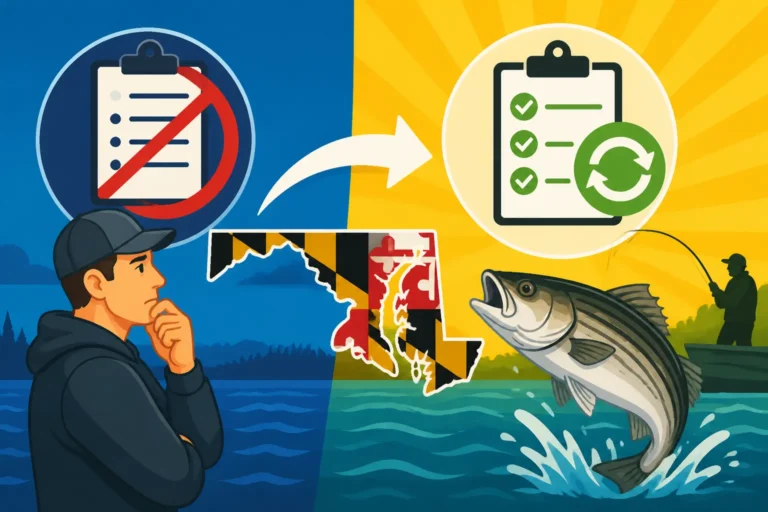
One of the biggest head-scratchers for us anglers here in Maryland is figuring out if the fishing rules are the same everywhere you drop a line. It's a common frustration, especially when you're used to the Chesapeake Bay and suddenly decide to hit up Ocean City, or vice versa. The truth is, assuming uniform regulations can land you in hot water (or just with a lot of confusion!). This comprehensive guide is here to clear up that murky water, explaining precisely how Maryland's ocean fishing rules differ from its Bay rules, so you can fish with confidence, no matter where you cast.
The Fundamental Divide: Tidal vs. Ocean Waters
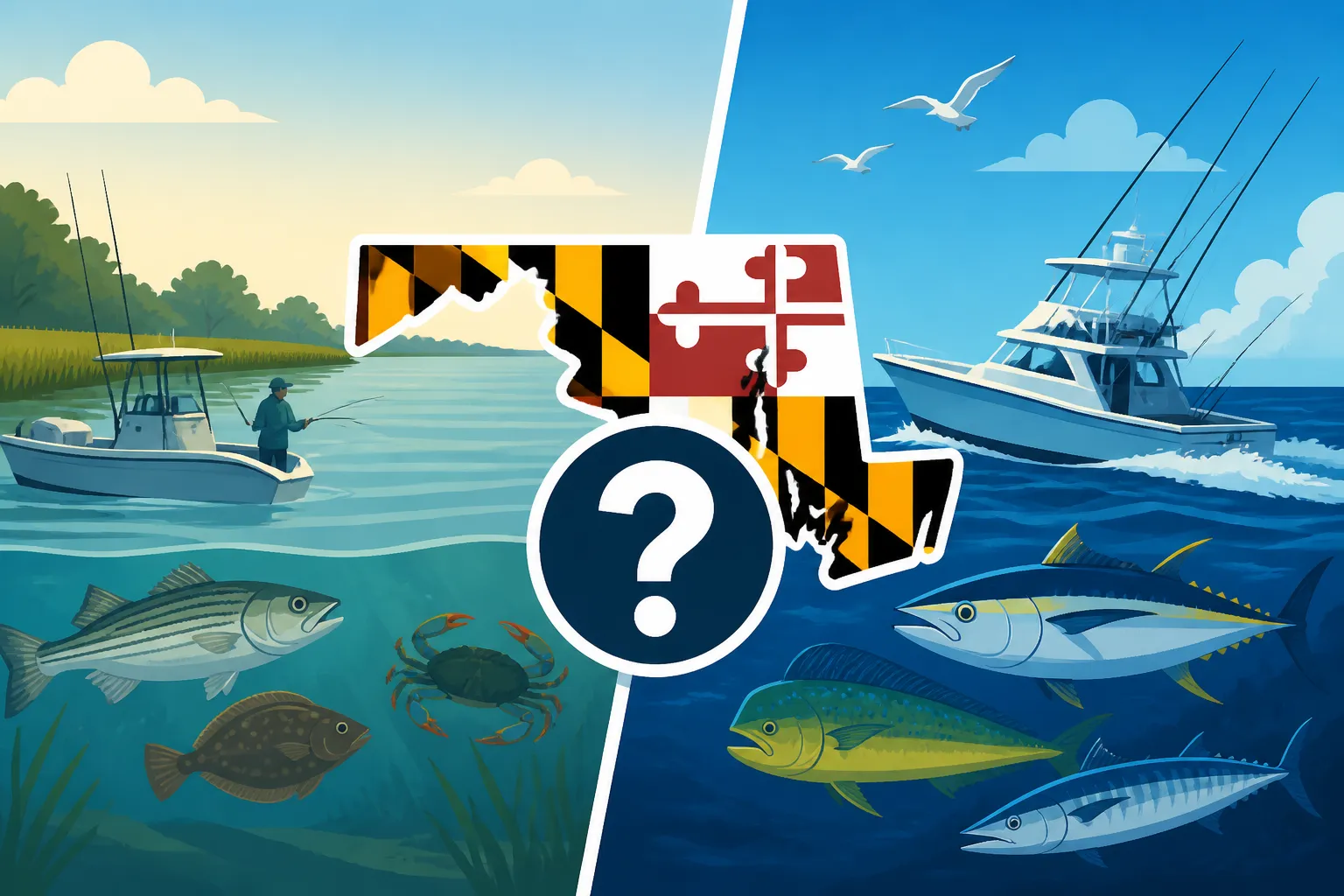
It might seem like all water is just "water," but when it comes to fishing regulations in Maryland, the distinction between tidal waters (like the Chesapeake Bay and its tributaries) and the Atlantic Ocean and its coastal bays is absolutely critical. These aren't just arbitrary lines on a map; they represent different ecosystems, different fish populations, and often, different management strategies.
Understanding Tidal vs. Coastal Jurisdictions
The Chesapeake Bay and its rivers, collectively known as Maryland's tidal waters, are primarily managed by the Maryland Department of Natural Resources (DNR), often in conjunction with other state and federal agencies for migratory species. This vast estuary is a unique environment, a mix of fresh and saltwater, providing crucial spawning and nursery grounds for many species. Its complex network of rivers, creeks, and shallow flats means that regulations need to be incredibly specific to protect these diverse habitats and the fish that rely on them.
On the other hand, the Atlantic Ocean and Maryland's coastal bays (like Assawoman Bay, Isle of Wight Bay, and Sinepuxent Bay) fall under a slightly different regulatory umbrella. While the Maryland DNR still plays a significant role in managing state waters (generally out to three nautical miles from shore), federal agencies like the National Oceanic and Atmospheric Administration (NOAA) Fisheries, and regional management councils such as the Mid-Atlantic Fishery Management Council (MAFMC) and the Atlantic States Marine Fisheries Commission (ASMFC), have substantial influence, especially for offshore species. These bodies often dictate rules for species that migrate along the entire Atlantic coast, leading to regulations that sometimes align with, but often diverge from, those within the protected Bay.
Key Regulatory Bodies
Navigating the various rules can feel like trying to untangle a snarled fishing line after a tough day on the water. For the Chesapeake Bay, the Maryland DNR is your primary source of information. They set the limits, seasons, and gear restrictions for most species found within the Bay and its tributaries. You'll find everything you need in their annual fishing guide. To help with the bigger picture, you'll want to check out the Maryland Fishing License Guide for 2026.
When you venture out to the ocean, you're looking at a multi-layered regulatory system. The Maryland DNR still manages the nearshore waters and certain species, but federal regulations often take precedence for federally managed species further offshore. For instance, species like highly migratory tunas or deep-sea bottom dwellers are almost exclusively managed by federal guidelines. It’s always a good idea to consult the Maryland DNR website as your first stop, but be prepared to follow links or seek out federal guidelines if you're targeting offshore giants.
Species-Specific Differences: What You'll Find Where
The most significant difference between fishing in the Chesapeake Bay and the Atlantic Ocean is, naturally, the fish themselves! While some species, like the iconic striped bass (rockfish in Maryland), traverse both environments, many others are distinctly "Bay fish" or "Ocean fish." This dictates vastly different approaches to conservation and, consequently, very different rules.
Common Bay Species and Their Rules
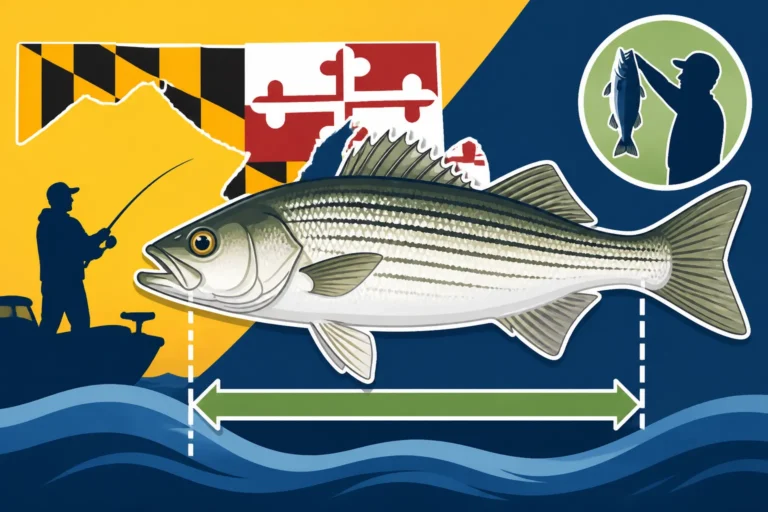
The Chesapeake Bay is renowned for its striped bass, white perch, blue catfish, and various panfish like crappie and yellow perch. For striped bass, often known as "rockfish," the Bay has specific slot limits and seasons that are carefully managed to protect spawning populations in the tributaries and juveniles throughout the main stem of the Bay. You'll find comprehensive details in the article on Maryland Striped Bass Season and Rockfish Rules. These rules can be incredibly precise, even closing certain spawning rivers during critical times of the year.
White perch are another Bay staple, offering fantastic light-tackle action. While typically very generous, their daily creel limits and seasonal patterns are unique to the Bay's ecosystem. Similarly, invasive species like the blue catfish, prevalent in many Bay tributaries, have specific rules aimed at encouraging their harvest, often with no possession limits, to help protect native species. Understanding these nuances is key to a successful and legal Bay fishing trip. You can also explore the full scope of Maryland Fishing Size and Catch Limits by Species for all popular species.
Ocean and Coastal Species and Their Rules
When you head to Ocean City or Assateague Island, you're entering a different world of species and regulations. Here, you'll encounter species like flounder, tautog, black sea bass, red drum, and various sharks, as well as highly migratory species like tuna and dolphin (mahi-mahi) further offshore. The Maryland Flounder Size Limit, for example, might be slightly different for ocean waters compared to what you'd find in the back bays or even within the Chesapeake, reflecting different population dynamics and management goals.
Consider black sea bass: their season and size limits are often dictated by regional federal councils, meaning they can change year-to-year or even mid-season, and are usually specific to coastal waters. The rules for Maryland Black Sea Bass Season and Limit are typically distinct from Bay species. Furthermore, specific rules apply to sharks, including species-specific harvest regulations and often mandatory catch-and-release practices for protected species. If you're planning a trip to the coast, diving into an Ocean City Maryland Fishing Guide is highly recommended to prepare for these differences.
Migratory Fish and Overlapping Regulations
The most confusing aspect can be migratory species that spend time in both the Bay and the ocean. Striped bass are the quintessential example. They spawn in the Bay's freshwater tributaries, grow up in the Bay, and then many migrate out into the Atlantic Ocean, returning to the Bay to spawn. Because of this, regulations for striped bass might differ depending on whether you're fishing in the Bay, the coastal bays, or the open ocean.
For example, the size slot and daily bag limits for striped bass could be different for anglers fishing in the Chesapeake Bay versus those fishing in the Atlantic Ocean or its coastal bays. The Maryland DNR works with federal partners and other states through the Atlantic States Marine Fisheries Commission (ASMFC) to manage these shared stocks, aiming for consistent conservation efforts across their range. This means you always need to double-check the specific rules for the body of water you're fishing, even for the same species. It's not uncommon for anglers to consult their favorite fishing apps, often found on platforms like Amazon, that consolidate these regulations for easy access.
Gear, Methods, and General Rules
Beyond the fish themselves, the methods and gear you can use, as well as the fundamental requirements like licensing, also vary between the Bay and the Ocean. These differences are often tied to the types of fish targeted, the environment, and the scale of fishing operations.
Licensing Requirements for Each Zone
This is a big one, and a source of much confusion. Generally, a single Maryland fishing license covers you for most tidal and nontidal waters within the state, but there are crucial distinctions, especially when it comes to the Chesapeake Bay and the Atlantic Ocean. For instance, a basic Maryland Consolidated Sport Fishing License will cover you for both the Chesapeake Bay and the coastal bays and ocean waters within Maryland's jurisdiction. However, it's vital to confirm if you need additional stamps or permits.
For instance, while a general license covers basic rod and reel fishing, there are specific requirements for a Maryland Chesapeake Bay Sport Fishing License Explained, which is typically a specific type or endorsement. Additionally, if you're fishing from a boat that is carrying passengers for hire, a Maryland charter boat license covers everyone on board, meaning individual anglers usually don't need their own license. However, if you're heading out on your own boat, you need to ensure your license covers the specific waters. Also, remember that a Maryland Saltwater Angler Registration Requirements is generally needed for recreational saltwater fishing, even if no license fee is charged. This is critical for data collection. You can often purchase and manage your licenses and registrations online via the DNR website or through authorized retailers.
Here's a quick overview of common license needs:
| Fishing Location | Common License Type | Additional Endorsements/Stamps Needed? | Federal Registration Required? |
|---|---|---|---|
| Chesapeake Bay | Resident/Nonresident Bay & Coastal Sport Fish License | None for basic rod/reel | Yes (MD Saltwater Angler Reg.) |
| Ocean City (State Waters) | Resident/Nonresident Bay & Coastal Sport Fish License | None for basic rod/reel | Yes (MD Saltwater Angler Reg.) |
| Offshore (Federal Waters) | Resident/Nonresident Bay & Coastal Sport Fish License | Varies by target species (e.g., highly migratory species require federal permits) | Yes (MD Saltwater Angler Reg., plus federal permits if applicable) |
| Piers/Shore Access | Resident/Nonresident Bay & Coastal Sport Fish License (often exempt for licensed public piers or on free fishing days) | Usually none, check specific pier rules. | Yes (MD Saltwater Angler Reg. if not exempt) |
Note: This table provides a general overview. Always check current Maryland DNR regulations for precise details, as rules can change annually.
Tackle and Method Restrictions
The type of tackle and methods allowed can also differ. For example, while chumming for striped bass is a popular and legal technique in certain areas of the Chesapeake Bay (with specific guidelines), the rules for chumming in ocean waters might be different or more restrictive, especially for certain species or within specific distances from shore. Similarly, the use of certain types of gear, such as gill nets or trotlines for crabs, is strictly regulated and often requires commercial licenses, not recreational ones, with distinct rules for tidal vs. coastal areas.
Barbless hook requirements are another area where differences can emerge, particularly in designated catch-and-release areas or for specific species within the Bay's trout streams. While not as common in general saltwater fishing, it's always worth checking the latest Maryland's DNR Fishing and Boating Guide, Explained, to ensure your gear complies with all current regulations. Many experienced anglers invest in a variety of rods, reels, and tackle boxes, often sourced from reputable online retailers like Amazon, to ensure they're prepared for any scenario, whether it's heavy-duty offshore trolling or light-tackle Bay fishing.
Practical Implications for Anglers
Understanding these distinctions isn't just about avoiding fines; it's about maximizing your enjoyment, being a responsible angler, and contributing to the health of Maryland's diverse fisheries. A little planning goes a long way.
Planning Your Trip: Bay or Ocean?
Before you even load up your gear, decide whether you're heading to the Bay or the ocean. This choice immediately narrows down the regulations you need to focus on. If you're a freshwater enthusiast moving into saltwater, or vice versa, remember that the environment dictates more than just the fish species. Water conditions, tides, boat requirements, and safety considerations can also vary significantly.
For instance, the calm, protected waters of the Chesapeake Bay might be ideal for a family outing with smaller boats or kayaks, while the open ocean demands more robust vessels and a keen eye on weather forecasts. Knowing your target species will also direct you. If you're dreaming of trophy rockfish, the Bay might be your best bet during specific seasons. If it's tuna or mahi-mahi, you're definitely heading offshore from Ocean City. Consider what type of experience you're after and then research the specific spot, which could be anything from Fishing Sandy Point State Park in the Bay to Surf Fishing at Assateague Island National Seashore on the coast.
How to Stay Informed About Regulations
Regulations change. It's a fact of life for anglers. Fish populations fluctuate, scientific assessments provide new data, and management strategies adapt. The Maryland DNR is generally excellent at communicating these changes through their website, social media channels, and annual fishing guides. Subscribing to their email alerts is a smart move for any dedicated Maryland angler.
Always consult the most recent fishing guide or visit the Maryland DNR website before each season, or even before a specific trip if you haven't fished those waters recently. If you have any doubts, a quick call to a local tackle shop can often provide invaluable, up-to-the-minute information. They're on the water constantly and know the local rules inside and out. Don't be shy about asking questions! It's far better to ask than to unknowingly violate a regulation and face penalties. You can also look for up-to-date fishing guides and rulebooks on platforms like Amazon, ensuring you have the latest information at your fingertips.
Disclaimer
Please note that fishing regulations, including licensing requirements, size limits, creel limits, and seasonal closures, are subject to change. This guide provides general information based on current knowledge but should not be considered legal advice. Always consult the official Maryland Department of Natural Resources (DNR) website and the most recent Maryland Fishing Guide before engaging in any fishing activities to ensure compliance with all applicable rules and regulations.