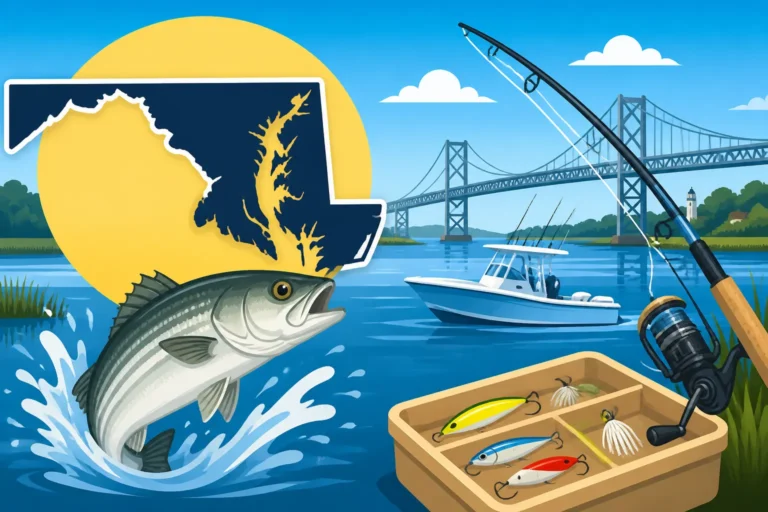
Can You Target Striped Bass in Maryland in August?
Oh, the age-old question that plagues so many Maryland anglers as the summer heats up: "Can I finally get out there and chase some rockfish in August?" It's a completely understandable thought. You see those beautiful striped bass (our beloved rockfish!) jumping, feeding, and just begging to be caught. But then you remember the ever-changing, sometimes confusing, Maryland fishing regulations, and a wave of uncertainty washes over you. You don't want to break the rules, but you also don't want to miss out.
Well, let's cut to the chase and clear the waters a bit. The short answer to whether you can target striped bass in Maryland in August is: it's complicated, but generally no, you cannot harvest striped bass in Maryland's Chesapeake Bay and its tributaries during August, and even catch-and-release comes with significant caveats and strong recommendations for responsible angling. This guide will walk you through the nuances of Maryland's August striped bass rules, explain why they're in place, and offer advice on how to be a responsible angler during this critical month, whether you're incidentally catching them or choosing to target other species.
The Reality of Maryland's August Striped Bass Rules
Maryland's Department of Natural Resources (DNR) implements specific regulations each year to protect our striped bass population, and these often include closures during periods of high vulnerability. August falls squarely into one of these critical periods for the Chesapeake Bay.
Understanding the Statewide Harvest Closure
For many years, and continuing into the foreseeable future (always check the most current Maryland DNR fishing guide, as regulations can shift!), the month of August has typically been a closed season for the harvest of striped bass in Maryland's portion of the Chesapeake Bay and its tidal tributaries. This means that if you catch a striped bass in these waters during August, you are legally obligated to release it immediately, regardless of its size. Keeping even one is a violation.
The reason for this closure is rooted in conservation. August in Maryland's Bay is synonymous with brutally hot water temperatures. When striped bass are caught and fought in these warm waters, they experience immense physiological stress. Even fish that appear to swim away strongly after release can suffer from delayed mortality due to lactic acid buildup, oxygen deprivation, and overall exhaustion. By closing the harvest season, the DNR aims to reduce fishing pressure and minimize the number of fish that succumb to these post-release stresses, helping to protect the long-term health of the stock. It can be incredibly frustrating to hook into a gorgeous striper only to know you have to let it go, but understanding the biological reasons behind the rule can help put it into perspective. For a deeper dive into the overall regulations, check out our guide on the Maryland Striped Bass Season and Rockfish Rules.
Catch and Release is Permitted, With Strict Rules
Now, this is where the nuance comes in. While you cannot keep striped bass in the Chesapeake Bay during August, fishing for them on a catch and release basis is often technically permitted. However, and this is a huge however, it comes with extremely strict guidelines and a strong recommendation to consider if it's truly worth the risk to the fish. The goal is to minimize harm.
Maryland DNR mandates the use of circle hooks when fishing for striped bass with natural bait (like peeler crab, bunker, or live spot) in the Chesapeake Bay and its tributaries. This regulation is crucial year-round, but especially so during warm water periods. Circle hooks are designed to hook fish in the corner of the mouth, dramatically reducing gut-hooking, which is often fatal. Furthermore, anglers are strongly encouraged to use barbless hooks or crimp down the barbs on their lures to facilitate quicker, less damaging releases.
The general sentiment among conservation-minded anglers and the DNR during August is to avoid targeting striped bass if possible, or at least to adopt every possible measure to ensure a healthy release if an incidental catch occurs. The mortality rate for released fish can be significantly higher in summer. If you do choose to fish for other species in areas where striped bass are present, be prepared for an incidental catch and know exactly how to release them responsibly. Our article on Maryland Catch and Release Rules During Closed Seasons has more details on best practices.
Best Practices for Catch and Release in Warm August Waters
If you find yourself in a situation where you're targeting other species and a striped bass ends up on your line in August, or if the regulations for a specific year allow for intentional catch and release, adhering to best practices is paramount. The difference between a released fish swimming away to survive another day and one that perishes later often comes down to how you handle it.
Gear and Techniques for Responsible Angling
Minimizing the fight time and ensuring a quick, clean release is the name of the game in August.
- Circle Hooks are Non-Negotiable (with bait): When using natural bait, circle hooks are mandatory. They do the work for you by self-setting in the fish's mouth as it swims away, reducing the chance of a deep hook-up. You can find a wide variety of inline circle hooks on platforms like Amazon that comply with regulations. Make sure they are inline circle hooks, meaning the point is parallel to the shank, not offset.
- Consider Barbless Hooks: For lures, simply crimping down the barb with pliers can make a massive difference in how easily and quickly you can remove the hook. Less struggle, less damage, less time out of the water.
- Use Appropriately Sized Tackle: While you might enjoy the challenge of light tackle, using gear that is too light can prolong the fight, exhausting the fish to the point of no return. Use a rod and reel combination that can subdue the fish relatively quickly, without breaking its spirit. A medium-heavy setup is usually a good bet for most Bay stripers.
- Minimize Fight Time: As soon as you hook a fish, try to bring it in as efficiently as possible. Don't play with it unnecessarily.
- Hydrate Yourself and Plan for the Heat: Fishing in August means hot weather for you too. Stay hydrated and plan your trips for cooler parts of the day if possible, like early morning or late evening, which can also be better for fish activity.
Handling Fish with Care
The moment of truth: once the fish is alongside the boat or at the shore, its survival depends on your actions.
- Keep the Fish in the Water: This is the golden rule for summer catch and release. If you can unhook the fish without removing it from the water, do so. This maintains its protective slime coat and keeps oxygen flowing over its gills. Long-nose pliers or a de-hooking tool are your best friends here. You can often find affordable and effective de-hookers on Amazon.
- Wet Your Hands: If you must handle the fish, wet your hands thoroughly first. Dry hands can remove the fish's crucial slime coat, making it vulnerable to infection.
- Support the Fish Horizontally: If you lift a larger striped bass out of the water for a quick photo, support its body horizontally with two hands – one under the belly and one gripping the lip (if using a lip gripper). Never hold it vertically by the jaw alone, as this can severely damage its internal organs and spine.
- Avoid Contact with Rough Surfaces: Don't let the fish flop around on a hot deck, rocky shore, or sandy beach. This strips away its slime and can cause physical injury.
- Revive the Fish: Once unhooked, gently hold the fish in the water, facing into the current or moving it slowly back and forth to push water over its gills. Don't let go until it actively tries to swim away from your grasp. This could take a minute or two, especially for a larger, more exhausted fish.
- Cut the Line (if necessary): If a fish is deeply hooked and you can't easily remove the hook without causing more damage, it's often better to simply cut the line as close to the hook as possible. The hook will usually corrode and fall out over time, and this is far less stressful than a prolonged removal attempt.
Where and How to Target Other Species During the August Closure
While striped bass fishing might be restricted in August, Maryland offers a fantastic array of other species that provide excellent sport and table fare, often thriving in the warmer summer months. This is a perfect opportunity to broaden your angling horizons!
Expanding Your Angling Horizons
Don't let the striped bass closure get you down. Maryland's waters are teeming with other exciting fish.
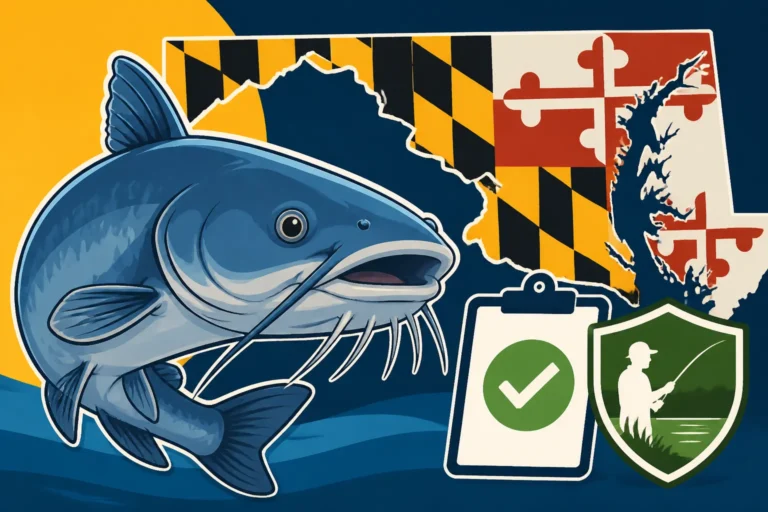
- Blue Catfish: These invasive giants are abundant in many of Maryland's tidal rivers, especially the Potomac, Patuxent, and Nanticoke. There's no size or creel limit on blue catfish, and the DNR encourages anglers to remove as many as possible. They fight hard, grow huge, and are absolutely delicious. Targeting them with cut bait on a bottom rig is a blast, and you can load up your cooler for a fantastic meal. Learn more about How to Catch Blue Catfish in the Potomac River.
- Northern Snakehead: Another invasive species, the northern snakehead offers an incredibly exciting topwater bite in shallow, vegetated areas of rivers like the Potomac and many Eastern Shore tributaries. Like blue catfish, there's no limit, and anglers are encouraged to remove them. Catching one on a frog lure is an unforgettable experience! Check out our guide on Techniques for Catching Snakehead in Maryland for tips.
- White Perch: These feisty panfish are abundant throughout the Chesapeake Bay and its tributaries in August. They offer consistent action and are fantastic eating. Light tackle with small lures, grass shrimp, or bloodworms will keep you busy. This is perfect for family fishing trips. You can easily find small jigs and sabiki rigs on Amazon for targeting perch.
- Flounder: If you're heading to the coast, flounder fishing in the back bays around Ocean City can be excellent in August. Drifting with minnows, squid, or Gulp! artificial baits can yield a delicious dinner. Be sure to check the current Maryland Flounder Size Limit before you go.
- Largemouth and Smallmouth Bass: Maryland's freshwater lakes, ponds, and non-tidal rivers offer fantastic bass fishing opportunities throughout August. Lakes like Deep Creek Lake, Loch Raven, and Liberty Reservoir hold impressive largemouth, while the upper Potomac River is renowned for its smallmouth bass. Topwater lures, jigs, and crankbaits can be highly effective.
Alternative Fishing Locations
Diversifying your fishing spots can lead to new adventures and successful trips during the August striped bass closure.
- Potomac River: Beyond Washington D.C., the tidal Potomac is a hotspot for blue catfish and northern snakehead. Many access points and boat ramps are available from Fort Washington to Fletcher's Cove.
- Eastern Shore Tributaries: Rivers like the Nanticoke, Choptank, Chester, and Patuxent are great for white perch, blue catfish, and often hold snakeheads in their shallower, grassier sections.
- Ocean City Back Bays: For flounder, croaker, and even some small bluefish, the network of bays behind Ocean City provides calmer waters and plenty of action.
- Deep Creek Lake: Located in Western Maryland, this large freshwater lake is a prime destination for largemouth bass, smallmouth bass, walleye, and yellow perch, offering a completely different fishing experience away from the Bay's regulations. It's truly one of the Best Places to Fish in Maryland for a diverse freshwater experience.
- Public Piers and Shoreline Access: Many public piers and parks along the Bay and its rivers are excellent for targeting white perch and catfish with simple bottom rigs.
Remember that while fishing for other species, you might still encounter an incidental striped bass. Always have your release tools handy and be prepared to perform a quick, safe release according to DNR guidelines, even when you're not specifically targeting them. Knowledge of the Maryland Fishing License Guide for 2026 is, of course, essential regardless of what species you pursue.
Here's a quick overview of what's generally in play for August fishing in Maryland:
| Species | Chesapeake Bay Harvest in August? | Recommended Gear (August) | Best Practices |
|---|---|---|---|
| Striped Bass | NO (Catch & Release only, with extreme care) | Circle hooks (bait), barbless hooks (lures), heavy tackle | Minimize fight, keep in water, revive fully |
| Blue Catfish | YES (No limit, encouraged to keep) | Bottom rigs, cut bait (e.g., bunker, perch) | Target abundant populations, excellent eating |
| Northern Snakehead | YES (No limit, encouraged to keep) | Topwater frogs, weedless jigs, chatterbaits | Focus on shallow, vegetated areas, exciting fight |
| White Perch | YES (Generous daily limits) | Small jigs, Sabiki rigs, bloodworms, grass shrimp | Great for light tackle, consistent action, delicious |
| Flounder | YES (Check current size limits) | Minnows, squid, Gulp! on flounder rigs | Focus on Ocean City back bays, drift fishing |
| Largemouth/Smallmouth Bass | YES (Check specific waterbody rules) | Topwater lures, jigs, crankbaits, soft plastics | Freshwater lakes & rivers, fantastic sport fishing |
Disclaimer
This article is for general informational purposes only and does not constitute professional advice. Laws, prices and regulations vary by location and change over time. Consult a qualified professional for guidance on your specific situation.