Best Trolling Speed for Chesapeake Bay Striped Bass
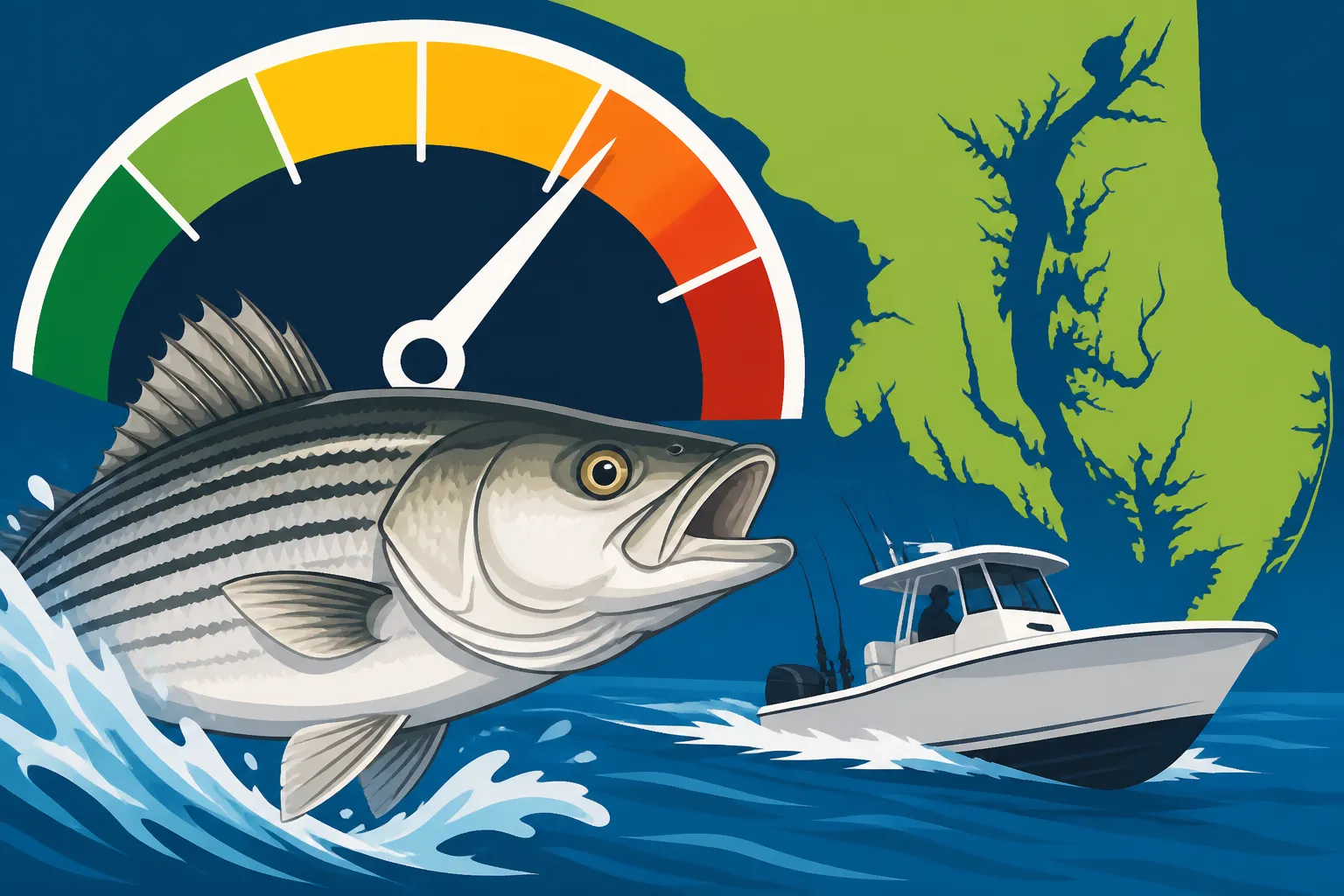
One of the biggest head-scratchers for us anglers hitting the vast waters of the Chesapeake Bay is figuring out that elusive "just right" trolling speed for striped bass. It can feel like a guessing game, driving you nuts as you wonder if you're too fast, too slow, or just wasting gas. This guide is here to untangle that mystery, giving you the solid strategies and insights you need to dial in your trolling speed and significantly boost your chances of landing those prized rockfish.
Understanding Why Trolling Speed Matters for Chesapeake Bay Striped Bass
It might seem like a minor detail, but your trolling speed is actually one of the most critical variables in successful striped bass fishing on the Chesapeake Bay. It’s not just about covering water; it’s about presenting your offerings in a way that actively entices a bite. Too fast, and your lures might look unnatural or blow out of the water. Too slow, and they might lack the action needed to grab a fish’s attention.
Mimicking Baitfish Movement
Think about the natural prey of striped bass in the Bay: bunker (menhaden), spot, croaker, and various herring species. These baitfish aren't always moving at a uniform, leisurely pace. Sometimes they're cruising calmly, sometimes they're darting frantically, fleeing a predator or feeding themselves. Your trolling speed directly dictates how well your artificial lures mimic these natural movements.
If you’re trying to imitate a school of calm, unhurried baitfish, a slower, steady troll makes perfect sense. The lures will have a more subtle swim, appearing less threatening and easier to intercept. Conversely, if you’re trying to suggest a panicked baitfish scattering from a lurking predator, a faster speed with more erratic lure action can be incredibly effective. Striped bass are opportunistic predators, and a wounded or fleeing baitfish presents an irresistible target. This understanding is key to unlocking more bites, especially when you consider different times of year and the overall activity levels of the fish. When you are out on the water, try to observe what the natural baitfish are doing. Are they balled up and moving slowly, or are they jumping and splashing? That observation is your first clue.
Lure Presentation and Action
Every lure, from a simple bucktail to a complex umbrella rig, is designed to perform optimally within a specific speed range. If you troll too fast, a bucktail might spin uncontrollably, or a soft plastic might wash out and lose its natural swimming motion. On the flip side, if your speed is too slow, a diving plug might not reach its intended depth, or an umbrella rig might just drag lifelessly rather than creating a dynamic school effect.
Consider the mechanics: A spoon needs a certain water flow over its surface to wobble and flash enticingly. A Mojo rig, with its heavy head and soft plastic tail, often benefits from slower speeds to allow its skirt to pulsate naturally. When you're working with larger offerings, like a big bunker-imitating plug, the right speed ensures that the lure achieves its designed swimming action – a subtle wobble, a pronounced side-to-side sashay, or a tight vibration. Experimenting with different lures and paying attention to their action at varying speeds is crucial. Many experienced anglers will often dangle a lure next to the boat before deploying it, just to see how it moves at their current speed. You can find a vast array of lures on online retailers like Amazon, and it's always worth reading reviews to see what speeds other anglers find effective for specific lure types.
Water Conditions and Current
The Chesapeake Bay is a tidal estuary, which means currents are constantly changing. Your boat’s speed over ground (measured by your GPS) isn't necessarily the same as your boat’s speed through water (what the lures actually experience). If you’re trolling with a strong current, your ground speed might be, say, 4 mph, but your actual speed through the water could be much less. If you’re trolling against the current, the opposite is true.
This distinction is vital because it's the speed through water that dictates your lure's action. A strong current can make your lures appear to be moving faster than your boat’s ground speed, or conversely, cause them to hang almost motionless if you’re fighting against it. Always monitor your boat’s speed over ground with your GPS, but also pay attention to how your lures are behaving. Adjust your throttle to compensate for current, ensuring your lures maintain their desired action. This constant adjustment is part of the art of trolling and will directly impact your success, especially when targeting fish that are actively feeding in specific current breaks or channels. Understanding How Tides Affect Fishing in Maryland's Chesapeake Bay is a fundamental skill for any Bay angler.
Optimal Trolling Speed Ranges for Striped Bass
There's no single "magic" number for trolling speed, as it fluctuates based on conditions, time of year, and what the fish are doing. However, experienced Bay anglers have established general ranges that serve as excellent starting points.
Slower Speeds for Cooler Water and Finicky Fish
When the water temperatures are cooler, typically in late fall, winter, and early spring, or when striped bass are less aggressive, a slower trolling speed often yields better results. This range usually falls between 2 to 3 mph.
In cooler water, fish metabolisms slow down. They're less inclined to chase down a fast-moving meal and prefer an easier target. A slower presentation allows them more time to inspect the lure and make a decision to strike. It’s also effective when fish are schooled up tight or holding close to structure, as it keeps your lures in the strike zone longer. Lures like heavy Mojos, parachute rigs, and even some deep-diving plugs excel at these slower speeds, as they maintain their action without being overworked. This technique is often fruitful during the Winter Catch and Release Striped Bass Season when fish are lethargic but still present.
Moderate Speeds for Active Fish and Standard Baits
This is often considered the "sweet spot" for many Chesapeake Bay striped bass trolling scenarios and is generally the most common starting point. A range of 3 to 5 mph typically works well for a wide variety of conditions and lures.
At these moderate speeds, most bucktails, spoons, and umbrella rigs exhibit excellent action, mimicking actively feeding baitfish without appearing unnatural. It's a versatile speed that allows you to cover water efficiently while still providing an enticing presentation. This range is particularly effective during the spring and fall trophy seasons when striped bass are actively feeding and migrating. If you're running a mixed spread of lures, this mid-range speed often allows many different offerings to perform well simultaneously. It's a great all-around speed to start with when you're unsure, and then adjust from there based on bites or lack thereof. Many seasoned captains operating Maryland Chesapeake Bay Fishing Charters, What to Expect will begin their day in this speed range.
Faster Speeds for Searching and Aggressive Bites
Sometimes, you need to kick it up a notch, especially when fish are widely scattered, aggressively chasing bait, or when you're trying to cover a lot of ground quickly to locate active schools. Speeds of 5 to 7 mph, and occasionally even higher, can be incredibly effective.
These faster speeds are fantastic for creating a reaction strike, particularly with lures that are designed to be retrieved quickly, like some shallow-running plugs or lighter spoons that flash rapidly. When striped bass are in a "blitz" mode, actively herding and busting bait on the surface, a fast-trolled lure can be just the ticket to mimic an escaping baitfish. This can also be a good strategy for covering large areas of open water to find where the schools are congregating, particularly during the Best Time of Year to Fish in Maryland when fish are on the move. Just be mindful that at these speeds, some lures may blow out of the water or lose their proper action, so it’s essential to observe your spread closely.
Here’s a quick table to summarize these general speed guidelines:
| Trolling Speed Range (MPH) | Typical Water Conditions/Fish Behavior | Recommended Lure Types | Key Considerations |
|---|---|---|---|
| 2 – 3 mph | Cold water, finicky fish, tight schools | Mojos, Parachutes, Deep-Diving Plugs, Eels | Allows fish more time to strike, good for deep presentations. |
| 3 – 5 mph | Active fish, general conditions, searching | Bucktails, Spoons, Umbrella Rigs, Medium Plugs | Versatile, covers water efficiently, good for most standard lures. |
| 5 – 7+ mph | Scattered fish, aggressive feeding, locating schools | Fast-running Plugs, Light Spoons, Chasers, Surface Lures | Creates reaction strikes, covers large areas quickly, monitor lure blow-out. |
Factors Influencing Your Ideal Trolling Speed on the Bay
While the general speed ranges are a great starting point, a truly successful troller understands that there's a dynamic interplay of factors that will constantly adjust that "ideal" speed.
Type of Lure and Tackle
As we touched on earlier, the lure itself is a primary determinant of optimal trolling speed. A heavy spoon, like a Drone spoon, might need a bit more speed to get its signature flutter, while a large, heavy Mojo rig with a soft plastic curly tail might perform best at slower speeds where its skirt can undulate naturally. Trolling Bucktails for Maryland Striped Bass often involves finding that sweet spot where the bucktail swims enticingly without spinning.
Consider your entire tackle setup. Are you using heavy lead core line or light braid? Heavy tackle can handle more speed and larger lures, while lighter setups might be more prone to tangles or line twist at higher speeds. Umbrella rigs, designed to mimic a school of baitfish, often have a broader effective speed range, but you still want each component to swim correctly. For example, the smaller shad on a well-rigged umbrella should flutter realistically, not just get dragged along. Investing in a good selection of different lure types, easily found on Amazon or at local tackle shops, will give you more flexibility to adapt your spread to various speeds and conditions.
Depth and Water Temperature
Striped bass are highly sensitive to water temperature and will move to find their preferred range. In colder water, they tend to be deeper and more lethargic, requiring slower presentations. During the warmer months, especially in summer, they might retreat to deeper, cooler waters during the day but become more active and willing to chase in shallower areas during low light conditions or when the water temperatures are more favorable.
When fish are deep, you'll often need slower speeds to allow your lures to reach and maintain that depth, especially with diving plugs or weighted presentations. As the water warms, you might find fish higher in the water column and more willing to chase faster-moving baits. This is particularly true during Summer Fishing Patterns on Maryland's Chesapeake Bay when surface temperatures can soar. Always check the current water temperature readings from your fishfinder or external gauge to get an idea of the bass's likely activity level and depth preference.
Baitfish Presence and Activity
"Match the hatch" is a common adage, and it applies perfectly to trolling. Observe what baitfish are in the area and how they’re behaving. If you see schools of bunker moving slowly, you might want to present a larger, slower-moving lure. If you encounter smaller, faster-moving bait like silversides or anchovies being chased, a faster troll with smaller, more erratic lures might be the ticket.
Sonar is invaluable here. If your fishfinder shows dense schools of baitfish, pay attention to how they are oriented and moving. Are they balled up? Are they scattered? Your trolling speed should ideally complement the activity level of the bait you're trying to imitate. Predators key into the most vulnerable prey, so a lure that appears to be struggling or fleeing at the right speed will often get the strike. When planning your trips, understanding What Do Striped Bass Eat in the Chesapeake Bay? can give you a significant advantage.
Current and Wind Conditions
This is where many anglers get tripped up. As mentioned, your GPS speed (speed over ground) isn't the whole story. You need to consider how currents and wind affect your boat’s actual speed through the water.
- Trolling with the current: Your ground speed will be higher than your actual lure speed. You'll need to throttle back to keep your lures from washing out or losing action.
- Trolling against the current: Your ground speed will be lower than your actual lure speed. You'll need to increase your throttle to ensure your lures are getting enough water flow to work properly.
- Cross current: Trolling across a strong current can cause your lines to bow, making it difficult to maintain depth and presentation. You might need to adjust your course or vary your speed to compensate.
- Wind: Strong winds can push your boat around, especially lighter vessels, making it difficult to maintain a consistent speed and course. Using an autopilot can be a lifesaver in these conditions, helping you stay on track and maintain your desired speed through the water.
A good rule of thumb is to mentally (or even physically) adjust your target speed by the speed of the current. For example, if you want a 4 mph lure speed and you're fighting a 1 mph current, you'll need to maintain a 5 mph ground speed. If you're going with the 1 mph current, you'd only need a 3 mph ground speed to achieve that 4 mph lure speed.
Practical Tips for Dialing In Your Trolling Speed on the Bay
Knowing the theories is one thing, but putting them into practice on the vast, dynamic Chesapeake Bay is another. Here are some actionable tips to help you fine-tune your trolling speed for maximum success.
Using GPS and Speed Indicators
Gone are the days of guessing your speed based on engine RPMs alone. Modern electronics are your best friend here. Your boat’s GPS provides crucial speed over ground (SOG) data, which is your consistent baseline. However, for a more accurate reading of your speed through water, consider a dedicated paddlewheel speed sensor. These sensors measure the flow of water past your hull, giving you a better indication of how your lures are performing, especially in strong currents.
Many fishfinders and chartplotters, even entry-level models available on Amazon, come integrated with GPS, making speed monitoring straightforward. Keep an eye on that number, and make small, deliberate adjustments to your throttle. Don't be afraid to jot down notes in a logbook—what speed worked, what lures were deployed, and what the water conditions were like. This historical data becomes invaluable for future trips. For those interested in deeper insights into navigation and safety, consulting Maryland's DNR Fishing and Boating Guide, Explained can provide additional useful information.
Observation and Experimentation
The best anglers are also the best observers. Watch your rod tips closely. Are they vibrating smoothly, indicating good lure action? Or are they jerking erratically, suggesting a lure is blowing out or fouled? Pay attention to your lines—do they look clean in the water, or are they bowing excessively due to current?
Don't be afraid to experiment. If you’re not getting bites at 4 mph, try bumping it up to 4.5 mph for 15-20 minutes. If still nothing, drop it back to 3.5 mph. Sometimes, even a half-mile-per-hour adjustment can make all the difference. When you do get a bite, note the exact speed you were trolling at, the lure, the depth, and the direction relative to the current. This information is gold! Remember, every day on the Bay is a little different, and what worked yesterday might not work today. Be flexible, be patient, and keep tweaking until you find that pattern. This iterative process is a core component of all Maryland Striped Bass Fishing Techniques.
Spreading Your Spread for Varying Speeds
A smart strategy, especially when you're still figuring out the optimal speed, is to deploy a diverse spread of lures that perform well at slightly different speeds. This increases your chances of hitting the right presentation. For example, you might run a heavy Mojo rig designed for slower speeds on an inside line, a versatile bucktail on a middle line, and a faster-running spoon or shallow plug on an outside line.
This "staggered" approach allows you to cover a broader range of effective speeds simultaneously. If one particular lure starts getting all the bites, you've found a crucial piece of the puzzle. You can then adjust your speed to optimize for that lure or switch other lines to similar presentations. A well-designed spread also helps prevent tangles, especially when deploying multiple lines from rod holders. Consider the Maryland Two-Pole Endorsement to maximize your fishing potential and run more lines if permitted.
The Importance of a Speed Control Device
Maintaining a consistent trolling speed, especially in choppy water or strong currents, can be tiring and difficult if you're constantly manually adjusting the throttle. This is where an autopilot or a precise throttle control system becomes invaluable.
An autopilot system, often integrated with your GPS, can hold your boat on a precise course and speed, even in challenging conditions. This frees you up to focus on your spread, watch for fish, and react to bites. If a full autopilot isn't in your budget, many modern outboard engines feature digital throttle controls that allow for very fine adjustments and can help you maintain a steadier speed. Consistency is key when you're trying to identify a pattern, and a reliable speed control device helps remove one more variable from the equation, allowing you to focus on the fish. While less common for trolling, exploring different Jigging Techniques for Maryland's Chesapeake Bay Striped Bass also benefits from precise boat control, especially when drifting over structure.
Disclaimer
Please note that fishing regulations, including catch limits, size restrictions, and seasons, can change frequently in Maryland. Always consult the latest official Maryland Department of Natural Resources (DNR) guidelines before heading out on the water. This guide provides general information and best practices based on current understanding and common techniques.