Booking a Charter for the Spring Trophy Season
There's nothing quite like the thrill of chasing a true trophy striped bass in the Chesapeake Bay, especially when spring rolls around. But for many, the idea of navigating the complex regulations, prime fishing spots, and specialized gear for Maryland's spring trophy season can feel a bit overwhelming. This guide is designed to demystify the process of booking a charter, ensuring you're well-prepared for an incredible experience targeting those magnificent rockfish.
Understanding Maryland's Spring Trophy Season
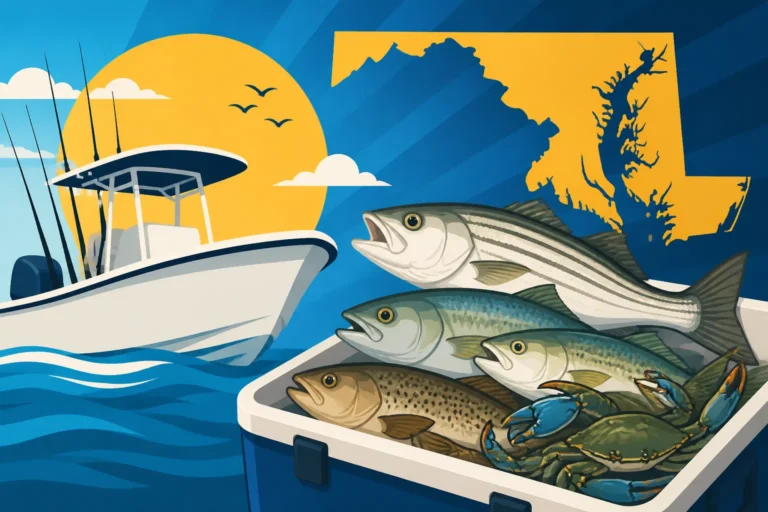
The spring trophy season in Maryland is a highly anticipated event for anglers, drawing people from all over to the Chesapeake Bay. It's a unique window of opportunity where the potential for catching a truly massive striped bass—often referred to as rockfish here in Maryland—is at its peak. This isn't just any fishing trip; it's a dedicated pursuit of large, mature fish.
What Makes it "Trophy" Season?
The term "trophy" isn't just a marketing buzzword; it refers to a specific period when very large, mature striped bass migrate up the Chesapeake Bay to spawn. These are the big mamas, the grand old fish that can stretch over 40 inches and weigh upwards of 30, 40, or even 50 pounds. This season is specifically structured around their natural migration patterns, allowing anglers a chance to target these impressive specimens before they disperse.
The season typically kicks off in early to mid-May and runs for a limited time, usually a few weeks. The exact dates and regulations, including specific size limits and bag limits, are set by the Maryland Department of Natural Resources (DNR) each year, often in response to scientific assessments of the striped bass population. It's crucial for any angler, or anyone booking a charter, to be aware of Maryland Striped Bass Season and Rockfish Rules before heading out. The excitement is palpable as anglers know this is their best shot at a true behemoth.
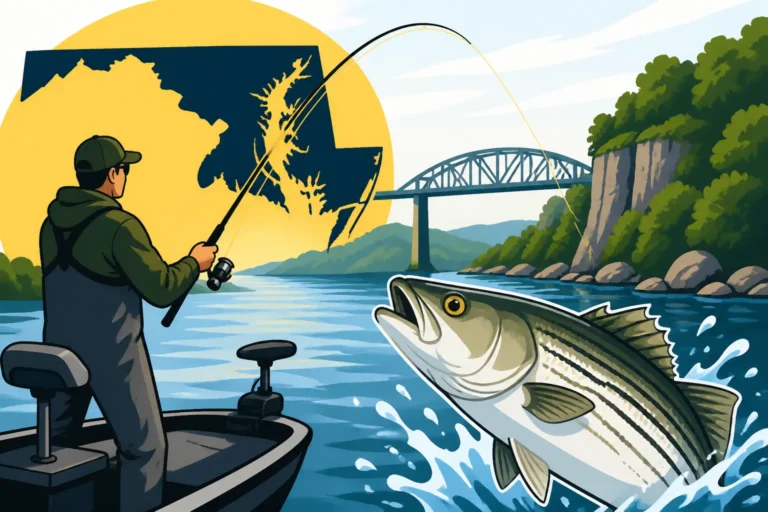
The allure of trophy season isn't just the size of the fish, but the challenge they present. These are powerful creatures, and battling one can be an unforgettable experience. Many anglers come purely for the catch-and-release photo opportunity with a truly giant fish, while others aim to fill their single allowed slot for a memorable meal.
Prime Fishing Zones During Spring
During the spring trophy season, the large striped bass are making their way to the spawning grounds, primarily in the upper Chesapeake Bay and its major tributaries. This means that areas like the mouth of the Susquehanna River, the main stem of the upper Bay, and the lower sections of rivers like the Choptank, Patuxent, and Potomac become hotbeds of activity. These waters provide the deeper channels and ample forage that the migrating fish seek.
Charter captains are intimately familiar with these migratory routes and preferred holding areas. They know that current seams, channel edges, and specific underwater structures will concentrate these fish. For example, fishing near the Bay Bridge pilings can be incredibly productive, as big fish often hold around these structures during their migration. The deeper waters around buoys and channel markers in the central and upper Bay also tend to be prime territory.
It's not just about where the fish are, but also where the baitfish are. Huge schools of bunker (menhaden), herring, and other baitfish provide a crucial food source for these migrating giants. Charter captains often use their extensive knowledge and sonar equipment to locate these bait schools, knowing that the trophy rockfish won't be far behind. If you're looking for more general information on fishing these waters, check out Fishing Maryland's Chesapeake Bay, A Complete Guide.
Regulatory Considerations
Maryland's spring trophy season is strictly regulated to protect the striped bass population, particularly the large spawning females. The specific rules regarding minimum size, slot limits, and daily bag limits are usually more restrictive than during other times of the year. For instance, you might be allowed to keep only one fish per person, and it must fall within a very specific size range, such as 19 to 24 inches, or perhaps a larger minimum size during the trophy season itself. It's really important to understand that Maryland Rockfish Slot Limit Explained.
These regulations are put in place to ensure the sustainability of this iconic species. Anglers and charter captains are keenly aware of the importance of conservation. Often, trophy season fishing involves a lot of catch-and-release, especially for fish outside the legal slot or if an angler has already kept their one fish. Proper fish handling techniques are critical to ensure the released fish have the best chance of survival.
Beyond the catch limits, there might also be specific rules about types of bait, hooks (e.g., circle hooks being mandatory to reduce gut-hooking), or even designated no-fishing zones near sensitive spawning areas. A reputable charter captain will always be up-to-date on the latest DNR regulations and will ensure everyone on board adheres to them. You might also want to read up on Maryland Fishing Size and Catch Limits by Species to get a broader perspective.
Why a Charter for Spring Trophy Season?
While it might be tempting to head out in your own boat, booking a charter for Maryland's spring trophy season offers significant advantages, especially when you're targeting those elusive monster striped bass. It's an investment that often pays off in knowledge, experience, and ultimately, success.
Expertise and Equipment Advantage
Charter captains are not just boat drivers; they are seasoned professionals with years, often decades, of experience on the Chesapeake Bay. They live and breathe fishing, and their livelihoods depend on putting clients on fish. This means they possess an unparalleled understanding of local waters, current patterns, tides, and, most importantly, where the trophy rockfish are likely to be found during this specific, limited season.
Beyond their expertise, charters come fully equipped with high-end gear that most recreational anglers simply don't have. We're talking about heavy-duty rods and reels capable of handling massive striped bass, specialized trolling setups with planer boards and downriggers, top-of-the-line sonar and GPS systems to locate fish and structure, and plenty of fresh bait. They also carry all the necessary safety equipment and are licensed and insured, providing peace of mind. Trying to replicate this level of gear and navigational knowledge on your own for a few weeks a year is simply impractical for most.
Think of it this way: you're not just paying for a boat ride; you're paying for a guided experience with someone who has done their homework, scouted the waters, and invested in the tools needed to maximize your chances. Their knowledge often extends to Maryland Striped Bass Fishing Techniques, ensuring you're using the most effective methods.
Maximizing Your Chances
The spring trophy season is short, and the weather can be unpredictable. When you only have a limited window, you want every moment on the water to count. A charter captain eliminates much of the guesswork and wasted time that an amateur angler might encounter. They know the best departure times based on tides and feeding patterns, they know which areas are producing fish, and they can quickly adapt their strategy if conditions change.
For instance, if a particular trolling spread isn't getting bites, a good captain will swiftly change lures, depths, or even move to a different location without hesitation. They understand that every minute is precious. This efficiency is invaluable when targeting fish that can be spread out across vast areas of the Bay. You avoid the frustration of spending half your day searching or using ineffective techniques, greatly increasing your odds of hooking into a trophy.
Furthermore, these captains are often part of a network, sharing real-time information with other reputable charter boats (within reason, of course!). This means they have an even broader understanding of where the fish are biting across different sections of the Bay, giving you an edge that a solo angler simply can't match.
Safety and Comfort
Safety on the water is paramount, especially when dealing with the unpredictable conditions of the Chesapeake Bay in spring. Charter boats are commercial vessels that are regularly inspected by the Coast Guard and maintained to rigorous standards. Your captain is not only an experienced mariner but also holds the appropriate licenses, meaning they are trained in navigation, emergency procedures, and first aid.
Beyond safety, a charter provides a level of comfort that can make the day more enjoyable, especially for groups or families. Many charter boats offer enclosed cabins for shelter from wind or rain, private heads (restrooms), and ample deck space. This is a huge benefit when you're out on the water for several hours, sometimes battling chilly spring temperatures or an unexpected shower.
For those who aren't seasoned sailors or who want to focus solely on the fishing experience without worrying about navigation, boat maintenance, or emergency preparedness, a charter is the ideal choice. You can relax, enjoy the scenery, and concentrate on landing that trophy rockfish, knowing you're in capable hands. If you're wondering about general charter expectations, you might find Maryland Chesapeake Bay Fishing Charters, What to Expect helpful.
Key Factors When Booking Your Spring Trophy Charter
Booking a charter for Maryland's spring trophy season isn't something you do on a whim. To ensure you have the best possible experience and a real shot at those big rockfish, a little planning and research go a long way.
Timing Your Trip
The spring trophy season is typically a limited window, often spanning just a few weeks in May. Within that window, certain days might be more productive than others. Weather, tides, and fish migration patterns are all crucial. While your captain will ultimately make the final call on where and when to fish, understanding the general patterns can help you schedule your trip.
For example, many seasoned anglers swear by fishing around the tide changes, particularly the slack tide periods or the beginning of a strong current. This is when baitfish can become disoriented or concentrated, making them easier targets for large striped bass. Moreover, conditions like overcast skies or a slight chop on the water can sometimes encourage trophy rockfish to be more active. You might want to consider Best Time of Day to Fish Maryland's Chesapeake Bay when coordinating with your captain.
Because this season is so popular and so short, prime dates fill up incredibly fast. If you wait until the last minute, you might find all the best charters are already booked. It's highly advisable to book your trip months in advance, especially if you have specific dates in mind.
Choosing the Right Charter Boat
Selecting the right charter boat and captain is perhaps the most critical decision. Not all charters are created equal, and some specialize more in certain types of fishing or cater to different group sizes. Here are a few things to consider:
- Reputation and Experience: Look for captains with a proven track record during trophy season. Online reviews (platforms like FishingBooker are excellent for this), testimonials, and word-of-mouth recommendations are invaluable. An experienced captain will know the nuances of the Bay and have the right strategies for trophy rockfish.
- Boat Size and Amenities: Consider your group size and comfort needs. Are you a small group of avid anglers, or a family with kids who might appreciate an enclosed cabin or a private head? Make sure the boat is appropriate for the number of people in your party. Maryland Charter Boat Costs Explained can help you compare options based on size and duration.
- Target Species and Techniques: While the focus is trophy striped bass, confirm that the charter primarily targets them during this specific season. Ask about their preferred techniques – are they heavy into trolling, or do they also employ live-lining or jigging if conditions warrant? Most trophy season charters will be trolling large baits or lures.
- Inclusivity: What does the charter provide? Rods, reels, tackle, bait, and often the necessary fishing licenses for everyone on board are standard. Confirm this beforehand to avoid any surprises. You can often find a good selection of reputable charters by searching platforms like FishingBooker, which provides detailed listings and angler reviews.
Understanding Pricing and What's Included
Charter prices can vary significantly based on boat size, duration of the trip (half-day vs. full-day), time of year, and the number of passengers. The spring trophy season is considered prime time, so expect prices to reflect this high demand.
Generally, you'll pay a flat rate for the boat, not per person, though there might be a maximum number of passengers included in that rate. Most charters will cover all fishing gear, bait, and typically a blanket fishing license for everyone on board, meaning you don't need your individual Maryland Fishing License Guide for 2026. However, it's always wise to confirm this detail.
What's typically not included is gratuity for the mate (a customary 15-20% of the trip cost is standard if they did a good job), and your food and drinks. Some charters may offer fish cleaning services for an additional fee, or it might be included; clarify this upfront if keeping your catch is important. Understanding What's Included in a Maryland Charter Fishing Price is key to setting your budget and expectations.
The Booking Process
Booking early is crucial for the spring trophy season. Many popular charters are fully booked months in advance, especially for weekend dates.
- Research: Use resources like local tackle shop recommendations, fishing forums, and online booking platforms such as FishingBooker to find reputable captains. Read reviews to get a sense of other anglers' experiences.
- Contact: Reach out to a few different captains to check availability, discuss their approach to trophy season, and confirm pricing and what's included. This is a great opportunity to gauge their personality and experience.
- Deposit and Contract: Most charters require a deposit to secure your date. Be sure to understand their cancellation policy, especially regarding weather. Maryland weather in spring can be fickle, so knowing the procedure if the trip needs to be rescheduled or canceled due to unsafe conditions is important.
- Confirm: A few days before your trip, touch base with the captain to confirm details, get a weather update, and reconfirm the meeting point and time. This ensures everyone is on the same page. You can often find contact information and booking specifics for various captains through platforms that list Maryland Chesapeake Bay Fishing Charters, What to Expect.
Preparing for Your Spring Trophy Charter
You've booked your trip, the anticipation is building, and now it's time to get ready for the big day. Proper preparation ensures you're comfortable, safe, and ready to make the most of your spring trophy striped bass adventure.
What to Bring
Even with a fully equipped charter, there are some essentials you'll want to bring along to make your day on the water enjoyable and productive.
- Clothing: Maryland spring weather can be highly variable. Dress in layers! It can be chilly in the early morning, warm up significantly by midday, and then cool down quickly if the wind picks up. Waterproof outer layers (jacket and pants) are a must, as spray from waves or an unexpected rain shower can make you miserable if you're not prepared. Don't forget a hat and polarized sunglasses to cut the glare off the water, which helps in spotting fish or bait.
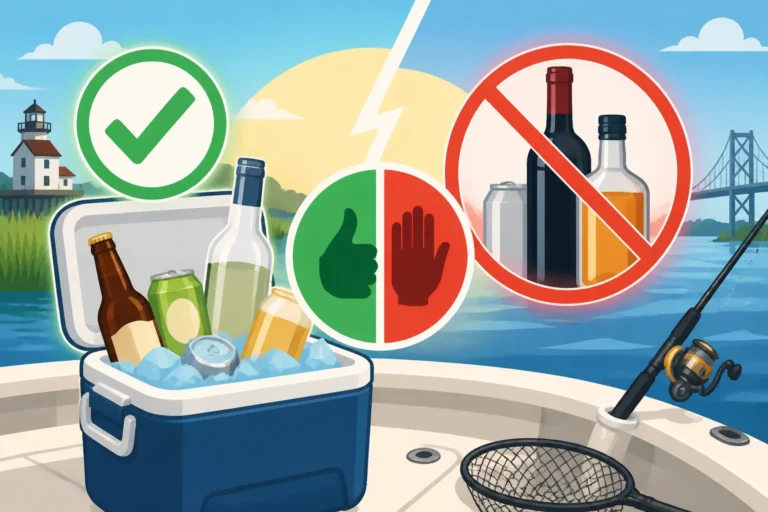
- Food and Drink: While some high-end charters might offer light refreshments, it's generally expected that you bring your own food and drinks. Pack a cooler with sandwiches, snacks, and plenty of water or other beverages. Keep in mind that some captains might have rules against glass bottles, so opt for cans or plastic. Remember, you'll be out there for several hours, and fishing is hard work!
- Sun Protection: Even on cloudy days, the sun's UV rays reflect off the water, leading to sunburn. Apply broad-spectrum sunscreen liberally and reapply throughout the day. A wide-brimmed hat offers additional protection for your face and neck.
- Cooler for Your Catch: If you plan on keeping your legal limit of trophy rockfish, bring a large cooler filled with ice. Most charters will have a fish box, but having your own ensures your prized catch stays fresh on the ride home. Confirm with the captain if they have space to store your personal cooler on board.
- Medications and Personal Items: If you're prone to seasickness, take preventative medication well before the boat departs. Bring any necessary personal medications, a camera to capture those trophy moments, and a small backpack for your personal belongings. A clean towel can also be handy.
Onboard Etiquette and Expectations
Being a considerate guest on a charter boat helps ensure a smooth and enjoyable trip for everyone, including the captain and mate.
- Listen to the Crew: The captain and mate are the experts. Pay attention to their instructions, whether it's how to retrieve a lure, where to stand, or what to do when a fish strikes. Their guidance is crucial for safety and success. They'll also be explaining things like Maryland Striped Bass Daily Limit Per Angler as you fish.
- Be Patient: Fishing is called fishing, not catching, for a reason. There will be lulls. Enjoy the scenery, the company, and the experience. The crew is working hard to find fish, and a positive attitude goes a long way.
- Fish Handling: If you catch a trophy rockfish, especially one you intend to release, listen carefully to the mate's instructions on how to handle it for photos and safe release. Their goal is to protect the fish while still allowing you to get that bucket-list picture. Always be gentle and keep the fish in the water as much as possible.
- Tipping: As mentioned, tipping the mate is customary. They work incredibly hard, from rigging lines and baiting hooks to cleaning fish and ensuring your safety. A generous tip reflects your appreciation for their effort. For details, refer to How Much to Tip a Maryland Fishing Charter Mate.
Maximizing Your Experience
Beyond the practicalities, there are ways to ensure your spring trophy charter is truly memorable.
- Ask Questions: Don't be shy! Ask the captain or mate about their techniques, the local waters, or the behavior of striped bass. Most love to share their knowledge and passion, and you'll learn a lot. This can be especially useful for understanding Maryland's New Striped Bass Rules for 2026.
- Engage: If the captain or mate needs help with something minor, like clearing a line or untangling a small mess, offer to lend a hand. Being an engaged participant makes the trip more interactive and enjoyable for everyone.
- Enjoy the Journey: While the goal is a trophy rockfish, the entire experience of being on the Chesapeake Bay in spring is incredible. Take in the sights, the sounds, and the camaraderie. Whether you land a monster or not, the memories made on the water are what truly last.
- Take Photos (Responsibly): Capture those moments! But remember, prioritize the fish's health, especially if it's a large breeder. Get your shots quickly and ensure the fish is supported properly if taken out of the water for a brief moment.
Booking a charter for Maryland's spring trophy season is more than just a fishing trip; it's an opportunity to experience one of the most exciting angling events on the East Coast. With careful planning, choosing the right crew, and preparing for the day, you'll be set for an unforgettable adventure chasing those magnificent Chesapeake Bay rockfish.
| Feature | Spring Trophy Season Charter (Striped Bass) | Regular Striped Bass Season Charter (Summer/Fall) |
|---|---|---|
| Primary Target | Very large, mature migratory striped bass (rockfish) | Mix of sizes, including schooling fish and resident striped bass |
| Typical Size | Often 40+ inches, aiming for personal bests | Varies, often legal slot fish (e.g., 19-24 inches) |
| Season Duration | Very limited, typically a few weeks in May | Much longer, generally June through December (with closures and different rules) |
| Fishing Method | Predominantly trolling large baits/lures in open channels | Trolling, jigging, live-lining, chumming, light tackle, depending on conditions and time |
| Crowds | Can be very crowded, high demand for prime dates | Varies, generally less intense than trophy season, but busy on weekends |
| Focus | Catching one or two very large, impressive fish, often for photos/release | Catching daily limit, varied techniques, often more active fishing |
| Pricing | Generally higher due to demand and specialized nature | Varies, can be more economical, especially for half-day trips |
Disclaimer
This article is for general informational purposes only and does not constitute professional advice. Laws, prices and regulations vary by location and change over time. Consult a qualified professional for guidance on your specific situation.