Can You Bring Alcohol on a Chesapeake Bay Charter?
Picture this: you're planning a fantastic day out on the Chesapeake Bay, fishing with friends or family, and the thought naturally pops up – can we bring a few cold ones along to enjoy the ride? It's a super common question, and honestly, the answer isn't always a simple "yes" or "no." The waters of charter boat regulations, especially concerning alcohol, can feel a bit murky, leaving many anglers unsure if they're doing the right thing. This guide is here to help you navigate the often-confusing landscape of bringing alcohol on a Maryland fishing charter, ensuring your trip is both fun, safe, and completely compliant with your chosen captain's rules.
Understanding Charter Boat Rules on Alcohol
It's easy to assume that if you're on a private boat, you can do as you please, but a fishing charter isn't quite the same as taking out your buddy's pontoon boat. When you step onto a charter vessel, you're entering a commercial operation, and that comes with a whole host of regulations, insurance stipulations, and the overarching authority of the captain. These aren't just arbitrary rules; they're in place for everyone's safety and to protect the captain's livelihood.
Why Rules Vary So Much
The biggest reason you'll find different policies on alcohol from one charter to the next boils down to several factors. First and foremost, it's the captain's discretion. They are ultimately responsible for everyone on board, and they have the final say on what's allowed. Some captains might be fine with a moderate amount of beer or wine, while others might have a strict "no alcohol" policy, especially if they've had bad experiences in the past. It's a business for them, and they want to ensure a safe, enjoyable, and incident-free trip for all their passengers.
Secondly, the type of license a captain holds and their vessel's insurance policy can dictate their rules. Commercial insurance carriers often have specific clauses regarding alcohol consumption on board, and a violation could jeopardize a captain's coverage. Federal and state laws also play a role; for instance, operating a vessel under the influence (BUI) is a serious offense, and a captain has to be extremely careful about anything that could lead to such a situation, even if they aren't directly consuming alcohol themselves. They don't want to risk their license or reputation.
Finally, the nature of the trip itself can influence the rules. A family-friendly bottom-fishing trip might have different guidelines than an offshore tuna expedition with a group of seasoned anglers. There's also the question of whether the charter sells alcohol directly (which requires different licensing) or if it's "BYOB." This complexity is why you can't just generalize; you absolutely have to ask your specific charter.
The Importance of Communication
I cannot stress this enough: always communicate your intentions to the charter captain or booking agent before your trip. This isn't a situation where it's better to ask for forgiveness than permission. Showing up with a cooler full of adult beverages without prior discussion can put the captain in a very awkward position and, in some cases, could even lead to your trip being canceled on the spot without a refund. No one wants that kind of start to their fishing adventure!
When you're making your reservation, or even when you're just inquiring about a trip, make it a point to ask directly about their alcohol policy. Be specific: "Are we allowed to bring our own beer?" or "Do you have any restrictions on wine?" A reputable charter will be happy to clearly lay out their guidelines. Many excellent charter companies, and booking platforms like FishingBooker, will often include this information in their listings or booking confirmations. If it’s not explicitly stated, consider it your cue to pick up the phone. This simple step ensures there are no surprises and everyone is on the same page, leading to a much smoother and more enjoyable day on the water.
Types of Charters and Their Typical Stances on Alcohol
Just like there are different types of fishing, there are different types of charters, and their policies on alcohol often reflect their operational style and target clientele. Understanding these general tendencies can help you pick the right charter for your desired experience, but remember, these are just guidelines – direct communication is still king!
Private Charters: More Flexibility, But Still Rules
Private charters, where you book the entire boat for your group, generally offer the most flexibility when it comes to bringing alcohol. Since your group is the only one on board, and you've paid for the private experience, captains might be more inclined to allow beer or wine in moderation. However, "flexibility" doesn't mean "anything goes." Captains still have a responsibility for safety and adherence to regulations.
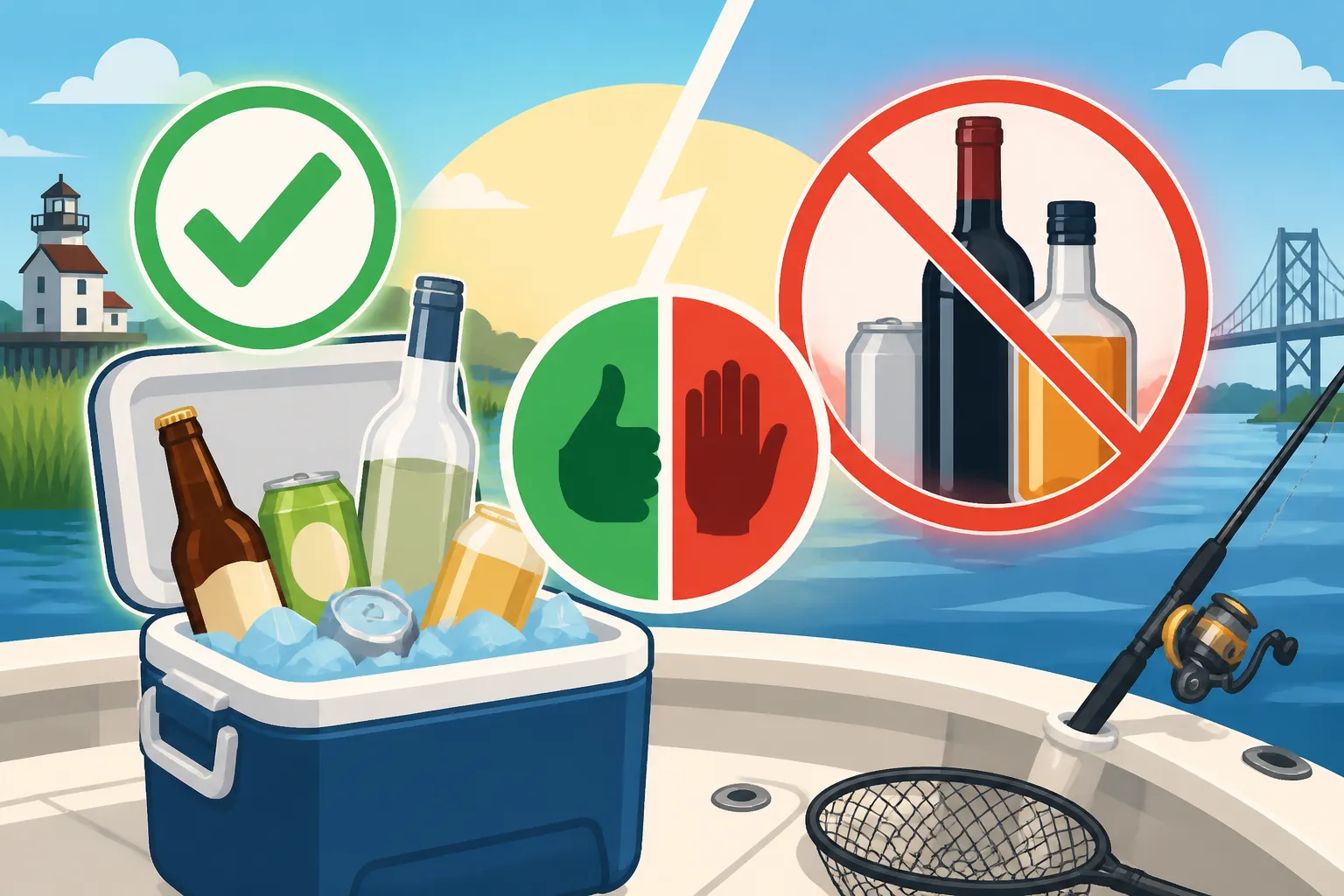
For example, a captain might allow each person to bring a certain number of cans of beer or a bottle of wine, but they might draw the line at hard liquor or excessive quantities. They'll likely also stipulate that coolers must be secured and that consumption should be responsible. Imagine a scenario where you've booked a Maryland Chesapeake Bay Fishing Charters, What to Expect trip with friends. You might find a captain who says, "Sure, bring a six-pack per person, but let's keep it mellow, folks." This is where that pre-trip conversation becomes invaluable. You might be asked to only bring cans, not glass bottles, to minimize breakage and potential hazards on a rocking boat.
Party Boats: Generally Stricter
Party boats, also known as head boats, operate quite differently. On these vessels, you pay per person to join a larger group of anglers. Because there are many individuals from various backgrounds on board, often unfamiliar with each other, party boat operators tend to have much stricter, or even outright prohibitory, policies on alcohol. This is primarily for crowd control, safety, and to prevent any potential conflicts or liability issues that could arise from alcohol consumption among strangers.
It's not uncommon for party boats to have a "no alcohol" policy whatsoever, or if they do allow it, they might sell it themselves on board (with proper licensing), preventing passengers from bringing their own. This ensures they can control the quantity and monitor consumption. If you're looking to enjoy a few adult beverages, a party boat might not be your best bet, or at least be prepared for a very limited allowance. If you're considering a trip out of Ocean City, for example, on one of the popular party boats for flounder or sea bass, always check their website or call ahead. Platforms like FishingBooker are a good place to find these details listed upfront for party boat operators.
Specialized Charters: Fly Fishing, Family Trips, etc.
The type of fishing itself can also influence alcohol policies. On a dedicated Guided Fly Fishing Trips on the Gunpowder River, for instance, the focus is often on skill, concentration, and respecting the delicate ecosystem. Alcohol might be seen as a distraction or even a safety hazard when navigating slippery stream beds or casting intricate lines. Therefore, many fly-fishing guides will have a strict "no alcohol" rule.
Similarly, if you're booking Family-Friendly Charter Trips in Maryland with young children, a captain might discourage or outright prohibit alcohol to maintain a wholesome and safe environment for the kids. Even if alcohol isn't directly consumed by adults, the presence of it might not align with the family-oriented atmosphere the captain aims to provide. Conversely, some captains running crab and fishing combo trips might be more lenient with a celebratory beer or two after a successful haul, but again, this is highly specific to the individual captain and needs to be confirmed.
| Charter Type | Typical Alcohol Policy | Flexibility Level | Notes |
|---|---|---|---|
| Private Charter | Moderate allowance (beer/wine) | High | Captain's discretion is key. Often BYOB. Discuss limits beforehand. |
| Party Boat | Stricter, often no BYOB | Low | May sell their own alcohol. Focus on safety for diverse groups. |
| Fly Fishing Guide | Often No Alcohol | Very Low | Emphasis on skill, concentration, and safety in specific environments. |
| Family-Oriented | Often No Alcohol/Limited | Low to Moderate | Prioritizes wholesome, safe environment for children. |
| Offshore/Long-Day | Varies, often moderate | Moderate | Longer trips require more caution with hydration, sun, and fatigue. |
Safety and Responsibility: Beyond the Rules
While knowing the specific rules of your charter is essential, it’s just as important to think about safety and responsibility, regardless of what the captain permits. A day on the water, especially under the sun and amidst the rocking motion of a boat, can amplify the effects of alcohol far more quickly than on land.
The Dangers of Excessive Alcohol on the Water
Even if your captain gives you the green light to bring alcohol, remember that responsible consumption is paramount. The sun, heat, and constant motion of a boat can lead to dehydration and intensify the effects of alcohol. What might feel like a casual drink on land can quickly become too much in a marine environment. Impaired judgment, reduced coordination, and slower reaction times are a recipe for disaster on a boat.
Think about the physical demands of fishing – casting, reeling in a big fish, moving around a slippery deck, or even just maintaining your balance as the boat pitches and rolls. Alcohol can severely hinder these abilities, increasing the risk of falls, injuries, or even going overboard. Your captain is there to get you on fish and keep you safe, but they also rely on your good judgment. A good rule of thumb is to always stay well hydrated with water, especially on Summer Fishing Patterns on Maryland's Chesapeake Bay trips, and to consume alcohol very sparingly, if at all.
Captain's Discretion and Your Experience
Remember, the captain has the ultimate authority on their vessel. Even if their stated policy allows alcohol, they have the right – and the responsibility – to cut off anyone who appears to be over-consuming or acting irresponsibly. If your group's behavior becomes a safety concern due to alcohol, a captain can, and will, take action. This could range from pouring out your drinks to cutting the trip short and returning to the dock, usually without a refund.
No one wants their highly anticipated Booking a Striped Bass Charter in Maryland to end prematurely because someone got carried away. The captain's priority is everyone's safety and the smooth operation of their business. Respecting their authority and their judgment, particularly concerning alcohol, is crucial for a successful and enjoyable outing for everyone on board.
Avoiding Legal Troubles
Beyond the captain's rules, there are also legal considerations. Just like driving a car, operating a boat under the influence of alcohol (Boating Under the Influence, or BUI) is illegal in Maryland and carries severe penalties. While you, as a passenger, aren't operating the vessel, an intoxicated individual can still draw unwanted attention from law enforcement, especially if their behavior becomes disruptive or unsafe.
Maryland also has open container laws that can apply on certain waterways or in specific circumstances, though typically these are more focused on public consumption. The safest bet is to understand that the rules are there for a reason and to avoid any situation that could lead to a legal issue for you, your group, or your captain. When in doubt, err on the side of caution.
What to Bring Instead (or in addition, if allowed)
If alcohol is restricted or you choose to limit your consumption, there are plenty of other things you can bring to enhance your charter fishing experience on the Chesapeake Bay. Focus on items that contribute to comfort, hydration, and enjoyment without any associated risks.
Hydration is Key
Hands down, the most important thing to bring is plenty of non-alcoholic beverages. Water, sports drinks, juice, and iced tea are excellent choices. As mentioned, the combination of sun, heat, and sea breeze can be incredibly dehydrating, even on a cool day. Staying hydrated is critical for maintaining energy levels, preventing headaches, and keeping your focus on the fishing.
Pack a dedicated cooler with ice and an abundance of water bottles. Electrolyte-rich sports drinks can be particularly beneficial on longer trips or during warmer weather. If your charter allows a few alcoholic beverages, make sure to intersperse them with plenty of water. Proper hydration will make your time on the water much more enjoyable and keep you feeling good throughout the day, whether you're battling a big rockfish or just soaking in the beautiful scenery. For more essentials, check out What to Bring on a Maryland Fishing Charter.
Snacks and Food
A day of fishing can work up quite an appetite! Pack a variety of snacks and light meals that are easy to eat on a boat. Sandwiches, fruit, granola bars, chips, and cookies are all great options. Avoid anything too messy or that requires extensive preparation. Finger foods are usually best.
Consider packing a separate cooler for your food items to keep them fresh and easily accessible. Having snacks on hand can help keep your energy up, especially during a Half-Day vs Full-Day Charter Costs in Maryland trip where hunger might strike before you're back at the dock. Don't forget any necessary utensils, napkins, or trash bags to pack out everything you bring in. Many charter captains provide a cooler for your catch, but your personal food and drinks will need their own spot. Remember, platforms like FishingBooker often clarify if food is provided or if it's strictly BYO.
Disclaimer
This article is for general informational purposes only and does not constitute professional advice. Laws, prices and regulations vary by location and change over time. Consult a qualified professional for guidance on your specific situation.