Best Ocean City Charters for Flounder
Finding the perfect flounder charter in Ocean City can feel like searching for a needle in a haystack, especially when you're dreaming of a successful day on the water but aren't sure which boat truly delivers. This guide is designed to cut through the confusion, helping you understand what makes a great flounder charter in Ocean City and how to pick the best one for your next fishing adventure.
Understanding Flounder Fishing in Ocean City
Ocean City, Maryland, isn't just about the boardwalk and beaches; it's a fantastic destination for flounder fishing. The unique network of bays, inlets, and nearshore waters creates an ideal habitat for these delicious flatfish, making it a prime target for both seasoned anglers and families looking for a fun day out. But knowing where and when to go, and what to expect from a charter, is key to success.
Why Target Flounder in Ocean City?
Flounder are undeniably one of the most sought-after species in Ocean City, and for good reason. They are renowned for their delicate, flaky white meat, making them a top choice for a delicious dinner after a day on the water. Beyond their culinary appeal, flounder offer an engaging fishing experience. They put up a respectable fight, making the catch satisfying without being overly strenuous, which is perfect for anglers of all ages and skill levels.
Many families flock to Ocean City specifically for flounder fishing because it's genuinely accessible and fun for kids. There's a certain thrill in watching a child's face light up as they reel in their first flatfish, and the bay waters where flounder are often found are usually calm, making for a comfortable trip for everyone on board. It’s not just about the fish; it’s about creating lasting memories with loved ones in a beautiful coastal setting. Charters catering to families often go the extra mile to ensure a positive experience, teaching kids how to bait a hook and reel in their catch.
Moreover, the sheer abundance of flounder in the back bays and nearshore wrecks of Ocean City during peak season makes for a productive trip. You're not just casting a line and hoping; you're often actively engaged in catching fish, which significantly boosts the enjoyment factor. This consistent action is a major draw for many who choose to spend their fishing dollars on an Ocean City flounder charter.
Prime Seasons and Conditions for Flounder
Timing is everything when it comes to flounder fishing in Ocean City. Generally, the prime season kicks off in late spring, around May, when water temperatures in the back bays begin to consistently warm up. This warming trend draws flounder out of their deeper wintering grounds and into the shallower, food-rich bay waters. The bite typically remains strong throughout the summer months, hitting its peak in July and August. As fall approaches, particularly in September and October, flounder begin to migrate towards deeper ocean waters, offering excellent fishing opportunities on nearshore wrecks and reefs before they completely disappear for the winter.
Beyond the seasonal calendar, specific daily conditions play a crucial role. Tides, for instance, are incredibly important for flounder. A moving tide, whether incoming or outgoing, is generally preferred because it stirs up baitfish and crustaceans, making flounder more active and inclined to feed. Many experienced captains will plan their trips around these tidal movements to maximize your chances of success. Stronger tidal currents can also help with drifting techniques, presenting your bait more naturally to hungry flounder lurking on the bottom.
Water clarity is another factor. While flounder can be caught in various conditions, slightly murky or stained water often works in your favor, as it helps camouflage your line and makes your bait appear more natural. Extremely clear water can sometimes make flounder more wary, though this isn't a hard and fast rule. Local knowledge of how water temperature, tidal flow, and clarity interact is one of the biggest advantages of booking a reputable charter that specializes in flounder.
Common Flounder Fishing Techniques
Ocean City charters employ a variety of effective techniques to target flounder, primarily focusing on getting bait or lures down to where these bottom dwellers live. The most common and often most productive method is drifting. This involves allowing the boat to move slowly with the current or wind, dragging bait along the bottom. Charters will often use a "flounder rig," which typically consists of a sinker at the bottom, with two snelled hooks branching off above it, presenting bait just off the seafloor. This allows for a wide area to be covered, increasing the chances of encountering a hungry flounder.
Jigging is another popular technique, particularly when flounder are concentrated around specific structures like bridge pilings, jetties, or submerged debris. Anglers use bucktail jigs tipped with bait like squid or minnows, or soft plastic baits, bouncing them along the bottom to mimic fleeing prey. The action of the jig can often trigger a strike from a flounder that might ignore a stationary bait. This more active approach can be incredibly rewarding when conditions are right and the fish are aggressive.
Bottom fishing, while similar to drifting, often involves anchoring over a known flounder hotspot. This static approach allows multiple lines to be deployed from different points on the boat, thoroughly working a confined area. It's particularly effective when captains have identified precise locations where flounder are holding tight, such as depressions or oyster beds. No matter the technique, the common thread is presenting tempting bait or lures close to the bottom, right in the flounder's strike zone. For more detailed insights, you might want to read about Techniques for Catching Flounder in Maryland's Back Bays and Drifting vs Anchoring for Flounder in Maryland.
Types of Charters and What to Look For
When you're ready to hit the water for flounder in Ocean City, you'll generally encounter two main types of charter operations: private charters and head/party boats. Each offers a distinct experience, and knowing the differences can help you choose the best fit for your group and budget. Beyond that, identifying the characteristics of a truly great flounder charter can make all the difference in your fishing success and enjoyment.
Private Charters vs. Head/Party Boats
Private charters offer a personalized fishing experience, perfect for families or small groups (typically 1-6 people) who want the boat to themselves. With a private charter, you get the undivided attention of the captain and mate, who can tailor the trip to your specific interests and skill levels, focusing exclusively on flounder if that's your goal. This means more flexibility with departure times, fishing locations, and the pace of the trip. You can ask questions, learn specific techniques, and enjoy a more intimate atmosphere without the crowds. For those seeking a dedicated flounder trip, where the captain can adapt quickly to changing conditions or move to different spots based on the bite, a private charter is often the top choice. The downside? Private charters typically come with a higher price tag, as you're covering the entire cost of the boat and crew. To understand more about these options, check out Private vs Party Boat Fishing in Maryland.
Head boats, also known as party boats, operate on a per-person basis, making them a more budget-friendly option. You pay a set fee, and you fish alongside other anglers, potentially dozens of them. While head boats are a great way to get out on the water without breaking the bank, they offer less flexibility. The captain will follow a predetermined itinerary, and the focus might be broader than just flounder, potentially targeting other bottom fish like sea bass or croaker depending on the season and bite. You'll share the deck and the crew's attention with many others, meaning less personalized instruction. However, head boats are fantastic for solo anglers, small groups who don't want to fill an entire private boat, or those looking for a more casual, social fishing experience. They often fish the same productive flounder grounds as private charters, just with a different dynamic.
| Feature | Private Charter | Head/Party Boat |
|---|---|---|
| Group Size | Typically 1-6 people | Many individuals, often 20+ |
| Cost Structure | Flat fee for the boat and crew | Per-person fee |
| Personalization | Highly customizable, focused species, flexible | Less flexible, set itinerary, broader targets |
| Crew Attention | Dedicated to your group | Shared among many anglers |
| Atmosphere | Intimate, private | Social, potentially crowded |
| Ideal For | Families, serious anglers, special occasions | Solo anglers, budget-conscious, casual fun |
| Booking Difficulty | Often requires advance booking | Easier to find last-minute spots |
Key Features of a Great Flounder Charter
When searching for the best Ocean City flounder charters, several key features stand out. First and foremost, local knowledge is paramount. A truly great flounder captain has spent countless hours on the local waters – the bays, inlets, and nearshore wrecks – understanding the subtle nuances of tidal flows, bottom structure, and flounder movements. They know the secret holes, the productive channel edges, and how to adapt to changing conditions. This isn't just about having a GPS; it's about an intuitive understanding of the fishery that only comes with years of experience. They’ll be able to tell you why they're fishing a particular spot and what they expect to find there.
Secondly, the quality of the gear and the boat itself makes a huge difference. A reputable charter will provide well-maintained, appropriate tackle for flounder fishing – usually light to medium spinning gear or baitcasters that are comfortable to hold and sensitive enough to detect those subtle flounder bites. Dull hooks, frayed lines, or sticky reels can quickly turn a fun day into a frustrating one. The boat should be clean, safe, and comfortable, with enough space for everyone to fish without feeling cramped. Safety equipment, of course, is a non-negotiable.
Finally, the captain's and crew's demeanor and teaching ability are incredibly important, especially for families or beginners. A friendly, patient, and enthusiastic crew can elevate the entire experience, teaching novices how to cast, bait, and identify a bite, and making sure everyone feels included and successful. They should be passionate about flounder fishing and eager to share that passion with their guests. Platforms like FishingBooker often allow you to read reviews from previous customers, which can be invaluable in assessing a charter's local knowledge, equipment quality, and crew professionalism.
Asking the Right Questions Before You Book
Before you commit to a flounder charter, it’s always a good idea to ask a few probing questions. This not only clarifies expectations but also helps you gauge the charter's suitability for your specific needs. Start by asking about their primary target species and if flounder will be the main focus of your trip. Some boats specialize in mixed bags, which is fine, but if you're set on flounder, you want to ensure the captain is too. You should also inquire about the duration of the trip and what areas they typically fish for flounder – are they focusing on the back bays, or do they venture to nearshore ocean spots? For a general overview of what to bring, consider reading What to Bring on a Maryland Fishing Charter.
Another crucial question is what's included in the price. Does it cover bait, tackle, and fishing licenses? Most legitimate charters for flounder in Ocean City will include these essentials, but it's always best to confirm. Some might offer snacks or drinks, while others expect you to bring your own. Also, ask about fish cleaning services – is it included, or is there an extra charge? Understanding these details upfront prevents any unwelcome surprises. When browsing options on a booking platform like FishingBooker, these details are often clearly listed in the charter description, making comparison easier.
Don't forget to ask about their cancellation policy, especially regarding weather. Ocean City weather can be unpredictable, and you want to know what happens if the trip needs to be rescheduled or canceled due to unsafe conditions. Finally, if you have specific needs, like bringing small children or accommodating someone with limited mobility, discuss these upfront. A good charter will be transparent and helpful, ensuring they can provide the best possible experience for your group. For more on costs, you can also look into Ocean City Maryland Inshore Flounder Charters.
Top Areas Ocean City Charters Target for Flounder
Ocean City's diverse waterways offer numerous hotspots for flounder, ranging from the shallow, protected bays to deeper nearshore wrecks. A great flounder charter captain knows these areas intimately and understands which spots are most productive depending on the season, tide, and recent fishing reports. Understanding these prime locations will give you a better appreciation of your charter's strategy.
The Ocean City Inlet and Coastal Bays
The Ocean City Inlet is a gateway for flounder moving between the ocean and the extensive network of coastal bays, including Sinepuxent Bay and Isle of Wight Bay. These bays are classic flounder territory, characterized by vast shallow flats, numerous channels, oyster beds, and marshy shorelines. Charters frequently target these areas, particularly during the spring and summer months, as flounder congregate here to feed and spawn. The moving water through the inlet and around the bridge pilings creates ideal ambush points for flounder.
Within the bays, captains will often drift across specific flats or along channel edges where flounder tend to bury themselves in the sand or mud, waiting for unsuspecting baitfish or crustaceans to swim by. Popular areas include the Thorofare, a major channel connecting different parts of the bay, and the waters around popular islands or shoals. The consistent tidal flow here keeps the ecosystem vibrant and food readily available. Fishing these areas offers a different experience than offshore, often calmer and more focused on the subtle tactics of bay fishing. For detailed information on these spots, check out Fishing the Ocean City Back Bays for Flounder and Where to Catch Flounder Near Ocean City.
Many charters specialize exclusively in bay fishing for flounder, offering shorter, more family-friendly trips that stay close to shore. These trips are typically less affected by ocean swells, making them comfortable for those prone to seasickness. The shallow nature of these bays also means that lighter tackle can be used, adding to the sport of catching flounder. Charters that excel in this domain often have years of experience navigating these intricate waterways, knowing exactly where the flounder are hiding even on a tough day.
Nearshore Wrecks and Reefs
While the bays are excellent for flounder, as the seasons change, particularly in late summer and into the fall, many flounder begin to migrate to deeper, cooler ocean waters. This is when Ocean City charters start targeting nearshore wrecks and artificial reefs just a few miles off the coast. These structures, whether old sunken boats or intentionally deployed reef balls, provide complex habitats that attract a variety of marine life, including large concentrations of flounder. These areas offer both food and shelter for the flatfish.
Fishing these offshore structures requires a different approach than bay fishing. Charters will typically anchor directly over or near a wreck and then bottom fish or jig with heavier tackle to contend with stronger currents and deeper water. The flounder found on these wrecks are often larger, sometimes referred to as "doormats," offering a more substantial fight and an even more impressive meal. These trips generally last longer than bay trips, often half-day or full-day excursions, and are subject to ocean conditions, so a calm day is usually preferred.
A seasoned captain will have extensive charts and GPS coordinates of numerous wrecks and reefs, allowing them to move between spots if one isn't producing. They also understand how flounder relate to these structures – whether they're on top, along the edges, or nestled within the debris. This kind of specialized wreck fishing is a highlight for many anglers seeking trophy flounder and a different challenge than bay fishing. For a broader view of the fishing opportunities, consider the Ocean City Maryland Fishing Guide.
Fishing the Thorofare and Other Channels
The Thorofare is arguably one of Ocean City's most iconic and productive flounder fishing grounds within the back bay system. This natural channel, connecting Isle of Wight Bay with other waterways, acts as a superhighway for baitfish and, consequently, a prime feeding lane for flounder. Its deeper waters, often flanked by shallower flats and marsh grass, create perfect ambush points where flounder can lie in wait. Charters frequently spend significant time drifting or anchoring along the edges of the Thorofare, especially during outgoing tides when bait is flushed out.
Beyond the Thorofare, other natural and man-made channels throughout the bays also hold excellent flounder. These include the channels leading to the various marinas, the deeper cuts around the Route 90 bridge, and the thoroughfares near popular islands. Flounder tend to prefer these deeper channels not only for food but also for refuge from strong currents and for consistent water temperatures. A knowledgeable captain will have an array of marks and strategies for working these channels effectively.
When fishing these channels, charters often use precise drifting techniques, carefully controlling the boat's speed and angle to ensure baits are presented naturally along the bottom. They might also utilize depth finders to identify subtle changes in depth or bottom composition that indicate prime flounder lies. The beauty of fishing these channels is their accessibility and often consistent production, making them a cornerstone of Ocean City's flounder fishing scene. Getting the right Bottom Rig Setup for Maryland Flounder Fishing is crucial for success in these channel environments.
Planning Your Ocean City Flounder Charter Experience
Once you've decided on an Ocean City flounder charter, there are a few more steps to ensure your trip is as smooth and enjoyable as possible. From understanding what gear and bait you'll use to navigating the costs and booking process, a little preparation goes a long way.
Essential Gear and Bait Provided by Charter vs. BYO
Most reputable Ocean City flounder charters will provide all the necessary fishing gear, including rods, reels, line, and tackle. This is a huge convenience, as you don't have to worry about transporting your own equipment or ensuring it's appropriate for the target species. For flounder, this typically means lighter spinning rods or baitcasting setups that are sensitive enough to detect their subtle bites but strong enough to handle a decent-sized fish. The crew will have the right leaders, sinkers, and hooks already tied, ensuring your rig is ready to go.
Bait is also almost always included in a charter's price, and it's absolutely crucial for flounder fishing. Common baits for flounder in Ocean City include live minnows, squid strips, and sometimes Gulp! artificial baits. Live minnows, often referred to as "peanut bunker" or "silversides," are a perennial favorite due to their natural presentation and enticing movement. Squid, either fresh or frozen, is incredibly effective and durable on the hook. Your captain will likely have a combination of these on board, knowing what has been working best recently. If you have a preferred lure or bait you'd like to try, it's always worth asking the captain if you can bring your own, though they'll usually recommend sticking with what they know is productive. For more on what baits work, check out Best Bait for Flounder in Ocean City.
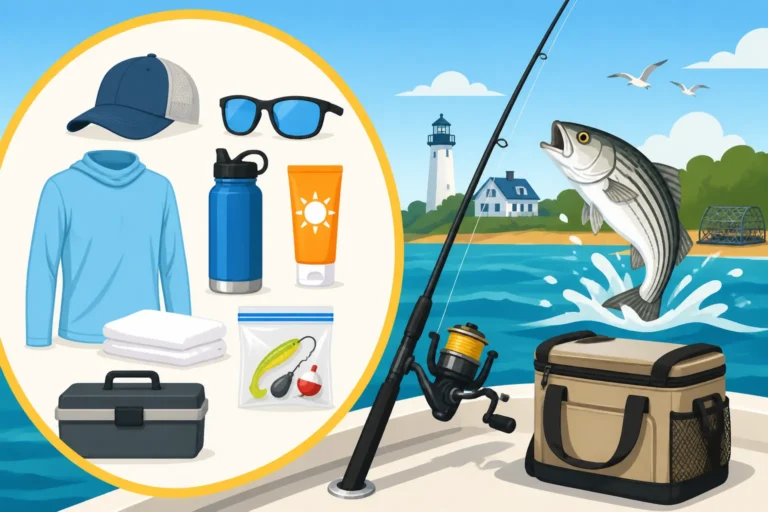
While the charter provides the essentials, there are a few personal items you should definitely bring. Sunscreen, sunglasses, a hat, and appropriate clothing (layers are always good, even on warm days) are crucial for comfort and protection from the elements. A small cooler with drinks and snacks is also highly recommended. Don't forget your camera to capture those memorable catches!
Costs, Tipping, and What's Included
Understanding the financial aspects of an Ocean City flounder charter is important for managing expectations. Charter costs can vary widely based on the type of boat (private vs. head boat), the duration of the trip (half-day vs. full-day), and the time of year. Private charters, offering an exclusive experience for your group, will naturally be more expensive per trip, but the cost can be split among participants. Head boat tickets are significantly less expensive per person, making them accessible to more anglers. For a general idea of costs, you can refer to How Much Does an Inshore Charter Cost in Ocean City?.
Beyond the base price, it's customary to budget for a tip for the mate and/or captain, especially if they've provided excellent service, worked hard, and put you on the fish. A general guideline for tipping is around 15-20% of the total trip cost. This gratuity is a significant part of the crew's income and is a way to show your appreciation for their efforts. Always ask if gratuity is included in the initial price, though it rarely is.
Most charter prices in Ocean City will include your fishing license (as passengers on a licensed charter are covered under the boat's permit), bait, tackle, and the expertise of the crew. Fish cleaning is often included as well, but it's wise to confirm this upfront, as some charters may charge a small additional fee or expect the mate to be tipped extra for this service. Always clarify these details when booking to avoid any surprises on the day of your trip.
How to Book and Ensure a Smooth Trip
Booking your Ocean City flounder charter typically involves a few key steps. The easiest way to start is by researching local charter operations or using online booking platforms like FishingBooker. These platforms allow you to compare different boats, captains, prices, and availability all in one place. You can also read reviews from past customers, which provides invaluable insight into the quality of the experience. Once you've chosen a charter, you'll usually need to pay a deposit to secure your date, with the balance due on the day of the trip. Always get a confirmation of your booking, including date, time, price, and meeting location.
To ensure a smooth trip, communication with your captain or the charter company is key. Before your departure, confirm the meeting time and location, and don't hesitate to ask any last-minute questions you might have about weather, what to wear, or what to bring. Many charters will provide this information proactively in the days leading up to your trip. Make sure you arrive on time; tardiness can cut into your fishing time or delay the entire boat, which isn't fair to other anglers.
Finally, remember that fishing is an outdoor activity, and conditions can change. Be patient, listen to your captain's instructions, and be prepared for anything from a slow bite to rapidly changing weather. An open mind and a good attitude will always lead to a more enjoyable experience, regardless of the size of your catch. Many charters, especially those found on platforms like FishingBooker, pride themselves on their customer service and want you to have the best possible time targeting flounder in Ocean City.
Disclaimer
This article is for general informational purposes only and does not constitute professional advice. Laws, prices and regulations vary by location and change over time. Consult a qualified professional for guidance on your specific situation.