Best Charters for Trophy Fish Photos in Maryland
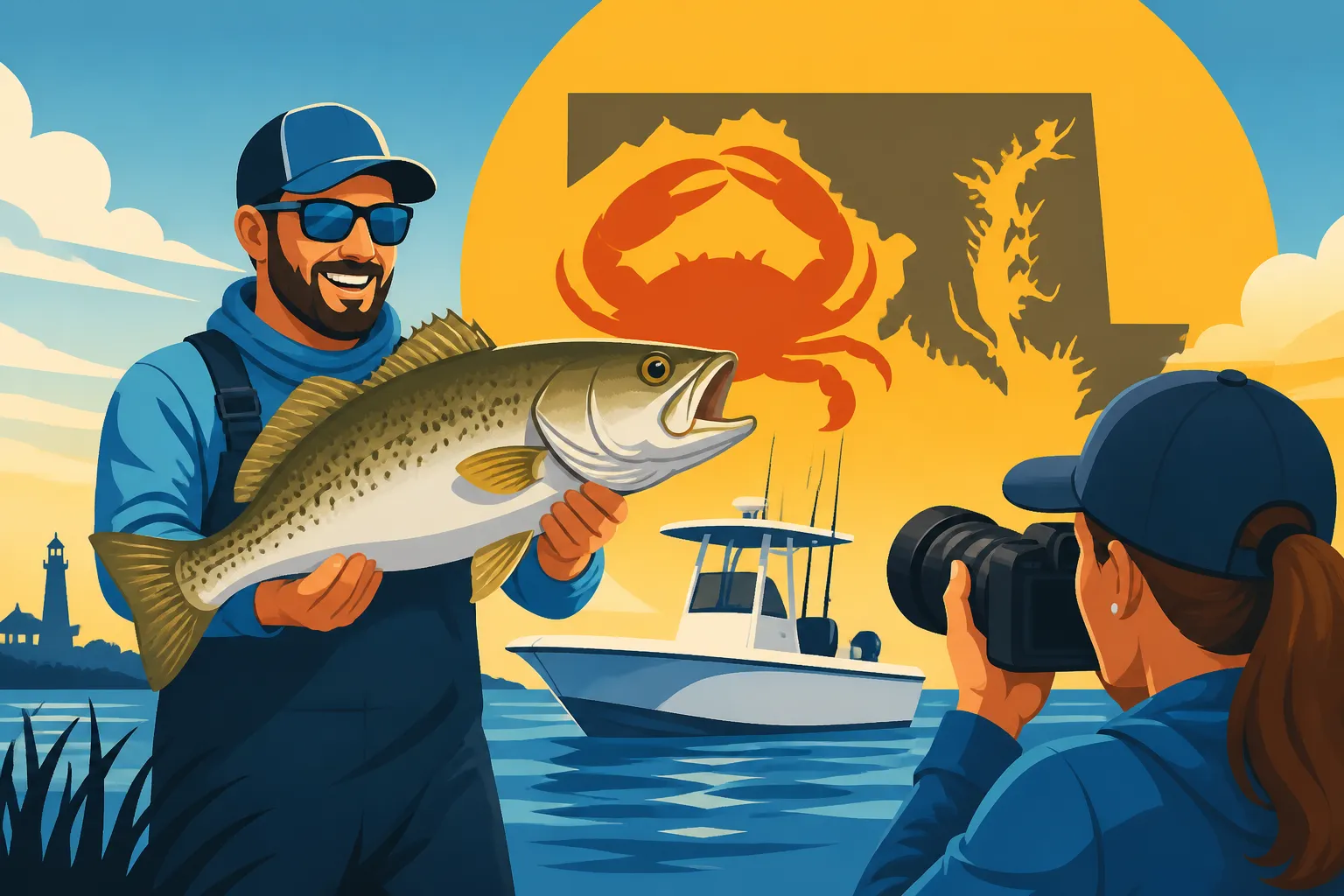
We all dream of that moment: reeling in a truly spectacular fish, one that makes your arms ache and your heart pound. But let's be honest, half the joy, especially in today's world, comes from capturing that triumph with a stunning photograph. You want more than just a blurry snapshot; you want a magazine-worthy image of your trophy catch. This guide is all about helping you find the Maryland fishing charters that don't just put you on the big fish, but also help you immortalize that memory with the perfect picture.
Understanding What Makes a "Trophy" Fish Photo in Maryland
Getting a "trophy" fish photo isn't just about the size of the fish, although that certainly helps! It's about the entire presentation—the fish, the angler, the background, and the overall quality of the image. You're trying to capture a moment of triumph and beauty, something you'll proudly display for years to come.
The Elusive Maryland State Record vs. Personal Best
When we talk about "trophy" fish, many anglers immediately think of a state record. While that's an incredible aspiration, the reality is that catching a state record fish is incredibly rare. For most of us, a "trophy" is a personal best – the biggest striped bass, flounder, or blue catfish we've ever landed. It's that 40-inch rockfish that felt like a submarine on the end of your line, or the monster blue cat that nearly pulled you overboard. The goal of a trophy photo charter isn't necessarily to break records, but to help you celebrate your biggest achievement with a fantastic visual. Even if it's not the biggest fish ever, it's the biggest for you, and that's what truly matters for that picture. Think about the pride you'll feel showing off that image, a tangible memory of a fantastic day on the water.
Aesthetics: Lighting, Angles, and Backgrounds
A great trophy photo is a blend of art and angling. It's not enough to simply hold up a big fish. Consider the lighting: early morning or late afternoon often provide softer, warmer light that enhances colors and reduces harsh shadows. Midday sun can be unforgiving, creating squinting anglers and washed-out fish. Angles are crucial too. Holding the fish close to your body can make it appear smaller, while extending it slightly forward (without overdoing it to create an unnatural perspective) can emphasize its length. And don't forget the background! A stunning shot of the Chesapeake Bay, a serene riverbank, or even just the clean deck of a boat free of clutter can elevate your photo from good to glorious. The best charters understand this and will often position the boat or instruct you on how to hold the fish to achieve the most picturesque backdrop. They know that the environment tells part of the story, framing your accomplishment beautifully.
Safety First: Prioritizing Fish Health for the Shot
This is paramount, especially in Maryland, where species like striped bass are closely monitored and often released. A true trophy angler understands that the fish's well-being comes before the perfect picture. The best captains and mates are absolute pros at handling fish with care, minimizing their time out of the water. They'll have a game plan for a quick photo session: get the fish in, snap a few rapid shots, and get it back into the water as swiftly and gently as possible. This might mean having your camera ready, knowing your pose, and being ready to move quickly. For species that are catch-and-release only, like many of our bigger rockfish outside of specific seasons, this careful handling ensures they swim away strong to fight another day. It also means your photo captures a vibrant, healthy fish, not one that's stressed or flailing. Remember, a live, healthy release is the ultimate trophy. For more on catch and release, consider reading Maryland Catch and Release Rules During Closed Seasons.
How Charters Specialize in Trophy Opportunities
You might think any charter can put you on a big fish, but those specializing in trophy catches and photos often go the extra mile. They understand the entire experience, from the hookup to the photo op, is part of what you're paying for. It's about providing a memorable day and tangible proof of your success.
Captain's Expertise in Locating Big Fish Hotspots
Finding genuinely large fish isn't always about luck; it's about knowledge and experience. Trophy-oriented captains have spent countless hours on the water, meticulously studying patterns, tides, bait movements, and structure. They know the subtle nuances of where that monster striped bass might be lurking during the spring trophy season, or which deep holes hold the biggest blue catfish. They understand that big fish often behave differently than smaller ones, requiring specific tactics and targeting. These captains aren't just looking for a full cooler; they're looking for that one exceptional fish that defines a trip. Their expertise might lead you to Fishing the Bay Bridge Pilings for Striped Bass or a remote section of the Potomac known for giants. They combine years of local wisdom with modern electronics to put you in the best position for that trophy encounter.
Specialized Gear and Techniques for Larger Catches
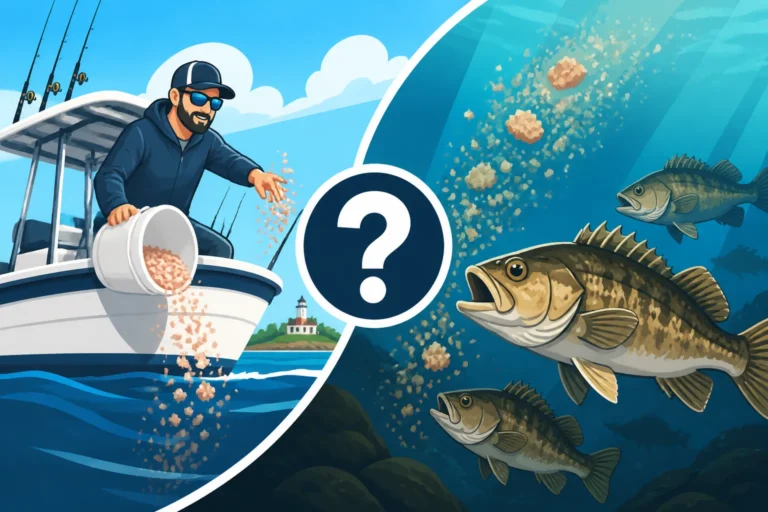
You wouldn't use ultralight tackle to chase a monster tuna, and the same principle applies to trophy fishing in Maryland. Charters focused on big fish will outfit their boats with heavier rods, robust reels, and stronger lines designed to handle powerful runs and the sheer weight of a large catch. They'll also employ specific techniques, whether it's Chumming and Chunking for Maryland's Chesapeake Bay Striped Bass, live-lining big baits, or trolling massive lures in deep channels. This specialized gear isn't just about landing the fish; it's about doing so efficiently, minimizing the fight time and stress on the fish, which again, contributes to a healthier release and a better-looking photo. If you're wondering what kind of equipment they use, many charters are happy to discuss their setup, or you can check if Does the Charter Boat Provide Rods and Tackle? is covered in their FAQ.
The Role of the Mate in Capturing the Perfect Moment
The mate is often the unsung hero of the trophy photo. While the captain is navigating and putting you on fish, the mate is often the one orchestrating the capture and the photo session. They're skilled at netting or gaffing large fish safely, then preparing it for its moment in front of the camera. This might involve quickly removing hooks, wiping away excess water or slime for a cleaner look, and having the camera ready. They're often the ones coaching you on how to hold the fish, reminding you to smile, and directing the boat for the best light. A good mate can make all the difference between a rushed, awkward photo and a truly spectacular one. Don't forget their hard work; Charter Boat Gratuity Customs in Maryland often reflect the value of this crucial assistance.
Finding the Right Charter for Your Trophy Photo Quest
With so many excellent charter options in Maryland, narrowing down the field to one that prioritizes trophy photos can feel a little overwhelming. But with a bit of focused research and clear communication, you can find the perfect fit.
Researching Charters with a Track Record for Big Fish
Start by looking for charters that frequently post pictures of large fish on their social media or websites. Pay attention to the size and species they're consistently catching. Are they showing off a lot of "keeper" sized fish, or are there genuinely impressive, larger-than-average catches? Read reviews on platforms like FishingBooker or Google. Anglers are usually quick to share their successes, and if a charter consistently puts clients on big fish, that reputation will precede them. Look for phrases like "trophy rockfish," "giant blue cats," or "personal best." It also helps to consider the Best Charters for Catching Trophy Rockfish specifically if striped bass is your target. Don't be shy about asking direct questions before you book about their typical catches and how often they encounter trophy-sized fish for specific species like Striped Bass: Maryland's State Fish.
Communicating Your Trophy Photo Goals Upfront
This is perhaps the most critical step. When you call or email a charter, don't just ask about availability and price. Clearly state that your primary goal is to catch a trophy-sized fish and, just as importantly, to capture a high-quality photograph of it. Ask if they are comfortable with spending a few extra moments to ensure a great photo, while always prioritizing the fish's health for release. Some charters might even have a dedicated photographer onboard, or a mate particularly skilled with a camera. Transparency is key; if they know your expectations upfront, they can tell you if they're the right fit or recommend another captain who specializes in that experience. You might also want to clarify aspects like Can You Keep the Fish You Catch on a Maryland Charter? as some trophy catches are strictly catch-and-release.
Using Online Platforms to Book the Right Experience
Online booking platforms like FishingBooker can be incredibly helpful resources for your trophy quest. They allow you to filter by location, species, and even boat amenities. Many listings include detailed descriptions of the captain's specialties and often feature galleries of past catches. This makes it easier to visually assess if a particular charter consistently lands impressive fish. You can also read extensive reviews from previous clients, which often mention the quality of the fish caught and the overall experience, including how photos were handled. Using a platform like FishingBooker streamlines the booking process and provides a consolidated place to compare multiple options, ensuring you find a captain and crew who align with your goal of not just catching, but also perfectly documenting, your Maryland trophy fish. It's often the easiest way to compare schedules and rates side-by-side.
Charter Comparison Table for Trophy Photo Anglers
To help you visualize what to look for, here’s a simple comparison of general charter types and how they might align with your trophy photo goals.
| Charter Type | Primary Goal | Typical Gear | Photo Readiness | Mate's Role in Photo | Best For Trophy Photo? |
|---|---|---|---|---|---|
| Budget/Economy | High volume of fish | Standard | Basic, quick snaps | Minimal | Lower (Focus on quantity) |
| Standard Day Charter | Good catch, enjoyable trip | Quality standard | Decent, but not priority | Assists | Medium (Can be good, but depends on crew) |
| Specialty/Trophy Hunter | Targeting large fish | Heavy-duty, specific | High priority, planned | Actively directs/shoots | High (Designed for this) |
| Party Boat | Many anglers, diverse catch | Shared/rental | Self-serve, limited time | Focus on overall safety | Low (Too many variables, fast pace) |
This table shows that while any boat can catch a big fish, a specialty or trophy hunter charter is your best bet for truly focusing on that perfect photo. It's often worth the investment if the photo is a key part of your experience. When booking, consider the Best Time of Year to Book a Striped Bass Charter to align with trophy opportunities.
Onboard Tips for Maximizing Your Trophy Photo Success
So, you've booked your dream charter, and the day is finally here! Now, it's up to you to be prepared and work with the crew to make sure that once you hook into that magnificent fish, you capture it perfectly.
Preparing Yourself and Your Camera Gear
Before you even step on the boat, charge your phone or camera battery, and make sure you have plenty of storage space for photos and videos. If using a phone, consider a waterproof case or lanyard, especially if you're prone to excitement! You'll also want to dress appropriately for the weather, in comfortable layers that won't distract from the photo. What to Wear on a Chesapeake Bay Fishing Charter can offer some great advice. Discuss with your captain or mate their preferred method for photos. Do they like to take the pictures themselves, or should you designate someone in your group? Having a clear plan saves precious seconds when that trophy fish hits the deck. Consider bringing a microfiber cloth to quickly wipe water spots from the lens if conditions are splashy. Being prepared means less fumbling and more focused photo time when the moment arrives.
Quick Release and Handling Techniques for Pristine Photos
When that big fish comes aboard, the clock starts ticking, especially if you plan to release it. The crew will be experts, but you can help by being ready. Have your pose in mind, and listen carefully to the mate's instructions on how to hold the fish safely and effectively. For fish like striped bass, they might instruct you to support their belly firmly while holding the lower jaw. Avoid putting fingers in gills or dragging the fish unnecessarily. A quick lift, a few rapid shots, and back into the water should be the goal. The less stress on the fish, the better its chances of survival, and the more vibrant and energetic it will look in your photo. It's a fine balance, but a skilled crew will guide you through it. This careful handling is especially important given Maryland Fishing Size and Catch Limits by Species.
Post-Capture: Ensuring Your Photo is Frame-Worthy
After the fish has been safely released or put on ice, take a moment to review the photos. Did you get the shot? Is it clear, well-lit, and does it truly capture the moment? Sometimes, a quick adjustment in post-processing on your phone or computer can make a huge difference in color and clarity. Don't be afraid to ask the mate if they have any tips for editing, or if they can share any photos they took from their perspective. Often, they get incredible angles you might miss. Remember that the goal is to create a lasting memory, and a little attention to detail after the fact can transform a good photo into a truly frame-worthy masterpiece. You want to look back and remember the thrill of How Big Do Striped Bass Get in the Chesapeake Bay? and your achievement, all captured beautifully.
Disclaimer
This article is for general informational purposes only and does not constitute professional advice. Laws, prices and regulations vary by location and change over time. Consult a qualified professional for guidance on your specific situation.