What Happens to Delayed Harvest Rules on November 1?
For many Maryland anglers, the mention of "Delayed Harvest" streams brings a mix of excitement for prime trout fishing and perhaps a little confusion about the ever-changing rules. It can be tricky to keep track, especially as the seasons shift, and understanding what happens to these waters on November 1st is crucial if you want to stay within the law and make the most of your angling opportunities. This guide is here to untangle those regulations, specifically detailing the pivotal changes that kick in as autumn turns to winter on Maryland's special trout waters.
Understanding Maryland's Delayed Harvest Trout Program
Maryland’s Department of Natural Resources (DNR) manages a variety of trout fishing opportunities, and the Delayed Harvest program is a real gem for those who love to chase trout. It’s designed to extend the fishing season and provide quality catch-and-release experiences through much of the year, before transitioning to a harvest opportunity.
What is Delayed Harvest?
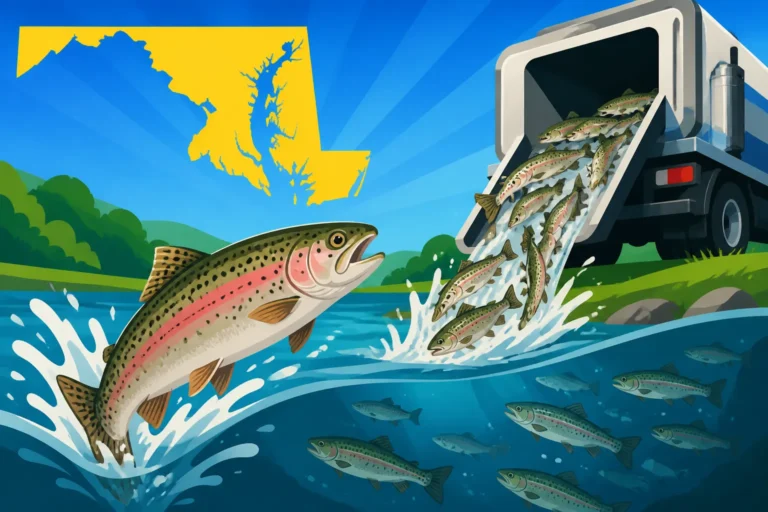
Imagine a beautiful stream, often in a scenic part of Western Maryland, where the trout population is regularly supplemented with healthy, hungry fish. That’s essentially a Delayed Harvest trout stream. From October 1st through the end of February (with the critical exception of November 1st, which we'll get to), these waters operate under strict "catch-and-release only" regulations. This means any trout you catch, regardless of size, must be immediately and carefully returned to the water.
Furthermore, during this initial period, anglers are typically restricted to using only artificial lures or flies. This isn't just a suggestion; it's a legal requirement designed to minimize harm to the fish. The idea is to reduce "deep hooking" which is more common with natural baits. You'll also often find a barbless hook requirement, again, to make that release as gentle and quick as possible. These rules create a fantastic environment for focused fly fishing and light tackle artificial presentations, allowing fish to grow larger and provide multiple angling opportunities. It's a system that truly champions conservation while still providing ample angling fun.
Why the November 1st Change?
So, why the big hullabaloo about November 1st? Well, it’s a strategic move by the Maryland DNR to maximize the utility of the stocked trout and provide a different kind of fishing experience. While the spring and early fall focus on catch-and-release to let those fish thrive and offer prolonged sport, November 1st marks the transition to a harvest-oriented season.
The DNR's goal is multi-faceted. First, it acknowledges that many anglers enjoy taking home a fresh-caught trout for dinner, and this program provides that specific opportunity after a period of conservation. Second, by allowing harvest during the colder months, the DNR ensures that stocked fish are utilized by anglers before winter conditions or natural predation might take a toll. It’s a pragmatic approach that offers diverse fishing options, catering to both the dedicated catch-and-release enthusiast and those who prefer to keep their catch. This shift essentially opens up a new chapter in the trout season, transforming the waters into a "put-and-take" scenario, albeit with a preceding period of catch-and-release. It’s a unique system that makes Maryland's trout fishing truly dynamic.
The Big Shift: November 1st Rules in Detail
This is where the rubber meets the road, folks. November 1st isn't just another day on the calendar for Delayed Harvest streams; it's the day everything changes. Understanding these changes is paramount, not just for compliance but for truly enjoying the fishing opportunities presented.
Harvest Season Begins
On November 1st, the strict "catch-and-release only" mandate on Maryland's Delayed Harvest waters is lifted. This is the moment when anglers can legally begin to harvest trout. The daily creel limit typically becomes five (5) trout per person, per day, with no minimum size limit. This means if you catch a legal trout, you can keep it!
This change also brings a significant alteration to acceptable tackle. Where before you were limited to artificial lures and flies, as of November 1st, all legal fishing methods become permissible. This is huge for many anglers! You can now use natural baits like worms, PowerBait, or corn, which often prove incredibly effective on recently stocked trout. The requirement for barbless hooks is also usually lifted, allowing anglers to use standard barbed hooks, though many still prefer barbless for easier release of any fish they don't intend to keep. This flexibility opens the door for a much wider range of angling techniques, making it accessible to more people, including those who prefer bait fishing over fly casting. Remember, however, that while most Delayed Harvest rules switch, it’s always a good idea to consult the Maryland's DNR Fishing and Boating Guide, Explained for any specific stream exceptions or last-minute updates.
Embracing the Harvest Opportunity
For those of us who appreciate fresh fish on the dinner table, the November 1st transition is a welcome event. There's a special satisfaction in catching trout and knowing you can take them home to prepare a delicious meal. It transforms the fishing experience from purely sport to also providing sustenance, which resonates deeply with many angling traditions.
This is a fantastic time for families, especially those with younger anglers, to get out on the water. Bait fishing with a simple bobber and a worm can be incredibly effective, and the joy of catching a trout, keeping it, and then cooking it together is an unforgettable experience. Imagine the excitement of a child reeling in their first trout, knowing they can contribute to dinner! It’s also a great opportunity to explore various cooking methods, from pan-frying with butter and herbs to baking with lemon slices. The taste of a fresh, wild-caught (or at least stream-stocked) trout is truly unparalleled, and this season allows us to savor that experience.
Preparing for November 1st and Beyond
The shift on November 1st isn't just a change in regulations; it's a change in mindset and, often, in your tackle box. Being prepared will make your fishing trips more successful and enjoyable.
Gear Adjustments for the New Season
If you've been diligently practicing catch-and-release with flies or artificial lures, November 1st means it’s time to rethink your setup, or at least expand your options.
- Bait Options: This is the most significant change for many. Worms, Berkley PowerBait (the brightly colored trout nuggets are often a hit), corn, and even small marshmallows become viable and often highly effective baits. You might want to grab a bait container or two.
- Hooks: Since barbless hooks are no longer a requirement, you can switch to standard barbed hooks. Small Aberdeen or Kahle hooks (sizes 8-12) are popular for trout.
- Weights and Bobbers: For bait fishing, split shots or small egg sinkers are essential for getting your bait down to where the trout are holding. A simple clip-on bobber can also be a game-changer, especially in slower pools or for kids.
- Rod and Reel: While a light spinning rod is perfect year-round, you might consider a slightly heavier line (e.g., 4-6 lb test monofilament or fluorocarbon) if you’re fishing heavier baits or in snaggy areas. You can find excellent quality rods and reels for this kind of fishing on Amazon, often with combo deals that are perfect for beginners or as a spare setup.
Think about how you'll present your bait. A simple bottom rig with a small sinker and a hook is often all you need. Or, if the fish are shallower, a bobber rig can be incredibly fun. Don't forget a small cooler with ice if you plan on keeping your catch, and a stringer or a fish basket to hold them safely in the water until you're ready to head home.
Key Regulations to Remember
While the primary rule change on November 1st is the allowance of harvest and natural baits, there are always other regulations to keep in mind to ensure a legal and responsible outing.
- Trout Stamp: For most anglers over 16, a Maryland Trout Stamp Requirements is necessary to fish for or possess trout in Maryland's designated trout waters, regardless of whether it's catch-and-release or harvest season. This stamp typically needs to be purchased in addition to your regular Maryland Fishing License Guide for 2026. You can usually add a Can You Add a Trout Stamp After Buying a Maryland Fishing License? if you decide to try trout fishing mid-season.
- Daily Creel Limit: As mentioned, the standard daily creel limit for trout in Delayed Harvest streams after November 1st is five fish per angler. There are generally no size restrictions, meaning any trout you legally catch can be kept up to that limit.
- License Requirements: Make sure your basic Maryland Nontidal vs Tidal Fishing License, Explained is current. If you're unsure how long your license lasts, check out How Long a Maryland Fishing License Lasts. These licenses are essential for all recreational fishing in Maryland's freshwater systems.
- Specific Stream Rules: While the general rules apply to all Delayed Harvest streams, always double-check if any specific waterbody has unique regulations. The DNR website is your best friend here, providing detailed information for spots like the Best Trout Streams in Western Maryland. Don't just assume; confirm!
Here’s a handy table summarizing the key differences:
| Feature | Before November 1st (October 1 – Oct 31) | On and After November 1st (Nov 1 – Feb 28/29) |
|---|---|---|
| Harvest Allowed? | No (Catch and Release Only) | Yes |
| Daily Creel Limit | 0 | 5 trout |
| Minimum Size Limit | N/A (Catch and Release) | None |
| Tackle Restrictions | Artificial Lures and Flies Only | All Legal Fishing Methods (Bait, Lures, Flies) |
| Hook Type | Barbless Hooks Often Required | Barbed Hooks Permitted (Check local rules) |
| Trout Stamp Required? | Yes, for possession of stocked trout waters | Yes |
Finding the Best Delayed Harvest Waters in Maryland
Maryland is blessed with several fantastic Delayed Harvest streams, primarily concentrated in the western and central parts of the state. These waters are routinely stocked by the DNR, ensuring a good population of fish, especially around the November 1st transition.
Some of the perennial favorites that transition to harvest on November 1st include:
- Big Hunting Creek (Frederick County): A beautiful stream with easy access in Cunningham Falls State Park.
- Patapsco River (Carroll/Howard County): Specific sections are designated Delayed Harvest.
- North Branch Potomac River (Garrett County): Offers stunning mountain scenery.
- Savage River (Garrett County): Known for its challenging but rewarding fishing.
- Gunpowder Falls (Baltimore County): Certain sections, especially the “catch and release trophy trout management area,” are famous for their healthy populations, but be sure to check specific segments for Delayed Harvest rules.
To find the most up-to-date list and specific boundaries, always consult the current Maryland Freshwater Sportfishing Guide, which can be found on the DNR website. Many anglers also rely on local tackle shops for real-time intel on stocking schedules and hot spots. Don't underestimate the value of talking to folks at the local bait shop; they often have the most current information and can point you to the best access points.
Planning Your November Trout Trip
Now that you know the rules, let’s talk about how to make your November Delayed Harvest trip a success. This isn't just about showing up; it's about strategy and ethical practice.
Tactics for Post-November 1st Trout
With bait now in play, your tactics can change significantly. Trout, especially those recently stocked, often key in on easy meals.
- Bottom Fishing: A classic approach is to use a small sinker to get your bait (worms, PowerBait, corn) down to the bottom where trout might be holding in deeper pools or behind structure. Allow the current to naturally drift your bait along. This can be particularly effective when the water is colder, and fish are less active and staying closer to the bottom.
- Float Fishing (Bobber Rigs): If trout are suspended or in slower-moving water, a bobber can be incredibly useful. Adjust the depth so your bait is drifting just above the bottom or at a level where you’ve seen fish. This is a very visual and exciting way to fish, especially for beginners. You can easily find various bobber styles on Amazon to suit different water conditions.
- Target Deeper Pools and Structure: Trout will often congregate in deeper pools, around submerged logs, or under cut banks where they feel secure and can find food. Fan cast your bait or lure to cover these areas thoroughly.
- Slow and Steady: As water temperatures drop in November, trout can become less aggressive. A slower retrieve with lures or a patient presentation with bait is often more successful than fast, erratic movements.
- Still Effective Lures: Don't completely abandon artificials! Small inline spinners (like Panther Martins or Mepps), tiny spoons, and even micro jigs can still be highly effective, especially if the trout have seen a lot of natural bait. These are often great items to add to your tackle box, and you can find a wide assortment on Amazon for competitive prices.
Remember, trout are often creatures of habit. If you catch one in a certain type of spot, chances are there will be others nearby.
Ethical Angling During Harvest Season
Just because you can harvest trout doesn't mean you should abandon ethical angling practices. Responsible behavior ensures the longevity of the fishery and a pleasant experience for everyone.
- Know Your Limits: Stick to the Maryland Trout Daily Creel Limit of five fish. Taking more than your legal limit not only risks a fine but also negatively impacts the resource.
- Respect Other Anglers: These streams can get crowded, especially right after a stocking. Give others space and be mindful of your casting and noise levels.
- Proper Fish Handling: Even if you plan to keep a fish, handle it as little as possible. If you decide to release a fish you've caught on bait (which is perfectly fine!), wet your hands before touching it to protect its slime coat, and revive it gently in the water before letting it go.
- Leave No Trace: Pack out everything you pack in, including discarded fishing line, bait containers, and any other trash. Our beautiful streams deserve to remain pristine.
- Consider Catch and Release: Even during the harvest season, you can choose to practice catch and release. Many dedicated anglers, after catching their limit for dinner, will continue to fish, releasing any additional catches unharmed. This is a great way to extend your fishing day while still adhering to regulations. Techniques for Catch and Release Rules During Closed Seasons can be applied here for healthy fish handling.
By being mindful of these practices, you contribute to a positive angling community and help maintain the health and beauty of Maryland's Delayed Harvest trout streams for years to come.
Disclaimer
Please note that fishing regulations can change without notice. While this guide provides the most up-to-date information at the time of writing, it is always your responsibility to consult the official Maryland Department of Natural Resources (DNR) website or their current Freshwater Sportfishing Guide before heading out. State regulations supersede any information presented here.