Fishing After a Cold Front in the Chesapeake Bay
There’s nothing quite like planning a fantastic fishing trip on the Chesapeake Bay, only for a sudden cold front to roll in and seemingly shut everything down. It’s a frustrating experience, watching the mercury drop and wondering if all your preparations were for naught. But don't despair! While cold fronts certainly change the game, they don't have to ruin your chances. This guide will help you understand precisely how these weather shifts impact fish behavior in Maryland's incredible waters and, more importantly, equip you with the strategies to keep catching, even when the air gets nippy.
Understanding How Cold Fronts Impact the Chesapeake Bay Ecosystem
When a cold front sweeps through the Chesapeake Bay, it's not just the air temperature that changes. A cascade of effects begins, altering the entire underwater environment and, consequently, the behavior of every finned creature in it. Understanding these fundamental shifts is key to adapting your approach and finding success where others might give up.
Water Temperature Drops and Fish Metabolism
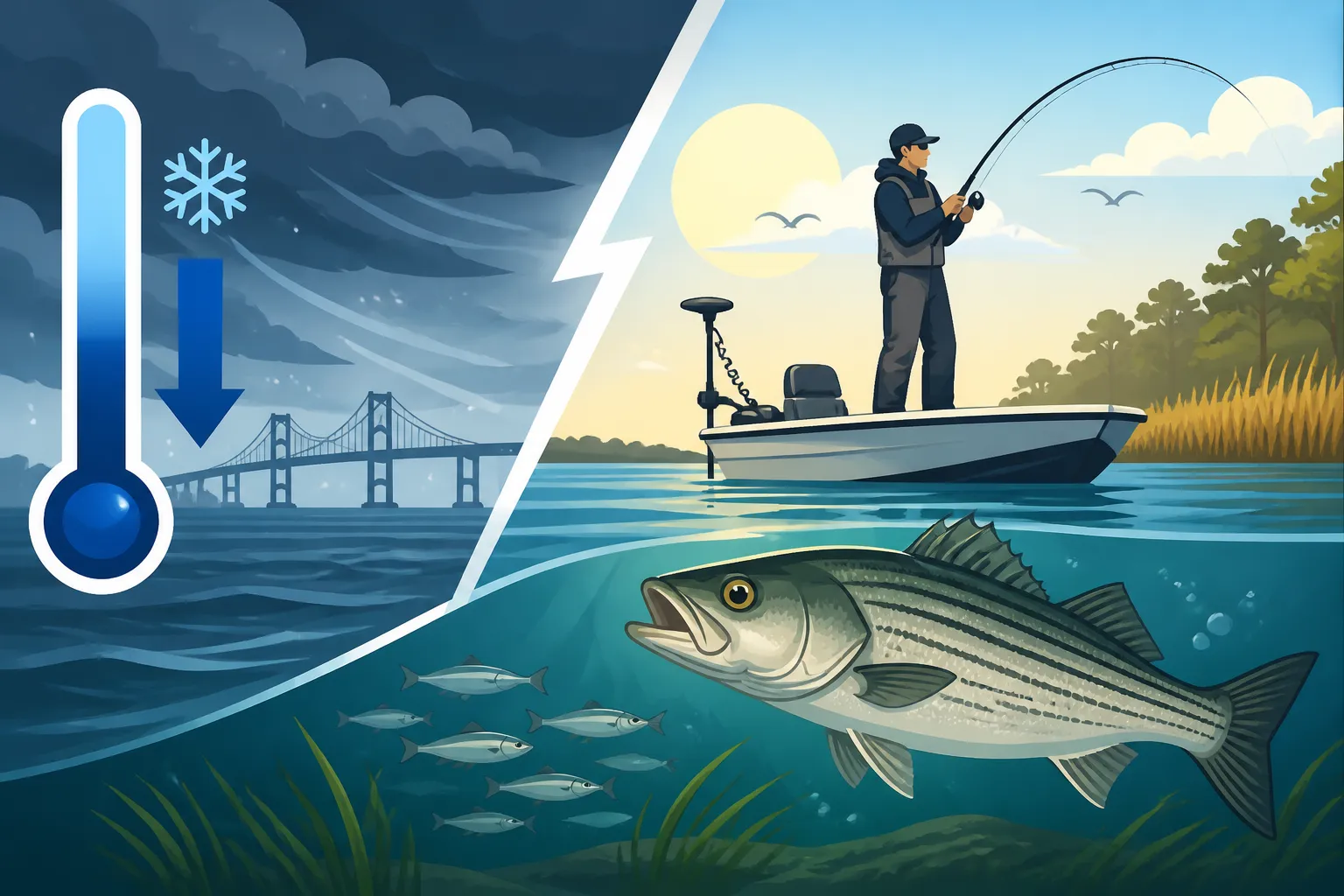
The most immediate and noticeable impact of a cold front is the drop in water temperature. Even a change of a few degrees can have a profound effect on fish, especially cold-blooded species like striped bass, white perch, and even the blue catfish. Their metabolism slows down significantly when the water cools. Think of it like us trying to run a marathon in freezing weather without proper gear – we'd be sluggish and probably looking for a warm, cozy spot to conserve energy, right? Fish are no different. They become less active, their digestive processes slow, and their need to feed aggressively diminishes. This often means they'll move from shallow, exposed areas to deeper waters where temperatures are more stable. A shallow flat that was teeming with actively feeding fish yesterday might be a ghost town today, simply because the sun warmed it enough, and now that warmth is gone. This shift isn't just about comfort; it's about survival and conserving energy until conditions stabilize.
Barometric Pressure Changes and Fish Behavior
It's not just temperature; the air pressure plays a huge role too. Before a cold front, barometric pressure typically falls, often leading to increased fish activity. This is why some of the best fishing can happen right before a storm! However, after a cold front passes, the barometric pressure usually rises sharply and stabilizes at a higher level. Many anglers refer to this as "high pressure fishing," and it's generally associated with tougher conditions. Fish, particularly those with swim bladders, can feel these pressure changes acutely. A rapid rise in pressure can cause discomfort, making them feel "squeezed" or out of sorts. This often leads them to become less willing to chase baits and more prone to seeking cover or dropping deeper to equalize the pressure on their bodies. They become more cautious, less aggressive, and often "hug" the bottom or structure, making them harder to entice.
Water Clarity and Wind Effects
Another significant, though often overlooked, consequence of a cold front is its effect on water clarity and wind. Strong winds often accompany the passage of a cold front. These winds can churn up shallow waters, especially in the Bay's less protected areas or tidal rivers, stirring up sediment and drastically reducing water clarity. This can make it harder for fish to see your lures and for them to hunt effectively. Conversely, after the wind dies down, the water might settle and clear up considerably. While clearer water sounds great, it can also make fish more wary and spooky, especially in shallow areas where light penetration is high. Fish in clear, calm conditions are often more easily startled and might require a stealthier approach and more natural presentations. Observing the water color and clarity before you even cast your first line can give you a critical advantage in adapting your strategy.
Strategies for Locating Fish After a Cold Front
Once you understand why fish behave differently after a cold front, the next logical step is figuring out where they've gone. It's like a game of hide-and-seek, but with fins. The key is to think like a fish and predict their movements based on their comfort and survival instincts.
Targeting Deeper, More Stable Waters
When the shallows cool down and the barometer rises, fish often seek refuge in deeper, more stable environments. This means focusing your efforts on areas where the water temperature remains more constant and where they can find some relief from the pressure changes. Think about the deeper channel edges that crisscross the Chesapeake Bay, the numerous drop-offs, or the distinct deep holes you find in various rivers. These spots offer a thermal buffer against sudden air temperature changes. For instance, if you're fishing near the mouth of a tidal river like the Choptank or Patuxent, instead of the shallow grass beds, you'd want to concentrate on the edges of the main shipping channels or any identifiable deep pockets in the riverbed. Using your sonar or fish finder becomes absolutely invaluable here. You're not just looking for fish; you're looking for subtle changes in bottom contour that indicate deeper water or abrupt depth changes that could be holding fish. These deeper zones often provide the kind of consistency that cold-front-stressed fish are looking for, allowing them to hunker down until conditions improve.
Focusing on Structure and Cover
Beyond just depth, fish will actively seek out structure and cover after a cold front. These features provide not only a physical break from current but also offer a sense of security and a slight thermal advantage. Imagine an oyster reef in the middle of the Bay. Its intricate nooks and crannies offer countless hiding spots, and the sheer mass of the reef can sometimes retain heat better than a flat, sandy bottom. Submerged wrecks, bridge pilings (like those under the Chesapeake Bay Bridge), and even dense areas of submerged aquatic vegetation (SAV) can act as prime ambush points and comfort zones. Fish will often "stick" to these structures, not actively chasing bait but waiting for an easy meal to swim by. For example, if you're near the Bay Bridge, instead of trolling open water, you might want to concentrate on Fishing Around Maryland's Spring Spawning River Closures pilings, carefully dropping jigs or baits right on top of any marks you see on your fish finder. These structures can be real magnets for reluctant fish, offering them a place to feel safe and conserve energy while still being in a position to feed if the opportunity arises.
Adapting to Changes in Forage Location
It's not just the gamefish that react to cold fronts; the baitfish do too! Menhaden, silversides, and other small bait species will also seek deeper, more stable waters or protective cover. This means the schools of bait that were actively feeding in the shallows might now be tucked away in deeper channels or tight to structure. Logically, the gamefish you're targeting will follow their food source. So, if you're not seeing bait on your sonar in your usual shallow spots, start looking for those dense schools in deeper areas or near prominent structure. When you find the bait, the predators are usually not far behind. Pay attention to your electronics for not just big fish arches, but also those cloud-like masses that indicate baitfish schools. Sometimes, you might not see surface activity, but the sonar will reveal the entire food chain happening deeper down. The key is to put your offerings right in front of where those baitfish are holding, as a sluggish gamefish isn't going to expend much energy chasing. If you're wondering What Do Striped Bass Eat in the Chesapeake Bay?, remember they'll still be looking for an easy meal, even if their metabolism is slow.
Adjusting Your Techniques and Lures for Post-Front Conditions
Once you've managed to locate where the fish are hiding after a cold front, your battle is only half won. The other crucial element is how you present your bait or lure. Aggressive, fast-moving presentations that worked before the front will likely be ignored by lethargic, cold-shocked fish. It's time to slow down, scale down, and think about presenting an irresistible, easy meal.
Slowing Down Your Presentation
This is perhaps the most critical adjustment to make after a cold front. Gone are the days of ripping jigs or blazing fast retrieves that entice aggressive, actively feeding fish. Post-front fish are sluggish, unenthusiastic, and won't chase. Your goal is to put your bait directly in front of their noses and keep it there long enough for them to decide it's an easy meal. This means slowing everything down to a crawl.
If you're jigging, think subtle lifts and long pauses. Let the jig sink, twitch it gently a foot or two off the bottom, and then let it sit. Count to five, ten, even fifteen seconds before your next subtle movement. This "dead-sticking" approach can be incredibly effective when fish are barely moving. For those who enjoy Maryland Striped Bass Fishing Techniques, this might involve a very slow retrieve of a soft plastic on a light jig head, barely bouncing it along the bottom or hovering it just above a channel edge. If you're trolling, reduce your boat speed significantly. Instead of covering vast amounts of water quickly, focus on thoroughly working smaller, promising areas. The fish aren't going to chase down a fast-moving spoon or plug, but they might casually inhale a slow-moving umbrella rig or a single bucktail jig. Every movement you make, from the retrieve of your lure to the speed of your boat, needs to be dialed back considerably.
Choosing the Right Lures and Baits
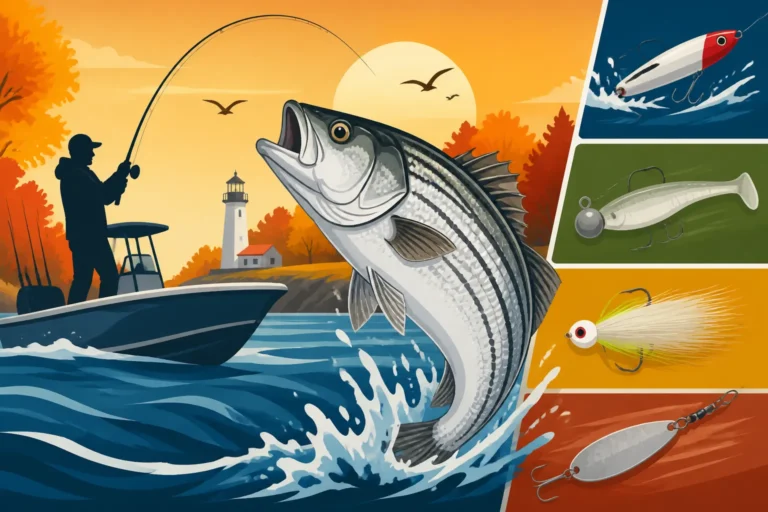
When fish are reluctant, lure selection becomes paramount. You need something that looks appealing, requires minimal effort from the fish to catch, and possibly even smells good. Smaller, more subtle lures are generally the way to go. Forget the flashy, noisy baits that attract attention from a distance; now you want something that screams "easy meal" up close. Soft plastic baits, especially those with slender profiles like a Gulp! shrimp or a small paddle tail, rigged on a light jig head, are often incredibly effective. The subtle action of a soft plastic at a slow retrieve can mimic a wounded baitfish, an irresistible target for a lethargic predator.
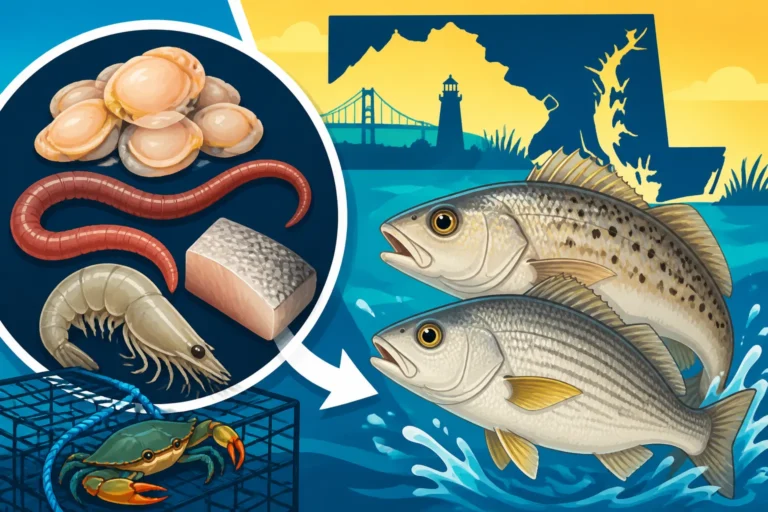
Natural colors tend to outperform bright, aggressive ones. Think hues of chartreuse, white, pearl, or even natural browns and grays that blend with the baitfish common in the Bay. And don't underestimate the power of scent! Adding a scent attractant to your artificial lures can make a huge difference, triggering a bite even from a hesitant fish. If you're able to use live bait, this is often the golden ticket. Small live minnows, spot, or bloodworms on a simple bottom rig can be incredibly effective, especially for species like white perch or even sluggish striped bass. When stocking up, you can find a huge variety of these types of baits and scents if you browse fishing supplies on Amazon. Remember, the goal isn't to provoke a chase, but to present something so tempting and easy that the fish can't help but bite.
Considering Water Column and Depth
After a cold front, fish don't just move to deeper water; they often orient themselves very specifically within the water column. They might hug the bottom, suspend just above structure, or even be found at a particular depth where the water temperature is most consistent. It's rare for them to be scattered throughout the entire water column. This means you need to be methodical in your approach to depth.
Start by targeting the bottom or just a few feet off it, especially if you're over channel edges or deep holes. If you're not getting bites there, slowly work your way up. Fish tend to stay lower in the column when stressed, but sometimes a slight adjustment of just a few feet can put your lure right in their strike zone. Your fish finder is your best friend here, not just for locating fish, but for understanding at what depth they are holding. Pay close attention to what your electronics are telling you. If you see fish tightly bunched at 25 feet over a 30-foot bottom, that's precisely where your bait needs to be. For species like White Perch in Maryland's Chesapeake Bay, they might stack up tight in deeper channels, and you'll need to drop your jig or bait right into their midst. Experiment with different depths until you find that sweet spot, as even a small difference can be the key to triggering a bite.
Species-Specific Approaches After a Cold Front
While the general principles of slowing down and fishing deeper apply across the board, different species in the Chesapeake Bay react to cold fronts with their own unique quirks. Tailoring your approach to the specific fish you're targeting can significantly increase your odds of success.
Striped Bass Rockfish
Maryland's beloved striped bass, or rockfish as we affectionately call them, can be notoriously challenging after a cold front. Their metabolism slows, making them less aggressive and more likely to hold tight to structure or deeper channels. You won't find them chasing down fast-moving baits with the same vigor. Instead, they'll become ambush predators, waiting for an easy meal to swim by.
Your best bet is to focus on areas like channel edges, bridge pilings, submerged wrecks, and deep oyster reefs. Use techniques that keep your lure in their strike zone for longer. Vertical jigging with soft plastics or metal jigs can be highly effective. Drop your jig to the bottom, then make slow, subtle lifts and long pauses. The goal is to make the lure look like a struggling baitfish, an easy target that doesn't require a lot of energy to catch. Slow trolling smaller bucktails or umbrella rigs at very low speeds, barely ticking the bottom or structure, can also work wonders. Live-lining spot or eels, if available, can also entice a bite, as a live bait struggling slowly is hard for a sluggish striped bass to resist. Remember that even during these tougher times, the Maryland Rockfish Slot Limit Explained still applies, so be sure to measure carefully and release any fish outside the legal slot. Persistence and patience are your best friends when targeting post-front rockfish.
White Perch and Yellow Perch
These panfish are often a reliable fallback when other species get tight-lipped after a cold front. While they too become less active, they tend to school up very tightly in predictable locations, making them easier to target once found. After a cold front, white perch and yellow perch will generally move to deeper channels, holes, or congregate around hard bottom structure like oyster beds or sunken debris.
The key to catching them is to find these tight schools and then present small baits directly to them. Bottom fishing with bloodworms, grass shrimp, or small pieces of cut bait on a bottom rig is often deadly. Use small hooks (sizes 4 to 8) and light line to maximize your bites. For those who prefer artificials, tiny jigs (1/8 to 1/4 ounce) tipped with a small soft plastic grub or a piece of Gulp! scented bait can be very effective. Vertical jigging these small offerings directly into a school of perch marked on your fish finder will almost always get a bite. During colder times, especially in winter, perch will stack up in specific deep pockets, making Winter Fishing for White Perch in Maryland a real possibility if you know where to look and slow your presentation. While the spring White Perch Spawning Runs in Maryland Rivers are legendary for active fishing, post-front conditions demand a more precise and patient approach.
Catfish Blue Catfish, Channel Catfish
Unlike many other species, catfish, particularly the invasive blue catfish that has made itself quite at home in Maryland's rivers, can sometimes remain quite active even after a cold front. While they might still seek deeper holes, their robust nature and diverse diet mean they can be a consistent target when other fish are shut down. This makes them an excellent option for anglers looking for action when the Bay gets chilly.
Blue catfish are particularly resilient to temperature and pressure changes. They will often congregate in deeper channels, holes, or around significant current breaks in rivers like the Potomac or Susquehanna. After a cold front, they might not be as eager to chase, but they'll still be looking for an easy, scent-laden meal. Your best strategy is to bottom fish with strong-smelling baits. Cut bait, such as chunks of fresh bunker, gizzard shad, or even chicken liver, fished on a stout bottom rig, is incredibly effective. Let your bait soak on the bottom in known catfish haunts. If you're new to it, there's a lot to learn about the Maryland Blue Catfish, an Invasive Giant and the best ways to catch them. Focus on areas where the current slows down, allowing the scent of your bait to linger. While they might not strike aggressively, a gentle tug or a slow bend in the rod can indicate a bite. Be patient, as they might mouth the bait before committing. For more specific advice, exploring Best Bait for Blue Catfish in Maryland Rivers can provide additional insights into what these resilient fish are feeding on when the weather turns cold.
| Cold Front Impact | Fish Behavior | Recommended Adjustment | Target Species Example |
|---|---|---|---|
| Water Temp Drop | Metabolism slows, fish seek stable temps. | Fish deeper channels, drop-offs, and structure. | Striped Bass, White Perch |
| Rising Barometric Pressure | Fish become lethargic, hold tight to cover. | Slow down presentation, use smaller baits, longer pauses. | Striped Bass, Yellow Perch |
| Water Clarity/Wind | Churned water (low visibility) or very clear water (spooky). | Use scented baits in murky water; natural colors, stealth in clear water. | Catfish, Perch |
| Forage Movement | Baitfish move deeper or to cover. | Locate baitfish with sonar; fish where they are concentrated. | All predatory species |
| Reduced Aggression | Fish less likely to chase, prefer easy meals. | Use live bait or subtle, slow-moving artificials. | Striped Bass, Crappie |
Disclaimer
This article is for general informational purposes only and does not constitute professional advice. Laws, prices and regulations vary by location and change over time. Consult a qualified professional for guidance on your specific situation.