Preseason Trout Stocking in Maryland, Explained
There's a unique anticipation that builds as winter gives way to spring in Maryland, especially for those of us who live for the tug of a trout on the line. Yet, the official opening day can feel ages away, leaving many anglers wondering what's happening in their favorite streams before the crowds descend. This guide dives deep into Maryland's preseason trout stocking program, explaining when these fish arrive, where to find them, and how to navigate the specific rules that govern this exciting, early-season fishing opportunity.
Understanding Maryland's Trout Stocking Program
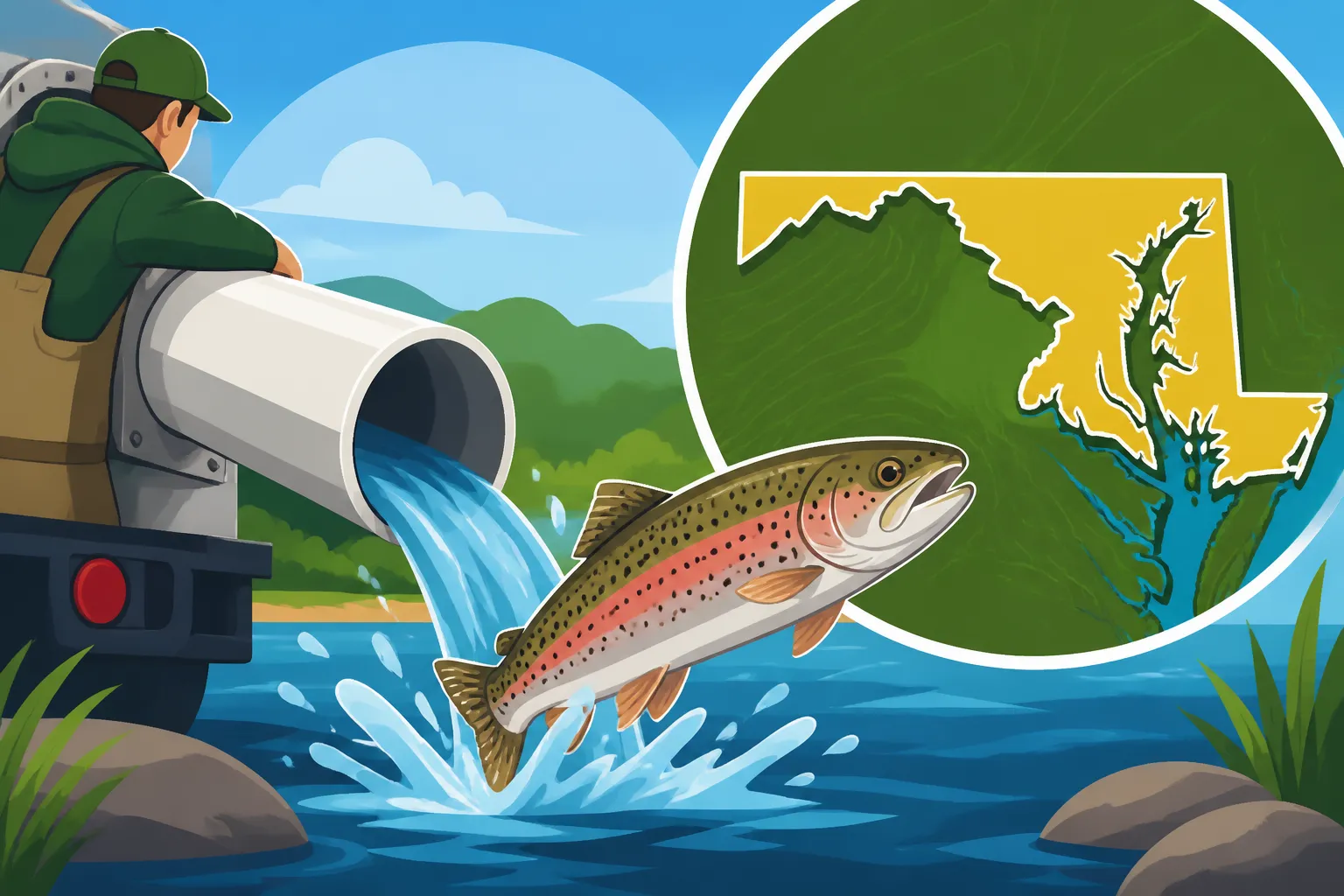
Maryland's Department of Natural Resources (DNR) goes to great lengths to provide diverse and accessible trout fishing opportunities across the state. This isn't just about dumping fish into a stream; it's a carefully planned operation designed to enhance angler success and distribute pressure on our waterways. The preseason stocking program is a cornerstone of this effort, setting the stage for what many consider the true start of the spring fishing season.
The Rationale Behind Preseason Stocking
You might wonder why the DNR stocks trout before the official spring opener, especially when many waters are still quite cold. The primary reason is strategic distribution and angler opportunity. By spreading out the stocking schedule, the DNR aims to prevent a massive rush of anglers to every single stream on one particular day, which could lead to overcrowded conditions and stressed fish populations. It also helps ensure that a healthy number of trout are available when the traditional season kicks off.
Beyond crowd control, early stocking allows the trout to acclimate to their new environment gradually. These fish, often raised in hatcheries, benefit from a period to adjust to natural water flows, temperatures, and available forage before they face intense angling pressure. This acclimation can lead to stronger, more active fish and, ultimately, a better fishing experience for you. It's a thoughtful approach that balances conservation with recreational demand, ensuring that anglers have a fair shot at catching trout throughout the season.
Types of Trout Stocked in Maryland
When you hear about trout stocking in Maryland, you're primarily talking about three species: Rainbow Trout, Brown Trout, and the occasionally stocked Golden Rainbow Trout. Each of these species brings something a little different to the angling experience, and knowing a bit about them can help you tailor your approach.
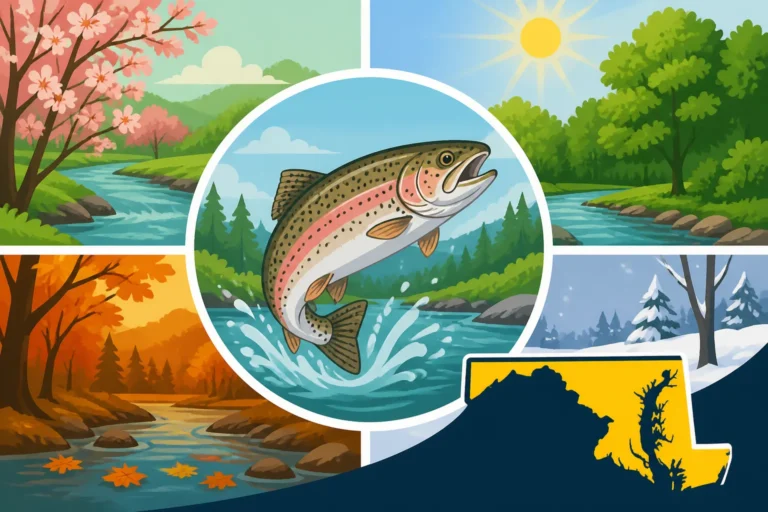
Rainbow Trout are by far the most commonly stocked trout in Maryland. They are known for their vibrant colors and aggressive feeding habits, making them a popular target for anglers of all skill levels. Rainbows tend to be quite active after stocking and are often found throughout the water column. Brown Trout, while also stocked, are generally a bit more elusive. They can be more wary and prefer to hide in deeper pools or under cover. They also tend to be more resilient in warmer water, sometimes surviving through the summer in certain streams. Then there's the beautiful Golden Rainbow Trout, a genetic variant of the rainbow trout, recognizable by its striking golden-yellow hue. These "goldens" are stocked in smaller numbers and are a prized catch, often generating a lot of excitement among anglers when one is landed. The presence of these different species adds variety to the Maryland trout fishing scene.
Here's a quick overview of the characteristics of Maryland's stocked trout:
| Trout Species | Common Size (stocked) | Identification | General Behavior After Stocking |
|---|---|---|---|
| Rainbow Trout | 10-14 inches | Pinkish stripe, dark spots, squarish tail | Aggressive, active, often school in runs and pools |
| Brown Trout | 10-16 inches | Dark spots with light halos, reddish spots, square tail | More elusive, prefers cover, often holds deeper |
| Golden Rainbow | 10-14 inches | Distinctive golden-yellow body, reddish stripe | Similar to Rainbows but highly sought after due to color |
Knowing which species are in the water you're fishing can help you decide on your presentation and target areas. For more detail on these species, you can check out guides like Maryland Trout Species Guide.
When and Where Preseason Stocking Happens
The magic of preseason stocking often feels a bit like a mystery, doesn't it? One day the stream is quiet, the next, it's teeming with fresh trout. While the exact dates are never publicly announced too far in advance (to avoid overwhelming certain spots), the Maryland DNR does provide general timelines and ways to keep anglers informed, making it easier to plan your early spring excursions.
The Calendar of Trout Stocking
Preseason trout stocking in Maryland typically kicks off in late winter and continues into early spring, generally from February through March, sometimes even into April depending on conditions. The precise timing is heavily dependent on weather patterns, water temperatures, and stream conditions. A sudden cold snap or heavy rainfall can delay a stocking, while mild weather might allow it to happen earlier than anticipated. The DNR carefully monitors these factors to ensure the best possible survival rates for the fish and optimal fishing conditions for anglers.
While specific dates for individual streams are kept under wraps until just before they happen, the DNR does publish a spring trout stocking schedule on their website. This schedule is usually updated daily or weekly once stocking begins, allowing anglers to see which waters have just been stocked. It’s a bit of a chase, but that’s part of the fun for many dedicated trout enthusiasts. This dynamic schedule means that being proactive and regularly checking the DNR's resources is key to timing your trips perfectly. For a broader overview of the year, you might find our guide on Maryland Trout Season, Month by Month helpful.
Identifying Stocked Waters
So, how do you find out which streams and lakes are participating in the preseason program? The Maryland DNR website is your absolute best friend here. They maintain an updated list of stocked trout waters, often categorized by county and water body type (e.g., put-and-take areas, delayed harvest sections). Beyond the official website, local tackle shops are often excellent sources of real-time information. Shop owners and staff are usually deeply connected to the local angling community and receive updates, sometimes even participating in the stocking process itself.
Another great resource is to join online Maryland fishing forums or social media groups. Anglers often share information (and excitement!) when they see stocking trucks or hear reports of recent drops. Just remember to always verify information with official DNR sources when it comes to regulations and closures. Being in the know about these waters is half the battle; the other half is understanding the specific rules that might apply.
Navigating Restricted Areas and Closures
This is where things can get a little tricky, and it's absolutely crucial to pay attention to the rules surrounding preseason stocking. Many of Maryland's most popular trout waters have specific closure dates or special regulations in place before the traditional spring opening day. These closures are designed to give the newly stocked trout time to disperse and acclimate, as well as to create an "opening day" experience for those who enjoy the tradition. Fishing these waters during a closed period can lead to fines and penalties, which nobody wants.
Additionally, some streams might be open for fishing during the preseason but operate under "Catch and Release Only" rules or require special gear like barbless hooks. This is particularly common in "Delayed Harvest" streams, where trout are stocked in the fall and spring, and anglers can only catch and release them during certain periods before a harvest season opens later in the year. Always consult the current Maryland Fishing Guide, available on the DNR website, to understand the specific regulations for the water body you plan to visit. Understanding the nuances of Maryland Delayed Harvest Trout Waters Explained can save you from a potential violation.
Fishing Strategies for Preseason Stocked Trout
Catching freshly stocked trout isn't always as simple as it sounds. While they might be eager biters shortly after being released, their behavior can change quickly. Developing effective strategies for gear, bait, and location is key to a successful outing during the preseason.
Gear and Tackle Considerations
When targeting preseason stocked trout, a lighter approach often yields the best results. These fish are typically hatchery-raised and, while not wild, can still be a bit skittish in their new surroundings. A light to ultra-light spinning rod and reel combo is usually ideal. Look for a rod in the 5 to 6.5-foot range with a fast or moderate-fast action, paired with a small spinning reel (size 1000 or 2000). Spool your reel with 4 to 6-pound monofilament or fluorocarbon line; anything heavier can be too visible and reduce your casting distance and bait presentation.
For leader material, a 2 to 4-pound test fluorocarbon leader about 18-36 inches long can be incredibly effective, as it's nearly invisible underwater and less prone to abrasion than monofilament. Small hooks, typically sizes 10 to 14, are also important, especially when using natural baits. Remember that subtle presentations are often the most successful, so don't overpower your setup. If you're looking to stock up on new gear or replace old equipment, you can find a wide variety of suitable rods, reels, lines, and tackle boxes on Amazon, often with helpful reviews from other trout anglers.
Best Baits and Lures for Freshly Stocked Trout
Freshly stocked trout are often quite willing to bite, making them a great target for both natural baits and artificial lures. When it comes to bait, power-style baits like PowerBait (in various colors like neon chartreuse, rainbow, or salmon peach) are perennial favorites. Mold it onto a small treble or single hook with a small split shot or two a foot or so above it, allowing it to float just off the bottom. Other excellent natural baits include mealworms, wax worms, garden worms, and even kernel corn. These are familiar scents and tastes for hatchery fish and can be incredibly effective, especially in put-and-take areas where the goal is often to harvest fish. For a comprehensive look, see our guide on Best Bait for Put-and-Take Trout in Maryland.
For artificial lures, small inline spinners (like Panther Martins, Mepps, or Rooster Tails) in sizes 0 to 2 are deadly. Silver, gold, or brass blades with a variety of body colors work well. Small spoons, like Kastmasters or Little Cleos, in sizes 1/16 to 1/8 ounce, can also entice strikes. When using lures, a steady retrieve is often best, but don't be afraid to experiment with pauses or twitches. The key is to match the hatch, if possible, or at least present something that mimics common forage or simply irritates them enough to strike. You can easily find a fantastic selection of these effective trout lures and baits on Amazon to fill your tackle box.
Locating Trout in Stocked Waters
Once these trout are released into a stream or lake, they don't just stay in one spot. While some might linger near the stocking points for a short time, they quickly begin to disperse. Understanding where they're likely to hold can dramatically increase your chances of success. Look for areas with slower currents, like the downstream side of large rocks or logs, where they can rest without expending too much energy. Deeper pools, especially those with some overhead cover or submerged structure, are also prime locations, offering security and a consistent flow of food.
Trout will often congregate in eddies, current breaks, and seams where fast-moving water meets slower water. These spots are perfect ambush points for passing nymphs or baitfish. Also, pay attention to any visible structure – fallen trees, undercut banks, or bridge pilings – as these provide excellent cover. In lakes or ponds, stocked trout will often cruise along shorelines, around submerged vegetation, or near any deeper drop-offs. Don't be afraid to move and cover a lot of water; the trout might be spread out, and actively searching for them is often more productive than staying in one spot.
Rules and Regulations Specific to Preseason Stocking
Fishing during the preseason can be a fantastic experience, but it's absolutely vital to be aware of and adhere to the specific rules and regulations. Maryland DNR is diligent in enforcing these, and ignorance of the law is never an excuse.
Understanding Possession Limits and Creel Limits
When fishing for trout in Maryland, particularly during the preseason and leading up to the main spring season, understanding possession and creel limits is paramount. A "creel limit" refers to the maximum number of fish you can legally keep in a single day, while a "possession limit" is the maximum number of fish you can have in your possession at any given time (this typically means what you have on your person or in your cooler). For stocked trout, these limits can vary depending on the specific water body and the time of year.
During the preseason, especially in "put-and-take" waters that are temporarily closed, there might be no possession allowed until the official opening day. Once the season opens, the general daily creel limit for trout in most put-and-take areas is 5 fish, with no minimum size limit. However, always double-check the latest Maryland Fishing and Boating Guide, as these regulations are subject to change. Some special regulation areas, like Catch and Release Only sections, will explicitly state that no fish may be kept. Violating these limits can result in significant fines, so it’s always better to be certain. Our Maryland Trout Daily Creel Limit guide can offer more specific details.
Special Regulations for Specific Waters
Maryland has a variety of trout fishing management areas, each with its own set of rules designed to provide different angling experiences. It’s not a one-size-fits-all situation, and this is where many anglers can inadvertently fall foul of the law. You'll encounter:
- Put-and-Take Trout Areas: These are waters heavily stocked with trout, specifically managed for anglers to harvest fish. They often have an official "opening day" after a preseason closure.
- Delayed Harvest Trout Streams: These streams are stocked in the fall and spring. From October 1 to June 15, they are strictly Catch and Release Only, often with artificial lures and flies only, and barbless hooks required. After June 15, they typically open to a harvest season with specific creel limits.
- Catch and Release Only Areas: As the name suggests, any trout caught in these areas must be immediately released unharmed. These areas are managed for trophy potential and quality angling.
- Fly Fishing Only Zones: Some sections of streams are designated for fly fishing only, often with other restrictions like artificial lures only and barbless hooks.
It is absolutely crucial to know which type of water you are fishing and what its specific regulations are. For instance, fishing the popular Fishing the Gunpowder Falls Delayed Harvest Section requires a different approach and adherence to stricter rules than a typical put-and-take pond. The Maryland DNR Fishing Guide is updated annually and is the definitive source for all these regulations.
The Importance of a Maryland Fishing License
Let's be crystal clear: you always need a valid Maryland fishing license to fish for trout in Maryland waters, even during the preseason stocking periods, unless you fall under a specific exemption (like Maryland's Free Fishing Days, which typically occur in June and July, or age exemptions for very young anglers). There is no "grace period" or assumption that because it's preseason, a license isn't required.
In addition to a basic fishing license, if you're targeting trout in designated trout management areas, you'll also need a Finescale (Trout) Stamp. This stamp is an additional endorsement on your fishing license and the funds generated from its sales go directly back into the trout stocking program, helping to ensure these opportunities continue year after year. Even if you're only planning to catch and release, the trout stamp is still required. It’s a small investment that supports the very resource you're enjoying. Before heading out, make sure you're properly licensed and stamped; you can learn more by reading our Maryland Fishing License Guide for 2026 and Maryland Trout Stamp Requirements. You can even investigate Can You Add a Trout Stamp After Buying a Maryland Fishing License? if you need to.
The Angler's Etiquette and Conservation
Beyond the rules, there's an unwritten code of conduct that helps preserve the angling experience for everyone and protects our precious natural resources. Practicing good etiquette and embracing conservation principles are vital, especially during busy times like the preseason trout stocking.
Practicing Responsible Catch and Release
While some stocked trout are meant for harvest, many anglers, especially in special regulation areas, practice catch and release. If you're going to release fish, doing it responsibly is just as important as the catch itself. First and foremost, handle the fish as little as possible. Wet your hands before touching the trout to protect its delicate slime coat, which acts as a barrier against disease. Avoid placing the fish on dry ground or rocks.
When unhooking, use pliers or a hook remover to quickly and gently remove the hook. If the fish is deeply hooked, it's often better to simply cut the line as close to the hook as possible rather than tearing vital organs. Support the fish upright in the water until it regains its strength and swims away on its own. Avoid "reviving" a fish by moving it back and forth; rather, hold it steady facing into a gentle current. Barbless hooks also make catch and release much easier and less damaging to the fish. Embracing these techniques ensures that those beautiful trout can live to fight another day, contributing to a healthier fishery.
Respecting Fellow Anglers and Property
Trout stocking events, especially during the preseason or on opening day, can draw a crowd. Being mindful of your fellow anglers is a crucial part of the experience. Give others space; don't crowd into someone's fishing spot, especially if they were there first. A good rule of thumb is to allow at least 20-30 feet of space between anglers, more if the water allows. If you're moving upstream or downstream, try to pass behind other anglers rather than in front of them, and do so quietly to avoid spooking the fish.
Beyond respecting people, respect the environment and private property. Always carry out everything you carry in, including old fishing line, bait containers, and any trash. Many stocked streams flow through private land, and accessing these areas depends on the goodwill of landowners. Stick to established paths, close gates behind you, and never litter. Leaving a fishing spot cleaner than you found it ensures continued access for everyone. Remember, we're all guests in these beautiful natural spaces.
The Role of Anglers in Maryland's Trout Management
As anglers, we're more than just participants; we're also stewards of the resource. Our observations and actions play a significant role in the ongoing management of Maryland's trout fisheries. If you notice any potential violations, such as someone keeping undersized fish, exceeding creel limits, or fishing in a closed area, it's important to report it to the Maryland Natural Resources Police (NRP). You can find their contact information on the DNR website, and many areas have a dedicated poaching hotline. Providing details like location, time, and a description of the individuals or vehicles involved can be incredibly helpful.
Beyond reporting violations, consider participating in angler surveys or citizen science programs if the DNR offers them. Your feedback on fishing conditions, catch rates, and observations can help fisheries biologists make informed decisions about stocking levels, regulations, and habitat improvements. Every angler's voice and commitment to ethical practices contribute to the health and sustainability of Maryland's trout fishing for future generations.
Disclaimer
The information provided in this guide is for general informational purposes only and is subject to change. Fishing regulations, stocking schedules, and legal requirements are updated regularly by the Maryland Department of Natural Resources (DNR). Always consult the most current official Maryland Fishing and Boating Guide, available on the DNR website, or contact the DNR directly before planning any fishing trip to ensure compliance with all applicable laws and regulations.