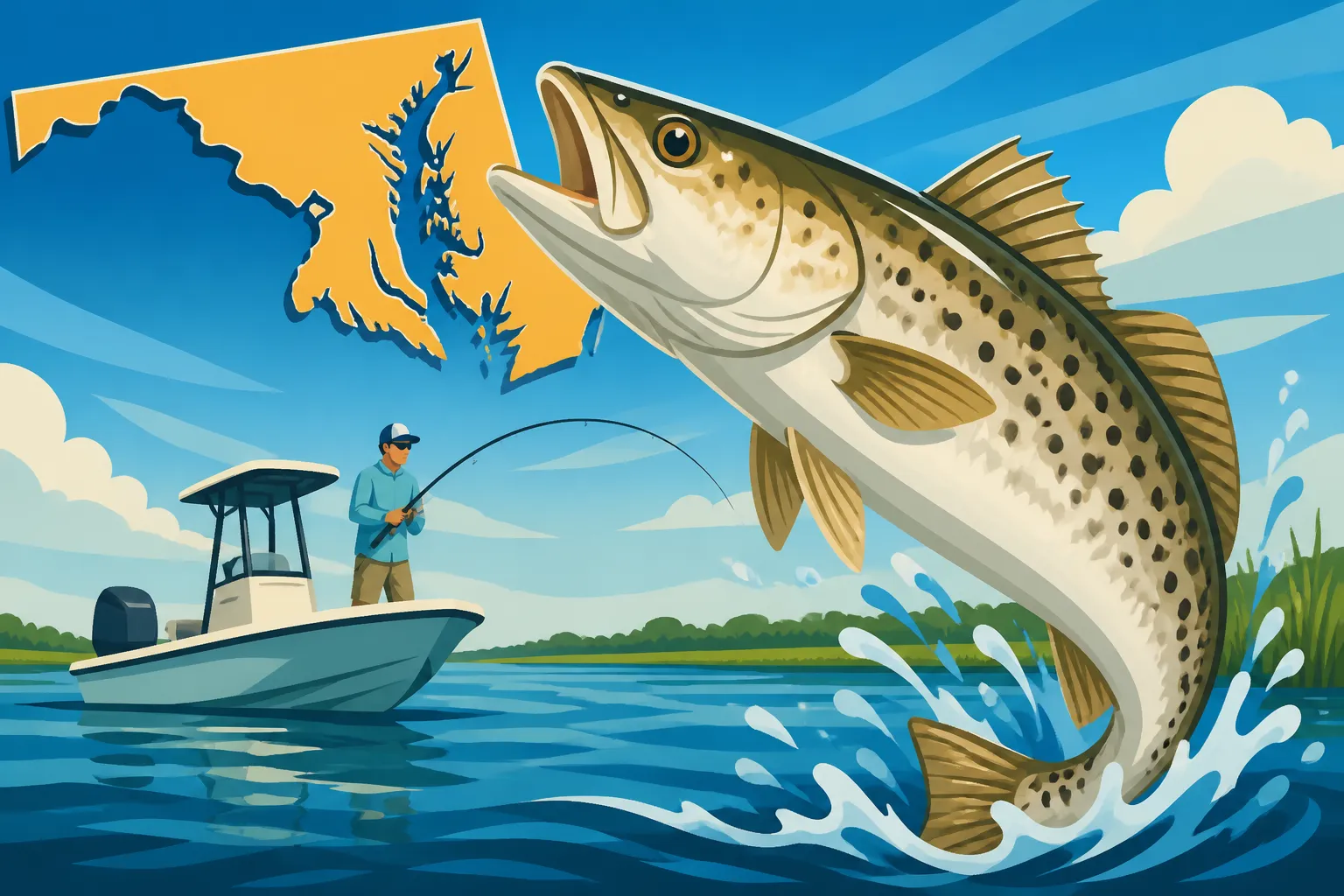
Fishing Tangier Sound for Speckled Trout
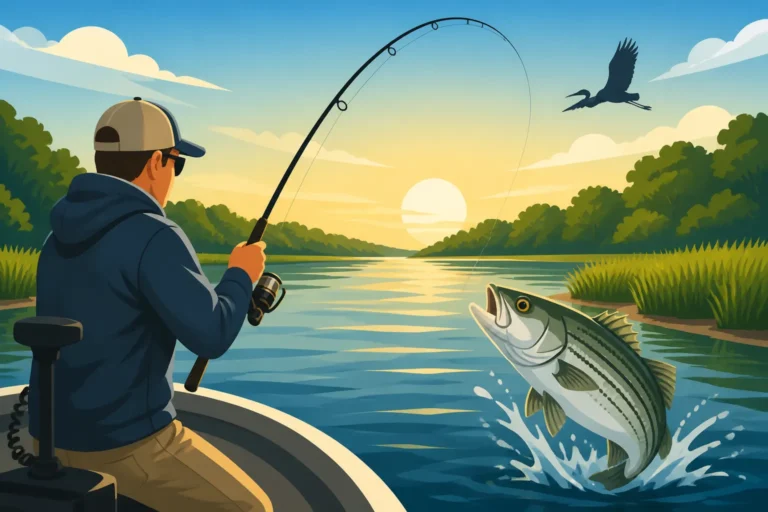
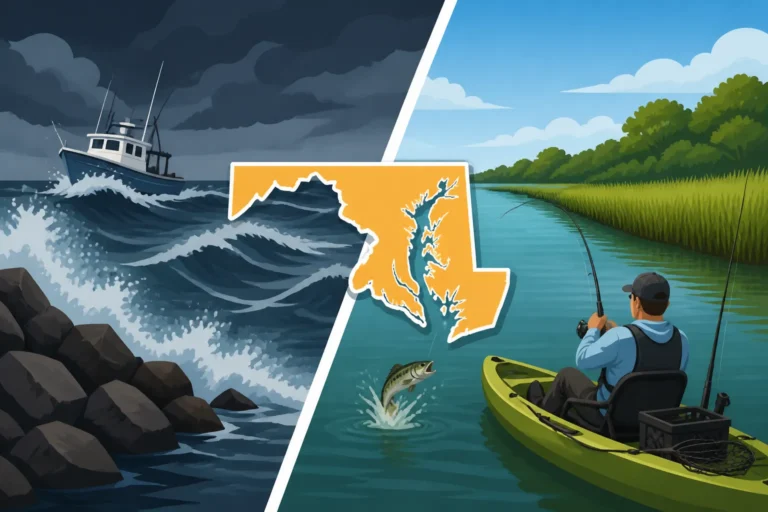
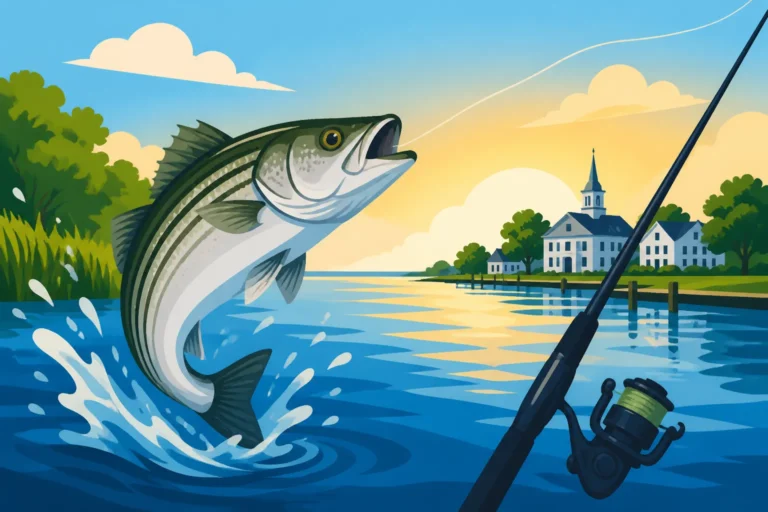
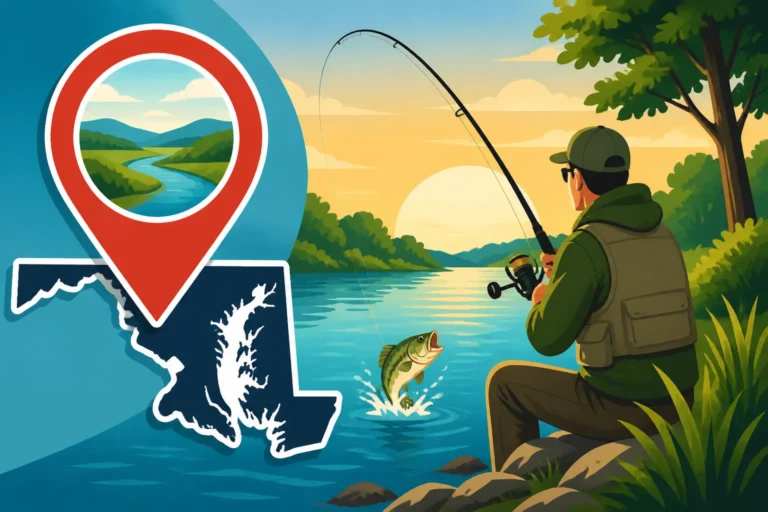
There's nothing quite like the thrill of chasing a genuinely beautiful, elusive fish, and for many anglers in Maryland, that means setting their sights on speckled trout in the vast, serene waters of Tangier Sound. It’s a pursuit that often feels like a well-kept secret, far removed from the hustle of other Bay fisheries. But if you’ve ever cast a line into these brackish waters hoping for that telltale tap, only to come up empty or confused about where to even begin, you know the frustration. This guide is here to unravel the mysteries of fishing Tangier Sound for speckled trout, helping you understand their habits, the best techniques, and where to find these stunning fish.
Understanding Speckled Trout in Tangier Sound
Speckled trout, often affectionately called "specks" or "spotted seatrout," are a truly magnificent species, renowned for their iridescent colors and aggressive strikes. While they're found throughout the Mid-Atlantic and Southern states, their presence in Tangier Sound makes them a special prize for Maryland anglers. This unique corner of the Chesapeake Bay offers a specific set of conditions that these fish absolutely thrive in, making it a prime destination for those looking to add a speck to their catch list.
What Makes Tangier Sound Ideal for Speckled Trout?
Tangier Sound, nestled on the lower Eastern Shore of Maryland, is a labyrinth of shallow water, extensive grass beds, marsh islands, and intricate creek systems that feed into the main sound. This complex environment is a perfect nursery and feeding ground for speckled trout. Unlike the deeper, more open waters of the mainstem Bay, Tangier Sound maintains a lower salinity and offers abundant baitfish, like peanut bunker, mullet, and silversides, that specks absolutely gorge themselves on. The vast expanse of submerged aquatic vegetation (SAV) provides crucial cover, ambush points, and oxygenated water, acting as a natural sanctuary for both predator and prey.
The warm, shallow waters of the sound are particularly attractive to speckled trout, especially as water temperatures rise in late spring and summer. These areas heat up faster than the deeper bay, activating the metabolism of specks and their prey. The extensive marsh edges and numerous tidal guts create natural current breaks and feeding lanes, allowing these fish to conserve energy while waiting for an unsuspecting meal to drift by. It’s a dynamic ecosystem, ever-changing with the tides and seasons, demanding a keen eye and understanding of the local nuances to truly unlock its potential.
When to Target Speckled Trout in Tangier Sound
Timing is everything when it comes to successfully targeting speckled trout in Tangier Sound. While they are present year-round to some extent, there are distinct seasons when their activity peaks and your chances of a successful outing are significantly higher. Generally, the prime seasons are spring and fall, when water temperatures are in their sweet spot.
In the spring, typically from April through June, as water temperatures climb into the mid-50s and 60s Fahrenheit, speckled trout begin to move out of their deeper wintering grounds and into the shallower, warmer waters of the sound. This is often triggered by the annual baitfish migration and the warming effect of the sun on the vast grass flats. Anglers will find them congregating along marsh edges, creek mouths, and the perimeters of grass beds. It's a time of renewed feeding activity after the colder months, and they can be quite aggressive.
The fall run, usually from September through November, is arguably the most productive and exciting time to target specks. As the days shorten and water temperatures begin to cool, speckled trout go into a pre-winter feeding frenzy, trying to pack on as much weight as possible. This is when you'll often find them schooled up, busting bait on the surface, and hitting lures with remarkable ferocity. It’s also when some of the largest "gator" trout are caught, as they aggressively pursue baitfish before retreating to deeper, more stable waters for the winter. During the peak of these runs, an experienced local guide can be invaluable for finding the hot spots, and platforms like FishingBooker can help you connect with captains familiar with the nuances of fall fishing in Tangier Sound. If you're wondering about other species during this time, you might also find some great information in our guide on the Best Time of Year to Fish in Maryland.
Identifying Speckled Trout
It's easy to get excited when you hook into a fish in Tangier Sound, but it's important to be able to positively identify a speckled trout, especially given the various species that share these waters. Speckled trout are part of the drum family, and their most distinctive feature, as their name suggests, are the numerous small, dark, often iridescent spots scattered across their back and upper flanks, extending down to their lateral line. These spots are irregular in shape and size, and their coloration can vary from silver to golden, often with hints of purple or blue, especially when freshly caught.
They have an elongated, somewhat slender body with a prominent dorsal fin that is divided into two parts, the first being spiny and the second soft-rayed. Their mouth is large, with a distinctive set of two prominent canine-like teeth at the front of the upper jaw, which is a key identifying feature that helps distinguish them from other look-alikes like weakfish (grey trout) or even small striped bass. While weakfish also have spots, they are usually much fewer and often arranged in wavy lines rather than random speckles. Understanding these visual cues is crucial not only for proper identification but also for adhering to specific fishing regulations, which vary by species. You can find more details on differentiating species in our How to Identify a Striped Bass vs a White Perch in Maryland article, which also touches on some common lookalikes.
Essential Gear and Techniques for Tangier Sound Speckled Trout
Success with speckled trout in Tangier Sound largely hinges on having the right tackle and employing techniques that match their behavior and habitat. These fish aren't usually gear-shy, but they are opportunistic, and presenting your lure or bait effectively can make all the difference.
Rods, Reels, and Line
When it comes to tackle, precision and sensitivity are key. You want to feel every subtle tap and be able to make accurate casts into tight spaces around marsh grass or structure.
- Rods: A 7-foot to 7-foot, 6-inch medium-light to medium power fast-action spinning rod is generally ideal. The fast action allows for good casting distance and sensitivity to detect subtle bites, while the medium-light power provides enough backbone to fight a respectable trout without overpowering smaller fish. Look for rods with a good tip sensitivity, as specks can sometimes be finicky eaters.
- Reels: Pair your rod with a lightweight spinning reel in the 2500 to 3000 series. A smooth drag system is critical, as specks can make surprising runs, especially when hooked in the shallow water. Durability and corrosion resistance are also important for saltwater environments.
- Line: Spool your reel with 10 to 15-pound braided line. Braid offers superior casting distance, incredible sensitivity, and minimal stretch, which is vital for detecting those light bites. Attach a 2- to 3-foot leader of 15 to 20-pound fluorocarbon to your main line using a uni-to-uni knot or an FG knot. Fluorocarbon is nearly invisible in the water, offers good abrasion resistance against oyster shells and grass, and provides a little stretch for shock absorption.
Remember, the goal is balanced tackle that makes fishing enjoyable and effective. Overpowering these fish with heavy gear can take away from the sport and make it harder to detect bites.
Best Lures and Baits
Speckled trout are not overly picky, but certain presentations consistently outperform others. Their diet primarily consists of smaller baitfish and crustaceans, so mimicking these natural food sources is your best bet.
- Soft Plastics: These are arguably the most versatile and effective lures for speckled trout. Think curly-tail grubs, paddle tails, and shrimp imitations. Brands like Z-Man, Bass Assassin, and Gulp! have excellent options. Rig them on a lightweight jighead (1/8 to 1/4 ounce, depending on depth and current) and work them with a slow retrieve, interrupted by short twitches or pauses. Natural colors like pearl, chartreuse, motor oil, and clear with glitter are often highly productive.
- Topwater Lures: There’s nothing quite like a speckled trout exploding on a topwater lure. These are particularly effective during low-light conditions (dawn and dusk) or on overcast days when specks are actively hunting near the surface. "Walk-the-dog" style lures like the Heddon Super Spook Jr. or MirrOlure MirrOdine Surface Walkers are excellent choices. Poppers can also be deadly. The key is to work them with a steady rhythm, creating enticing splashes and glides that mimic a wounded baitfish.
- Suspending Plugs/Twitchbaits: Lures like the MirrOlure MirrOdine or Paul Brown Original series are deadly for specks. These lures suspend at a certain depth when paused, allowing you to work them slowly over grass beds or through deeper pockets. A "twitch, twitch, pause" retrieve is a classic presentation that often triggers aggressive strikes.
- Live Bait: If artificials aren't cutting it, live bait is almost always a surefire option. Live shrimp, peanut bunker, or small finger mullet free-lined or fished under a popping cork are irresistible to speckled trout. A popping cork creates noise and splash, mimicking feeding activity, and keeps your bait suspended just above the grass. You can find more detail on bait options in our article on Best Bait for Blue Catfish in Maryland Rivers, although that is for a different species, the principles of live bait presentation can sometimes cross over.
Fishing Methods and Strategies
Tangier Sound's unique topography dictates effective fishing strategies. It's a shallow-water fishery, meaning you'll often be targeting fish in just a few feet of water, sometimes even less.
- Casting to Structure: Focus your casts on areas that provide cover or ambush points. This includes the edges of marsh islands, the mouths of tidal creeks, oyster reefs, dock pilings, and especially the vast submerged grass beds. Speckled trout love to sit just inside the grass lines, waiting for bait to swim by. Fan casting around these areas, covering different angles and depths, is crucial.
- Drifting and Wading: Many anglers find success by drifting with the tide across large grass flats, casting soft plastics or suspending plugs. This allows you to cover a lot of water and find active schools. For those with smaller boats or kayaks, wading can be incredibly effective, allowing you to stealthily approach prime spots. When kayak fishing, understanding your gear and safety is paramount; check out our Kayak Fishing Techniques for Maryland Waters for more insights.
- Sight Fishing: In clear, calm conditions, especially on sunny days, it's sometimes possible to sight-fish for speckled trout as they cruise the shallow flats or "tail" in the grass. This requires patience and polarized sunglasses, but the thrill of spotting your target and making a perfect cast is unparalleled.
- Tide and Current: Pay close attention to the tides. Speckled trout are often most active on a moving tide, especially the incoming or outgoing tide around creek mouths and points, as baitfish are swept along. The transition periods between tides can also be highly productive. Understanding how tides affect fishing can greatly improve your success, and our article on How Tides Affect Fishing in Maryland's Chesapeake Bay can provide further insights.
Navigating Tangier Sound: Access and Best Fishing Spots
Tangier Sound is expansive, and knowing where to launch and which areas to focus on can be a bit daunting for the uninitiated. It’s a place that rewards exploration, but a few key locations can serve as excellent starting points.
Public Access Points and Launches
The most popular and well-equipped gateway to Tangier Sound for Maryland anglers is Crisfield, Maryland. Crisfield, known as the "Seafood Capital of the World," offers several excellent public boat ramps and marinas that provide direct access to the sound.
- Janes Island State Park: Located just outside of Crisfield, this park offers excellent multi-lane boat ramps, ample parking, and easy access to the numerous marsh guts and islands that characterize the sound. It's a fantastic spot if you're bringing your own boat, whether it's a bay boat, john boat, or even a kayak. The park itself is a haven for wildlife and a beautiful place to spend the day, even if the fish aren't biting.
- Crisfield City Dock: While more oriented towards commercial operations and charter boats, the city dock area also provides access and services for recreational anglers.
- Other smaller ramps: Throughout the lower Eastern Shore, you'll find various smaller, often less-developed ramps or roadside launches that can provide access to specific creeks or marsh areas. These often require a shallower draft boat or kayak but can get you into some less-pressured waters. Always check local signage and regulations before using private or community ramps.
For those without their own boat, finding a local guide or fishing from shore in limited areas near Crisfield can still offer opportunities, though the prime speck fishing is undeniably best accessed by watercraft. If you're planning a trip, consider our general guide to Best Places to Fish in Maryland for broader context, but remember Tangier Sound is a specific gem.
Key Structures and Habitats to Target
Tangier Sound is a vast, complex ecosystem, but certain features consistently hold speckled trout. Knowing these key structures and habitats is like having a treasure map to productive fishing grounds.
- Submerged Aquatic Vegetation (SAV) Beds: These vast underwater grass flats are the single most important habitat for speckled trout. Specks use the grass for ambush points, protection, and to hunt the abundant baitfish that reside within them. Look for transition areas where dense grass meets open water, or where channels cut through the flats. Cast your lures right into the grass and retrieve them just above or through it.
- Marsh Edges and Islands: The myriad of marsh islands and the intricate shoreline of the sound provide countless pockets, points, and coves where specks will hold. Focus on areas with good current flow that are pushing bait along the marsh edge. Casting parallel to these edges is often a highly effective strategy.
- Tidal Guts and Channels: These deeper cuts and channels provide travel routes and feeding lanes for speckled trout, especially during lower tides when they might retreat from the super-shallow flats. The mouths of these guts, where they meet the broader sound, are often excellent ambush points.
- Oyster Reefs: While not as widespread or prominent as in some other parts of the Bay, any natural or artificial oyster shell bottom can be a magnet for baitfish and, consequently, speckled trout. These areas offer structure and feeding opportunities.
Utilizing a good bathymetric chart (fishing map) or a modern GPS/sonar unit on your boat can help you identify these key structures and navigate the often-shallow waters safely. Many experienced anglers also rely on tide charts to plan their approach to specific spots, knowing when the water movement will be most advantageous.
Hiring a Local Guide or Charter
Let's be honest, Tangier Sound can be intimidating if you've never fished it before. Its vastness, shallow depths, and intricate network of marsh can make it challenging to find fish, especially a specific species like speckled trout. This is where the invaluable knowledge of a local fishing guide or charter captain comes into play.
A good local guide lives and breathes these waters. They know the subtle nuances of the tides, where the baitfish are holding, and the precise spots where specks are most likely to be ambushing prey. They can save you countless hours of trial and error, getting you directly to the fish and teaching you the most effective techniques for the current conditions. Many guides specialize in light tackle fishing for speckled trout and will provide all the necessary gear, ensuring you have the right rods, reels, and lures. If you're a beginner or just visiting the area, a guided trip can be the best way to experience the fishery and drastically increase your chances of success. You can find many reputable local captains through online platforms designed for booking fishing trips, such as FishingBooker, which allows you to compare guides, read reviews, and find someone who specializes in speckled trout on Tangier Sound. Before you go, remember that while the charter covers the boat's license, you may still need your own, so check out Do You Need Your Own License on a Maryland Charter?. When considering a charter, platforms like FishingBooker make it easy to see what options are available and find captains with open dates, especially during the peak fall run when speckled trout are most active.
Regulations and Conservation for Speckled Trout in Maryland
As passionate anglers, it's not just about catching fish; it's about preserving the fishery for future generations. Speckled trout populations can fluctuate, and adhering to Maryland's regulations and practicing good conservation habits are essential to ensure these beautiful fish remain abundant in Tangier Sound.
Current Size and Creel Limits
Maryland's Department of Natural Resources (DNR) sets specific regulations for speckled trout to manage their population and ensure sustainable fishing. These regulations can change, so always check the most current Maryland Fishing and Boating Guide or the DNR website before you head out.
- Size Limit: Historically, speckled trout have a minimum size limit, often around 12 or 14 inches. This means any fish shorter than that must be immediately released unharmed.
- Creel Limit (Daily Bag Limit): There is also a daily creel limit, which dictates the maximum number of speckled trout you can keep per person per day. This limit is typically in the range of 5 to 10 fish.
These regulations are put in place to allow enough fish to reach spawning maturity and contribute to the next generation, as well as to maintain a healthy breeding stock. It’s crucial to measure your fish accurately, from the tip of the nose to the tip of the tail, before deciding whether to keep it. If you're unsure about the specific rules for other species you might encounter, a visit to our Maryland Fishing Size and Catch Limits by Species guide can offer comprehensive information. Also, remember that your Maryland Fishing License Guide for 2026 will have all the up-to-date regulations.
Here's a sample table showing hypothetical (but realistic) regulations for speckled trout in Maryland, to illustrate the kind of information you need to look for:
| Species | Minimum Size Limit (Total Length) | Daily Creel Limit | Season Dates | Notes |
|---|---|---|---|---|
| Speckled Trout | 14 inches | 5 fish per person | Open Year-Round | Subject to change, check MD DNR annually |
Please note: The regulations in this table are illustrative. Always consult the official Maryland Department of Natural Resources (DNR) website or their current Fishing and Boating Guide for the most up-to-date and accurate rules.
Practicing Catch and Release
Even if a fish meets the legal size and creel limits, many anglers choose to release speckled trout, especially larger "gator" trout, which are often the most prolific spawners. Practicing responsible catch and release significantly contributes to the health of the population.
Here are some tips for effective catch and release:
- Minimize Handling: Try to keep the fish in the water as much as possible. If you must handle it, do so gently with wet hands, supporting its belly.
- Barbless Hooks: Consider using barbless hooks or pinching down the barbs on your hooks. This makes hook removal much easier and reduces trauma to the fish. While there might not be a Barbless Hook Rules on Maryland Trout Streams specific to specks, it's a good practice across all fisheries.
- Proper Hook Removal: Use needle-nose pliers or a dehooking tool to quickly and cleanly remove the hook. If the fish is deeply hooked, it’s often best to cut the line as close to the hook as possible rather than trying to rip it out.
- Revive the Fish: If the fish seems stressed, hold it gently in the water, facing into the current, until it regains its strength and can swim away on its own. Never just toss a tired fish back into the water.
By being mindful of how we handle our catch, we ensure that released fish have the best chance of survival, contributing to a robust and vibrant speckled trout population in Tangier Sound for years to come.
Protecting Tangier Sound's Ecosystem
The health of the speckled trout fishery is directly tied to the health of the entire Tangier Sound ecosystem. This fragile environment, with its expansive grass beds and marshlands, is a vital nursery for countless species and a critical filter for the Chesapeake Bay.
- Respect the Habitat: Avoid running your boat through shallow grass beds, which can damage the delicate vegetation. Be mindful of your wake and prop wash, especially near shorelines and sensitive marsh areas.
- Litter Prevention: Always pack out everything you pack in. Dispose of all trash, including fishing line, responsibly. Monofilament line can be deadly to wildlife.
- Report Violations: If you witness illegal fishing activity, such as exceeding creel limits, keeping undersized fish, or poaching, report it to the Maryland Natural Resources Police. You can find information on how to do this in our Maryland Fisheries Complaint and Poaching Hotline guide. Protecting this unique fishing spot is a collective effort.
- Support Conservation: Consider supporting organizations dedicated to Chesapeake Bay restoration and conservation. Their efforts in improving water quality and restoring vital habitats directly benefit speckled trout and all other species in Tangier Sound.
Tangier Sound is a treasure, offering a fishing experience that is both challenging and incredibly rewarding. By understanding the fish, using the right gear, respecting the environment, and adhering to regulations, you can enjoy many memorable days chasing these beautiful speckled trout. Whether you're a seasoned angler or just starting your adventure, this corner of Maryland promises unparalleled natural beauty and exciting fishing opportunities.
Disclaimer
The information provided in this guide is for general informational purposes only. Fishing regulations, seasons, and licensing requirements in Maryland can change frequently. It is the angler's responsibility to consult the latest official regulations from the Maryland Department of Natural Resources (DNR) before engaging in any fishing activities. We recommend checking the MD DNR website or their current Fishing and Boating Guide for the most accurate and up-to-date information.