Where Locals Fish When the Bay Is Too Rough
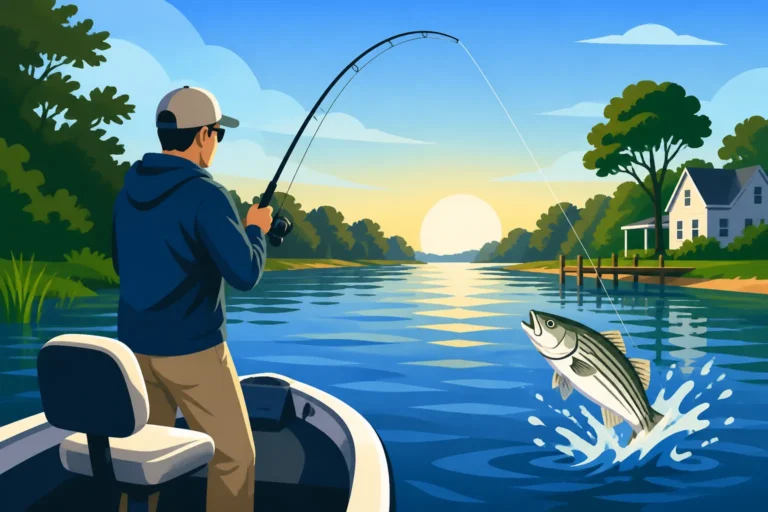
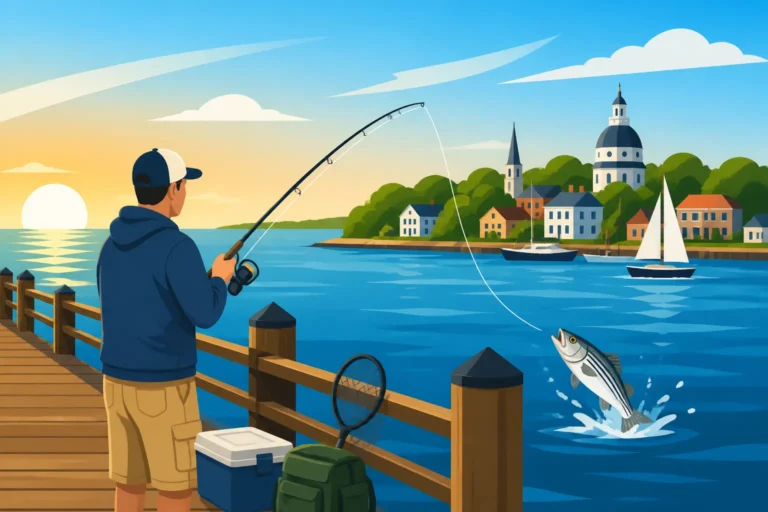
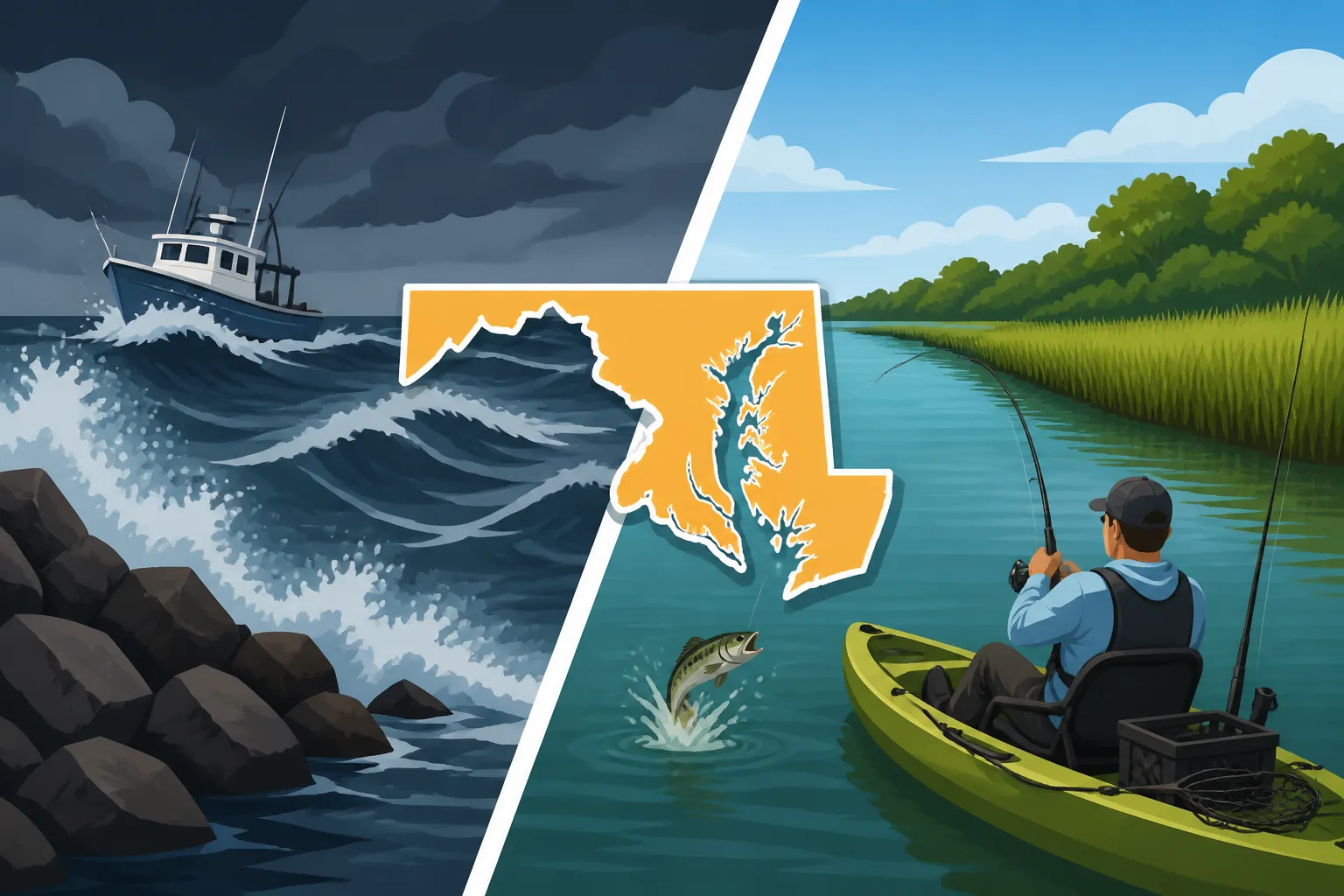
There’s nothing quite as frustrating for a Maryland angler as waking up with a boat ready to hit the water, or gear packed for a favorite pier, only to find the wind howling and the Chesapeake Bay looking like a washing machine. Those days when the main stem of the Bay is just too rough for a safe, or even enjoyable, fishing trip can really put a damper on your plans. But don't despair! This guide is all about helping you discover the incredible network of sheltered waters and productive inland spots where Maryland locals turn when the big Bay gets a little too wild.
Understanding Why the Chesapeake Bay Can Get So Rough
Before we dive into the calmer waters, let's briefly touch on why the Chesapeake Bay can sometimes feel like a miniature ocean, completely ruining your plans for a peaceful day of fishing. It's not always calm, and ignoring its mood swings can be a serious mistake.
The Dynamics of Wind, Fetch, and Shallow Waters
The Chesapeake Bay, despite being an estuary, is a massive body of water. Its sheer size means that a sustained wind, especially from the north or south, can generate considerable "fetch"—the distance wind travels over open water. The longer the fetch, the larger the waves become. Combine this with the Bay's relatively shallow average depth, and you get a recipe for choppy, steep, and often dangerous waves. Unlike the deep ocean, shallow water waves tend to be tighter and break more aggressively, making for a much less pleasant experience in smaller boats, or even larger ones. A brisk 15-20 knot wind can quickly turn a calm morning into a white-capping nightmare, making it impossible to hold a fishing spot, let alone move safely.
Impact on Anglers and Fishing Success
When the Bay is rough, it's not just about comfort; it's about safety. Operating a boat in rough conditions is physically taxing, dangerous, and can lead to seasickness for even seasoned anglers. Beyond safety, your fishing success plummets. It becomes incredibly difficult to maintain boat control for trolling, jigging, or even anchoring effectively. The waves create so much motion that detecting subtle bites is nearly impossible. Live bait might struggle, and artificial lures won't present naturally. Not to mention, the stirred-up sediment can reduce water clarity, pushing fish to deeper, more structured areas or completely turning them off the bite. Many serious anglers realize that rather than fighting an unwinnable battle with Mother Nature, it's smarter to seek out sheltered waters where fish are still actively feeding, and the fishing experience remains enjoyable.
Exploring Protected Tidal Tributaries and Backwaters
When the main Bay is churned up, the countless rivers, creeks, and protected coves that feed into it become absolute havens for anglers. These areas often offer significantly calmer conditions and incredible fishing opportunities, proving that you don't need to brave the open water to find a good bite. You might even find yourself preferring these spots!
Eastern Shore Rivers and Sheltered Coves
The Eastern Shore of Maryland is crisscrossed with a fantastic network of tidal rivers that are prime alternatives when the main Bay is unwelcoming. Rivers like the Choptank, Chester, and Nanticoke offer expansive stretches of water that are buffered from the full force of Bay winds by landmasses.
Consider the Choptank River, particularly its middle and upper reaches. Here, you'll find numerous creeks and coves like Tuckahoe Creek or La Trappe Creek that provide excellent shelter. These areas are fantastic for targeting white perch, which stack up in deeper holes and around structure, especially in the cooler months. You might also find resident striped bass (rockfish) in these areas, along with an abundance of channel and blue catfish. For those looking to escape the Bay's chop, Fishing the Choptank River offers fantastic opportunities. Further north, the Chester River also provides similar conditions, with protected shorelines and docks perfect for casting or even light trolling for smaller stripers or a mixed bag of panfish. The Nanticoke River is another gem, renowned for its abundant blue catfish, which are less bothered by stained water and will readily take a variety of baits.
Western Shore Rivers and Protected Areas
Not to be outdone, Maryland's Western Shore also boasts an array of large, protected tidal rivers that are perfect substitutes. The mighty Potomac River, particularly its lower and middle sections before it fully opens to the Bay, is a fantastic option. It’s a massive system with numerous protected coves and secondary creeks where the water stays relatively calm even when the Bay is white-capping. Here, you can target hard-fighting blue catfish, which thrive in these conditions, or even venture into some of the clearer creeks for impressive numbers of northern snakehead. If you're looking for an alternative, Fishing the Potomac River in Maryland has plenty to offer.
Closer to the Bay's heart, the Patuxent River, the Severn River near Annapolis, and the Magothy River also provide excellent refuge. The Patuxent, with its winding course, offers many sheltered bends and deep holes where you can find concentrations of white perch and striped bass. The Severn and Magothy, though smaller, are rich in structure like docks, submerged grass beds, and bridges, which hold fish. These rivers are often overlooked by anglers focused solely on the main Bay, but they can produce incredible fishing, especially when conditions elsewhere are challenging. If you’re ever wondering, "Where to Fish From a Pier Near Annapolis?" or trying to find sheltered spots, these rivers offer a wealth of choices.
The Importance of Smaller Estuaries and Creeks
Beyond the major rivers, don't underestimate the power of smaller, often unnamed, estuaries and creeks that dot the Maryland coastline. These shallow, sheltered areas are often too small for large boats to navigate, but they are perfect for kayaks, canoes, or small johnboats. They warm up faster in the spring and cool down slower in the fall, often holding active fish when other areas are sluggish. Think about the myriad of small creeks off the Honga River or the shallow backwaters of the Eastern Neck Wildlife Refuge. These spots might require a bit more exploration, but they reward anglers with calm waters and often unpressured fish populations. Many of these smaller estuaries are ideal for targeting white perch or even smaller striped bass using light tackle, offering a completely different, and often more serene, fishing experience.
| Tidal Alternative Spot | Primary Species | Typical Conditions | Best Approach |
|---|---|---|---|
| Choptank River | White Perch, Blue Catfish, Striped Bass | Relatively calm in upper reaches/creeks | Bottom fishing, jigging, light tackle casting |
| Potomac River | Blue Catfish, Northern Snakehead, Perch | Calmer in protected coves & tributaries | Bottom fishing, live bait, topwater lures |
| Patuxent River | White Perch, Striped Bass, Catfish | Good shelter in bends and lower creeks | Jigging, casting soft plastics, bait fishing |
| Severn/Magothy Rivers | White Perch, Striped Bass, Panfish | Excellent protection, plenty of structure | Dock fishing, casting, shallow water techniques |
| Smaller Eastern Shore Creeks | White Perch, Small Striped Bass | Very calm, often shallow | Kayak fishing, small boat access, bait fishing |
Heading Inland: Nontidal Lakes, Reservoirs, and Ponds
Sometimes, when the Bay is truly a mess, and even the tidal rivers are showing some chop, the best move is to pivot entirely to Maryland's fantastic nontidal fishing opportunities. These freshwater jewels offer guaranteed calm waters and a completely different set of species to target, ensuring your fishing day is never a wash.
Major Freshwater Reservoirs for Consistent Action
Maryland is home to several impressive reservoirs that serve as crucial drinking water sources and fantastic fishing destinations. These large bodies of water are usually well-protected from wind, even on blustery days, thanks to their winding shapes and surrounding terrain.
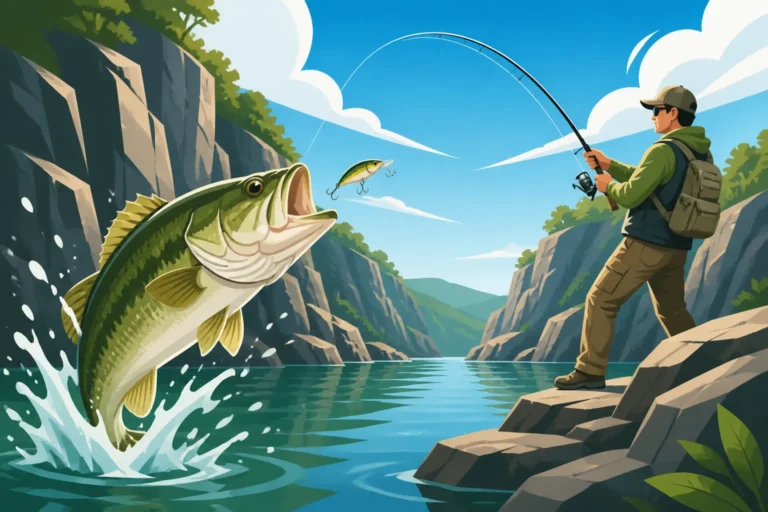
Loch Raven Reservoir near Baltimore is a prime example. This beautiful reservoir is famous for its thriving populations of largemouth bass, which can grow to impressive sizes. It also holds excellent numbers of crappie, yellow perch, and various sunfish. When the Bay is too rough, a trip to Fishing Loch Raven Reservoir means tranquil waters, peaceful scenery, and a high chance of success. Similarly, Liberty Reservoir and Prettyboy Reservoir, both part of the Baltimore watershed system, offer diverse fishing for species like largemouth bass, smallmouth bass, trout (in certain sections), and panfish. These reservoirs often have specific regulations regarding boat access (often electric motors only or rental boats), so it's wise to check with the Maryland Department of Natural Resources (DNR) before you go.
Western Maryland's Mountain Lakes
If you're willing to take a scenic drive west, Maryland's mountain lakes offer unparalleled freshwater fishing in truly serene settings. Deep Creek Lake, the largest freshwater lake in Maryland, is an incredible destination. While it can get choppy on its main body, its numerous coves and fingers offer excellent protection from the wind. This lake is a cold-water haven, hosting walleye, smallmouth bass, yellow perch, chain pickerel, and even some trout. A rough Bay day can be perfectly replaced by a productive day of Fishing Deep Creek Lake, targeting walleye in the deeper channels or smallmouth bass around rocky points and humps.
Further west, Rocky Gap State Park's Lake Habeeb, though smaller, is another fantastic option. This picturesque lake is regularly stocked with trout, and also holds good populations of largemouth bass, sunfish, and channel catfish. It's a great spot for families or anglers looking for a more relaxed experience, often staying calm even when other areas are windy.
Local Ponds and Community Lakes
Don't overlook the smaller, often hidden, gems: local ponds and community lakes. These smaller bodies of water are typically well-sheltered by trees and terrain, making them almost immune to wind-driven chop. Many public parks and state forests in Maryland manage small ponds specifically for fishing. These spots are fantastic for a quick trip, especially if you're looking for panfish (bluegill, sunfish, crappie) or even modest largemouth bass. They're often ideal for beginners or young anglers due to their accessibility and the high likelihood of catching something. While they might not hold trophy fish, the sheer volume of bites can be incredibly satisfying and a perfect antidote to a frustratingly rough Bay day. Always check local regulations, as some community ponds may have specific rules or require different licenses. For an easy outing, places like Unicorn Lake in Queen Anne's County or Urieville Lake in Kent County are often stocked and provide excellent family-friendly fishing.
Adapting Your Tactics for Calmer Waters
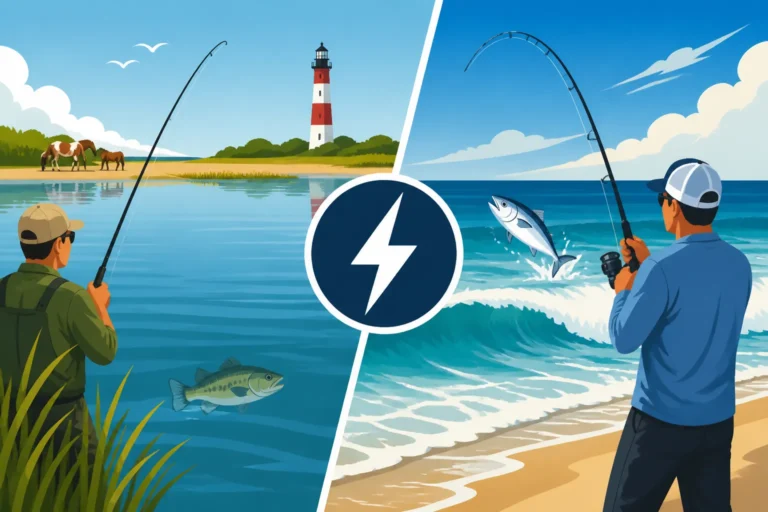
When you shift from the open, potentially rough, Bay to its protected tributaries or inland freshwater, your fishing approach needs to adapt. The tactics that work for trophy striped bass in choppy Bay waters might not be as effective in a quiet creek or a clear reservoir.
Targeting Different Species and Their Habitats
The first adaptation is often a change in target species. While you might be dreaming of big rockfish on the Bay, in protected tidal rivers and creeks, you'll likely focus more on species like white perch, blue catfish, or northern snakehead. These fish thrive in the calmer, often shallower, and sometimes stained waters of the tributaries. For example, White Perch in Maryland's Chesapeake Bay often congregate in deeper holes or around submerged timber in the creeks when the Bay is rough. You'll want to target bridge pilings, fallen trees, and channel drop-offs. For Maryland Blue Catfish, the deep bends of the Potomac or Choptank rivers are prime, and they aren't shy about biting. Northern Snakehead in Maryland Waters will be found lurking in lily pads, grass beds, and submerged structure in the very shallow, protected creeks.
When heading to reservoirs and lakes, you'll shift to freshwater species like largemouth bass, smallmouth bass, crappie, yellow perch, or trout. Each species has preferred habitats: bass often relate to structure like fallen trees, docks, or weed lines; crappie like submerged brush piles; and trout prefer cooler, oxygenated water, often around stream inlets or deeper sections. Understanding these habitat preferences is key to success.
Preferred Baits and Lures for Sheltered Spots
Your tackle and bait choices will also evolve. In rough Bay conditions, heavier jigs, large swimbaits, or substantial chunk baits might be necessary. In calmer, shallower waters, lighter tackle often shines.
For white perch and panfish in tidal creeks or freshwater ponds, small spinnerbaits, tiny jigs (1/16 to 1/8 oz) tipped with a piece of bloodworm, or small soft plastic grubs are incredibly effective. A simple bottom rig with a small hook and a piece of clam or peeler crab will also catch a wide variety of fish in the tidal rivers. For blue catfish, cut bait (like pieces of gizzard shad, menhaden, or even hot dogs) fished on the bottom with a stout circle hook is the go-to. If you're chasing northern snakehead, topwater frogs, weedless swim jigs, and chatterbaits are excellent choices that can be worked through dense cover.
In freshwater reservoirs, conventional bass tactics like Texas-rigged worms, crankbaits, or spinnerbaits work well for largemouth bass. For crappie, tiny jigs under bobbers or small minnows are hard to beat. If you're after trout, PowerBait, mealworms, or small inline spinners are often very productive, especially in stocked waters. Using a site like FishingBooker can help you find local guides who specialize in these specific techniques and species if you're unfamiliar with them. They'll have the right gear and knowledge to put you on fish, even when the Bay is unfishable.
Safety First, Even in Calmer Waters
While these alternative spots offer refuge from the Bay's wrath, safety should always remain your top priority. Even inland lakes and rivers can present hazards.
- Check Local Conditions: While not as dramatic as the Bay, strong winds can still make smaller lakes uncomfortable or even dangerous, especially if you're in a canoe or kayak. Always check the forecast for wind speed and direction, even for inland spots.
- Know Your Vessel's Limits: A small johnboat perfect for a shallow creek might not handle a large reservoir's open stretches on a windy day.
- Wear Your PFD: Personal Flotation Devices are non-negotiable, particularly in smaller boats or kayaks, and especially if you're fishing alone.
- Inform Someone of Your Plans: Let a friend or family member know where you're going and when you expect to return.
- Respect Private Property: Many of these alternative spots have residential shorelines. Always ensure you have legal access and respect private property boundaries.
- Have a Maryland Fishing License Guide for 2026: Even in these calmer waters, a valid Maryland fishing license is almost always required. Make sure you have the correct license for tidal or nontidal waters, or a consolidated one if you plan to fish both.
By being flexible with your location and adaptable with your techniques, a rough day on the Chesapeake Bay doesn't have to mean a wasted fishing day. Maryland offers a diverse tapestry of waterways, and there's almost always a calmer, fish-filled spot waiting for you to discover. If you're ever looking for a specific type of trip, whether it's a bass-focused outing on a reservoir or a blue cat expedition on a tidal river, platforms like FishingBooker allow you to connect with local guides who specialize in these diverse fishing environments, ensuring you make the most of your time on the water.
Disclaimer
Please remember that fishing regulations, including size and catch limits, seasons, and licensing requirements, are subject to change. Always consult the latest Maryland Department of Natural Resources (DNR) fishing guide or website before heading out to ensure you are in compliance with current rules. This guide is for informational purposes only and does not constitute legal advice.