Fishing the Pocomoke River and Cypress Swamp
Many anglers dream of the vast open waters of the Chesapeake Bay, but often overlook the truly wild, mysterious, and incredibly productive fishing experiences hidden within Maryland’s "blackwater" rivers and swamps. If you're looking to escape the crowds and immerse yourself in a unique angling adventure, this guide is your comprehensive key to unlocking the secrets of fishing the Pocomoke River and its enchanting Cypress Swamp.
Unveiling the Pocomoke: Maryland's "Blackwater" Gem
The Pocomoke River, often called Maryland's "blackwater" river, offers an angling experience unlike any other in the state. Flowing through the lower Eastern Shore, it winds its way from its headwaters in the Great Cypress Swamp in Delaware, eventually emptying into the Chesapeake Bay. Its distinctive dark, tea-stained waters are a result of tannins leached from the cypress trees and decaying vegetation, creating a unique, sheltered habitat that is both visually stunning and incredibly rich in fish life.
A Unique Ecosystem: The Blackwater River and Cypress Swamp
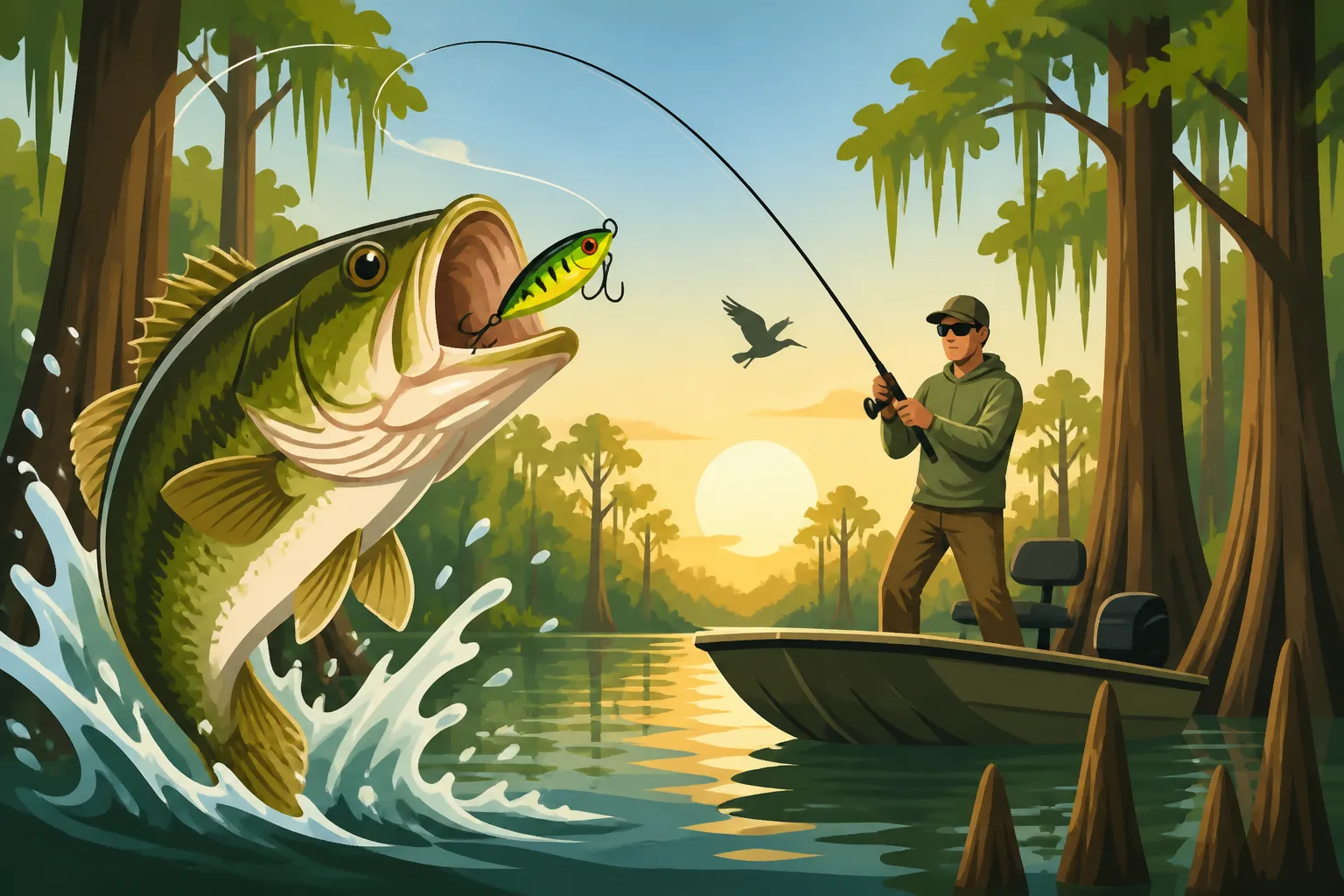
Imagine gliding silently through waters that reflect the sky like polished obsidian, framed by ancient bald cypress trees draped in Spanish moss, their "knees" protruding from the murky depths. This isn't a scene from the bayous of Louisiana; this is the Pocomoke River and its associated Cypress Swamp. The river itself is relatively narrow, especially in its upper reaches, and often shallow, creating an intimate fishing environment. The water’s dark color provides excellent camouflage for predatory fish and absorbs sunlight, often warming faster in spring and retaining heat longer in fall. This unique characteristic also means that sight fishing is nearly impossible; anglers rely heavily on feel, sound, and a keen understanding of fish behavior.
The cypress swamp, particularly evident in areas like the Pocomoke River State Park (which includes Shad Landing and Milburn Landing), provides a dense labyrinth of structure. Fallen timber, submerged logs, and the iconic cypress knees create perfect ambush points and cover for a wide array of fish species. This sheltered environment offers a stark contrast to the often-wind-swept expanses of the Chesapeake, providing calmer waters and a sense of profound natural solitude. The ecosystem transitions from purely freshwater in its upper reaches to brackish tidal waters as it approaches the Chesapeake Bay, allowing for a fascinating mix of species to thrive.
Why the Pocomoke Stands Out for Anglers
Beyond its striking beauty, the Pocomoke River stands out for anglers due to its exceptional biodiversity and the challenge it presents. It's a place where you can feel truly disconnected from the hustle and bustle, allowing you to focus purely on the subtle art of fishing. The calm, winding nature of the river makes it an ideal spot for kayaks, canoes, and small jon boats, allowing access to areas larger vessels simply cannot reach. This seclusion often translates to less fishing pressure compared to more accessible waterways.
Moreover, the Pocomoke is a biological melting pot, hosting species typically found in both freshwater and estuarine environments. From hard-fighting largemouth bass lurking in the shadows of cypress trees to powerful blue catfish patrolling the deeper channels, and the infamous northern snakehead exploding on topwater lures, the river offers a dynamic fishing experience. It's an opportunity to target species that may not be as prominent or accessible in other Maryland waterways, all while being surrounded by an ancient, hauntingly beautiful landscape. The Pocomoke truly offers a chance to experience some of the Best Places to Fish in Maryland if you're looking for something off the beaten path.
Prime Targets: What You'll Catch and When to Go
The Pocomoke River and its Cypress Swamp are teeming with a variety of game fish, each presenting its own unique challenge and reward. Understanding the key species and their seasonal habits is crucial for planning a successful trip.
Key Species and Their Habits
- Largemouth Bass: Without a doubt, largemouth bass are the kings of the Pocomoke's blackwater. They thrive in the abundant cover provided by the cypress knees, fallen trees, and lily pads. These bass are known for their aggressive strikes and powerful fights, often diving straight into the densest cover. You'll find them holding tight to structure, waiting to ambush unsuspecting prey. Targeting trophy largemouth here requires precision casting and strong tackle. For specifics on size, check the Maryland Largemouth Bass Size Limit by Water before you head out.
- Blue Catfish: These invasive giants have found a perfect home in the Pocomoke. They are incredibly abundant and can grow to impressive sizes, offering a powerful fight on heavy tackle. Blue catfish are bottom feeders and are not shy about taking a variety of baits. They are a welcome catch as they are an invasive species, and there is no possession limit on them in Maryland, as detailed in Maryland Blue Catfish Limit, or Lack of One.
- Northern Snakehead: The Pocomoke is one of Maryland's premier destinations for targeting this fascinating, invasive fish. Snakeheads are ambush predators, preferring shallow, vegetated waters where they can hide and strike. They are incredibly aggressive, known for their explosive topwater strikes and surprising strength. Catching a snakehead is often described as a truly unique angling experience. It's important to remember the Maryland Invasive Fish Rules: Blue Catfish and Snakehead and that snakeheads cannot be released if caught.
- Chain Pickerel: Often overlooked but a fun catch, chain pickerel are abundant throughout the river. These slender, toothy predators inhabit similar areas to largemouth bass, hiding in weeds and structure. They strike aggressively and put up a spirited fight, especially on lighter tackle.
- Panfish (Crappie, Yellow Perch, Sunfish): The Pocomoke's tributaries and calmer backwaters are excellent for a variety of panfish. Crappie, particularly black crappie, are popular in spring and fall, congregating around submerged timber. Yellow perch and various sunfish species offer consistent action, especially for family outings or beginners.
- White Perch: In the lower, more brackish sections of the Pocomoke as it nears the Bay, you'll encounter healthy populations of white perch, especially during their spawning runs. They provide fast action and make for excellent table fare.
Best Times and Seasons for Pocomoke Fishing
The Pocomoke River offers productive fishing opportunities almost year-round, but certain seasons shine for specific species.
- Spring (March-May): This is arguably the best time to fish the Pocomoke. As water temperatures rise, largemouth bass become very active, moving into shallower areas for their pre-spawn and spawn. Crappie and yellow perch runs are in full swing, offering fantastic action in the tributaries. The snakeheads also begin to emerge from their winter lethargy and become more active. The spring often allows for great multi-species days.
- Summer (June-August): Don't let the heat deter you. While midday bass fishing can slow, early mornings and late evenings offer incredible topwater action for snakehead, particularly with frog lures, and bass can be found in deeper, shadier pockets or under dense lily pads. Blue catfish remain active throughout the summer and can be caught reliably by targeting deeper holes and channels. The shade provided by the dense cypress canopy also makes summer fishing more bearable than on exposed waters.
- Fall (September-November): As temperatures cool, the Pocomoke comes alive again. Largemouth bass go on a feeding frenzy in preparation for winter, making them highly susceptible to a variety of lures. Pickerel become very active, and the topwater bite for snakehead can remain strong until the water gets truly cold. This is a beautiful time of year to be on the river, with the cypress foliage turning rusty hues. This period is definitely among the Best Time of Year to Fish in Maryland for many species in the Pocomoke.
- Winter (December-February): While slower, winter fishing on the Pocomoke can still be productive, especially for blue catfish, which are often found congregated in deeper holes. Some anglers also find success targeting lethargic largemouth bass with slow presentations of jigs or plastic worms in deep water. Ice fishing is generally not an option due to the river's flow and fluctuating temperatures, but the milder winter days can offer surprising catches.
Tactics for Success: Lures, Baits, and Techniques
Fishing the Pocomoke's blackwater requires specific approaches and an understanding of how fish react in this unique environment.
Mastering Largemouth Bass and Pickerel
For largemouth bass and chain pickerel, the name of the game is targeting structure. These fish love to ambush prey from cover.
- Flipping and Pitching: This is a crucial technique here. Use jigs, Texas-rigged plastic worms or creature baits, and small soft plastic craws to accurately present your bait into tight spots around cypress knees, fallen trees, and dense brush. The dark water makes precise placement even more important, as fish often won't move far to strike. Look for any break in the cover, no matter how small.
- Spinnerbaits and Chatterbaits: These lures are excellent for covering water and eliciting reaction strikes. Their flash and vibration can be very effective in the dark water. Use darker colors like black and blue, or chartreuse patterns that create a strong silhouette.
- Crankbaits and Squarebills: For areas with slightly less dense cover, shallow-diving crankbaits can be highly effective, especially those designed to deflect off wood. Target channel edges, submerged logs, and around lily pad fields.
- Topwater Lures: During warmer months, topwater frogs, poppers, and walking baits can provoke explosive strikes from both bass and pickerel, especially in low light conditions or around heavy vegetation. Imagine a bass blowing up on your frog amidst the lily pads – it's a heart-pounding experience.
- Line Choice: Braided line (30-50 lb test) is often preferred due to its strength, sensitivity, and ability to cut through vegetation, which is critical when a bass immediately tries to bury itself in cover after a strike. A fluorocarbon leader (15-20 lb) can be added for abrasion resistance and stealth.
Battling Blue Catfish and Northern Snakehead
Targeting the invasive species in the Pocomoke offers a different kind of thrill and often a more consistent bite.
- Blue Catfish: These fish are relatively easy to catch once you locate a concentration.
- Bait: Cut bait is king for blue cats. Fresh cut shad, bluegill, or even chicken liver are highly effective. Some anglers also use shrimp or clam snouts. The fresher, the better.
- Rigging: A simple bottom rig, such as a Carolina rig or a three-way swivel rig, works well. Use enough weight (1-3 oz depending on current) to hold your bait on the bottom. Circle hooks (3/0 to 7/0) are recommended as they are safer for the fish and result in better hookups in the corner of the mouth.
- Location: Look for deeper holes, bends in the river, and channel edges, especially those with submerged structure. Blue catfish often congregate in these areas. While similar to strategies in other rivers, understanding How to Catch Blue Catfish in the Potomac River can give you a head start on general catfish behavior.
- Northern Snakehead: These fish provide an incredibly exciting fight, often likened to a mix between a largemouth bass and an angry eel.
- Topwater Frogs: This is the quintessential snakehead lure. Cast them into dense lily pads, hydrilla, and other thick vegetation. Work them slowly with pauses, mimicking a frog or small rodent struggling on the surface. The strike is often violent and unforgettable.
- Chatterbaits and Spinnerbaits: These lures, particularly those with a vibrant skirt and a single large Colorado blade, are effective for snakeheads in slightly more open, but still vegetated, water. The vibration and flash help them locate the lure in the dark water.
- Swim Baits: Soft plastic swimbaits, particularly paddle-tail versions, rigged weedless, can be worked through lighter vegetation or along weed lines.
- Punching Rigs: In extremely dense mats of vegetation, heavy tungsten weights and stout punching skirts or creature baits can be punched through the cover directly into a snakehead's lair.
- Gear: You'll need stout gear for snakeheads: heavy action rods, powerful baitcasting reels, and 50-80 lb braided line. This setup is necessary to extract these powerful fish from heavy cover. Detailed tips can be found in Techniques for Catching Snakehead in Maryland.
Here's a quick comparison of tactics for the primary target species:
| Species | Preferred Habitat | Key Lures/Baits | Recommended Technique | Rod/Line (Example) |
|---|---|---|---|---|
| Largemouth Bass | Cypress knees, fallen logs, lily pads, structure | Jigs, plastic worms, spinnerbaits, crankbaits | Flipping/pitching, slow retrieves, targeting cover | Medium-Heavy Baitcaster/30-50lb Braid |
| Blue Catfish | Deeper holes, channel bends, bottom structure | Cut bait (shad, chicken liver), shrimp | Bottom fishing, anchored rigs | Heavy Action Spinning/20-40lb Mono |
| Northern Snakehead | Dense vegetation, lily pads, shallow cover | Topwater frogs, chatterbaits, swimbaits | Slow retrieves with pauses, punching mats, reaction strikes | Heavy Action Baitcaster/50-80lb Braid |
| Chain Pickerel | Weed lines, submerged grass, woody debris | Spinnerbaits, jerkbaits, spoons, live shiners | Fast retrieves, casting near cover | Medium Spinning/10-20lb Mono |
| Crappie | Submerged timber, brush piles, dock pilings | Small jigs (spider/tube), minnows | Vertical jigging, slow trolling | Light Action Spinning/4-8lb Mono |
Navigating the Waters: Access, Boats, and Regulations
Getting onto the Pocomoke River is part of the adventure. Understanding access points and the specific regulations is key to a smooth and legal fishing trip.
Public Access Points and Boat Ramps
The Pocomoke River is best explored by smaller vessels due to its narrow nature and occasional shallow areas, especially further upstream. Kayaks, canoes, and jon boats are ideal, though small bass boats with shallow drafts can also navigate significant portions of the river.
- Pocomoke River State Park (Shad Landing & Milburn Landing): These are prime access points. Shad Landing, located off MD Route 113, offers excellent boat ramps and camping facilities. It provides access to the main stem of the river and the surrounding cypress swamp areas. Milburn Landing, a bit further upstream, offers a more rustic experience with a boat ramp suitable for smaller boats, making it a fantastic spot for kayak anglers to launch and explore. These spots are fantastic examples of Best Kayak Fishing Spots in Maryland due to the sheltered water and abundant structure.
- Snow Hill: The town of Snow Hill offers public access points and boat ramps, putting you in the heart of some excellent bass and pickerel water. This area has a charm of its own with historic buildings lining the riverbanks.
- Pocomoke City: Further downstream, Pocomoke City provides access to the wider, more tidal sections of the river. Here, you'll find more brackish water species like white perch mixed in with the freshwater game. There are public ramps available that can accommodate slightly larger boats.
Always check the local conditions before launching, especially water levels, as they can fluctuate due to rainfall and tides, affecting navigability in certain areas.
Essential Gear and Regulatory Considerations
Preparing for a trip to the Pocomoke involves more than just bringing your rod and reel.
- Navigation Equipment: Given the dark water and dense cover, a good GPS unit or a reliable mapping app on your phone (like Navionics or C-MAP) can be invaluable. Submerged timber is common, and having a clear understanding of the channel and any hazards is important, particularly for those operating motorized vessels.
- Shallow Water Anchor: For boat anglers, a shallow water anchor (like a Power-Pole or Talon) is incredibly useful for quietly positioning your boat against cypress trees or in tight coves without spooking fish. A simple stake-out pole works great for kayaks and canoes.
- Insect Repellent: Especially in warmer months, mosquitoes and other biting insects can be prevalent in swampy environments. Don't forget your insect repellent!
- Sun Protection: Even with the tree cover, reflective glare off the water can be intense. Sunscreen, hats, and polarized sunglasses are a must.
- Hydration and Snacks: It's easy to lose track of time in the Pocomoke's serene setting. Bring plenty of water and snacks.
- Photography Gear: You'll want to capture the unique beauty of this place, so a waterproof camera or phone case is highly recommended.
Licenses and Regulations:
Before you cast a line, ensure you have a valid Maryland Fishing License Guide for 2026. The Pocomoke River transitions from nontidal to tidal waters, so depending on where you fish, you might need a freshwater (Nontidal) license or a Chesapeake Bay and Coastal Bays (Tidal) license, or a Consolidated Sport Fishing License that covers both. Always consult the Maryland Department of Natural Resources (DNR) regulations specific to the Pocomoke River for current size and creel limits on all species, as these can change annually. The Maryland Fishing Size and Catch Limits by Species guide is an excellent resource for this. Remember the special rules for invasive species like blue catfish (no limit, encouraged harvest) and northern snakehead (cannot be released).
For those who prefer a guided experience or are new to fishing the Pocomoke's unique environment, consider booking a local charter. Platforms like FishingBooker connect you with experienced captains who know the river's hidden gems and intricate channels. These guides can provide all the necessary gear, navigate the tricky waters, and put you on the fish, ensuring a productive and safe trip. Reviewing options on FishingBooker can give you an idea of specialized Pocomoke River guides. It’s a great way to experience this unique fishery without the stress of navigating it on your own.
Disclaimer
Please note that fishing regulations, seasons, and access points can change. Always consult the official Maryland Department of Natural Resources (DNR) website or their current fishing guide for the most up-to-date information before planning your fishing trip. This guide is for informational purposes only and does not constitute legal advice. Adhere to all local, state, and federal laws and regulations. Fish responsibly and safely.