Fishing the Wicomico River on the Eastern Shore
Ah, the Wicomico River! For many anglers, the Chesapeake Bay or the Ocean City coast might be the first places that come to mind when thinking about Maryland fishing, but that overlooks some truly fantastic opportunities. It can be a real head-scratcher trying to figure out where to start on a river that’s both tidal and freshwater, runs through bustling towns, and then opens into quiet marshlands. Don't worry, you’re not alone in feeling a little overwhelmed by the options. This guide is going to peel back the layers of the Wicomico, offering you an in-depth look at what makes this Eastern Shore gem such a rewarding fishing destination, and how you can best navigate its diverse waters.
The Wicomico River: A Rich Tapestry of Tidal and Freshwater Habitats
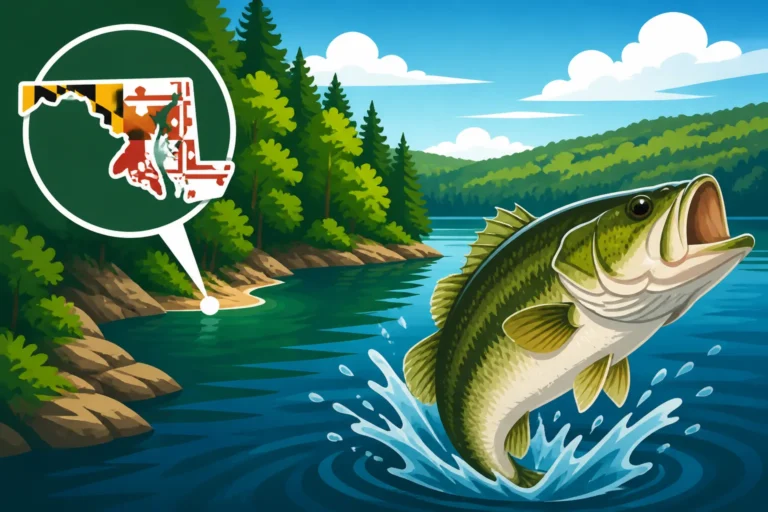
The Wicomico River, winding through Salisbury and eventually spilling into the Chesapeake Bay, is a fascinating ecosystem that offers a truly unique angling experience. It's not just one type of water; it’s a dynamic blend, transitioning from freshwater upstream around the Salisbury area to increasingly brackish, tidal waters as it approaches the bay. This gradual change in salinity creates a remarkable diversity of fish species and fishing environments, making it a place where you can switch from targeting largemouth bass to blue catfish or even striped bass, often within a short drive.
Imagine starting your day casting for crappie in the quieter, tannin-stained waters near the headwaters, then moving downstream to a lively section near Salisbury where docks and bridge pilings hold hungry white perch. As you venture further downriver, past places like Whitehaven, the river widens, the marshes become more prevalent, and the influence of the Chesapeake Bay becomes undeniable, bringing with it different species and fishing challenges. This ever-changing landscape is what truly defines fishing on the Wicomico, demanding adaptability but promising a rich reward. It’s truly one of the most interesting Fishing Maryland's Eastern Shore Rivers you could explore.
Understanding the Wicomico's Diverse Zones
To truly master fishing the Wicomico, it helps to break it down into a few distinct zones. Upstream, generally above the city of Salisbury, you'll find primarily freshwater conditions. Here, the river is narrower, often shallower, and characterized by submerged logs, lily pads, and denser bank vegetation. This is where you’ll find your classic freshwater species thriving. Think of it as a river that flows through a green tunnel in some places, offering plenty of cover for ambush predators.
As you move through Salisbury, the river deepens and widens, becoming heavily influenced by tidal flow. This section, with its urban development, marinas, and bridges, provides a mix of habitat: deep channels, artificial structures, and softer mud bottoms. The water here is brackish, meaning it has a blend of fresh and saltwater, creating a transition zone where both freshwater and saltwater species can coexist. It’s a vibrant area, often with boat traffic, but also excellent fishing opportunities right within city limits.
Further downstream, past Salisbury and into the vast marshlands, the Wicomico becomes a broad, tidal estuary. Here, the water is distinctly brackish, with salinity levels increasing significantly as you approach the Chesapeake Bay. This is the domain of more traditional estuarine species, where expansive mud flats, oyster beds (if present), and vast stretches of marsh grass define the landscape. The river here connects with numerous creeks and tributaries, creating an intricate network of waterways perfect for exploring by boat or kayak. These lower reaches offer a glimpse into the classic Chesapeake Bay fishing experience.
Why the Wicomico Offers Unique Angling Opportunities
The Wicomico’s unique blend of environments means it's not just a "bass river" or a "perch river"; it's a multi-species wonderland. This diversity is a major draw for anglers who enjoy switching gears and experimenting with different techniques. On a single trip, you might start by targeting crappie with small jigs near downed trees, then transition to bottom fishing for blue catfish or white perch in deeper holes, and even cast for striped bass around bridge pilings. The challenge and reward come from understanding these zones and adapting your approach.
Another aspect that makes the Wicomico special is its relatively quieter nature compared to the bustling main stem of the Chesapeake Bay. While it sees its share of recreational boaters, particularly near Salisbury, it often feels less pressured than some of the more famous fishing grounds. This can translate to more peaceful days on the water and potentially less competition for the best spots. Plus, for those living on the lower Eastern Shore, it offers convenient access to excellent fishing without a long drive. If you're looking to branch out from the usual spots and discover a new favorite, the Wicomico River truly merits your attention.
Target Species and Seasonal Hotspots on the Wicomico
The Wicomico River is teeming with a variety of fish, offering something for every angler throughout the year. Knowing what to target and when can dramatically increase your success. From abundant invasives to seasonal migratory favorites, there’s always a bite to be had if you know where to look.
Blue Catfish: The Dominant Invasive
Hands down, one of the most prolific species in the Wicomico River is the blue catfish. These opportunistic feeders have exploded in population throughout the Chesapeake Bay watershed, and the Wicomico is no exception. They thrive in the brackish to freshwater sections and can be found almost everywhere, from the deep channels near Salisbury to the quieter upstream bends. They grow to impressive sizes, offering a powerful fight, and best of all, there are no size or creel limits on them in Maryland, as they are an invasive species. The Maryland Department of Natural Resources (DNR) actually encourages anglers to keep as many as possible to help reduce their impact on native fish populations. You can learn more about Maryland Blue Catfish, an Invasive Giant and why their presence is so significant.
- Best Time: Blue catfish are active year-round, but fishing tends to be best from late spring through fall when their metabolism is high. However, cooler months can produce some truly massive fish.
- Preferred Habitat: Deep holes, channel edges, submerged timber, and anywhere there's a good current break. They often congregate in depressions along the river bottom.
- Effective Baits: Fresh cut bait is king. Gizzard shad, alewife, or even pieces of perch work wonderfully. Chicken liver, shrimp, and commercial catfish dough baits are also effective.
- Technique Tip: Bottom fishing with a heavy sinker and a circle hook rig (like a Santee Cooper rig or a simple Carolina rig) is the most common method. Don't be afraid to use heavy tackle; these fish can pull!
White Perch: Abundant and Delicious
The white perch is a perennial favorite on the Wicomico. These feisty panfish are abundant, relatively easy to catch, and absolutely delicious on the dinner table. They move through the river system with the seasons, offering different fishing opportunities.
- Best Time: Spring sees massive spawning runs into the upper, fresher sections of the river and its tributaries. During summer, they spread out into deeper holes and channel edges. Fall can also be excellent as they school up before winter.
- Preferred Habitat: During spring runs, look for them in shallower creek mouths and tributary junctions. In summer, they gravitate towards deeper channels, oyster beds, bridge pilings, and dock structures.
- Effective Baits: Small pieces of bloodworm, grass shrimp, or even tiny chunks of Gulp! artificial baits. For lures, small jigs (1/16 to 1/8 oz) tipped with a soft plastic grub or tube are deadly. Small spinners and Kastmasters can also entice bites.
- Technique Tip: Light tackle is key for maximum fun. During spring, cast small jigs or bottom rigs into shallow areas. In summer, focus on deeper spots and structure, often using a top-and-bottom rig with two small hooks. These are often caught while doing some White Perch in Maryland's Chesapeake Bay fishing.
Striped Bass (Rockfish): The Iconic Sportfish
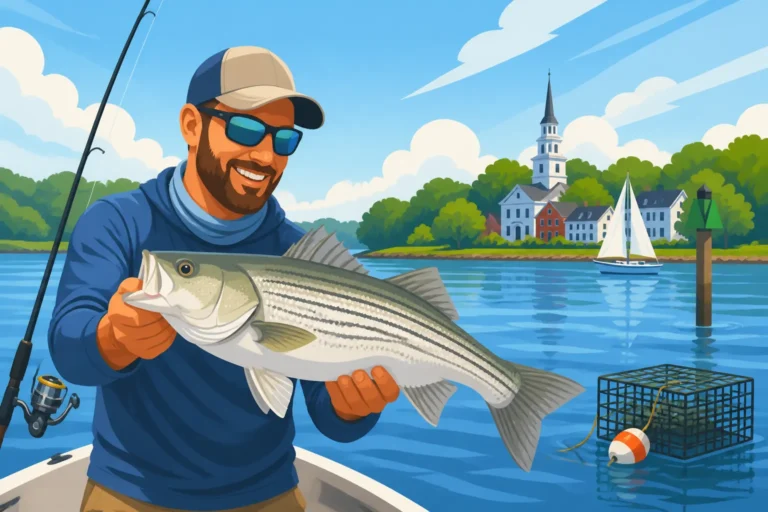
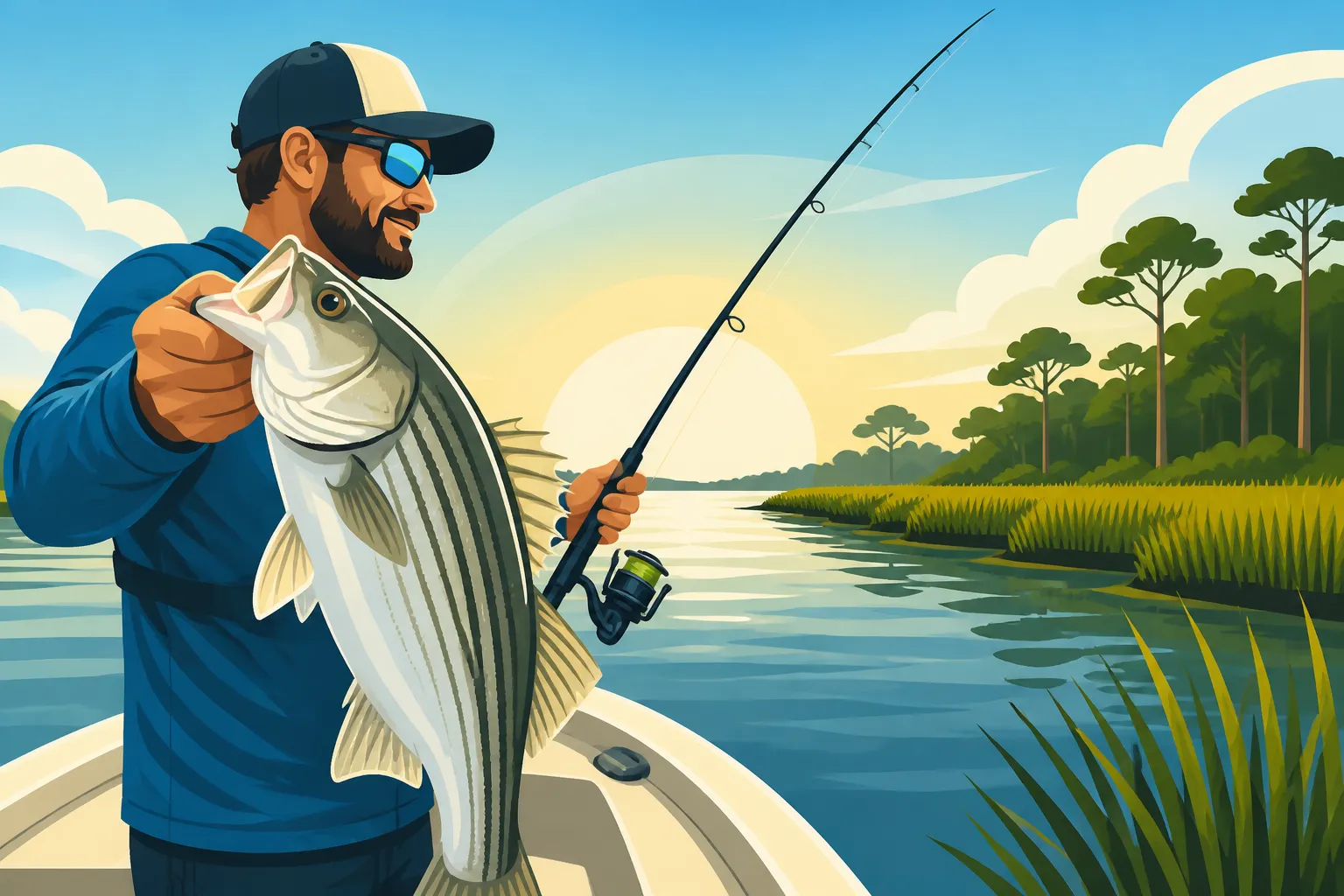
While the Wicomico isn't as renowned for trophy striped bass as the main stem of the Bay, it certainly holds its share of these iconic sportfish, especially during their migratory seasons. Anglers often find smaller "schoolie" stripers throughout the year, but larger fish pass through during spring and fall runs.
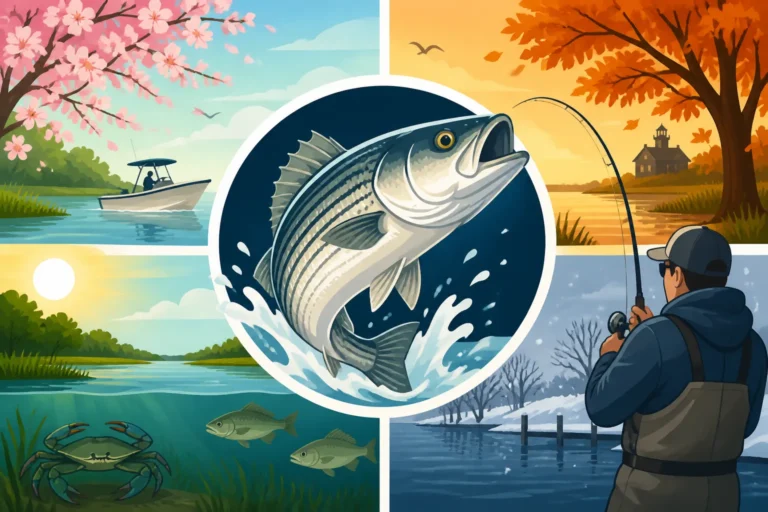
- Best Time: Spring (April-May) and Fall (October-November) are prime times when migratory stripers are moving through. Always check the Maryland Striped Bass Season and Rockfish Rules and Maryland Striped Bass Daily Limit Per Angler before heading out.
- Preferred Habitat: Look for them around bridge pilings (like the US-50 bridge), submerged points, channel edges, and drop-offs. Any kind of current break that provides an ambush point is a good bet.
- Effective Baits/Lures: Live spot or eels are top live baits. Cut bait can also work. For lures, jigging with soft plastics (e.g., Z-Man, Bass Kandy Delight) on a lead head is very effective, as are trolling spoons or bucktails in deeper channels.
- Technique Tip: Target structure during strong tidal movements. Look for bird activity, which often indicates baitfish being pushed to the surface by feeding stripers. Light tackle spinning gear or baitcasting setups are suitable. Knowing proper Maryland Striped Bass Fishing Techniques will certainly help.
Other Notable Species: Crappie, Largemouth Bass, and Flounder
The Wicomico also supports healthy populations of crappie and largemouth bass, particularly in its upper, fresher reaches. For crappie, focus on brush piles, fallen timber, and docks. Small jigs, minnows, or tiny spinners are productive. Largemouth bass will hold in similar cover, as well as weed lines and lily pads; soft plastics, spinnerbaits, and crankbaits are go-to choices. For more specific limits, check out the Maryland Crappie Size and Creel Limits.
Down in the lower, saltier sections of the river, especially during summer, you might encounter flounder. These flatfish prefer sandy or muddy bottoms near channel edges or oyster reefs. They respond well to bottom rigs baited with live minnows, squid strips, or Gulp! artificials. Be sure to be aware of the Maryland Flounder Size Limit as regulations change often.
Here's a quick overview of primary targets on the Wicomico:
| Species | Best Season | Preferred Habitat | Common Baits/Lures | Notes |
|---|---|---|---|---|
| Blue Catfish | Year-round (peak: Summer-Fall) | Deep holes, channel edges, submerged timber | Cut bait, chicken liver, shrimp | No limits, aggressive fighters, abundant |
| White Perch | Spring, Summer, Fall | Spawning creeks, bridge pilings, oyster beds | Bloodworms, grass shrimp, small jigs | Great table fare, good for light tackle |
| Striped Bass | Spring, Fall | Bridge pilings, channel edges, submerged points | Live spot/eel, soft plastics, bucktails | Migratory, check regulations for keeper seasons |
| Largemouth Bass | Spring, Summer | Upriver, lily pads, fallen timber, weed lines | Soft plastics, spinnerbaits, crankbaits | Excellent freshwater sportfish |
| Crappie | Spring, Fall | Upriver, brush piles, docks, submerged wood | Small jigs, minnows, tiny spinners | Schooling fish, great for kids |
| Flounder | Summer | Lower river, sandy/muddy bottoms near channels | Live minnows, squid, Gulp! artificials | Good eating, check current size limits |
Effective Techniques and Tackle for Wicomico Anglers
Fishing the Wicomico River successfully means being prepared to adapt your techniques to the diverse environments and target species. Whether you’re fishing from shore, a kayak, or a powerboat, having the right approach and tackle makes all the difference.
Versatile Bottom Fishing Rigs
For species like blue catfish and white perch, particularly when they're holding in deeper water or near structure, bottom fishing is incredibly effective. A simple two-hook bottom rig (often called a top-and-bottom rig or Chesapeake rig) is a staple. It consists of a sinker at the bottom and two snelled hooks spaced above it. This allows you to present two baits at different depths, increasing your chances.
- Catfish Setup: Use heavier tackle—a medium-heavy to heavy action spinning or baitcasting rod (7-9 feet) paired with a reel spooled with 20-50 lb monofilament or braided line. For blue catfish, circle hooks (4/0 to 8/0) are ideal for ensuring a good hookset in their tough mouths and reducing gut hooking. A 2-4 oz pyramid or bank sinker will hold bottom in most Wicomico currents.
- Perch Setup: For white perch, scale down significantly. A light to medium-light action rod (6-7 feet) with a 1000-2500 size spinning reel spooled with 6-10 lb mono or braid is perfect. Use smaller snelled hooks (size 4 to 8) and a lighter sinker (1/2 to 1 oz). This setup also works well for crappie and smaller bass in the freshwater sections.
Jigging and Casting for Active Fish
When fish like striped bass or schooling white perch are actively feeding, especially around structure or baitfish, jigging and casting artificial lures can be thrilling and highly productive. This technique allows you to cover more water and mimic fleeing baitfish.
- Striped Bass: Medium-heavy spinning or baitcasting gear with 20-30 lb braided line is standard. Pair it with a 1/2 to 1 oz jig head and a 4-6 inch soft plastic paddle tail or shad imitation. Cast towards bridge pilings, channel edges, or submerged points. Let the jig sink, then work it back with a series of lifts and drops. Trolling with spoons or bucktails in deeper channels is another excellent way to cover ground and locate actively feeding stripers. Don't forget, understanding How Tides Affect Fishing in Maryland's Chesapeake Bay is crucial, as moving water often triggers a bite.
- White Perch/Crappie: Use ultra-light to light spinning gear. Small jig heads (1/16 to 1/8 oz) with 1-2 inch curly tail grubs, tiny tube jigs, or even micro-spoons are very effective. Cast these near docks, fallen trees, or into schools you spot on your fish finder. A slow retrieve with subtle twitches often entices a strike.
Navigating the Tides and Currents
The Wicomico River, being tidal, experiences significant changes in water level and current throughout the day. Understanding these tidal influences is paramount to success, particularly in the lower and middle sections of the river.
- Slack Tide: The period just before or after the peak of high or low tide, when the water movement is minimal. This can be a good time to target fish that are less active or hiding in structure, as they might feel more comfortable venturing out. However, some species, like striped bass, prefer moving water.
- Moving Tide (Incoming/Outgoing): Generally the most productive time to fish. The moving water stirs up baitfish and concentrates them, making feeding easier for predatory fish. Look for current seams, eddies, and points where fish can ambush prey. For example, blue catfish often stack up on the downstream side of structure during a strong current.
- Best Time of Day: While the tides are often more important than the time of day, fishing during dawn and dusk universally offers excellent opportunities as many species are most active during these low-light periods. Planning your trip around the best tidal windows combined with sunrise or sunset will often yield the best results. Check current tide charts for the Salisbury area or further downstream to maximize your time on the water. When planning your trips, considering the Best Time of Year to Fish in Maryland can help you align with peak activity for your target species.
Accessing the Wicomico River: Ramps, Piers, and Guided Trips
Getting onto the Wicomico River is relatively straightforward, with several options for both boaters and shore anglers. Knowing your access points is the first step to a successful fishing trip.
Public Boat Ramps
For those with a boat, several public and private ramps offer excellent access to different sections of the Wicomico.
- Salisbury City Park Boat Ramp: Located right in the heart of Salisbury, this ramp provides easy access to the middle section of the river. It's well-maintained and convenient for launching larger boats. From here, you can head upstream towards the fresher waters or downstream towards the wider, more brackish parts. This location is fantastic for anglers targeting white perch, blue catfish, and even some striped bass around the city's structures.
- Cedar Hill Marina and Boat Ramp (Bivalve): Further downstream, closer to the river's mouth at Bivalve, this ramp offers direct access to the wider, more estuarine sections of the Wicomico. This area is excellent for targeting larger blue catfish, migratory striped bass, and even flounder during the summer months. It's a great spot if you want to explore the extensive marsh system and its tributaries.
- Whitehaven Ferry Boat Ramp: A historic and picturesque access point further downriver, the Whitehaven Ferry itself is a unique experience. The ramp here provides access to quieter, scenic sections, perfect for exploring by kayak or smaller boat, particularly for anglers seeking solitude and diverse species in brackish waters.
Always remember that for all these access points, having a valid Maryland fishing license is crucial. Understanding the difference between a Maryland Nontidal vs Tidal Fishing License, Explained is important, depending on where exactly you plan to fish on the Wicomico. Generally, if you're in the brackish lower sections, a Chesapeake Bay & Coastal Sport Fishing License is what you need.
Shore Fishing Opportunities
Not everyone has a boat, and that's perfectly fine! The Wicomico offers some decent shore fishing spots, particularly within and around Salisbury.
- Salisbury Riverwalk: The Riverwalk in downtown Salisbury provides excellent public access to the river. There are several spots along the paved path where you can cast a line. This area is particularly good for white perch and blue catfish, especially during spring and fall runs. Look for deeper pockets and areas around bridge abutments. It’s a convenient spot for an impromptu fishing session or for families with kids.
- Local Parks and Bridges: Many smaller parks dot the Wicomico's banks as it winds through the Eastern Shore. While not always advertised, a bit of exploring with tools like Google Maps can reveal public easements or small park areas near bridges that offer shore access. Always be respectful of private property and posted signs. Fishing under bridges can often yield good results for various species seeking structure and current breaks. For those wondering, Do You Need a License to Fish From a Maryland Pier? — generally, yes, if it's connected to state waters.
- Kayaks and Canoes: For a truly immersive experience, kayaking or canoeing the Wicomico is highly recommended. These smaller craft allow you to explore the quieter tributaries and marsh guts that larger boats can't reach. This is often where you'll find undisturbed populations of bass, crappie, and even hidden schools of perch. Launching from any of the public ramps or even smaller, unimproved access points can open up a world of fishing opportunities.
Considering a Guided Trip
If you're new to the Wicomico River or want to maximize your chances of success, hiring a local fishing guide is an excellent option. Local guides possess invaluable knowledge of the river's constantly changing conditions, current hotspots, and the most effective techniques for the day. They can provide all the necessary gear, expertise, and often even handle the licensing logistics.
Platforms like FishingBooker are a fantastic resource for finding reputable charter captains and guides operating on the Wicomico and other Best Places to Fish in Maryland. You can browse profiles, read reviews from other anglers, and directly book a trip tailored to your preferences, whether you're after a trophy blue catfish or a relaxing day catching white perch. Utilizing a guide, especially through services like FishingBooker, ensures you're with a licensed professional who knows the waters intimately and can help you target specific species using the most productive methods. They often provide real-time updates on what's biting and where, saving you precious fishing time. Whether it's a full-day excursion or a shorter, targeted trip, a local guide booked via FishingBooker can transform your Wicomico River fishing experience. Just make sure you understand the Maryland Fishing License Guide for 2026 requirements for yourself, even when on a charter.
Disclaimer
Please note: Fishing regulations in Maryland can change frequently based on species conservation needs and environmental factors. Always consult the latest Maryland Department of Natural Resources (DNR) fishing guide or website for the most up-to-date information on seasons, size limits, creel limits, and licensing requirements before heading out. This guide provides general information and should not be considered a substitute for official regulations. Be safe, practice ethical angling, and leave no trace.