Fishing Below the Conowingo Dam
Trying to navigate the powerful, ever-changing waters below the Conowingo Dam for a fishing trip can feel incredibly daunting. The strong currents, fluctuating water levels, and the sheer volume of water released by the dam make it a truly unique and often challenging environment. This guide will walk you through everything you need to know to safely and successfully fish this iconic Maryland waterway, helping you understand the dam's influence, pinpoint prime spots, and select the right gear.
Understanding the Unique Environment Below the Dam
The Susquehanna River below the Conowingo Dam isn't just another stretch of water; it's a dynamic, powerful system largely dictated by human engineering. This unique environment presents both significant challenges and incredible opportunities for anglers, drawing a diverse array of fish species that either migrate through or thrive in its turbulent flows.
The Impact of Hydroelectric Operations
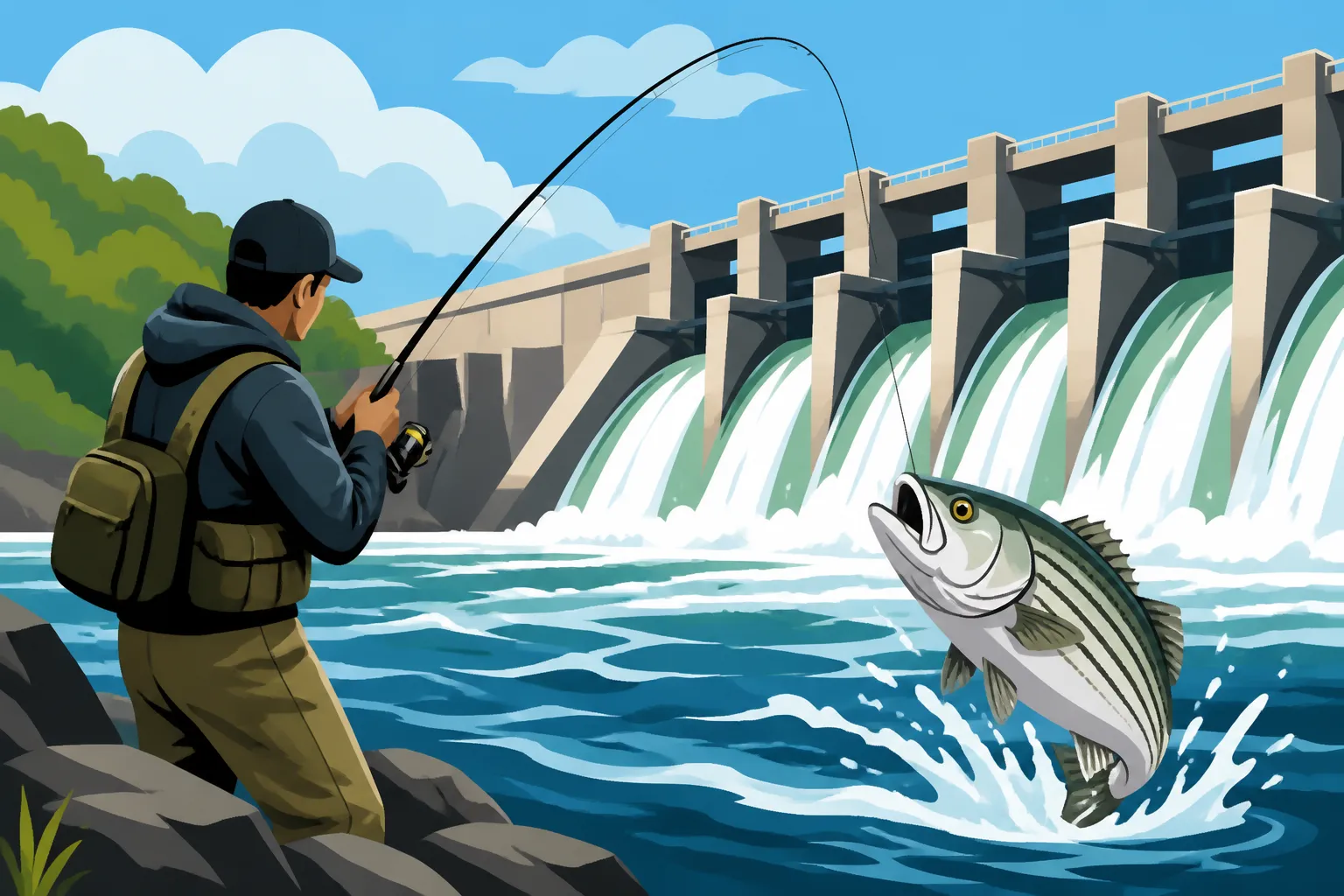
The Conowingo Dam is a hydroelectric facility, meaning it generates electricity by releasing water from the reservoir above. This isn't a constant flow; it's dictated by demand and the amount of water in the upstream reservoir. When the dam's floodgates open, or its turbines begin to generate power, the river below can transform from a relatively calm stretch into a raging torrent in a matter of minutes. This surge of water affects everything from water depth and current speed to water clarity and even fish behavior. Anglers need to be acutely aware of the generation schedules, which are often available online from Exelon, the dam's operator. Fishing during periods of low or no generation can mean navigating shallow rocks and slower currents, while high generation periods bring powerful flows that require heavy tackle and extreme caution. Ignoring these schedules isn't just a matter of poor fishing; it can be incredibly dangerous, especially for wading anglers or those in smaller boats. The influx of cold, oxygenated water during generation can also stimulate feeding activity, making proper timing crucial for species like striped bass.
Tidal Versus Nontidal Influence
While the Conowingo Dam is far upstream, the influence of the Chesapeake Bay's tides can still be felt in the lower stretches of the Susquehanna River. Understanding the line between tidal and nontidal waters is essential because it impacts regulations, species behavior, and even the types of fishing licenses you might need. Generally, the immediate area directly below the dam and extending for several miles downstream is considered nontidal. This means the water flow is primarily driven by the dam's releases and natural river currents, not the ebb and flow of the ocean. However, as you move further south towards the broad expanse of the upper Chesapeake Bay, the Susquehanna gradually transitions into tidal waters. This transition zone, often near Havre de Grace, becomes a mix of powerful river currents and incoming or outgoing tides, creating complex feeding opportunities and unique holding patterns for fish.
For the most part, when you're fishing directly below the Conowingo Dam, you'll be in nontidal waters, which fall under Maryland's nontidal fishing license requirements. If you plan to venture further downstream into the upper Bay, you might need to ensure your license covers tidal waters as well. For a deeper dive into these requirements, you can read our guide on the Maryland Nontidal vs Tidal Fishing License, Explained. This distinction is not just bureaucratic; tidal movements can concentrate baitfish and predatory species in specific areas, making the mouth of the river a hotspot during certain tide cycles.
Prime Fishing Spots and Access Points
The area below the Conowingo Dam, while challenging, offers a variety of access points for anglers looking to tap into its rich fisheries. Whether you prefer casting from shore or venturing out in a boat, knowing where to go and how to get there is key to a successful trip.
Shoreline Access and Safety
For many anglers, the most accessible way to fish below the Conowingo Dam is from the shoreline. The most popular spot by far is Millard Tydings Memorial Park in Havre de Grace, which offers excellent access to the river's edge, fishing piers, and amenities like restrooms and parking. From the park, you can fish the banks and enjoy views of the dam in the distance. This area is particularly popular during the spring white perch and hickory shad runs. The currents here can still be strong, especially after heavy dam releases, so always keep an eye on the water and secure your gear. Another prominent spot is Rock Run, a Maryland State Park site that offers access to the eastern side of the river below the dam. Here, you'll find more rocky terrain and faster currents, which can be fantastic for casting heavy jigs for striped bass.
Safety is paramount when fishing from shore below the dam. The water levels can rise and fall dramatically and quickly, creating dangerous conditions. Always check the dam's generation schedule before you go, wear appropriate footwear for slippery rocks, and never turn your back on the water. It's easy to get swept away or lose footing if you're not paying attention to the changing currents. Even during periods of low generation, the riverbed can be uneven and treacherous. Be mindful of others and keep a safe distance, especially if you're casting large, heavy lures.
Boat Launching Options
For those with a boat, fishing below the Conowingo Dam opens up a much wider array of opportunities, allowing you to reach areas inaccessible from shore and chase fish across different depths and current seams. The primary public boat launch in the immediate vicinity is located at Susquehanna State Park, offering excellent access to the upper tidal stretches of the river. This ramp can get busy, especially during peak fishing seasons, so plan to arrive early. Further downstream, closer to Havre de Grace, there are several marinas and public ramps that can also be utilized, though they might require a longer run upstream to reach the prime fishing zones directly below the dam.
Boating below the dam requires experience and a strong understanding of river dynamics. The currents are powerful, and navigating shallow rocky areas, especially during low water, can be hazardous. Always operate your boat with extreme caution, pay close attention to depth finders, and be aware of navigational hazards. Anchoring requires heavy-duty gear and careful consideration of current and bottom type to avoid dragging or becoming dislodged. Many experienced anglers opt for a guide when venturing out here for the first time; websites like FishingBooker can connect you with local captains who specialize in navigating these unique waters. These guides are familiar with the subtle nuances of the river and the dam's schedule, providing not just fishing expertise but also invaluable safety guidance. For more general information on fishing by boat in the region, consider reviewing our guide on Fishing the Susquehanna Flats in Maryland, which often ties into the lower river.
Target Species and Best Times to Fish
The dynamic environment below the Conowingo Dam, with its varying currents and proximity to both freshwater and saltwater influences, creates a habitat rich in diverse fish species. Knowing what to target and when is crucial for a productive outing.
Species Dependent on Dam Operations
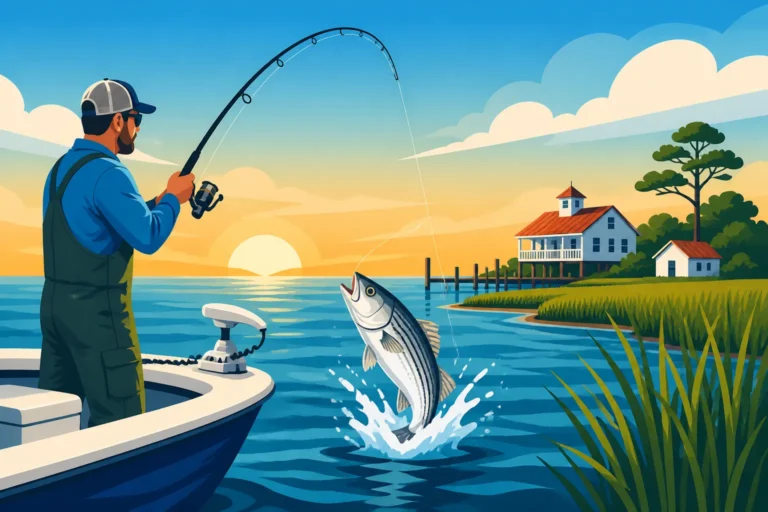
Certain fish species thrive in or are heavily influenced by the dam's operations, particularly the seasonal migrations that bring them upstream. Striped Bass, known locally as rockfish, are perhaps the most famous draw. During their spring spawning runs, large schools of stripers migrate up the Susquehanna, often holding in the powerful currents below the dam, waiting for the right conditions to move further upstream. The dam's releases can trigger feeding frenzies as baitfish are disoriented or swept downstream. Anglers often target these fish with heavy jigs and swimbaits, particularly during periods of moderate generation. Understanding the Maryland Striped Bass Season and Rockfish Rules is crucial, as specific closures or slot limits may apply.
Similarly, American Shad and Hickory Shad undertake impressive spring migrations, making the waters below the dam a premier destination for fly anglers and light tackle enthusiasts. These hard-fighting fish are attracted to the turbulent flows and are a blast to catch on small spoons, darts, and flies. The timing of these runs is highly dependent on water temperature and flow, typically peaking from April through early June. Beyond these famous anadromous species, Walleye are also present, especially in the deeper, cooler pools, and can become more active when dam releases stir up the bottom and create feeding opportunities.
Year-Round Residents
While the migratory species get a lot of attention, the Conowingo also holds a robust population of resident fish that provide excellent angling opportunities throughout the year. Blue Catfish are an increasingly dominant species here, thriving in the strong currents and abundant forage. These invasive giants can reach impressive sizes and offer a powerful fight. They can be caught almost year-round, but fishing for them is particularly good when the currents are strong, using fresh cut bait on the bottom. Maryland has very liberal rules regarding Blue Catfish Possession Rules, encouraging anglers to remove them to protect native species.
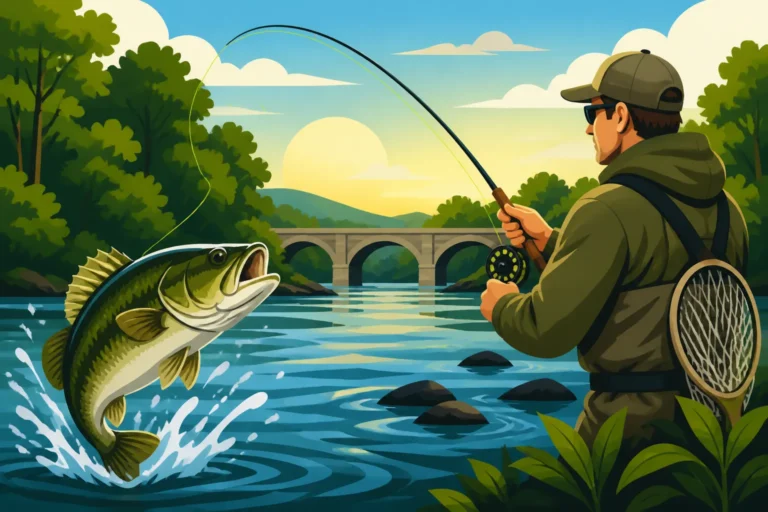
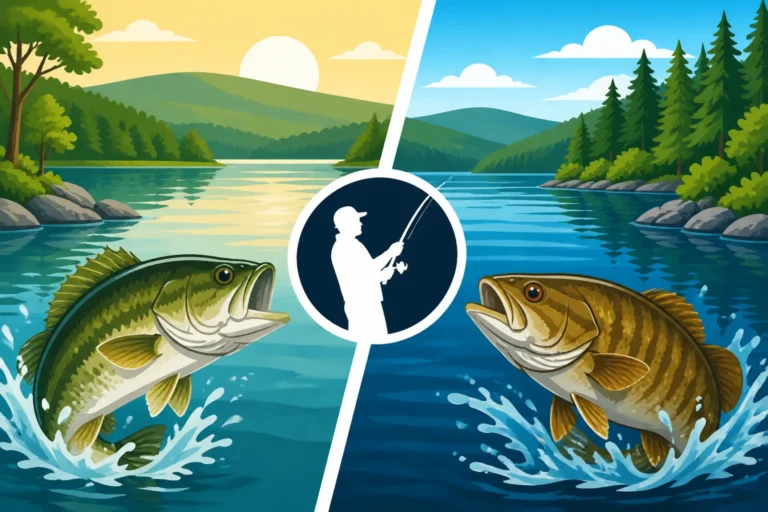
Other reliable residents include Channel Catfish, often found alongside their blue cousins, and various panfish like White Perch and Yellow Perch. The white perch have incredible spawning runs in the spring, but they remain a viable target throughout the warmer months in the deeper holes and eddies. Smallmouth Bass and Largemouth Bass can also be found in the less turbulent areas, especially in calmer pockets or where feeder creeks enter the main stem of the river. Even the infamous Northern Snakehead has made its presence known in the lower Susquehanna, particularly in the shallower, weedy backwater areas, offering a challenging and exciting target for anglers willing to venture into their preferred habitat.
Seasonal Strategies
Fishing below the Conowingo Dam truly is a year-round endeavor, but success hinges on adapting your strategies to the seasons:
- Spring (March-May): This is prime time for migratory species. The river explodes with activity as striped bass, American shad, and hickory shad make their annual runs. Focus on heavy jigs, bucktails, and small spoons or darts. Keep an eye on the dam's generation schedule, as fish often bite best during strong flows.
- Summer (June-August): As migratory fish disperse, the focus shifts to resident populations. Blue catfish dominate, with excellent bottom fishing opportunities using cut bait. White perch are also active in deeper holes and around structure. This can be a challenging time for other species due to warmer water and less consistent dam releases. Night fishing for catfish can be particularly productive.
- Fall (September-November): The "fall run" brings another surge of striped bass activity as they migrate out of the upper Bay. Water temperatures cool, and fish feed aggressively before winter. Jigging and trolling are effective techniques. This is also a good time for smallmouth bass as they prepare for colder months.
- Winter (December-February): While challenging, winter fishing can yield some trophy blue catfish in the deeper, slower pools. Jigging for suspended stripers in deeper channels, especially during milder spells, can also be productive. Ice fishing is generally not an option directly below the dam due to strong currents.
Understanding the Best Time of Year to Fish in Maryland can give you an overarching view, but remember that the Conowingo Dam area has its own micro-climate and unique rhythms.
| Target Species | Best Season | Primary Location | Recommended Bait/Lure | Key Factors |
|---|---|---|---|---|
| Striped Bass | Spring, Fall | Dam Face, Channels | Heavy Jigs, Bucktails, Swimbait | Dam releases, bait presence |
| Blue Catfish | Year-round | Deep Channels, Bottom | Cut Bait (Gizzard Shad, Alewife) | Strong currents, scent trail |
| American Shad | Spring | Main Current, Eddies | Small Darts, Spoons, Flies | Water temperature, dam releases |
| Hickory Shad | Spring | Main Current, Eddies | Small Darts, Spoons, Flies | Water temperature, dam releases |
| White Perch | Spring, Summer | Structure, Deeper Holes | Small Jigs, Bloodworms, Minnows | Spawning runs, current breaks |
| Smallmouth Bass | Spring, Fall | Rocky Areas, Eddies | Crankbaits, Soft Plastics | Water clarity, structure |
| Northern Snakehead | Summer, Fall | Backwaters, Weedy Areas | Frogs, Topwater Lures, Jerkbaits | Shallow cover, warm water, stealth |
Essential Gear and Techniques for Conowingo
Fishing below the Conowingo Dam isn't a place for flimsy gear or casual techniques. The sheer power of the Susquehanna River here demands a robust approach, both in terms of your tackle and your strategy.
Rods, Reels, and Line for Strong Currents
When you're battling powerful currents and potentially large, hard-fighting fish, your equipment needs to be up to the task. For most fishing below the dam, a medium-heavy to heavy action spinning or baitcasting rod, typically 7 to 8 feet long, is a good starting point. This length provides the leverage needed to cast heavy lures and baits and to control fish in strong flows. The power allows you to set hooks effectively and steer larger fish away from snags.
Pair these rods with robust reels capable of holding ample line and delivering significant drag. A 4000 to 6000 series spinning reel or a similarly sized baitcasting reel with a strong retrieve ratio is ideal. Line choice is crucial. Braided line, with its superior strength-to-diameter ratio and minimal stretch, is highly recommended. A 30 to 50-pound test braided line will allow you to feel subtle bites even in strong currents and provide the backbone to haul in stubborn fish. Always tie on a fluorocarbon leader, typically 20 to 40-pound test, to the end of your braid. This offers abrasion resistance against rocks and helps with stealth in clearer water. For an in-depth look at battling these species, our guide on Maryland Striped Bass Fishing Techniques or How to Catch Blue Catfish in the Potomac River can offer more insights.
Baits and Lures That Work
The key to success with baits and lures below the Conowingo Dam is often weight and resilience. You need something that can get down to the fish in the strong currents and withstand aggressive strikes.
- Heavy Jigs and Bucktails: These are staples for striped bass. Jigs weighing 1 to 3 ounces, often tipped with a soft plastic curly tail or a strip of Gulp!, are essential. Bucktails in similar weights, sometimes dressed with a twister tail or pork rind, are also highly effective. White, chartreuse, and pearl are popular colors.
- Large Swimbaits: For larger predatory fish, especially striped bass and sometimes snakeheads, large soft plastic paddle tail swimbaits rigged on heavy jig heads are excellent.
- Fresh Cut Bait: For blue catfish, fresh cut bait is king. Gizzard shad, alewife, or even pieces of perch work wonderfully. Rig them on a fish-finder rig with a heavy pyramid or no-roll sinker (3-6 ounces, sometimes more) to keep your bait on the bottom. Check out Best Bait for Catfish in Maryland Rivers for specific recommendations.
- Small Spoons and Darts: During the spring shad runs, smaller, brightly colored spoons (like ½ oz Tony Acetta or similar) and darts are incredibly effective. Cast them upstream and let the current sweep them downstream, twitching them intermittently.
- Topwater Lures/Frogs: For targeting Northern Snakehead in calmer, shallower areas away from the main current, topwater lures like frogs, buzzbaits, or even weedless soft plastic frogs can be incredibly exciting.
Safety Gear and Best Practices
Fishing below the Conowingo Dam requires more than just good tackle; it demands a strong commitment to safety. The river here can be unforgiving.
- Personal Flotation Devices (PFDs): If you're fishing from a boat, PFDs are not optional; they are required by law and essential for your safety. Even if wading, especially in unfamiliar or rapidly changing conditions, wearing an inflatable PFD is a wise precaution.
- Anchor and Rope: If boating, ensure you have an appropriately sized anchor for your vessel and plenty of sturdy rope. The currents can be incredibly strong, so having a reliable anchoring system is critical to prevent drifting into dangerous zones.
- Communication Device: A fully charged cell phone is a must, but consider a marine radio if you're boating, especially if you plan to be out of cell service range or need to contact authorities quickly.
- Weather Awareness: Always check the weather forecast and, most importantly, the dam's generation schedule before heading out. Conditions can change rapidly, and strong winds combined with dam releases can make the river extremely choppy and dangerous for smaller boats.
- Respect the Water: Never wade into fast-moving water that is above your knees. Be aware of submerged rocks and slippery banks. If you're fishing near the dam structure itself, maintain a safe distance from restricted areas and power lines.
- First Aid Kit: A basic first aid kit should always be part of your fishing gear, ready for minor cuts, scrapes, or other injuries.
- Navigation Tools: For boaters, a GPS or chart plotter can be invaluable for identifying channels, depth changes, and hazards, especially when the river is unfamiliar or visibility is poor.
By respecting the power of the Conowingo and equipping yourself appropriately, you can enjoy some truly exceptional fishing in this unique Maryland hotspot. If you're new to the area, consider hiring a local guide, many of whom are listed on platforms like FishingBooker, who can provide expert advice and ensure a safe and productive day on the water.
Disclaimer
The information provided in this guide is for general informational purposes only and is not a substitute for professional advice. Fishing regulations and dam operation schedules can change frequently. Always consult the official Maryland Department of Natural Resources (DNR) website and the Conowingo Dam's generation schedule for the most current and accurate information before planning your trip. Fishing in strong currents can be dangerous; always prioritize safety and wear appropriate personal flotation devices.