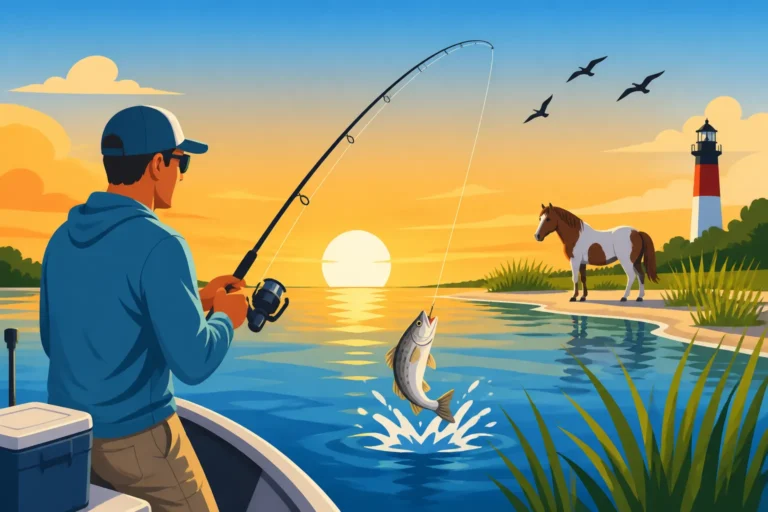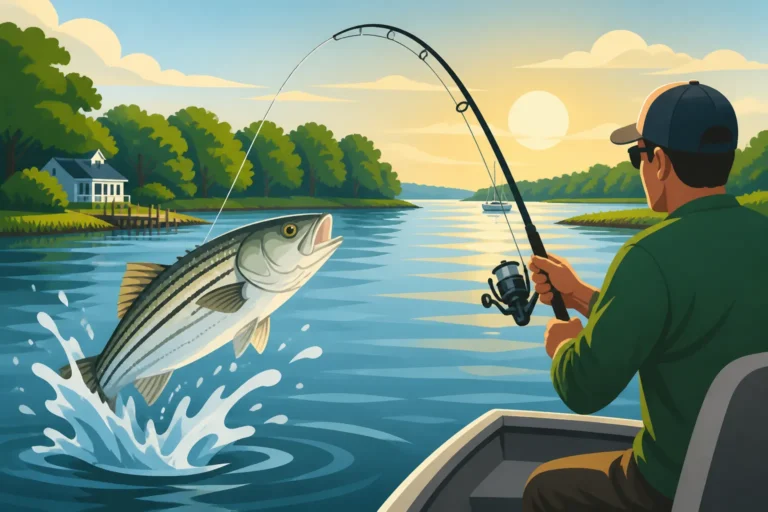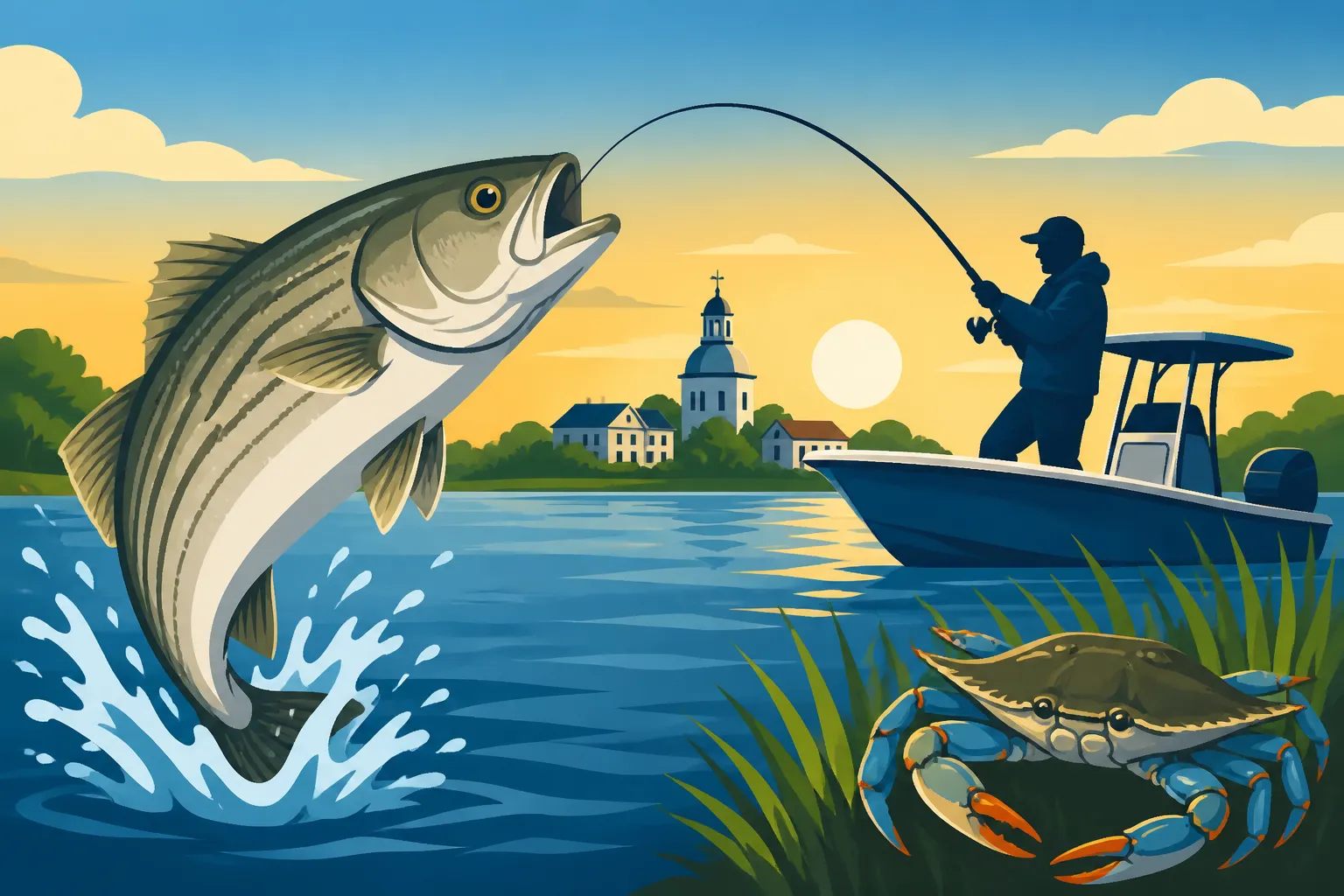
Fishing the Choptank River Near Cambridge
Many anglers dream of finding that perfect spot where the bite is consistent, the scenery is beautiful, and the fish are plentiful. However, a river as vast and diverse as the Choptank near Cambridge can feel overwhelming to navigate, with its complex mix of tidal waters, hidden creeks, and ever-changing seasonal opportunities. This comprehensive guide aims to demystify fishing the Choptank River, providing you with the local insights, techniques, and practical advice you need to confidently explore its waters and reel in some fantastic catches, especially when exploring the waters around Cambridge.
Why the Choptank River Near Cambridge is a Premier Fishing Destination
The Choptank River, Maryland's largest Eastern Shore tributary, is a truly special place for anglers. Its journey from freshwater streams to the vast expanse of the Chesapeake Bay creates an incredibly rich and diverse aquatic environment, especially as it widens and deepens around the historic town of Cambridge. This unique blend of habitats makes it a prime location for a wide array of fish species, offering year-round angling opportunities that cater to every preference, from serious trophy hunters to casual family outings.
Understanding the Unique Ecosystem and Its Bounty
The magic of the Choptank River, particularly in the Cambridge area, lies in its estuarine nature. This isn't just a simple river; it's a dynamic zone where freshwater from upstream mixes with the salty tides of the Chesapeake Bay. This creates a salinity gradient that fluctuates with the tides, rain, and seasons, leading to an incredibly rich biodiversity. You'll find everything from true freshwater species in the upper reaches to saltwater giants closer to the Bay, and many adaptable species thriving throughout.
The riverbed itself offers a complex topography, featuring deep channels that serve as highways for migrating fish, oyster beds that provide essential structure and food sources, and shallow flats perfect for ambush predators. This variety of depths and structures, combined with an abundant forage base of baitfish like menhaden, silversides, and juvenile herring, means the Choptank is essentially a giant buffet for game fish. The nutrient-rich waters support a robust food chain, ensuring a healthy and vibrant fishery that keeps anglers coming back for more.
Seasonal Opportunities for Diverse Catches
One of the greatest joys of fishing the Choptank River near Cambridge is the ever-changing menu of species available throughout the year. Each season brings its own unique set of opportunities, dictating what fish are biting, where they're located, and what techniques are most effective. This means you can truly enjoy a dynamic fishing experience, adapting your approach as the weather and water conditions shift.
In the crisp air of spring, the river bursts with life as fish migrate upstream for spawning. This is prime time for the highly anticipated white perch runs, where anglers can fill coolers quickly. As the waters warm further, striped bass become more active, moving into shallower areas to feed. Summer brings the opportunity for more relaxed bottom fishing for croaker and spot, while blue catfish and northern snakeheads are consistently active. Fall is arguably the crown jewel for many anglers, with the famed "rockfish" run seeing large striped bass moving through the area, aggressively feeding before winter. Even in winter, dedicated anglers can find success targeting deep-water striped bass or persistent blue catfish.
Essential Access Points for Anglers Around Cambridge
Getting on the water is the first step to a successful fishing trip, and the Choptank River around Cambridge offers a variety of access points, whether you prefer fishing from shore, launching a small boat, or deploying a kayak. Knowing these locations and understanding their nuances can significantly enhance your chances of finding fish and enjoying your day. Each spot has its own character, attracting different species and suiting various fishing styles.
Public Piers, Shoreline Spots, and What to Expect
For those who prefer to keep their feet on solid ground, Cambridge provides several excellent public access points where you can cast a line without needing a boat. These spots are fantastic for a quick trip, teaching kids to fish, or simply enjoying the river's tranquility. However, it's crucial to remember that your reach is limited to casting distance, so understanding the local currents and structures close to shore is key.
One of the most popular spots is Long Wharf Park in downtown Cambridge. This area features ample parking, picnic tables, and a pier that extends into the Choptank. It's a great place to target white perch, spot, croaker, and even some smaller striped bass, especially during moving tides. You'll often find anglers using bottom rigs with bloodworms, fish bites, or small pieces of cut bait. Another excellent shore fishing location is Great Marsh Park, which offers shoreline access and a launch for kayaks or canoes, making it a versatile spot. While fishing from a public pier in Maryland, you might wonder, Do You Need a License to Fish From a Maryland Pier?. Generally, if the pier is publicly operated and offers a consolidated license for its users, you might not need an individual state license, but always check local signage and current regulations with the Maryland Department of Natural Resources (DNR). These spots are also surprisingly good for catching blue catfish, which are becoming increasingly prevalent throughout the river system.
Launching Your Boat or Kayak for Deeper Waters
To truly explore the vastness and diverse structure of the Choptank River near Cambridge, getting out on the water in a boat or kayak is often the best approach. This allows you to access deep channels, oyster reefs, submerged humps, and the mouths of smaller tributaries that are otherwise unreachable. The Cambridge area is well-equipped with public and private ramps to facilitate this.
The Glasgow Street Boat Ramp in Cambridge is a well-maintained public facility offering easy access to the main stem of the Choptank. From here, you can quickly reach prime fishing grounds, whether you're heading upriver towards fresher water or downriver towards the Chesapeake Bay. Another option further upriver is the Neck District Boat Ramp, which provides access to slightly less saline waters, opening up opportunities for species that prefer a lower salt content. For kayak anglers, the numerous small creeks and coves feeding into the Choptank offer fantastic, often peaceful, paddling and fishing experiences. Exploring these hidden gems can be incredibly rewarding, revealing areas where fish hide from current or gather to spawn. If you're looking for more specific guidance on paddlecraft fishing, you might find tips in our guide on Best Kayak Fishing Spots on the Eastern Shore. For those new to the area or without their own vessel, using a service like FishingBooker can connect you with local guides who have boats specifically designed for fishing the Choptank, ensuring you get to the best spots safely and efficiently.
Exploring Tributaries and Creeks
Beyond the main stem of the Choptank, a network of smaller rivers, creeks, and coves branch off, offering unique fishing opportunities. These tributaries often provide shelter from strong winds or currents on the main river and can be incredibly productive during certain times of the year, particularly during spawning runs or when baitfish seek refuge.
For instance, Fishing Creek, La Trappe Creek, and Tuckahoe Creek (further upstream) are well-known for their excellent white perch fishing in the spring. These shallower, often murky waters warm up faster than the main river, signaling to the perch that it’s time to spawn. Anglers targeting these areas will often drift with small jigs tipped with grass shrimp or bloodworms, or simply use a bobber rig. These smaller waterways also hold healthy populations of largemouth bass and various panfish, especially as you move closer to the fresher upper reaches. For those seeking invasive species, the dense cover and shallower depths of these creeks are also prime habitats for northern snakehead, offering exciting topwater action. Learning the contours of these smaller waterways can unlock some incredible, less-pressured fishing spots.
Target Species and Proven Techniques for the Choptank River
The Choptank River's diverse ecosystem means anglers have a smorgasbord of species to target, each requiring slightly different approaches and techniques. From the iconic striped bass to the burgeoning populations of invasive catfish and snakehead, and the reliable white perch, understanding what's biting and how to catch them is key to a successful outing near Cambridge.
Chasing Maryland's Prized Striped Bass (Rockfish)
Striped bass, affectionately known as "rockfish" in Maryland, are the undisputed kings of the Chesapeake Bay and its tributaries, and the Choptank River is no exception. Targeting these powerful fish requires understanding their seasonal movements and preferred feeding behaviors.
In spring, as the water temperatures rise, striped bass migrate into the Bay's spawning grounds, including the Choptank. While the main spawning areas might be further upriver, smaller male rockfish and pre-spawn females can be found feeding along channel edges and structure near Cambridge. During this time, light tackle jigging with soft plastics or bucktails is very effective. As summer progresses, rockfish often move to deeper, cooler water, congregating around structure like oyster reefs, channel drops, and bridge pilings. Live-lining spot or eels becomes a prime technique, as does trolling with surgical hoses, umbrella rigs, or large swimbaits. The fall season is a highlight for many, as large schools of striped bass migrate south, aggressively feeding in the Choptank's main stem before heading to the ocean. This is when trolling, casting large topwater lures at dawn or dusk, and jigging can all be incredibly productive. Before you go, always review Maryland Striped Bass Season and Rockfish Rules and pay close attention to the specific Maryland Rockfish Slot Limit Explained to ensure you're fishing legally and sustainably. For anglers looking to maximize their chances, especially during peak seasons, using a platform like FishingBooker allows you to easily find and book charters with experienced captains who specialize in rockfish and know the Choptank's hotspots like the back of their hand.
Abundant Perch: White Perch and Yellow Perch
While striped bass often steal the spotlight, the Choptank River is a fantastic destination for catching abundant and delicious white perch and yellow perch. These panfish offer consistent action and are perfect for anglers of all skill levels, especially families.
White perch are ubiquitous in the Choptank, found in nearly all areas, from brackish coves to the main river channel. Their spring spawning runs are legendary, with fish stacking up in huge numbers in shallow creeks and tributaries around Cambridge. During these runs, a simple bottom rig with a bloodworm, grass shrimp, or a small piece of Fish Bites will yield steady catches. Throughout the warmer months, they can be found schooled up over oyster beds or around docks and pilings. Small spinners, jigs, or even tiny crankbaits can entice them. Understanding White Perch Spawning Runs in Maryland Rivers can dramatically improve your success rate in targeting these eager biters. Yellow perch, while also present, tend to prefer slightly fresher water and are often found further upriver, though they can be caught in the main Choptank during their spawning movements. They respond well to similar baits and techniques as white perch, but often prefer slightly colder water.
Battling Invasive Blue Catfish and Northern Snakehead
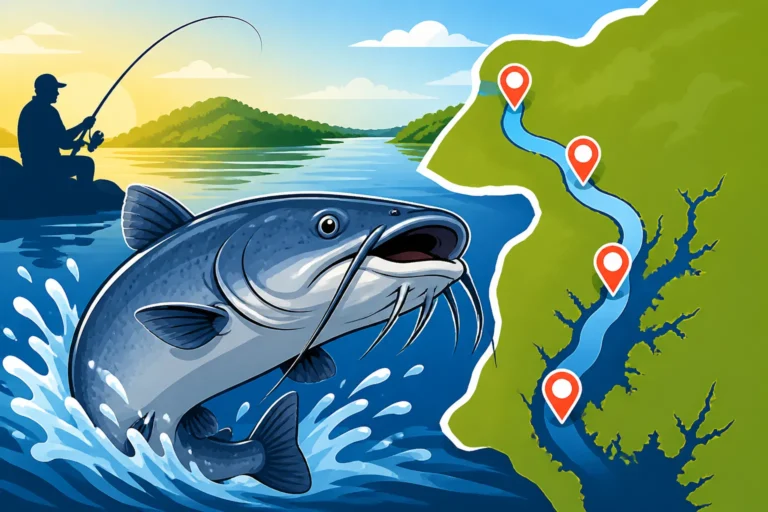
Maryland's Department of Natural Resources actively encourages anglers to harvest invasive species like blue catfish and northern snakehead, which have established robust populations in the Choptank River. Targeting these fish isn't just fun; it's a valuable contribution to the health of the native ecosystem, as there are generally no size or creel limits on them.
Blue catfish are voracious eaters and can grow to impressive sizes in the Choptank. They are often found in deeper channels and holes, particularly those with good current. They are not picky eaters and will readily take cut bait (like pieces of gizzard shad, menhaden, or even chicken liver), clam snouts, or large stink baits fished on a heavy bottom rig. The great news is that there's Maryland Blue Catfish Limit, or Lack of One, meaning you can keep as many as you want. Northern snakeheads are unique, air-breathing predators that thrive in the shallower, vegetated areas of the Choptank and its tributaries. They are incredibly aggressive and offer explosive topwater action. Fishing with frog lures, chatterbaits, or weedless soft plastics around lily pads, submerged grass, or woody debris can be exhilarating. When you catch a snakehead, it's vital to remember Maryland Snakehead Fishing Rules, which typically require immediate dispatch and prohibit their release back into any body of water, alive or dead.
Freshwater Pursuits in the Upper Reaches
While the tidal Choptank near Cambridge is primarily known for its brackish water species, the river's upper reaches, as it transitions to full freshwater, offer excellent opportunities for traditional freshwater fishing. These areas, typically above the Route 16 bridge or even further upstream, become the domain of largemouth bass, crappie, and chain pickerel.
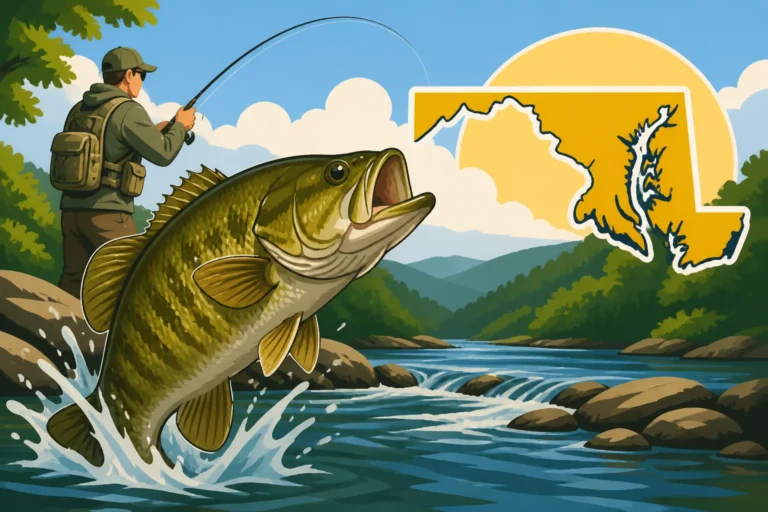
Largemouth bass thrive in the calmer, vegetated sections of the upper Choptank, particularly in oxbows, coves, and areas with submerged timber. Anglers targeting bass will find success with classic techniques like casting spinnerbaits, crankbaits, jigs, and Texas-rigged soft plastics around structure. The Maryland Largemouth Bass Size Limit by Water varies, so be sure to consult current regulations. Crappie, another popular panfish, can be found schooling around brush piles, docks, and fallen trees in the calmer, deeper pools. Small jigs tipped with minnows or crappie nibblers are highly effective. Chain pickerel, with their sharp teeth and aggressive strikes, also inhabit these freshwater zones and can be caught on spinnerbaits, spoons, or live minnows. These freshwater sections offer a different kind of challenge and a peaceful retreat from the hustle of the main tidal river.
Navigating Regulations and Making the Most of Your Trip
Fishing in a vibrant ecosystem like the Choptank River comes with responsibilities. Understanding and adhering to Maryland's fishing regulations is paramount not only for legal compliance but also for ensuring the sustainability of the fishery for future generations. Additionally, planning your trip effectively, whether that means hiring a guide or practicing safe boating, will make your experience more enjoyable and successful.
Understanding Maryland Fishing License Requirements
Before you even cast a line in the Choptank, it's crucial to ensure you have the correct Maryland fishing license. The Choptank River near Cambridge is considered tidal water, which means specific licenses apply, differing from nontidal (freshwater) requirements.
For most tidal fishing in Maryland, you'll need a Chesapeake Bay & Coastal Sport Fishing License. This license covers tidal portions of the Chesapeake Bay and its tributaries, as well as the coastal bays and Atlantic Ocean. If you also plan to fish in freshwater lakes or rivers upstream, you might need a separate Nontidal Fishing License or a Consolidated Sport Fishing License that covers both. Our detailed guide on Maryland Chesapeake Bay Sport Fishing License Explained will walk you through the specifics. It's also important to understand the nuances between Maryland Nontidal vs Tidal Fishing License, Explained, as mistaking one for the other can lead to unnecessary fines. Maryland offers various license options, including annual, 7-day, and even 3-day options for non-residents, making it flexible for different trip lengths. Always make sure your license is current and readily accessible while fishing.
Benefits of Hiring a Local Charter or Guide
For anglers new to the Choptank River, or those looking to quickly learn its secrets and improve their skills, hiring a local charter or fishing guide can be an invaluable investment. These professionals possess an intimate knowledge of the river's ever-changing conditions, fish patterns, and productive hotspots, saving you countless hours of trial and error.
A good Choptank River guide can put you on fish faster, teach you effective local techniques, and ensure you're compliant with all current regulations. They typically provide all the necessary gear, bait, and often even clean your catch. This can be especially beneficial when targeting specific species like trophy striped bass during a hot bite or trying to locate evasive northern snakeheads in dense cover. A guide can also help you understand the river's currents, tides, and structure, transforming your learning curve into a vertical climb. To find reputable captains in the Cambridge area, platforms like FishingBooker are incredibly helpful, allowing you to browse licensed guides, read reviews from other anglers, and compare offerings to find the perfect fit for your fishing ambitions. Our general overview, Maryland Chesapeake Bay Fishing Charters, What to Expect, provides more insight into what a charter experience entails.
Conservation, Safety, and Ethical Angling
As stewards of the Choptank River's rich fishery, all anglers have a responsibility to practice conservation and prioritize safety. Ethical angling ensures that the river remains a productive and enjoyable place for generations to come.
Always prioritize safety, especially if you're on the water in a boat or kayak. Wear a life jacket, check weather forecasts before heading out, and let someone know your float plan. Be mindful of other boaters and anglers. When it comes to conservation, practice catch and release responsibly for species like striped bass, especially outside of the legal harvest slot. Handle fish gently, minimize their time out of water, and use appropriate release tools. For invasive species like blue catfish and snakehead, the opposite applies: harvest them and do not release them alive. Proper disposal of trash and avoiding the spread of aquatic invasive species by cleaning your gear thoroughly after each trip are also crucial. By embracing these principles, you contribute to a healthier, more vibrant Choptank River ecosystem.
| Species | Best Season(s) | Preferred Habitat | Common Baits/Lures | Key Regulations (Check Current DNR) |
|---|---|---|---|---|
| Striped Bass | Spring, Fall, Winter | Channel edges, structure, oyster reefs | Jigs, live bait (spot, eel), trolling lures | Slot limit, specific seasons |
| White Perch | Spring, Summer, Fall | Tributaries, docks, oyster beds | Bloodworms, grass shrimp, small jigs | Daily creel limit |
| Blue Catfish | Year-round | Deep channels, holes, tidal currents | Cut bait (shad, clam), chicken liver | No possession limit (invasive) |
| Northern Snakehead | Spring, Summer, Fall | Shallow, vegetated areas (lily pads) | Frog lures, chatterbaits, weedless plastics | Harvest required (invasive) |
| Largemouth Bass | Spring, Summer, Fall | Upper freshwater reaches, coves | Spinnerbaits, jigs, crankbaits, soft plastics | Size and creel limits |
| Yellow Perch | Spring, Fall | Upper reaches, calmer bays | Minnows, small jigs, bloodworms | Daily creel limit |
Disclaimer
Please be aware that fishing regulations, including seasons, size limits, and creel limits, are subject to change by the Maryland Department of Natural Resources (DNR). It is always the angler's responsibility to check the most current regulations before heading out on the water. This guide is for informational purposes only and should not be considered a substitute for official DNR publications or expert advice.