Best Access Points on the Upper Potomac for Smallmouth
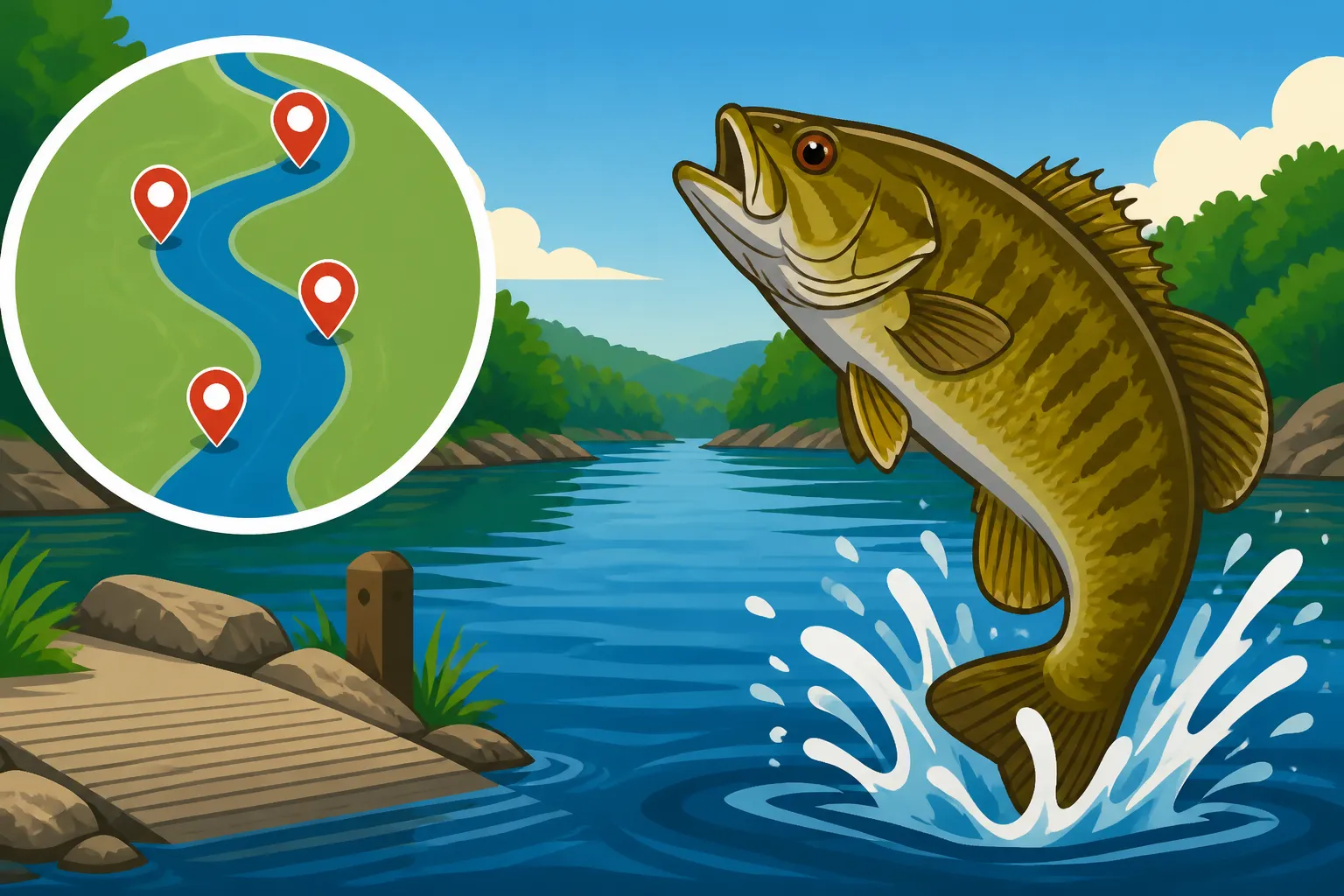
Finding the perfect spot to chase smallmouth bass on Maryland's Upper Potomac River can feel like a secret handshake among seasoned anglers. The river changes so much from mile to mile, presenting a truly diverse set of challenges and opportunities, and knowing where to drop in can make or break your day. This guide is here to demystify those prime locations, giving you the real scoop on the best public access points for targeting those feisty bronze backs.
Understanding the Upper Potomac Smallmouth Habitat
The Upper Potomac River, particularly the non-tidal stretches, is a smallmouth bass paradise, but it's not a uniform environment. Unlike the slower, wider tidal sections, the Upper Potomac is characterized by a dynamic mix of riffles, runs, pools, and rocky outcrops, all of which contribute to creating ideal smallmouth habitat. These fish thrive in moving water with plenty of structure, and understanding this ecosystem is key to picking the right access point and fishing effectively.
The Dynamics of Flow and Structure
Smallmouth bass are opportunistic predators that use the river's currents to their advantage. They'll often position themselves behind current breaks—large boulders, ledges, or submerged logs—waiting for baitfish or insects to drift by. The sections of the Upper Potomac that offer a good blend of swift water and deeper, calmer pools are generally the most productive. Riffles and runs oxygenate the water and concentrate food, while the deeper pools provide refuge and ambush points.
Water levels play a huge role here. After heavy rains, the river can become high and muddy, making fishing tough and even dangerous. Conversely, during prolonged dry spells, the river can get quite low, exposing more rocks and making navigation challenging for boats but potentially excellent for wading anglers. Always check the river gauges and clarity before you head out. Understanding the river's mood, so to speak, is crucial for successful outings and safety, especially if you plan on getting into the water for some Wading the Susquehanna River Safely—though on the Potomac, similar principles apply.
Prime Seasons and Conditions for Potomac Smallmouth
While you can catch smallmouth bass year-round in the Upper Potomac, some seasons are undeniably better than others. Spring, particularly from April to early June, is a fantastic time as the water warms up and fish become very active, preparing to spawn. They'll move into shallower, rocky areas, and their aggressive feeding can make for some incredible action. Fall, from September through November, is another prime window as smallmouth feed heavily in anticipation of winter, often schooling up in deeper pools.
Summer fishing can be excellent, especially during morning and evening hours, but the midday heat can push fish into deeper, cooler water. Winter offers a challenging but rewarding experience for dedicated anglers, with fish holding in the deepest, slowest pools. Regardless of the season, clear to slightly stained water is usually best. Overcast days or periods of stable weather generally lead to more consistent bites than extreme changes. For a broader understanding of how different times impact fishing, check out the Best Time of Year to Fish in Maryland.
Western Maryland's Premier Access Points
When we talk about the "Upper Potomac," a significant portion of that smallmouth bass heaven lies in Western Maryland. This region boasts some truly iconic and productive stretches, with a good network of public access points, boat ramps, and state parks designed for anglers and river enthusiasts.
Potomac State Park and Point of Rocks
Heading west, one of the most popular and well-known areas for smallmouth is near Point of Rocks. This area is characterized by a mix of rapids, ledges, and deeper channels, offering diverse fishing opportunities. The access at Potomac State Park is excellent, providing ample parking and clear pathways to the river.
At Point of Rocks, you'll find easy access for both wading and launching kayaks or canoes. The currents here can be robust, so caution is always advised, especially if you're wading. Anglers often target the eddy lines and rock gardens using small crankbaits, tubes, or finesse jigs. The river here offers a classic smallmouth environment, with plenty of natural structure. Local insight often suggests focusing on the seams where faster water meets slower water, as these are prime ambush points. If you're planning a trip, considering a guided excursion through platforms like FishingBooker might give you an edge, connecting you with local experts who can navigate these waters with ease.
Antietam Creek and Downstream Junctions
While Antietam Creek itself is a fantastic smallmouth fishery, its confluence with the Potomac River also creates an excellent access point and productive fishing grounds. Located near Sharpsburg, this area offers a mix of wading and small boat access. The creek itself provides some fantastic shallow-water opportunities, but where it meets the Potomac, the deeper channels and current breaks can hold larger smallmouth.
The state park access points along the lower Antietam and its junction with the Potomac are well-maintained. Parking is usually readily available, and the walk to the water is manageable. Anglers here often have success with topwater lures in the mornings and evenings, particularly around submerged logs and rock piles. During the day, spinnerbaits and soft plastics can be highly effective. The historical significance of the area also adds a unique backdrop to your fishing adventure. Remember, understanding Maryland Smallmouth Bass Catch and Release Rules is important, as these fish are a treasured resource.
Williamsport and Cushwa Basin
Moving further upstream into Washington County, Williamsport offers accessible smallmouth fishing right in town. The Cushwa Basin area provides excellent public access, with paved boat ramps suitable for small jon boats, kayaks, and canoes. This section of the river tends to be a bit wider and, in places, deeper, offering a different character than the more turbulent sections downstream.
From Williamsport, you can explore several miles of productive water both upstream and downstream. The river here still features plenty of rocky bottoms and submerged structure, but the currents can be less intense in certain stretches, making it a good option for those looking for a slightly more relaxed float trip. Look for smallmouth around bridge pilings, submerged creek mouths, and any noticeable changes in bottom contour. Many anglers report great success with jerkbaits and swimbaits in these deeper areas. Before you head out, make sure you're up-to-date on your licensing requirements. You can find comprehensive information in the Maryland Fishing License Guide for 2026.
Northeastern Stretches and Remote Access
While Western Maryland gets a lot of love for its smallmouth fishing, the Upper Potomac continues to offer fantastic opportunities as it winds northeast towards areas closer to Montgomery and Frederick counties. These sections often require a bit more navigation but can reward anglers with less pressure and incredible scenery.
Brunswick and the C&O Canal Towpath Access
Near Brunswick, the Potomac River offers extensive access via the Chesapeake & Ohio (C&O) Canal National Historical Park towpath. While this isn't a traditional boat ramp, the towpath provides miles of bank fishing access and numerous spots to launch kayaks or canoes if you're willing to portage a bit. This stretch is characterized by a mix of slower pools and faster riffles, with abundant rocky structure.
Anglers can park at designated C&O Canal parking lots (check specific locations like Point of Rocks or Lander) and then walk or bike along the towpath to find their preferred fishing spots. This is a particularly popular method for fly fishing enthusiasts, who often find success targeting smallmouth with streamers and poppers. Be prepared for a walk, and make sure your gear is manageable. It’s an immersive way to experience the river and truly feel like you’re exploring some of the Best Places to Fish in Maryland. For those interested in the nuances of traveling the river this way, the Kayak Fishing Techniques for Maryland Waters post offers some great tips.
Monocacy Aqueduct and Mouth of the Monocacy River
The confluence of the Monocacy River with the Potomac, near the historic Monocacy Aqueduct, is another prime smallmouth hotspot. This area, accessible via the C&O Canal towpath from locations like the Monocacy Aqueduct parking lot, provides excellent bank access and opportunities for wading or launching small watercraft. The Monocacy River itself is a significant tributary, and its mouth can be particularly productive as smallmouth often congregate where the two rivers meet, especially during seasonal migrations.
The habitat here is diverse, with deeper pools formed by the confluence, alongside faster runs and large rock formations. This area can be fantastic for casting a variety of lures, from crankbaits to soft plastic grubs. Pay attention to current breaks and any areas where the two water bodies mix, as these are often feeding zones. If you're considering a trip and want to maximize your chances, a quick search on FishingBooker can sometimes reveal local guides who specialize in these specific confluence points, offering invaluable local knowledge.
Edwards Ferry and Seneca Creek State Park
Further downstream, but still very much part of the Upper Potomac's smallmouth domain, are areas like Edwards Ferry and Seneca Creek State Park. Edwards Ferry, a historic crossing point, offers good public access for both shore fishing and launching kayaks or canoes. Seneca Creek State Park, a bit further upstream on the creek, has good access to the creek itself, which is a great smallmouth fishery, but also provides proximity to its mouth where it joins the Potomac.
These stretches tend to have wider sections of the river, with deeper channels and extensive rock gardens. Anglers often find success targeting ledges and drop-offs with jigs and Carolina rigs. While the current might not be as intense as in the far western sections, strategic positioning is still key. The C&O Canal towpath also runs through these areas, providing additional bank fishing opportunities. Many of the techniques discussed in Fishing the Potomac River in Maryland apply perfectly here.
Essential Gear and Techniques for Upper Potomac Smallmouth
Once you've picked your access point, having the right gear and understanding effective techniques will significantly boost your chances of success. Smallmouth bass are known for their strong fights and acrobatic jumps, making them a thrilling target.
Rods, Reels, and Line Choices
For most Upper Potomac smallmouth fishing, a medium-light to medium power spinning rod, typically 6'6" to 7' in length, paired with a 2500-3000 series reel, is a versatile setup. This combination offers enough backbone to handle feisty bass while providing the sensitivity needed for subtle bites. For line, 6-10 lb test fluorocarbon or braided line with a fluorocarbon leader is a popular choice. Fluorocarbon is nearly invisible underwater and offers excellent abrasion resistance, which is crucial when fishing around rocks. Braided line provides superior casting distance and sensitivity, and the leader helps with stealth.
If you're into Fly Fishing in Maryland, a 5 or 6-weight fly rod is generally perfect for these waters. Pair it with a floating line and a 9-foot leader tapering to 2X or 3X tippet for streamers, poppers, and dry flies.
Lure Selection and Presentation
Smallmouth bass in the Upper Potomac respond well to a variety of lures. Here's a quick rundown of proven producers:
- Soft Plastics: Tubes (especially green pumpkin, black, or smoke colors), senkos, grubs, and creature baits rigged on jig heads or Texas rigged are deadly. Finesse presentations are often key, especially in clear water or during slower bites. Let them tumble naturally with the current.
- Crankbaits: Small to medium-sized crankbaits, particularly those designed to dive 3-8 feet, are excellent for covering water and triggering reaction strikes. Colors mimicking crawfish or baitfish are highly effective.
- Spinnerbaits and Chatterbaits: These are great for searching water, especially around submerged logs and weed lines (if present). Their flash and vibration can draw fish from a distance.
- Topwater Lures: Poppers, walk-the-dog baits, and buzzbaits provide exciting surface strikes, particularly during low-light conditions in spring, summer, and fall.
- Jigs: Football jigs or stand-up jigs tipped with a craw trailer are excellent for probing deeper rock piles and ledges.
When presenting your lure, think like a smallmouth. Cast upstream or across current, allowing your lure to drift naturally into eddies, behind rocks, or along current seams. Vary your retrieve speed and add pauses. Sometimes a subtle twitch is all it takes; other times, an aggressive retrieve is what they want. It’s all part of the fun of figuring out these intelligent fish.
Table of Upper Potomac Access Points for Smallmouth
| Access Point | Location (County) | Primary Access Type | Best For (Method) | Key Features | Notes |
|---|---|---|---|---|---|
| Potomac State Park | Frederick/Montgomery | Bank/Kayak/Canoe Launch | Wading, Kayaking | Riffles, rocky ledges, deeper runs | Popular, strong currents, ample parking |
| Antietam Creek Junction | Washington | Bank/Kayak/Canoe Launch | Wading, Kayaking | Creek confluence, diverse structure, historical site | Can be shallow in creek, productive where creek meets Potomac |
| Cushwa Basin | Washington | Boat Ramp/Bank | Small Boats, Kayaking | Wider river, bridge pilings, submerged creek mouths | Less intense current, good for exploring miles of river |
| C&O Canal Towpath (Brunswick) | Frederick | Bank/Kayak/Canoe Portage | Wading, Fly Fishing | Miles of shoreline, diverse depths, rock gardens | Requires walking, picturesque, less crowded bank access |
| Monocacy Aqueduct | Frederick | Bank/Kayak/Canoe Portage | Wading, Bank Fishing | River confluence, deep pools, current breaks | Historic area, excellent structure, good for seasonal runs |
| Edwards Ferry | Montgomery | Bank/Kayak/Canoe Launch | Shore, Kayaking | Deeper channels, ledges, rock gardens | Closer to urban areas but still wild, good for various lure types |
Regulations and Conservation for Smallmouth Bass
As responsible anglers, it's paramount that we adhere to all Maryland fishing regulations to ensure the health of the smallmouth bass population and the overall river ecosystem. The Maryland Department of Natural Resources (DNR) sets specific rules for catch and release, size limits, and creel limits. These can change, so it’s always best to consult the most current Maryland Fishing and Boating Guide before each season.
Understanding Catch and Release and Size Limits
Many anglers on the Upper Potomac practice catch and release for smallmouth, especially for larger fish, to help sustain the fishery. Maryland does have specific regulations, including minimum size limits and daily creel limits for smallmouth bass. For instance, there's often a slot limit or a minimum size, and violating these can result in significant fines, as outlined in Maryland Fishing License Penalties for Violations. Always be sure to measure your catch accurately and handle fish gently, especially if you intend to release them. Using barbless hooks can also aid in quick and clean releases.
Protecting the Potomac River Environment
Beyond fishing regulations, it's crucial to be a good steward of the environment. Pack out everything you pack in, and even consider picking up any trash you find. Avoid disturbing sensitive bankside vegetation and be mindful of private property. The Upper Potomac is a truly special place, and its continued health relies on all of us doing our part. Getting your fishing license is also a vital part of conservation, as the funds generated help support fisheries management programs. If you're wondering What Documents You Need to Buy a Maryland Fishing License, that guide has all the details.
The Upper Potomac River is a jewel for smallmouth bass anglers, offering a lifetime of exploration. By understanding the river's unique characteristics, knowing where to access it, and applying proven techniques while respecting the environment, you're set for many memorable days on the water chasing these magnificent fish.
Disclaimer
The information provided in this guide is for general informational purposes only and is not intended as legal advice or a substitute for official regulations. Fishing rules and access point details can change frequently. Always consult the latest Maryland Department of Natural Resources (DNR) regulations and local signage before fishing to ensure compliance and safety. The author and publisher are not responsible for any incidents that may occur while following this information.