Best Coves at Deep Creek Lake for Bass
Trying to find the best bass fishing spots in a large, complex lake like Deep Creek can feel like searching for a needle in a haystack, especially when you're looking for those hidden gems where bass truly thrive. It's easy to waste precious fishing time casting into barren water or overcrowded areas, leaving you frustrated and without a bite. This guide will cut through the guesswork, taking you deep into the prime coves of Deep Creek Lake that consistently produce excellent largemouth and smallmouth bass action, equipping you with the knowledge to make your next trip a success.
Understanding Deep Creek Lake's Bass Habitat
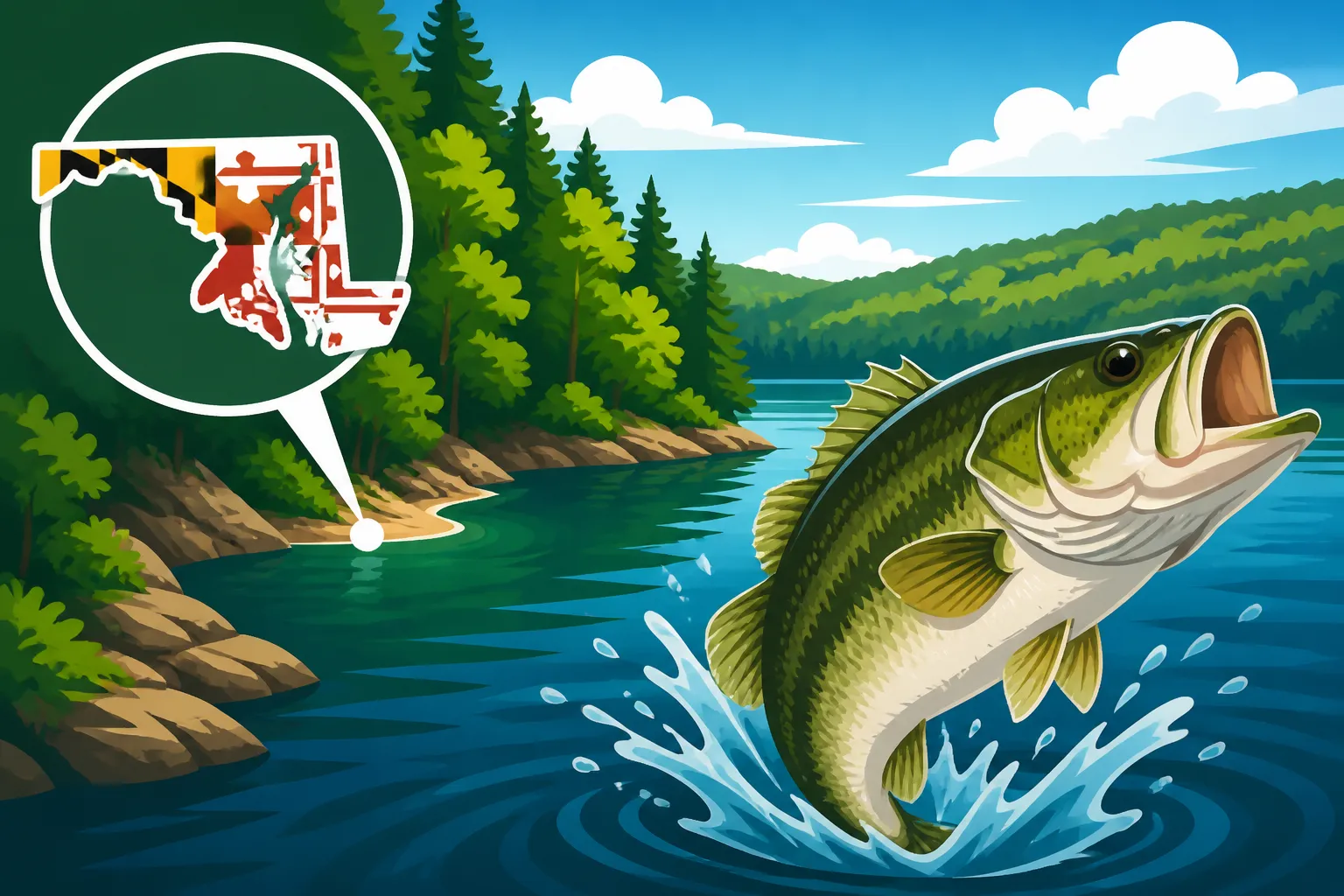
Deep Creek Lake, nestled in the mountains of Western Maryland, is a truly unique fishing destination. It's Maryland's largest freshwater lake, and its diverse underwater landscape, from rocky points to sprawling weed beds and submerged timber, creates a fantastic environment for both largemouth and smallmouth bass. But not all water is created equal, and understanding why certain coves hold more fish is the first step to becoming a more successful angler.
The Unique Environment of Deep Creek Lake
Deep Creek Lake isn't your average farm pond. It's a man-made reservoir covering roughly 3,900 acres with over 65 miles of shoreline, making it incredibly varied. The water here is generally clear, especially compared to some of our tidal rivers, which means bass can be a bit warier, but it also means they rely heavily on cover and structure to ambush prey. The lake experiences significant seasonal changes, from warm summer swimming holes to frozen winter landscapes, all of which impact where the bass will be hiding. Anglers often find success by understanding the lake's unique characteristics, as detailed in a comprehensive Deep Creek Lake Fishing Guide.
The lake's depth also plays a huge role. While many coves are shallower, Deep Creek boasts depths over 70 feet in some areas. Bass will utilize these deeper zones, especially during harsh weather or in search of cooler, oxygen-rich water during the summer. Knowing the contours of the lakebed within a cove – where it drops off, where humps rise, or where old creek channels carve through – is crucial.
Key Factors Attracting Bass to Coves
Bass are creatures of comfort and efficiency. They want easy access to food, shelter from predators, and favorable water conditions. Coves offer all of this, but the best coves have specific features that concentrate fish. Look for:
- Structure and Cover: This is paramount. Think submerged timber, rock piles, docks, boat lifts, and dense weed beds. Largemouth bass especially love thick cover they can hide in, while smallmouth often prefer rocky bottom and ledges. For targeting specific species, check out a dedicated guide on Largemouth Bass Fishing in Maryland or Smallmouth Bass in Maryland's Rivers.
- Forage: Coves with good populations of baitfish (like alewives, yellow perch, or bluegill) or crawfish will naturally attract bass. If you see baitfish flickering on the surface or hear them splashing, you're in the right spot.
- Depth Changes: Bass love transitions. A gradual slope from shallow to deep within a cove, or a sharp drop-off near a point, provides them with easy access to different depths as conditions change.
- Reduced Current/Wind: While some wind can be good for breaking up the surface and creating feeding opportunities, coves generally offer more protection from strong currents or heavy winds, making them comfortable havens for bass.
- Water Temperature and Clarity: Bass are sensitive to these factors. In summer, deeper, shadier coves or those with spring-fed inputs might hold cooler water. In spring, shallower coves warm up faster, drawing bass in to spawn.
Top Deep Creek Lake Coves for Largemouth Bass
When it comes to largemouth bass, Deep Creek Lake has some truly fantastic areas, especially in its shallower, weedier coves. These fish are ambush predators, so they crave dense cover where they can hide and dart out at unsuspecting prey.
Identifying Prime Largemouth Hangouts
For largemouth, you're looking for coves that offer a mix of dense vegetation, fallen trees, and man-made structures like docks. These areas provide the perfect camouflage for a largemouth waiting for a meal.
- Pumphouse Cove: Located on the western side of the lake, Pumphouse Cove is often cited by local anglers as a top spot. It features a good mix of docks, some emergent vegetation, and can hold some nice submerged timber. It's also relatively protected, making it a good option on windier days. The shallower water here can warm up quickly in spring, drawing bass in.
- Marsh Run Cove: This is another favorite, particularly known for its extensive weed beds, especially as the summer progresses. Marsh Run offers plenty of cover and can hold some surprisingly large largemouth. The back of the cove can get quite shallow, perfect for topwater action in the early mornings or late evenings. You'll often find a good concentration of baitfish here, making it a natural magnet for bass.
- Green Glade Cove: Closer to the northern end of the lake, Green Glade Cove offers a combination of residential docks, some rock structure, and decent weed lines. It’s a larger cove, so be prepared to explore different pockets within it. The transition areas where docks meet natural shoreline or where weeds thin out are always worth investigating.
When you're trying to locate the fish, think about what they eat. Understanding What Do Largemouth Bass Eat in Maryland Lakes? can help you choose the right bait.
Tactics for Targeting Largemouth in Coves
Once you've identified a promising cove, it's time to put your tactics to the test. Largemouth in these environments typically respond well to presentations that get right into their hiding spots.
- Flipping and Pitching: This is a classic technique for a reason. Use jigs, Texas-rigged soft plastics (like creature baits or worms), or even small swimbaits to accurately place your lure into dense cover. Focus on the darkest parts of the weed lines, under docks, and next to fallen trees. Let the bait sink, give it a few gentle twitches, and be ready for a strike as it falls.
- Topwater Lures: During low light conditions (dawn, dusk, or even on cloudy days), topwater lures can be incredibly effective, especially in Marsh Run Cove's weedier sections. Frogs, poppers, and walking baits (like a Zara Spook) can draw explosive strikes from aggressive largemouth. Cast them near cover and work them slowly, pausing often.
- Spinnerbaits and Bladed Jigs: These are excellent search baits for covering water quickly along weed edges or around submerged timber. The flash and vibration can draw bass out of cover. Vary your retrieve speed and depth until you find what the fish are reacting to.
| Cove Name | Primary Bass Species | Key Features | Recommended Tactics |
|---|---|---|---|
| Pumphouse Cove | Largemouth | Docks, emergent vegetation, submerged timber | Flipping/Pitching, Spinnerbaits |
| Marsh Run Cove | Largemouth | Extensive weed beds, shallow back, baitfish | Topwater, Flipping/Pitching |
| Green Glade Cove | Largemouth | Docks, rock structure, weed lines | Jigs, Texas-rigs, Spinnerbaits |
| Hoyes Run | Smallmouth | Rocky points, gravel beds, depth changes | Drop Shot, Jigging, Crankbaits |
| The Deep Creek Bridge | Smallmouth | Bridge pilings, deep rock structure, current | Vertical Jigging, Carolina Rig |
| Glendale Bridge | Smallmouth | Rocky ledges, channel edges, current nearby | Tubes, Grubs, Ned Rig |
Best Deep Creek Lake Coves for Smallmouth Bass
Smallmouth bass are often found in different types of coves than their largemouth cousins. These "bronze backs" prefer rocky bottoms, clearer water, and areas with access to deeper water. They are known for their hard fights and acrobatic jumps, making them a favorite target for many Deep Creek anglers.
Finding Smallmouth in Rocky Cove Structures
For smallmouth, shift your focus to coves that feature prominent rock formations, gravel beds, and access to deeper water. These fish are less likely to bury themselves in thick weeds and more likely to patrol open rock structures or ambush prey from around ledges.
- Hoyes Run: While it has some residential areas, the mouth of Hoyes Run and the nearby rocky points are classic smallmouth territory. You’ll find gravel beds, rock transitions, and access to deeper main lake basins. This is a great spot to drift or cast around the points, especially where the water suddenly drops off.
- The Deep Creek Bridge area: While not a cove in the traditional sense, the coves and pockets surrounding the main Deep Creek Lake bridge (Route 219) are phenomenal for smallmouth. The bridge pilings themselves act as artificial reefs, and the adjacent shorelines are often very rocky with good depth changes. This area can be busy, but the fishing often makes up for it. Access here might also put you in a good position to find a local expert guide through platforms like FishingBooker, which lists many experienced captains for Deep Creek.
- Glendale Bridge area: Similar to the main bridge, the coves and rocky banks around the Glendale Bridge can be very productive. Look for rocky ledges, submerged boulders, and areas where old creek channels might intersect the cove. The current from the lake's flow can also create feeding opportunities around these bridge structures.
When exploring these areas, it's worth noting that Can You Fish From Shore at Deep Creek Lake? has some excellent points on accessibility and where to target from land, which can be useful for these rocky bank smallmouth spots.
Effective Smallmouth Strategies in Deep Creek
Smallmouth bass in Deep Creek tend to be attracted to baits that imitate crawfish or baitfish, and they often prefer presentations that are worked closer to the bottom or along structures.
- Drop Shot Rig: This technique is a smallmouth killer, especially in clear water and around vertical structure. Use small worms, minnow imitations, or creature baits. The beauty of the drop shot is that you can keep your bait suspended at a specific depth, right in the strike zone, while the weight bounces on the bottom.
- Tube Jigs and Grubs: These soft plastics, fished on a lead head jig, are fantastic for imitating crawfish or bottom-dwelling baitfish. Cast them out, let them sink to the bottom, and then retrieve them with short hops and drags. Pay close attention to subtle bites.
- Crankbaits and Jerkbaits: For aggressive smallmouth patrolling rocky points or ledges, shallow to medium-diving crankbaits that mimic baitfish or crawfish can be very effective. Jerkbaits are particularly good in cooler water, as their erratic darting action can trigger strikes from sluggish fish.
- Ned Rig: This finesse technique, using a small mushroom-head jig and a short, buoyant plastic worm, is incredibly effective for smallmouth, especially when they're finicky. It stands up off the bottom, presenting an irresistible, easy meal.
Seasonal Considerations and General Tips for Cove Fishing
Deep Creek Lake offers year-round fishing opportunities, but the best coves and tactics will change significantly with the seasons. A smart angler adapts their approach to match the fish's behavior, which is heavily influenced by water temperature and other environmental factors.
Fishing Coves Through the Seasons
Understanding the seasonal movements of bass is key to maximizing your success in Deep Creek coves.
- Spring (Pre-spawn & Spawn): As the ice melts and water temperatures rise into the 50s and 60s, bass move into shallower coves to feed and eventually spawn. Look for north-facing coves that receive more sunlight and warm up faster. This is prime time for suspending jerkbaits, spinnerbaits, and then later, jigs and soft plastics fished around beds.
- Summer (Post-spawn & Summer Patterns): Once the spawn is over and water temperatures climb into the 70s, bass will transition to their summer patterns. Some will remain in the shallows, especially those with dense cover and good shade, favoring topwater lures in low light. Others will move deeper, relating to drop-offs, main lake points, and deeper structure within coves. This is when deep crankbaits, Carolina rigs, and drop shot rigs shine. A guide on Summer Fishing Patterns on Maryland's Chesapeake Bay provides a general idea of how warm waters affect fish.
- Fall (Feeding Frenzy): As water temperatures cool down, bass go on a major feeding binge to bulk up for winter. They'll often be found actively chasing baitfish in coves, especially around points and flats. Crankbaits, spinnerbaits, and swimbaits are incredibly effective during this time. The fish are often more aggressive and easier to catch.
- Winter (Ice Fishing & Deep Water): When Deep Creek Lake freezes over, it becomes a popular spot for Ice Fishing at Deep Creek Lake, Maryland. Bass, particularly smallmouth, can be targeted through the ice in deeper coves or where coves provide access to main lake structure. Vertical jigging with spoons or small jigs tipped with bait is the common method. If you're not ice fishing, bass will be deep, often schooled up, and lethargic. Finesse techniques like slow-reeling a jig or drop shot are your best bet.
Essential Gear and Techniques for Bass in Deep Creek Coves
Having the right tackle can make a huge difference. You don't need a boatload of gear, but a few key items will serve you well.
- Rods and Reels: A medium-heavy casting rod (6'6" to 7'6") with a baitcasting reel is versatile for jigs, plastics, and heavier moving baits. A medium-light to medium spinning rod (6'6" to 7') with a spinning reel is ideal for finesse techniques like drop shots and Ned rigs, especially in clear water.
- Line: For casting and pitching into heavy cover, 15-20 lb fluorocarbon or braided line (with a fluorocarbon leader) is a good choice. For open water and finesse, 6-10 lb fluorocarbon or monofilament works well.
- Lure Selection: Don't overcomplicate it. Carry a selection of:
- Soft Plastics: Senkos, creature baits, worms, tubes, grubs (various colors, especially green pumpkin, watermelon, and black/blue).
- Jigs: Flipping jigs, football jigs, Ned rigs (black/blue, green pumpkin, crawfish patterns).
- Crankbaits/Jerkbaits: Shallow and medium divers in baitfish and crawfish colors.
- Topwater: Frogs, poppers, walking baits.
- Spinnerbaits/Bladed Jigs: White, chartreuse, and natural baitfish patterns.
- Boat and Electronics: While Best Boat Ramps at Deep Creek Lake will help you launch, a good boat with a reliable fish finder (sonar and mapping) is invaluable for navigating the coves and identifying submerged structure, weed lines, and depth changes. This helps you pinpoint exactly where the bass are holding, rather than just guessing. If you're planning a trip and don't own a boat, consider looking into guides on FishingBooker, who often provide all the necessary equipment and local expertise. A guide on Hiring a Deep Creek Lake Fishing Guide in Maryland can help you decide if that's the right option for you.
Always be mindful of current Maryland fishing regulations, especially regarding size and creel limits for bass, and practice catch-and-release, especially for larger breeding fish, to help sustain the excellent fishing Deep Creek Lake offers.
Disclaimer
Fishing conditions, regulations, and fish behavior can change. Always check the latest Maryland Department of Natural Resources (DNR) regulations before heading out on the water. This guide is for informational purposes only and does not guarantee fishing success.