Fishing Rocky Gap State Park’s Lake Habeeb
Few things are as frustrating as planning a fishing trip to a beautiful, remote-sounding spot only to arrive and realize you have no idea where to start, what to use, or even what fish call those waters home. It's a waste of precious time and can quickly turn an exciting outdoor adventure into a head-scratching ordeal. This comprehensive guide is designed to cut through that confusion, giving you all the insider knowledge you need to successfully fish Lake Habeeb at Rocky Gap State Park, from understanding its unique environment to reeling in a prize catch.
Getting to Know Lake Habeeb at Rocky Gap State Park
Nestled in the picturesque mountains of Western Maryland, Lake Habeeb isn't just any fishing hole; it's a true gem. This spring-fed, man-made lake within Rocky Gap State Park offers anglers a serene and productive fishing experience, but like any body of water, it has its own personality. Understanding its characteristics, how to access it, and its underwater structure is key to unlocking its fishing potential.
Lake Habeeb's Unique Characteristics and Size
Lake Habeeb spans a respectable 243 acres, making it large enough to explore for a full day without feeling crowded, yet small enough to get to know intimately over a few visits. Its most striking feature is its crystal-clear water, which often boasts excellent visibility. This clarity is a double-edged sword: it makes for beautiful scenery and healthy aquatic life, but it also means fish can be warier, especially on bright, sunny days. The lake reaches depths of up to 75 feet in some areas, particularly near the dam and old creek channels, offering cool, oxygenated water for trout and other species during warmer months.
The shoreline is a mix of rocky outcrops, sandy beaches, and coves lined with natural vegetation. These diverse habitats create fantastic opportunities for different types of fishing. You'll find areas with submerged timber, which provides excellent cover for bass and pickerel, as well as open water where schools of panfish might roam. The mountain runoff keeps the water fresh, supporting a vibrant ecosystem.
Accessibility and Amenities for Anglers
One of the big draws of Lake Habeeb is its accessibility within Rocky Gap State Park. Whether you prefer to cast from shore, a pier, or a boat, the park has you covered. There are designated fishing areas around the lake, including a popular accessible fishing pier that extends into deeper water, perfect for those targeting trout or simply wanting to get a bait out further. This pier can be a real game-changer for anglers without a boat, offering access to parts of the lake typically out of reach from the bank. If you're wondering about the rules for such access, our guide on "Do You Need a License to Fish From a Maryland Pier?" can offer some clarity, though for state park piers, a valid Maryland fishing license is generally required.
For boat anglers, the park provides boat ramps with ample parking. However, it’s crucial to remember that only electric motors are permitted on Lake Habeeb. This rule helps maintain the serene atmosphere and ensures the water quality remains pristine. Canoes, kayaks, and paddleboards are also welcome, and if you don't own one, rentals are often available seasonally within the park. Beyond the fishing, Rocky Gap State Park offers restrooms, picnic areas, hiking trails, and even a sandy swimming beach, making it an ideal destination for a family outing where fishing is just one part of the adventure.
Understanding the Water's Depth and Structure
To consistently catch fish in Lake Habeeb, you need to think like a fish, and that means understanding the underwater world. The lake's depth varies significantly, from shallow coves and flats to deep drop-offs near the dam and in the old creek beds. Fish will use these different depths based on water temperature, oxygen levels, and available food.
Rocky points and submerged rock piles are always excellent targets, as they break up current (even subtle ones in a lake) and attract baitfish, which in turn attract predators. Keep an eye out for areas with fallen trees or brush piles; these provide crucial cover for bass and pickerel, offering ambush points and protection from sunlight. Using a depth finder, if you're in a boat, can reveal these hidden structures, but even from shore, observing the topography of the surrounding land can give clues about what lies beneath the surface. For example, a steep bank on shore often indicates deeper water close to the edge. In summer, the lake experiences thermal stratification, meaning a warm upper layer and a colder, oxygen-poor lower layer. Fish will often hold in the "thermocline," the transitional zone where temperatures are stable and oxygen is sufficient, usually somewhere in the middle depths.
Target Species and What You'll Catch
Lake Habeeb is a fantastic multi-species fishery, offering a diverse range of opportunities for anglers. From cold-water trout to feisty bass and abundant panfish, there's something to challenge and delight everyone. Knowing what you're likely to encounter and when will help you tailor your approach and gear for maximum success.
Popular Game Fish: Trout, Bass, and Panfish
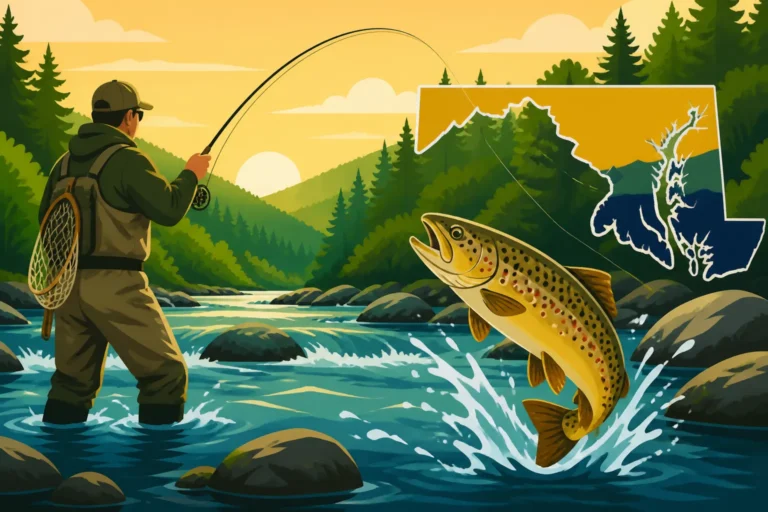
Lake Habeeb is perhaps best known for its Rainbow Trout. The Maryland Department of Natural Resources (DNR) heavily stocks the lake with these beautiful, hard-fighting fish, especially in spring and fall. These trout provide excellent sport, often hitting a variety of baits and lures with enthusiasm. You might also encounter an occasional Brown Trout, though they are less common.
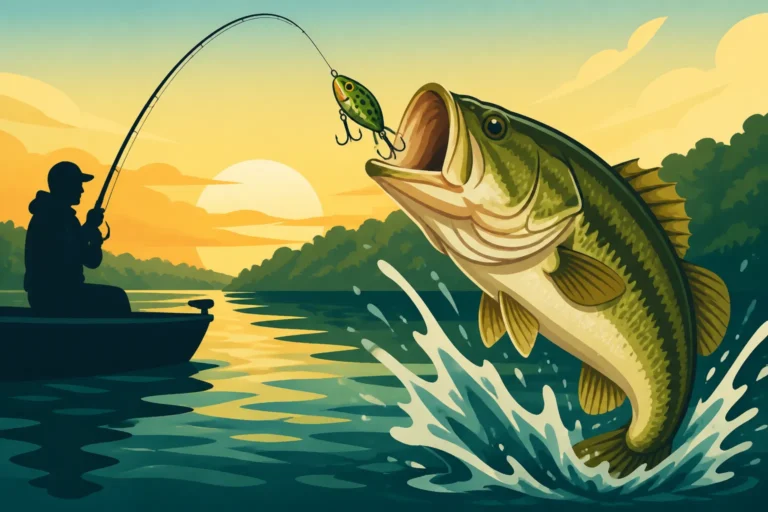
Largemouth Bass thrive in the lake's coves, weed beds, and around submerged structures. While it might not produce as many trophy-sized bass as some of Maryland's larger reservoirs, there's a healthy population of solid 2-4 pounders, with bigger fish certainly possible. They offer exciting topwater action in the mornings and evenings during warmer months. Smallmouth Bass are less prevalent but can be found, particularly in rockier areas and deeper water.
For those looking for consistent action and a delicious meal, Panfish are abundant. This includes good numbers of Bluegill, Crappie, and Yellow Perch. These fish are perfect for younger anglers or anyone just looking to relax and catch a lot of fish. They can be found throughout the lake, often congregating in schools, making them relatively easy to locate once you find one. Keep in mind that for all these species, there are specific "Maryland Fishing Size and Catch Limits by Species" that you'll need to be aware of to stay compliant.
Seasonal Opportunities for Different Species
Fishing at Lake Habeeb truly shines with its seasonal variety.
- Spring (March-May): This is prime time for trout. With fresh stockings, the trout are active and hungry. They'll be spread throughout the lake, but particularly concentrated near points, the dam, and creek channels. Largemouth bass also become very active as water temperatures rise, moving into shallower coves to spawn. Panfish will start to become more aggressive. This is arguably the "Best Time of Year to Fish in Maryland" if you're after multiple species.
- Summer (June-August): Trout fishing slows down a bit as the surface waters warm, pushing them into deeper, cooler areas. Bass fishing remains strong, especially in the early morning and late evening, with topwater action being a blast. Look for bass relating to deeper cover or shade during midday. Panfish are plentiful and can be caught all day long.
- Fall (September-November): Another fantastic season! The DNR often conducts additional trout stockings, re-energizing the fishery. Trout become active again as water temperatures drop. Largemouth bass go on a feeding frenzy, bulking up for winter, making them aggressive targets. Panfish also remain active.
- Winter (December-February): Ice fishing is possible if the ice becomes thick enough, typically from mid-January to late February, but always exercise extreme caution and check ice conditions. When ice fishing, focus on trout and panfish. Even without ice, open water fishing can still yield good catches for hardy anglers, especially for trout in the deeper sections.
Maryland's Trout Stocking Program at Lake Habeeb
The abundance of Rainbow Trout in Lake Habeeb is largely due to the diligent efforts of the Maryland DNR's stocking program. Lake Habeeb is one of Maryland's designated "put-and-take" trout waters, meaning it receives regular stockings to ensure a sustained fishery throughout the spring and often into the fall.
These stockings typically occur in waves, with the heaviest releases happening in March and April, and often another round in the fall. The DNR aims to distribute the trout throughout the lake, but you'll often find concentrations near the boat ramps, the fishing pier, and areas where feeder streams enter the lake. After a fresh stocking, the fishing can be phenomenal for a few days, often tapering off as the trout disperse and become more acclimated.
To stay up-to-date on when and where stockings are happening, checking the Maryland DNR's website is your best bet. They usually provide a "Maryland Trout Season, Month by Month" schedule, which is incredibly helpful for planning your trout excursions. Remember, while these fish are stocked for anglers to catch, being mindful of the "Maryland Trout Daily Creel Limit" is essential for sustainable enjoyment and to avoid any fines.
Essential Gear and Techniques for Lake Habeeb
Approaching a new lake can feel like a guessing game when it comes to gear and techniques. Thankfully, Lake Habeeb, while diverse, responds well to a few tried-and-true methods. Having the right setup for your target species and knowing how to present your bait or lure can make all the difference between a slow day and a banner day.
Recommended Rods, Reels, and Line
Matching your gear to your target species and the lake's conditions will greatly improve your success.
- For Trout: Light to ultralight spinning gear is generally preferred. A 6-foot to 6-foot-6-inch rod with a fast action tip will give you the sensitivity to detect subtle bites and the backbone to fight a feisty trout. Pair this with a small spinning reel (size 1000-2000) spooled with 4-6 pound monofilament or fluorocarbon line. The clear water of Lake Habeeb often makes fluorocarbon a good choice due to its low visibility.
- For Largemouth Bass and Chain Pickerel: A medium-action spinning or baitcasting rod, typically 6-foot-6-inches to 7-foot, is versatile enough for most bass techniques. Spool your reel (size 2500-3000 spinning or a standard baitcaster) with 8-12 pound monofilament or fluorocarbon. If you're fishing around heavy cover like submerged trees, consider bumping up to 15-20 pound braided line with a fluorocarbon leader for abrasion resistance.
- For Panfish (Bluegill, Crappie, Yellow Perch): Ultralight spinning gear is not only effective but also makes catching even small panfish incredibly fun. A 5-foot to 6-foot ultralight rod with a tiny spinning reel (size 500-1000) and 2-4 pound monofilament line is perfect. The light line allows for better casting of small baits and more natural presentations.
Baits and Lures That Consistently Produce
Lake Habeeb's diverse fish populations mean you'll need a versatile tackle box. Here's what tends to work best:
For Trout:
- PowerBait and Corn: These dough baits, often fished on a small treble hook with an egg sinker just above it, are classics for stocked trout. They come in various colors and scents.
- Worms: Live nightcrawlers or mealworms, fished under a bobber or on the bottom, are universally effective.
- Spinners: Small inline spinners like Mepps Aglia, Panther Martin, or Rooster Tail in sizes 0-2 are deadly. Silver, gold, or bright colors like chartreuse and orange work well.
- Spoons: Tiny Kastmasters or Little Cleos can imitate fleeing baitfish.
- Flies: For fly anglers, standard trout patterns like Woolly Buggers, pheasant tails, and caddis nymphs can be very effective, especially in the spring and fall.
For Largemouth Bass and Chain Pickerel:
- Soft Plastics: Wacky-rigged Senkos, Texas-rigged worms, and creature baits are staples. Green pumpkin, black, and junebug are popular colors.
- Crankbaits: Medium-diving crankbaits in shad or crayfish patterns can be very productive along drop-offs and points.
- Spinnerbaits: Chartreuse and white spinnerbaits are great for covering water and fishing around weeds.
- Jigs: Flipping and pitching jigs into heavy cover is a great way to target larger bass.
- Topwater Lures: Poppers, walk-the-dog lures, and frog imitations can create explosive strikes in low light conditions.
For Panfish:
- Small Jigs: Tiny 1/32 or 1/16 ounce jigs tipped with a grub, minnow, or piece of worm are excellent for crappie and perch.
- Mealworms and Wax Worms: Live bait is tough to beat for bluegill and other sunfish. Fish them under a small bobber.
- Small Spinners: Just like for trout, tiny spinners can also entice active panfish.
Fishing from Shore, Docks, and Boats
Each access point offers unique advantages and requires slightly different tactics.
- Shore Fishing: The most accessible option. Focus on areas with natural structure: fallen trees, rocky banks, and points that jut out into the lake. Cast parallel to the shore in these spots to cover potential fish holding areas. The public fishing pier offers access to deeper water, allowing you to target trout that might be suspended deeper or bass cruising the thermocline in summer. Early mornings and late evenings are often the best times from shore, especially when fish move shallower to feed.
- Dock Fishing: While the main fishing pier is designed for public use, you might find other smaller docks or structures. These often hold panfish and sometimes bass seeking shade and cover underneath. Drop a small jig or baited hook directly down beside the pilings.
- Boat Fishing: This is where the "electric motors only" rule comes into play. It means you'll be moving slower and quieter, which can be a huge advantage in clear water.
- Trolling: For trout, slow trolling with small spinners or spoons behind a planer board or small weight can be highly effective, especially along contour lines or across the deeper sections of the lake.
- Casting: Navigate your boat into the many coves and cast towards the shoreline, targeting submerged timber, weed lines, and rocky points for bass and pickerel. Use your depth finder to locate drop-offs and submerged humps where fish might congregate.
- Anchoring: Find a promising spot over a rock pile or a deep hole and anchor. You can then fan-cast different baits or fish vertically with jigs for suspended fish. This is also a great tactic for finding schools of crappie or yellow perch.
Navigating Regulations and Best Practices
Fishing in Maryland, especially within a state park like Rocky Gap, comes with a set of rules and guidelines designed to protect the resource and ensure a fair experience for all. Ignorance of these rules is never an excuse, and understanding them is part of being a responsible angler.
Maryland Fishing License Requirements and Lake-Specific Rules
First and foremost, anyone 16 years of age or older needs a valid Maryland fishing license to fish Lake Habeeb. This is a non-negotiable requirement. For a complete rundown on how to obtain one, our "Maryland Fishing License Guide for 2026" is an invaluable resource. You can purchase licenses online, at tackle shops, or at many sporting goods stores across the state.
Beyond the general license, Lake Habeeb's status as a put-and-take trout water often means that if you plan to keep any trout, you'll also need a "Maryland Trout Stamp Requirements". This additional stamp helps fund the state's trout stocking program, ensuring future fishing opportunities.
Crucially, remember the electric motors only rule for boats on Lake Habeeb. This is a firm regulation to maintain the lake's ecological health and peaceful environment. Violating this rule can lead to fines and eviction from the park. Always double-check the latest regulations, as they can change. The Maryland DNR's website or their annual fishing guide is the definitive source for current rules and restrictions.
Catch and Release vs. Keeping Your Catch
Maryland has specific size and creel (daily bag) limits for different fish species, and Lake Habeeb is no exception. These limits are in place to manage fish populations and prevent overfishing. Our article on "Maryland Fishing Size and Catch Limits by Species" provides a detailed overview. For example, while trout are often stocked for harvest, there will be limits on how many you can keep per day. Bass often have minimum size limits, and many anglers choose to practice catch-and-release for larger bass to help sustain a healthy population of breeders.
When deciding whether to keep or release a fish, consider a few things:
- Regulations: Is the fish within the legal size slot and do you have enough room under your daily limit?
- Health of the Fish: If a fish is deeply hooked or severely injured, it's often more humane to keep it (if legal) than to release it to die.
- Your Intent: Are you fishing for food or for sport? Many anglers enjoy catching and releasing, especially for species like bass, to preserve the fight for another day.
If you do practice catch-and-release, handle fish with care. Minimize their time out of water, use wet hands to protect their slime coat, and revive them gently if they seem lethargic before release.
Conservation and Responsible Angling
Being a responsible angler goes beyond just following the rules; it's about being a steward of the environment. Lake Habeeb is a beautiful natural resource, and it's up to all of us to keep it that way.
- Leave No Trace: Pack out everything you pack in, including all trash, discarded fishing line, and bait containers. Don't litter.
- Respect Wildlife: Be mindful of other park users and wildlife. Don't disturb nesting birds or other animals.
- Prevent Invasive Species: Clean, drain, and dry your boat, waders, and gear after each outing. This prevents the spread of aquatic invasive species from one body of water to another. While Lake Habeeb has its own unique ecosystem, preventing new invasives is crucial for all Maryland waters.
- Report Violations: If you witness someone violating fishing regulations or harming the environment, report it to the Maryland DNR. This helps protect the resource for everyone.
By adhering to these principles, you ensure that Lake Habeeb remains a vibrant and productive fishing destination for years to come.
Planning Your Rocky Gap Fishing Trip Beyond the Hook
A fishing trip to Lake Habeeb at Rocky Gap State Park doesn't have to be just about fishing. The park and surrounding area offer a wealth of other activities, making it an ideal destination for families, couples, or solo adventurers looking for a broader outdoor experience. Thinking about the whole package can elevate your trip from a simple fishing outing to a memorable vacation.
Combining Fishing with Other Park Activities
Rocky Gap State Park is renowned for its diverse recreational opportunities, so why not make a multi-activity trip out of it?
- Hiking: The park boasts over 15 miles of hiking trails, ranging from easy strolls around the lake to more challenging climbs offering panoramic views of the gorge. A morning hike can be a fantastic way to stretch your legs before an afternoon of fishing, or a perfect activity for non-fishing companions.
- Swimming and Beaches: Lake Habeeb has a beautiful sandy beach area, perfect for cooling off on a hot summer day. If you're bringing family, this offers a great alternative for those who might not be keen on casting a line all day.
- Paddling and Boating: Beyond fishing boats, the lake is perfect for kayaking, canoeing, and stand-up paddleboarding. You can bring your own or rent them seasonally. Exploring the coves and shoreline from a different perspective can even give you new insights into potential fishing spots.
- Golf: For golf enthusiasts, the Rocky Gap Casino Resort features an 18-hole Jack Nicklaus Signature Golf Course. It's a championship course nestled in the mountains, offering stunning views alongside challenging play.
- Nature Center: The park also has a nature center that often hosts educational programs, which can be great for kids to learn about the local wildlife and ecosystem.
Combining these activities allows everyone in your group to find something they enjoy, ensuring a fulfilling and fun experience for all, even if they aren't as passionate about fishing as you are.
Accommodation and Dining Options Nearby
Making your Rocky Gap fishing trip comfortable and convenient involves considering where you'll stay and eat. You have several options, from rustic camping to luxurious resorts.
- Camping within the Park: Rocky Gap State Park offers several camping loops, including tent sites, RV sites with electric hookups, and even some yurt rentals. Camping puts you right in the heart of the action, with easy access to the lake and trails. It's an immersive way to experience the park's natural beauty. Book well in advance, especially during peak season.
- Rocky Gap Casino Resort: For those preferring more upscale accommodations, the Rocky Gap Casino Resort is located right within the park boundaries. It offers a hotel, multiple dining options, a casino, and a spa. It's a fantastic option if you want to combine your outdoor adventures with some creature comforts and evening entertainment.
- Cumberland Area: The nearby city of Cumberland, just a short drive from the park, provides additional hotel choices, from budget-friendly motels to historic inns. Cumberland also has a wider array of restaurants, from casual diners to fine dining establishments, offering options for every taste and budget. You can find everything from classic American fare to international cuisine.
Whether you prefer cooking over a campfire or enjoying a gourmet meal, the area around Lake Habeeb has you covered, allowing you to customize your trip to your preferences.
Booking Guides or Charters for Lake Habeeb
Even experienced anglers can benefit from the local knowledge of a fishing guide, especially when exploring a new body of water like Lake Habeeb. While it's not a vast bay like the Chesapeake, a guide can save you valuable time by putting you directly on the fish and teaching you the most effective techniques for the current conditions.
A local guide knows the lake's nuances – where the trout are holding after a stocking, the best coves for bass during different seasons, and which baits are outperforming others. They'll also likely provide all the necessary gear, which is a huge convenience if you're traveling light or new to the sport. If you're looking to hit the water with a seasoned pro who knows Lake Habeeb like the back of their hand, resources like FishingBooker can help you connect with local guides. Platforms like FishingBooker allow you to browse available guides, read reviews from other anglers, and compare prices and offerings.
Many local guides listed on platforms like FishingBooker offer half-day or full-day trips, catering to individuals, families, or small groups. They can be especially helpful for targeting specific species you're interested in, such as trophy bass or abundant trout. You can often find guides on FishingBooker who specialize in trout or bass, providing all the gear you need, from rods and reels to the most effective local baits and lures. Make sure to check reviews on sites like FishingBooker before you book to ensure you're choosing a reputable and experienced captain. If you're thinking about what you might need to bring even with a guide, our guide on "What to Bring on a Maryland Fishing Charter" offers some general tips that apply to guided trips too.
| Species | Peak Season | Typical Size Range (Inches) | Best Baits/Lures | Daily Creel Limit (Consult DNR) |
|---|---|---|---|---|
| Rainbow Trout | Spring & Fall | 10-18 | PowerBait, Worms, Small Spinners, Spoons | Varies (e.g., 5 per day) |
| Largemouth Bass | Spring, Summer, Fall | 12-20 | Soft Plastics, Crankbaits, Spinnerbaits, Topwater | Varies (e.g., 5 per day, 12" min) |
| Smallmouth Bass | Spring, Summer, Fall | 10-16 | Jigs, Tubes, Small Crankbaits | Varies (e.g., 5 per day, 12" min) |
| Bluegill | Year-Round | 4-8 | Mealworms, Wax Worms, Small Jigs, Crickets | None (High numbers encouraged) |
| Crappie | Spring & Fall | 8-12 | Small Jigs, Live Minnows, Tiny Spinners | Varies (e.g., 30 per day) |
| Yellow Perch | Year-Round | 6-10 | Small Jigs, Live Minnows, Worms | Varies (e.g., 10 per day) |
| Chain Pickerel | Year-Round | 15-25 | Spinnerbaits, Spoons, Jerkbaits, Live Minnows | None (14" minimum) |
Note: Always consult the current Maryland DNR Fishing Guide for the most up-to-date and specific regulations, as limits can change seasonally or annually.
Disclaimer
The information provided in this guide is for general informational purposes only and is subject to change. Fishing regulations, license requirements, and local conditions can vary and be updated by the Maryland Department of Natural Resources (DNR). Always consult the official Maryland DNR website or their latest fishing guide before planning your trip to ensure you have the most current and accurate information. Adherence to all state and local laws and regulations is the angler's responsibility. Fishing involves inherent risks, and users of this information assume all responsibility for their safety and actions.