Fishing Sandy Point State Park
For many anglers living near the Chesapeake Bay, the dream of casting a line often bumps up against the reality of limited boat access or the sheer cost of a charter. It can be frustrating to know prime fishing grounds are out there, but feel stuck on shore with few reliable options. This comprehensive guide is designed to unlock the exceptional fishing opportunities at Sandy Point State Park, showing you how to navigate its diverse waters, identify the best spots, and employ proven tactics to consistently catch fish, all from the comfort of the shore or accessible piers.
Why Sandy Point State Park is a Prime Fishing Destination
Sandy Point State Park, nestled right at the foot of the Chesapeake Bay Bridge, isn't just a pretty picnic spot or a place to launch your boat; it's a bonafide fishing paradise that often gets overlooked by anglers focused on bigger, more well-known destinations. Its unique location at the mouth of the Magothy River and its proximity to the Bay Bridge structures create a dynamic ecosystem that attracts a wide variety of fish species throughout the year. For those without a boat, it offers some of the best shore and pier fishing access in the entire upper Chesapeake Bay, making it an invaluable resource for local and visiting anglers alike.
Accessibility and Convenience for Anglers
One of the biggest draws of Sandy Point State Park is its incredible accessibility. Unlike many private marinas or exclusive waterfronts, Sandy Point is a public park, making it open to everyone with a valid park entry fee. This means anglers don't need special memberships or permission to access prime fishing real estate. The park features ample parking, well-maintained facilities, and clear access points to both its extensive shoreline and its popular fishing pier. For families or those new to fishing, this convenience is a game-changer. You can easily pack up your gear, drive in, and be casting lines within minutes, rather than wrestling with boat launches or navigating complex waterways. It’s also a fantastic spot if you're looking for a quick after-work session or a full day out with the kids, offering a stress-free environment that encourages learning and enjoyment.
Moreover, its location just off US-50 makes it incredibly easy to get to from Annapolis, Baltimore, and even the Washington D.C. metropolitan area. This reduces travel time, allowing more precious moments to be spent fishing. The park's design caters to shore anglers, with large stretches of beach ideal for casting, as well as the main pier that extends into the bay, providing access to deeper water without needing a vessel. Many people looking to explore the fishing opportunities in the Chesapeake Bay often start by searching for local guides, and even many of those guides recognize the productivity of areas around Sandy Point for specific species during certain times of the year.
Diverse Habitats and Target Species
What truly sets Sandy Point apart is the sheer diversity of its underwater environment, which in turn supports a wide array of fish species. The park encompasses shallow sandy beaches, marshy areas, deep channels, and the complex underwater structures of the Chesapeake Bay Bridge. Each of these habitats attracts different fish, depending on the season, water temperature, and available forage. For example, the shallow flats near the beach are perfect for targeting white perch and yellow perch during their spring spawning runs, while the deeper waters off the pier or near the bridge pilings are classic hotspots for striped bass, especially during the spring and fall migrations.
You might also find a healthy population of channel catfish and blue catfish lurking in the deeper, muddier bottoms, particularly in the channels and near the Magothy River mouth. Croaker and spot are abundant in the warmer months, offering excellent action for bottom fishermen. And for those with a keen eye and the right technique, flounder can be found ambushing baitfish in the shallower, sandy areas near channel edges. This variety means that no matter your preferred style of fishing or what species you're hoping to catch, Sandy Point offers a legitimate chance at success. It's a fantastic spot to truly experience the richness of Maryland Fishing without needing an armada of specialized equipment or years of local knowledge to get started.
Understanding Sandy Point's Fishing Zones and Access
Fishing Sandy Point State Park effectively means knowing where to cast your line. The park offers several distinct fishing zones, each with its own advantages and target species. From the expansive main pier to the less-frequented shorelines and even the boat launch area, understanding these access points is key to maximizing your success. Anglers often come to Sandy Point with a general idea of fishing in the Chesapeake Bay, but fail to realize that the park itself is a microcosm of diverse fishing environments.
The Main Pier and Beach Access
The most popular and arguably most productive fishing spot at Sandy Point is its expansive main pier. This pier stretches a significant distance into the Chesapeake Bay, offering anglers access to deeper water and stronger currents that are often out of reach from the immediate shoreline. The pier is a magnet for striped bass (rockfish), particularly during their migratory periods. These fish often hug channel edges or structures, and the pier provides direct access to such areas. You'll frequently see anglers jigging with soft plastics or casting bait out into the main channel. Additionally, the pier is excellent for catching white perch, spot, croaker, and even some flounder, especially if you cast towards the shallower sections near the pier's base or the adjacent beach.
The beach itself, located on either side of the pier, offers fantastic opportunities for casting into the shallower waters. During the warmer months, these sandy flats are teeming with baitfish, which in turn attract predatory species. It's a prime location for families, as the shallower water makes it easier to manage lines and help kids reel in their catches. Light tackle is often sufficient here, and you can have a blast catching white perch, spot, and smaller stripers. Don't underestimate the beach – a good cast can put your bait right into a productive feeding lane, particularly during an incoming tide. Remember, when you're fishing from the pier or the beach, it's always wise to check the latest Maryland Fishing Size and Catch Limits by Species to ensure you're compliant with regulations.
North and South Beach Shoreline Fishing
While the main pier and central beach area are popular, don't overlook the extended shoreline stretches both north and south of the main swimming beach. These areas tend to be less crowded, especially on busy summer weekends, offering a more peaceful fishing experience. The northern shoreline, running towards the mouth of the Magothy River, often has slightly deeper water closer to shore and more submerged structure like fallen trees or rocky patches. These can be prime ambush points for striped bass, especially during twilight hours or on overcast days. You might find success casting artificial lures like swimbaits or crankbaits parallel to the shore, or soaking live or cut bait.
The southern shoreline, extending towards the Bay Bridge, offers similar opportunities. The currents can be stronger here due to the proximity of the bridge, which also creates additional structure that attracts fish. Both the north and south beaches are excellent for a variety of species, including white perch, spot, croaker, and even the occasional bluefish during their summer runs. These less-pressured areas can sometimes yield better results for anglers willing to walk a bit and explore. Just be mindful of other park users, especially during peak season, and always practice responsible angling. Keep in mind that for specific regulations on species like striped bass, understanding the current Maryland Striped Bass Season and Rockfish Rules is critical.
Boat Launch Area Fishing Opportunities
Even if you don't have a boat, the designated boat launch areas within Sandy Point State Park can offer unique fishing opportunities. These areas typically feature deeper dredged channels and jetties or bulkheads designed to protect boats. These man-made structures create excellent habitat for fish. The deeper water often attracts larger species, and the jetties provide shelter and ambush points. Anglers often find success casting along these jetties, targeting striped bass, white perch, and various catfish species. The strong currents in these channels can also bring in a steady supply of baitfish, making them productive spots.
It's crucial, however, to be incredibly mindful of boat traffic and give right-of-way to vessels launching or retrieving. Safety is paramount. Fishing from the edge of the launch ramps or jetties requires caution and awareness of your surroundings. These spots can be particularly good during cooler months when fish tend to hold in deeper water. While the main focus is often on the pier, exploring the edges of the boat launch area, particularly during off-peak times, can lead to some surprisingly good catches. If you're considering a more extensive trip involving various spots on the Bay, looking into guides on platforms like FishingBooker can help you find captains who know these subtle, productive areas around major launch points.
| Fishing Zone | Primary Target Species | Best Baits/Lures | Optimal Time | Key Features |
|---|---|---|---|---|
| Main Pier | Striped Bass, White Perch, Spot, Croaker | Bloodworms, Soft Plastics, Cut Bait | Dawn/Dusk, Strong Tides | Deep water access, structure, strong currents |
| Central Beach | White Perch, Spot, Croaker, Juvenile Stripers | Bloodworms, Fishbites, Small Jigs | Mid-day, Incoming Tide | Shallow, sandy flats, easy access |
| North Shoreline | Striped Bass, White Perch, Catfish | Swimbaits, Cut Bait, Jigs | Dawn/Dusk, Overcast | Deeper water, submerged structure, less crowded |
| South Shoreline | Striped Bass, White Perch, Bluefish | Plugs, Spoons, Cut Bait | Stronger currents, Near Bridge | Proximity to Bay Bridge structure, stronger currents |
| Boat Launch Area | Striped Bass, Catfish, White Perch | Cut Bait, Jigs, Live Bait | Off-peak hours, Deeper Channels | Dredged channels, jetties, deeper water |
Best Times and Seasons to Fish Sandy Point
Timing is everything when it comes to fishing the Chesapeake Bay, and Sandy Point State Park is no exception. Understanding the seasonal patterns and tidal influences will dramatically increase your chances of a successful outing. The Bay is a dynamic environment, constantly changing with the seasons and the moon, and fish respond directly to these shifts. Don't just show up and hope for the best; strategize your trip around the most productive windows.
Spring Run and Early Summer Action
Spring at Sandy Point is truly a magical time, especially for striped bass (rockfish) and white perch. As water temperatures begin to rise in March and April, baitfish become more active, and migratory species start to move into the upper Bay. This is when the famous spring striped bass run kicks off. The waters around Sandy Point, particularly off the main pier and near the Bay Bridge pilings, become prime feeding grounds for stripers heading to their spawning grounds further up the Bay. You'll find anglers targeting these fish with large soft plastics, jigging spoons, or soaking cut bait on bottom rigs. It's an exhilarating time, with the potential for catching some truly impressive fish. This period is often covered by specific regulations, so make sure you're up to date on Maryland's 2026 Striped Bass Season Dates.
Simultaneously, the white perch embark on their prolific spawning runs into the shallower creeks and rivers, many of which feed into the Bay near Sandy Point. The beach and pier areas become fantastic spots for catching these feisty panfish. Small jigs tipped with soft plastics, bloodworms, or grass shrimp are incredibly effective. Early summer continues this excellent fishing, with stripers still abundant as they recover from spawning and begin to settle into summer patterns. Other species like spot and croaker start to show up in good numbers as the water warms, providing consistent action for bottom fishermen. The influx of species makes early summer a highly diverse fishing period at Sandy Point.
Peak Summer and Fall Fishing
Summer at Sandy Point means warmer water and a shift in fishing tactics. While the large migratory stripers might move to deeper, cooler waters, plenty of resident striped bass remain, often found around the bridge structure or in areas with good current. However, summer is prime time for spot and croaker. These delicious panfish swarm the sandy bottoms, offering continuous action, especially for light tackle anglers and families. Bloodworms, peeler crab, or fishbites on a simple bottom rig are usually all you need. You might also encounter bluefish, especially during their blitzes as they chase schools of baitfish, providing thrilling topwater action. Flounder also become more active, often found lurking near drop-offs or channel edges in the shallower areas.
As autumn arrives, Sandy Point once again becomes a hotbed of activity. The fall striped bass run rivals the spring, as stripers migrate south, feeding aggressively to build up fat reserves for winter. Large schools of baitfish, like menhaden, are pushed into the upper Bay, and the stripers follow close behind. The pier and surrounding waters can be phenomenal for jigging, live-lining spot, or trolling large plugs. This is a favorite time for many anglers because of the sheer numbers and size of the fish. Additionally, white perch remain active throughout the fall, often schooling up in deeper holes before winter. Many anglers planning a serious fall trip will even look at charter options through services like FishingBooker to maximize their chances during this prime season.
Tides and Their Impact on Sandy Point Fishing
Understanding the tides is non-negotiable for successful fishing at Sandy Point State Park. Being located on the Chesapeake Bay, the tidal influence is significant and directly affects when and where fish feed. Generally, the moving water of an incoming or outgoing tide creates currents that dislodge bait, concentrate forage, and make predatory fish more active. The period of slack tide, either high or low, is often the slowest for fishing, though it can sometimes be productive for stationary bottom feeders.
For most species at Sandy Point, the hour or two leading up to high tide and the first few hours of the outgoing tide are often the most productive. This is when baitfish are pushed around, and stripers, white perch, and other predators lie in wait. Conversely, the last hour of an outgoing tide and the first few hours of an incoming tide can also be excellent, as currents sweep food past hungry fish. Local knowledge, often gained by simply observing other anglers or checking a reliable tide chart, will be your best friend here. Understanding How Tides Affect Fishing in Maryland's Chesapeake Bay is a skill that will pay dividends not just at Sandy Point, but across the entire Bay. Pay particular attention to lunar phases as well; new and full moons often bring stronger tides, which can trigger more aggressive feeding behaviors.
Targeting Specific Species at Sandy Point
Sandy Point State Park offers a smorgasbord of fishing opportunities, but success often comes from knowing which species you're after and how to specifically target them. Each fish has its preferred habitat, diet, and behavior, and tailoring your approach will put more fish on your line. It's not just about casting a line; it's about making a connection with the local ecosystem.
Striper and Perch Hotspots
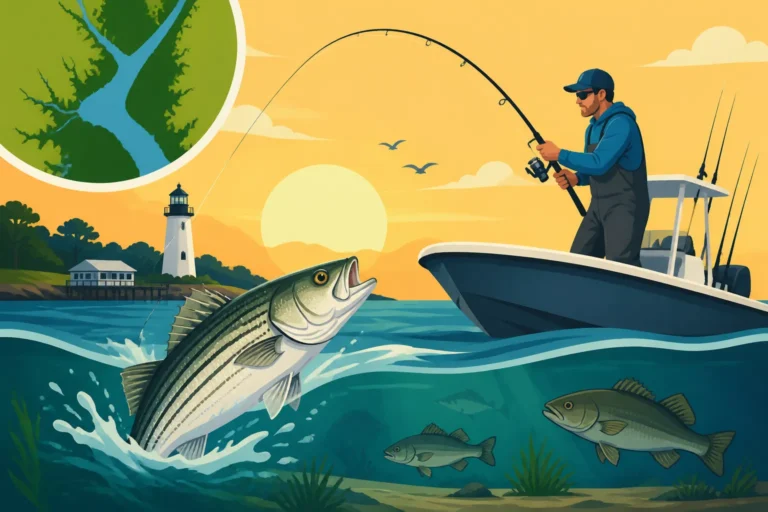
Striped Bass (Rockfish): These are the undisputed kings of the Chesapeake Bay, and Sandy Point is a fantastic place to target them. The most consistent hotspots for stripers are off the main pier, particularly towards the deeper end, and along the shoreline areas that are close to the main Bay channel or structure like the Bay Bridge pilings. During the spring and fall migrations, stripers will often cruise these areas, ambushing baitfish. Your best bet is to use heavy jigs with large soft plastic baits (like Z-Man or Bass Kandy Delight in chartreuse, white, or pearl) bounced along the bottom or jigged vertically. For bait fishing, fresh bunker (menhaden), spot, or eels (live or chunked) are highly effective, fished on a fish-finder rig or a simple bottom rig. Early mornings and late evenings are prime times, as are periods of strong current. It's always a good idea to refer to specific articles like What Do Striped Bass Eat in the Chesapeake Bay? for more detailed bait recommendations.
White Perch: White perch are abundant throughout Sandy Point and are a fantastic target for anglers of all skill levels, especially families. They can be found almost anywhere – off the pier, along the beaches, and even in the calmer waters of the boat launch area. They are particularly active during their spring spawning run when they school up in huge numbers. For white perch, light tackle is key. Small jigs (1/8 to 1/4 ounce) tipped with a small plastic grub, a piece of bloodworm, or grass shrimp are incredibly effective. A classic bottom rig with two small hooks and a sinker, baited with small pieces of bloodworm or Fishbites, will also produce plenty of bites. Focus on areas where there's some structure, like pier pilings, rocky bottom, or submerged brush. The shallower water along the beaches is excellent, especially as the tide comes in. Always remember to adhere to the Maryland White Perch Daily Limit.
Catfish and Croaker Strategies
Blue and Channel Catfish: While often overshadowed by stripers, the Chesapeake Bay and its tributaries, including the areas around Sandy Point, hold impressive populations of blue and channel catfish. These powerful bottom-dwellers thrive in the deeper, muddier bottoms, particularly in the channels and slightly brackish areas near the mouth of the Magothy River or closer to the boat launch. They are less sensitive to water temperature than some other species, making them a viable target even during the heat of summer or cooler shoulder seasons. For catfish, strong gear is a must. A medium-heavy rod and reel spooled with 20-30 lb test line are appropriate. They are not picky eaters; cut bait (menhaden, alewife, or even chicken liver), shrimp, and store-bought catfish baits all work well. Use a sturdy bottom rig with a heavy sinker to hold your bait in the current. Catfish bites are often distinct, with a slow, powerful tug. These fish are delicious to eat and often have no strict size or creel limits, encouraging harvest due to their invasive nature.
Croaker and Spot: These are quintessential summer panfish in the Chesapeake Bay, and Sandy Point offers fantastic opportunities to catch them in abundance. As water temperatures rise into the 70s and 80s, large schools of croaker and spot move into the shallower, sandy areas of the park, particularly along the central beach and off the pier. They are aggressive feeders and provide consistent action, making them perfect for younger anglers or anyone looking for a relaxed day of steady bites. Like white perch, they respond very well to bloodworms, fishbites, or small pieces of peeler crab presented on a two-hook bottom rig (often called a "top-and-bottom rig"). Use a light to medium-light spinning setup, as their mouths can be soft, and you don't want to tear the hook out. Focus on casting into sandy depressions or slightly deeper pockets near the shoreline. The incoming tide often brings them closer to shore, making for easy casting from the beach.
Flounder and Bottom Feeder Tactics
Flounder: While not as numerous as they are in the coastal bays, flounder can absolutely be caught at Sandy Point State Park. These flatfish are ambush predators that prefer sandy or muddy bottoms near some form of structure or depth change, where they can lie in wait for unsuspecting baitfish or crustaceans. Target them off the main pier, especially where the bottom transitions from sandy to slightly muddier, or near any submerged obstacles. A classic flounder rig consists of a sinker at the bottom, with one or two snelled hooks trailing above it. Live or fresh-cut strips of baitfish (like spot or mullet), squid strips, or Gulp! artificial baits are all effective. The key is to keep your bait moving slowly along the bottom; a gentle retrieve or lift-and-drop motion can entice a strike. Flounder are known for their subtle bites, often feeling like a gentle tap or added weight before they truly commit.
Other Bottom Feeders: Besides the more popular species, Sandy Point's diverse bottom also supports other interesting catches. Oyster toadfish, while not the prettiest, are tenacious fighters and can be caught on most bottom baits. They love rocky areas and crevices. During cooler months, you might even encounter some tautog around the deeper, hard structures, though these are more challenging to consistently target from shore. For all bottom feeders, the principle remains the same: fresh bait, a sturdy bottom rig, and patience are your best tools. Always ensure your rig is heavy enough to hold bottom against the current, especially in the deeper sections of the pier. Many local fishing reports available through platforms like FishingBooker can sometimes highlight unusual catches or seasonal patterns for these less common targets at Sandy Point.
Essential Gear and Techniques for Sandy Point
Having the right gear and knowing how to use it makes all the difference when fishing Sandy Point State Park. While you don't need a boatload of expensive equipment, a thoughtful selection of rods, reels, lines, baits, and rigs tailored to the park's conditions will set you up for success. Forget the one-size-fits-all approach; versatility is key here.
Rods, Reels, and Line Recommendations
For the majority of fishing at Sandy Point, especially from the pier or the main beach, a medium-action spinning rod between 7 to 8 feet long is an excellent all-around choice. This length provides good casting distance for reaching deeper channels or distant schools of fish, while still offering enough sensitivity to feel lighter bites and enough backbone to handle larger striped bass. Pair this with a spinning reel in the 3000 to 4000 series, capable of holding at least 150-200 yards of line. Brands like Penn, Daiwa, or Shimano offer reliable options at various price points.
For line, a 20-30 lb braided line is highly recommended as your main line. Braid offers superior casting distance, incredible sensitivity (allowing you to feel even the slightest tap), and tremendous strength for its diameter. Since braid is visible to fish, you'll want to tie on a fluorocarbon leader of 15-25 lb test. Fluorocarbon is nearly invisible underwater and is more abrasion-resistant, which is crucial when fishing around pier pilings or rocky bottoms. Use a strong knot like an FG knot or an Albright knot to connect your braid to your leader. For lighter tackle, especially when targeting white perch or spot, a smaller 6-7 foot light or medium-light rod with a 2500 series reel and 10-15 lb braid is perfect, offering maximum fun with smaller fish.
Top Baits and Lures for Success
The secret to consistent catches at Sandy Point often lies in your bait and lure selection. While specific preferences can vary by season and species, there are some undeniable champions:
- Bloodworms: These are perhaps the single most effective all-around bait for species like white perch, spot, croaker, and even smaller striped bass. Their scent is irresistible, and they work both on bottom rigs and small jigs. Many local tackle shops will carry them fresh.
- Fishbites: A fantastic alternative to natural bait, especially for panfish, spot, and croaker. These synthetic baits come in various scents and colors, are durable, and stay on the hook well, making them great for prolonged fishing sessions or for kids.
- Cut Bait (Bunker/Menhaden, Herring, Spot): For larger striped bass and especially for catfish, fresh cut bait is king. A chunk of oily fish like menhaden or bunker released into the current spreads a strong scent trail that can attract predators from a distance. If you catch small spot, live-lining them can be incredibly effective for larger stripers.
- Soft Plastic Jigs: Versatile and effective for stripers and white perch. Paddle tails (like those from Z-Man or Berkley Gulp!) in chartreuse, white, or pearl, rigged on a jig head from 1/4 oz to 1 oz (depending on current and depth), are phenomenal. Experiment with colors and retrieve speeds.
- Metal Spoons/Casting Lures: During periods when baitfish are schooling near the surface, casting and retrieving metal spoons (e.g., Kastmasters or Stingers) can mimic fleeing bait and draw aggressive strikes from stripers and bluefish.
- Peeler Crab: While sometimes harder to find and more expensive, fresh peeler crab is a deadly bait for flounder, large white perch, and even trophy striped bass. The soft, shedding crab is a natural delicacy for many Bay species.
Rigging for Different Conditions
The key to successful rigging at Sandy Point is adaptability to conditions and target species.
- Bottom Rigs (Top-and-Bottom Rigs): This is your bread-and-butter rig for white perch, spot, and croaker. It typically consists of a sinker at the bottom and two snelled hooks (often size 4-8) spaced above it. This allows you to present two baits simultaneously and keep them near the bottom. For example, if you're fishing from the pier, you might use a 1-2 ounce pyramid sinker to hold against the current, with small bloodworms on size 6 hooks.
- Fish-Finder Rigs: Ideal for larger bottom-dwelling species like striped bass and catfish when using bait. This rig allows your line to slide freely through a sinker (usually an egg sinker or pyramid sinker) that rests on the bottom. Your hook is then tied to a leader of appropriate length (18-36 inches), allowing the fish to pick up the bait without feeling the weight of the sinker. This is crucial for shy bites. A 3/0 to 6/0 circle hook is often preferred for bait fishing, especially for striped bass, as it typically hooks the fish in the corner of the mouth, making for an easy release if desired.
- Jigging Rigs: For active fishing with soft plastics or metal jigs, simply tie your fluorocarbon leader directly to the jig head or lure. The weight of the jig head should be matched to the depth and current; a heavier jig for deeper water or stronger current, a lighter one for shallower water or less current.
- Slip Bobber Rigs: While less common at Sandy Point due to currents, a slip bobber can be useful in calmer areas or near the boat launch for presenting live bait (like a small minnow) at a specific depth for white perch or even crappie if they are present.
Experimentation is key! If one rig or bait isn't working, don't be afraid to switch things up. Even small changes can make a big difference, so have a variety of options ready. For more localized advice, consider asking a knowledgeable staff member at a nearby tackle shop or even checking out the types of trips offered by local guides on platforms like FishingBooker; their most popular offerings often hint at the most effective techniques for the area.
Navigating Regulations and Ensuring a Successful Trip
A great day of fishing isn't just about catching fish; it's also about respecting the rules, prioritizing safety, and being a responsible steward of our natural resources. Maryland has specific regulations designed to protect its fisheries, and adhering to them is crucial.
License Requirements and Park Rules
First and foremost, virtually everyone aged 16 and older needs a fishing license to fish in Maryland. This applies whether you're casting from the pier, the beach, or even wading in the shallows. Sandy Point State Park is situated in a tidal portion of the Chesapeake Bay, so a Maryland Chesapeake Bay Sport Fishing License Explained or a Maryland Nontidal vs Tidal Fishing License, Explained is generally what you'll need. There are different options available, including annual, 7-day, or even 3-day non-resident licenses, depending on your residency and how long you plan to fish. You can easily purchase your license online through the Maryland Department of Natural Resources (DNR) website or at many local tackle shops and designated vendors. Remember, ignorance of the law is not an excuse, and fishing without a valid license can result in fines and penalties.
Beyond the fishing license, remember that Sandy Point is a state park, which means there are park-specific rules you must follow:
- Park Entry Fees: There is an entry fee to access Sandy Point State Park, usually per vehicle. Be prepared to pay at the gate.
- Operating Hours: The park has specific operating hours, and fishing outside these hours (unless explicitly permitted, which is rare for shore fishing) is not allowed. Check the current hours before you go.
- Designated Areas: While fishing is permitted in many areas, some sections might be off-limits for safety or environmental reasons (e.g., swimming areas during peak season). Always observe signage.
- Trash and Litter: Pack out everything you pack in. Leaving trash, especially fishing line, is detrimental to wildlife and ruins the park experience for others. Use designated trash receptacles.
- Alcohol: Alcohol consumption is typically restricted to specific areas or not permitted at all. Check park rules carefully.
Understanding these park and license requirements is part of being a responsible angler and ensures a smooth, enjoyable trip without any unwanted surprises. If you are unsure about any of these, a quick call to the park office or checking the Maryland DNR website can clarify any questions. Additionally, for special circumstances like fishing with children, it's worth knowing if Do Kids Need a Fishing License in Maryland? applies to your situation.
Safety Tips and Best Practices
Safety should always be your top priority when fishing at Sandy Point. The Bay can be unpredictable, and even from shore, hazards exist.
- Weather Awareness: Check the weather forecast before you go and throughout your day. The Bay can whip up quickly, bringing strong winds, rain, or even lightning. If a storm rolls in, pack up immediately.
- Tidal Currents: The currents around Sandy Point, especially near the pier and the Bay Bridge, can be strong. If you're wading, know your limits and be aware of how quickly the water can move. Never turn your back on the water.
- Sun Protection: You'll be exposed to the sun for extended periods. Wear sunscreen, a wide-brimmed hat, and polarized sunglasses. Staying hydrated is also crucial, so bring plenty of water.
- Footwear: Wear appropriate footwear that can handle wet, slippery surfaces, especially on the pier or rocky shorelines.
- First Aid Kit: A basic first aid kit with band-aids, antiseptic wipes, and pain relievers is always a good idea, especially when fishing around sharp hooks and potentially slippery conditions.
- Hook Safety: Be mindful of where you cast, especially on a crowded pier or beach. Always look behind you before making a cast to ensure no one is in the line of fire. Use caution when unhooking fish.
- Handling Fish: If you plan to release fish, handle them gently. Wet your hands before touching them to protect their protective slime coat. If you're keeping fish, have a cooler with ice ready to properly preserve your catch.
- Wildlife: Be aware of local wildlife. Osprey are common, and you might see other birds or marine life. Respect their space and never intentionally disturb them.
- Share the Space: Sandy Point is a multi-use park. Be considerate of swimmers, sunbathers, and other park visitors. Keep your fishing area clean and organized.
- Emergency Contacts: Know the park ranger's number or Maryland Natural Resources Police (NRP) emergency number in case of an accident or to report violations. The NRP hotline is often found in the Maryland Fishing Regulations Guide, Where to Find It.
By keeping these guidelines in mind, you can ensure a safe, enjoyable, and successful fishing trip to Sandy Point State Park, contributing to the well-being of both the environment and your fellow anglers.
Disclaimer
Please note that fishing regulations, park rules, and fish populations can change. Always consult the latest Maryland Department of Natural Resources (DNR) regulations and Sandy Point State Park official guidelines before your trip to ensure compliance. This guide is for informational purposes only and does not substitute official sources.