Fishing the Chester River
There’s nothing quite like the feeling of anticipating a perfect day out on the water, only to arrive at your usual spot and find it completely overrun with other anglers. If you’ve spent too many weekends battling crowds on the busier parts of the Chesapeake Bay, you know that frustration all too well. This guide is here to introduce you to the quieter, incredibly rewarding waters of the Chester River, a true gem on Maryland's Eastern Shore that offers fantastic fishing without the constant bustle.
The Unique Charm of the Chester River on Maryland's Eastern Shore
The Chester River is one of those Eastern Shore secrets that once you discover it, you wonder how you ever fished without it. It's a beautiful, winding waterway that offers a diverse array of fishing opportunities, from its shallower, brackish upper reaches to its deeper, more tidal sections closer to the Chesapeake Bay. Unlike some of the larger, more heavily trafficked rivers, the Chester still maintains a sense of calm and natural beauty, making it a favorite for those who prefer a more serene angling experience. It's truly one of the Best Places to Fish in Maryland for a tranquil yet productive day.
Geographical Overview and Primary Access Points
Flowing roughly 43 miles from its headwaters in Delaware and Maryland, the Chester River eventually empties into the Chesapeake Bay near Kent Island. Its journey takes it through rolling farmlands and charming historic towns like Chestertown, providing a scenic backdrop to your fishing adventures. The river itself is relatively shallow in many areas, particularly upstream, but features deeper channels and oyster beds that create fantastic habitat for a variety of fish species.
For anglers looking to get on the water, there are several public access points. Near Chestertown, you'll find places like the town dock or the Crumpton boat ramp further upstream, offering easy launch points for smaller boats, kayaks, and canoes. Downstream, closer to the Bay, public ramps like the one at the Kent Narrows provide access to the wider, more tidal sections. If you're coming from out of town, or just prefer to leave the navigation to a pro, finding a local guide through platforms like FishingBooker can be a great way to discover these hidden gems and maximize your time on the water without the hassle of figuring out launch points or specific hot spots.
Diverse Ecosystems and Prime Fish Habitats
What makes the Chester River so special is its blend of freshwater and brackish influences, creating a mosaic of habitats. Upstream, the river is narrower and more influenced by freshwater inputs, perfect for species like largemouth bass and various panfish. As you move downstream, the water becomes increasingly brackish, and tidal flows become more pronounced. Here, you'll find expansive marsh grass flats, submerged aquatic vegetation (SAV) beds, and numerous oyster reefs.
These diverse environments act as nurseries and feeding grounds for a wide range of species. The marsh grasses offer cover for juvenile fish, while the oyster beds filter the water and provide structure for larger predators. Deeper channels and drop-offs further downriver become migratory pathways and holding areas for larger fish. This natural richness means that no matter your preferred style of fishing, the Chester River likely has a spot and a species to match your interests. It’s a truly dynamic environment that supports a healthy and vibrant fishery, year-round.
Primary Fish Species to Target in the Chester River
The Chester River is a veritable smorgasbord for anglers, hosting an impressive variety of fish. Whether you're chasing trophy game fish or just looking to fill a cooler with some delicious panfish, the Chester has something for everyone. It's truly a river that keeps you guessing, in the best possible way.
The Esteemed Striped Bass (Rockfish)
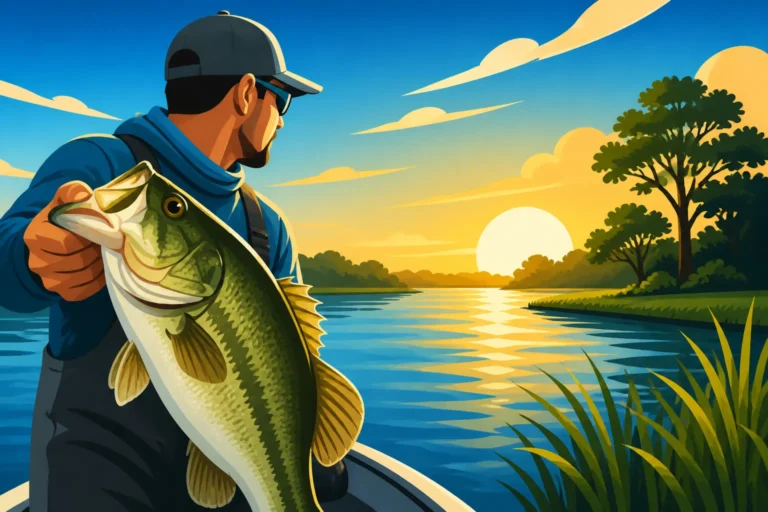
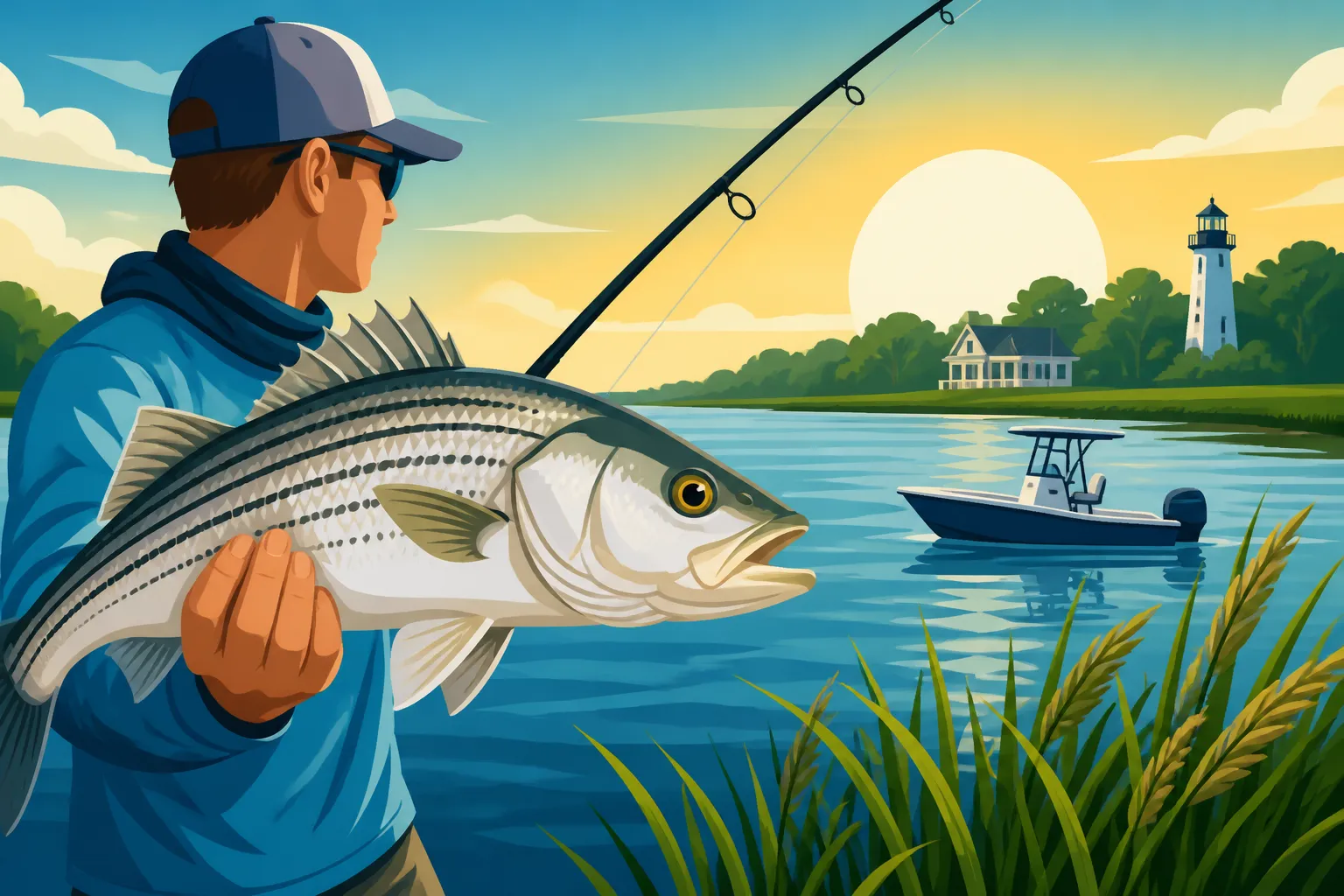
Of course, no discussion of Chesapeake Bay tributaries is complete without mentioning the iconic striped bass, or rockfish as we affectionately call them here in Maryland. The Chester River is a vital spawning ground and nursery for these prized fish, especially in its fresher upper reaches during the spring. You’ll find them here throughout much of the year, moving between the deeper channels and shallower feeding flats. Understanding the Maryland Striped Bass Season and Rockfish Rules is absolutely crucial for any angler targeting these fish, as regulations can change.
During the spring, pre-spawn and spawning striped bass will congregate in the river, offering opportunities for catch-and-release action, especially when the main Bay season is closed. In the summer and fall, schoolie stripers often hold in the lower and mid-river sections, around structure like oyster reefs, channel edges, and points. Look for them breaking on baitfish in the mornings and evenings, or lurking in deeper holes during the heat of the day. Trolling, jigging, and live-lining are all effective methods, depending on the season and location.
Abundant White Perch and Yellow Perch Populations
For a consistent bite and fantastic table fare, you can't beat the white perch in the Chester River. These feisty panfish are incredibly abundant and offer excellent action, especially during their spring spawning runs. The White Perch Spawning Runs in Maryland Rivers are a phenomenon that every angler should experience, and the Chester is a prime location. They move into the shallower, fresher areas of the river and its feeder creeks in massive numbers, making them easy targets for shore anglers and boaters alike.
Yellow perch also make strong appearances, particularly in the early spring, often preceding the white perch runs. Both species are a blast to catch on light tackle and are absolutely delicious pan-fried. Later in the year, white perch can be found throughout the river, often congregating around oyster beds, docks, and bridge pilings. They're a perfect target for family fishing trips, as the action is usually steady, keeping younger anglers engaged.
Invasive Blue Catfish and Northern Snakehead Challenges
While we cherish our native species, the Chester River, like many other Maryland waterways, is also home to two highly invasive species that have rapidly become prevalent: the blue catfish and the northern snakehead. These fish pose significant threats to the native ecosystem by outcompeting and preying on native fish, so anglers are strongly encouraged to harvest them. There's no limit on these fish, and in fact, the Maryland Department of Natural Resources (DNR) wants you to take as many as you can. For more details on harvesting these fish, check out the specific guidelines for Maryland Blue Catfish Possession Rules and Maryland Snakehead Fishing Rules.
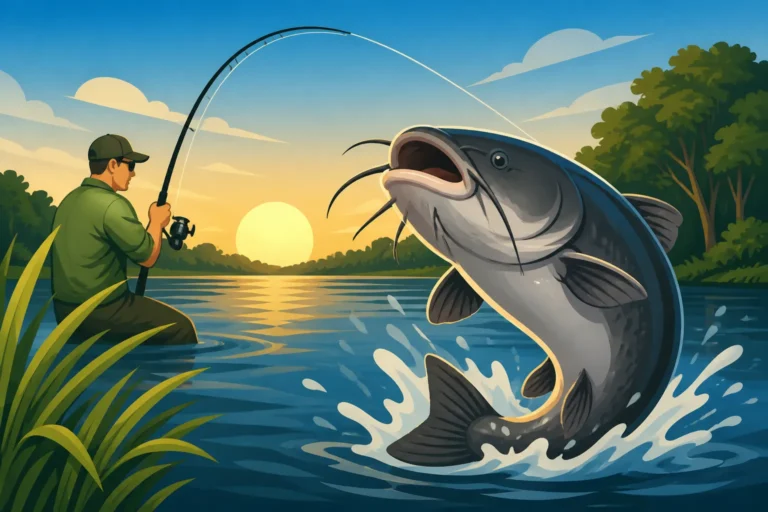
Blue catfish can grow to enormous sizes and are present throughout the Chester River, particularly in the deeper channels and holes. They're voracious eaters and can be caught using a variety of baits, from cut bait (like shad or white perch) to chicken liver. Snakeheads, on the other hand, prefer shallow, vegetated areas and are ambush predators. They offer an incredibly exciting topwater bite, striking frogs or other weedless lures with explosive power. Targeting these invasive species not only provides thrilling fishing but also contributes to the health of the river's native populations. Plus, both are excellent eating!
Top Fishing Locations and Prime Access on the Chester River
Knowing where to fish on the Chester River is just as important as knowing what to fish for. The river's diverse character means that different sections offer unique opportunities and require different approaches. From secluded creeks to wide-open bayside stretches, the Chester has it all.
Upper River Freshwater Zones and Feeder Creeks
As you move upstream, away from the influence of the Bay, the Chester River gradually transitions into a more freshwater environment. This upper section, roughly from Crumpton up towards the Delaware border, becomes prime habitat for species that prefer less salinity. Here, you'll find excellent largemouth bass fishing, particularly around submerged timber, lily pads, and creek mouths. Crappie, sunfish (like bluegill and pumpkinseed), and channel catfish are also abundant in these areas.
Access in the upper river often involves smaller public ramps or shore access points in local parks. Kayaks and canoes are ideal for exploring these shallower, narrower stretches and getting into tight spots that larger boats can't reach. Look for the many small feeder creeks and drainage ditches that empty into the main river; these can be hotspots, especially after a rain. The water here is often clearer than in the lower river, making sight fishing for bass a thrilling possibility on calm days.
Mid-River Tidal Flats and Oyster Beds Around Chestertown
The middle section of the Chester River, particularly around the historic town of Chestertown, is where the river truly embraces its tidal, brackish nature. This area is characterized by vast shallow flats, dotted with oyster reefs and patches of submerged aquatic vegetation (SAV) – ideal foraging grounds for a variety of species. Public access in Chestertown is available, including docks and ramps that can accommodate larger trailered boats. If you're looking for a guided trip to explore these productive waters, a quick search on FishingBooker can connect you with experienced local captains who know the Chestertown area intimately.
Here, white perch are a consistent catch, especially when jigging small lures or baiting with bloodworms over oyster beds. Smaller striped bass often patrol the edges of the flats and the deeper channels running through them, particularly during periods of strong tidal flow. You might also encounter some feisty channel catfish and even an occasional bluefish pushing up from the Bay. This mid-river section is fantastic for anglers who enjoy a mix of bottom fishing and light tackle casting, offering a blend of both quantity and quality. For specific hotspots, delving into Fishing the Chester River Near Chestertown can provide even more localized insights.
Lower River and Bay Mouth for Larger Game Fish
As the Chester River widens and approaches its confluence with the Chesapeake Bay, the fishing opportunities shift towards larger, more migratory species. This lower section, particularly around Kent Narrows and the associated deeper channels, acts as a highway for fish moving in and out of the Bay. Here, you’ll find the deepest water in the river, strong tidal currents, and prominent underwater structures like bridge pilings and channel drop-offs.
This is where you're most likely to encounter larger striped bass, especially during the spring and fall migrations. Trolling large lures or live-lining spot and eels are popular and effective tactics. Flounder, bluefish, and even some red drum can also move into these lower river areas, particularly during the warmer months. Bottom fishing with bait for croaker and spot is also popular during late summer. The strong currents in this section often concentrate baitfish, leading to exciting feeding frenzies. Anglers venturing into these waters should be prepared for stronger tides and potentially rougher conditions, especially when winds oppose the current.
Seasonal Fishing Strategies for Chester River Success
Understanding the seasonal patterns of fish movement and behavior is paramount to consistent success on the Chester River. Each season brings its own set of challenges and rewards, dictating what species are most active and what techniques will yield the best results.
Springtime Runs and Spawning Activity
Spring on the Chester River is nothing short of spectacular, especially for those who love prolific fishing. As water temperatures rise, the river comes alive with spawning activity. The first fish to make a strong showing are typically the yellow perch, moving into the freshest upper reaches to spawn. Soon after, massive schools of white perch follow suit, pushing far up the river and its numerous creeks. This creates incredible opportunities for shore anglers and boaters alike, offering consistent action on light tackle. Jigging small soft plastics or using classic bloodworms on a bottom rig are highly effective. For a deeper dive into these vibrant spring runs, explore Fishing for Spring-Run White Perch in Maryland.
Beyond the perch, striped bass also ascend the Chester to spawn. While the focus during the spawning season (typically late April through May) is often on catch-and-release, it's a prime time to target large, pre-spawn fish on artificial lures or bait. As the water warms further, largemouth bass in the upper river become more active, moving into shallower areas to spawn. Spring is truly a season of abundance on the Chester, making it a favorite for many local anglers.
Summer Action and Bay Migrants
When the heat of summer settles in, fishing on the Chester River shifts. While the upper river still offers consistent largemouth bass and panfish action (often best in the early mornings or late evenings), the lower and mid-river sections see an influx of species from the Chesapeake Bay. This is when bluefish, flounder, and croaker often make their appearance, offering diverse angling opportunities.
Striped bass can become a bit trickier to target in the heat, often retreating to deeper, cooler water or becoming more active during low-light hours. However, anglers can still find them by jigging deep channels or live-lining spot in areas with good current. Flounder fishing around the oyster beds and channel edges with minnows or Gulp! artificial baits can be very productive. Blue catfish remain active throughout the summer, offering a powerful fight and a constant bite, especially for those fishing with cut bait in deeper holes. Summer is also an excellent time to explore the river by kayak, silently navigating the shallows for snakeheads or panfish.
Fall Feeds and Trophy Hunts
Many anglers consider fall to be the pinnacle of fishing on the Chester River. As water temperatures begin to drop, fish become incredibly active, feeding aggressively in preparation for winter. This is the prime time for the famous fall striped bass run, as fish migrate back down the river and into the Bay, often gorging on baitfish. Casting topwater lures or jigging soft plastics near breaking fish can lead to explosive strikes. Trolling is also highly effective in the lower river, particularly for larger rockfish.
White perch fishing also remains strong well into the fall, as they school up in deeper water, making for easy limits. For tips on maximizing your catch during this bountiful season, check out Fall White Perch Fishing in Maryland's Chesapeake Bay. The largemouth bass in the upper river are also in their prime, actively feeding on shad and other baitfish. Snakeheads continue to offer exciting action in the shallower, vegetated areas, responding well to a variety of lures. The crisp air, vibrant foliage, and aggressive fish make fall an unforgettable time to fish the Chester.
Essential Gear and Effective Techniques for the Chester River
Having the right tackle and knowing how to use it can make all the difference between a good day and a truly great one on the Chester River. This river's varied environments mean that a versatile approach to gear and techniques is often the most rewarding.
Rods, Reels, and Line Setups
For most general-purpose fishing on the Chester, a medium-light to medium power spinning rod (6'6" to 7' long) paired with a 2500-3000 series spinning reel spooled with 10-15 lb braided line is a fantastic all-around setup. This will cover everything from white perch and crappie to schoolie striped bass and even smaller snakeheads. The braided line offers excellent sensitivity and casting distance, and you can attach a fluorocarbon leader (15-20 lb test) for abrasion resistance and stealth.
If you're specifically targeting larger striped bass in the lower river or substantial blue catfish, you might want to step up to a medium-heavy rod and a 4000-5000 series reel with 20-30 lb braid. For largemouth bass and snakehead in heavy cover, a baitcasting setup with a heavy action rod and 30-50 lb braid can be incredibly effective for pulling fish out of thick vegetation. For those looking to hire a pro, many guides listed on FishingBooker will provide all the necessary gear, eliminating the need to haul your own.
Baits and Lures That Consistently Work
The Chester River offers a smorgasbord of bait and lure options that consistently produce results:
- Live Bait: Bloodworms are king for white perch and yellow perch, especially during their spring runs. Minnows are excellent for crappie, small bass, and even juvenile stripers. Live spot or eels are irresistible to larger striped bass in the deeper sections of the river. Cut bait, particularly chunks of fresh shad, white perch, or even chicken liver, is deadly for blue catfish.
- Soft Plastics: Jigging soft plastic "grubs" or "shrimp" imitations on light jig heads is a go-to for white perch. For striped bass, larger paddle-tail swimbaits (like those from Bass Kandy Delights or Bust 'Em Baits) or jerk shads rigged on jig heads are highly effective.
- Hard Baits: Small crankbaits and spinnerbaits work well for largemouth bass in the upper river. Topwater poppers and walking baits can trigger explosive strikes from bass and snakeheads. For bluefish and aggressive stripers, metal spoons or lipped crankbaits are great choices.
- Frogs: For snakehead anglers, weedless frog lures are a must-have, especially when fished over lily pads and dense submerged vegetation.
Kayak and Shoreline Advantages on the Chester
One of the great joys of fishing the Chester River is how accessible it is to non-boaters and those with smaller craft. The river's numerous creeks, shallow flats, and smaller tributaries are perfectly suited for kayaks, canoes, and stand-up paddleboards. These vessels allow you to quietly sneak into areas that larger boats can't reach, often presenting opportunities for untouched fishing spots. If you're new to the area or kayak fishing, reading up on Kayak Fishing Techniques for Maryland Waters can provide invaluable tips for navigating and fishing these waters safely and effectively.
Shoreline anglers also have plenty of options, particularly during the spring perch runs when fish move far upstream into accessible areas. Public parks, bridge crossings, and even some privately owned access points can provide excellent fishing from terra firma. Whether you're casting from a bank, wading a shallow flat, or paddling to a secluded cove, the Chester River offers a unique sense of intimacy with the water that’s hard to find in more bustling locations.
Navigating Regulations and Practicing Responsible Angling
Fishing in Maryland, especially in a diverse system like the Chester River, means staying informed about current regulations. These rules are in place to protect our precious fisheries and ensure that future generations can enjoy the same incredible angling opportunities we do today. Ignoring them not only risks hefty fines but also harms the resource we all cherish.
Understanding Licensing Requirements for the Chester
Before you even think about wetting a line, you need the right license. The Chester River, as it flows into the Chesapeake Bay, falls under both tidal and nontidal regulations depending on exactly where you are fishing. Generally, the upper, less salty portions are considered nontidal, while the wider, lower sections are tidal. It can get a bit confusing, but the Maryland DNR makes it clear. You'll likely need a Bay & Coastal Sport Fishing License if you're fishing the middle to lower tidal portions of the river. If you're primarily targeting freshwater species far upstream, a Nontidal Fishing License might suffice, but many anglers opt for a Consolidated Sport Fishing License to cover all bases. For a comprehensive breakdown, be sure to read Maryland Nontidal vs Tidal Fishing License, Explained.
It's always best to err on the side of caution and check the most up-to-date Maryland DNR regulations guide. You can purchase licenses easily online through the Maryland DNR website, or from licensed agents throughout the state. Making sure you have the correct authorization is the first step to a successful and worry-free day on the water.
Catch Limits, Size Restrictions, and Conservation Efforts
Beyond just having a license, every angler has a responsibility to understand and adhere to the specific catch limits, size restrictions, and seasons for each species. These rules are crucial for maintaining healthy fish populations. For example, striped bass have very specific slot limits and seasons that vary throughout the year, designed to protect the breeding stock. White perch and yellow perch usually have generous creel limits, but it's still good practice to only keep what you'll eat.
For invasive species like blue catfish and snakehead, the rules are different – there are generally no possession limits, and anglers are encouraged to harvest them. This is a direct conservation effort to reduce their impact on native species. Always keep a measuring tape handy and know the daily creel limits for the species you are targeting. A great resource for all this information is Maryland Fishing Size and Catch Limits by Species.
Here’s a quick reference for some popular Chester River species, but remember to always check current Maryland DNR regulations before you go:
| Species | Typical Location | Best Baits/Lures | General Season | Key Regulations (Check DNR) |
|---|---|---|---|---|
| Striped Bass | Mid to Lower River | Live Spot, Paddle-tail Swimbaits, Jigs | Spring (C&R), Summer, Fall | Slot limits, seasons apply |
| White Perch | Throughout, esp. creeks | Bloodworms, Small Jigs, Minnows | Spring, Summer, Fall | Daily creel limit |
| Yellow Perch | Upper River, early creeks | Minnows, Small Jigs, Worms | Early Spring | Daily creel limit |
| Largemouth Bass | Upper River, vegetated areas | Spinnerbaits, Worms, Topwater | Spring, Summer, Fall | Size/creel limits apply |
| Blue Catfish | Throughout, esp. deep holes | Cut Bait (Shad, Perch), Chicken Liver | Year-round | No possession limit |
| Northern Snakehead | Shallow, vegetated areas | Frog Lures, Buzzbaits, Soft Plastics | Spring, Summer, Fall | No possession limit |
| Flounder | Lower River, oyster beds | Minnows, Gulp! Shrimp, Squid | Late Spring, Summer, Early Fall | Size/creel limits apply |
Practicing Catch and Release and Ethical Angling
Beyond the rules, responsible angling involves a strong commitment to ethical practices. If you're participating in catch-and-release, especially for sensitive species like striped bass during warmer months, ensure you're using proper handling techniques to maximize the fish's survival. Minimize air exposure, use barbless hooks when possible, and revive the fish gently before release.
Always dispose of your trash properly – pack it in, pack it out. Avoid leaving fishing line, hooks, or other debris that can harm wildlife. Being a good steward of the environment helps preserve the Chester River's beauty and productivity for everyone. By staying informed and practicing ethical angling, we can all contribute to the long-term health of this incredible fishery.
Conclusion
The Chester River truly is a jewel of Maryland's Eastern Shore, offering anglers a diverse and rewarding experience that often feels a world away from the hustle and bustle of other, more crowded waters. From the exciting spring runs of perch and striped bass to the year-round challenge of invasive blue catfish and snakeheads, there’s always something to keep your rod bent. With its picturesque scenery, abundant fish, and quieter atmosphere, it’s a place where memories are made, whether you're chasing a trophy or simply enjoying a peaceful day on the water.
Disclaimer
Please note that fishing regulations, seasons, and licensing requirements in Maryland can change. Always consult the most current Maryland Department of Natural Resources (DNR) official publications and website before planning your fishing trip to ensure compliance with all applicable rules and regulations. This guide provides general information and should not be considered a substitute for official DNR resources.