Maryland Consolidated License That Covers Hunting and Fishing
For Maryland's dedicated outdoors enthusiasts, juggling separate permits for fishing and hunting has long been a source of frustration. It’s easy to forget one, misplace another, or simply get confused about what's covered. Thankfully, Maryland offers a consolidated license that bundles many of your essential fishing and hunting privileges into one convenient package, simplifying your life on the water and in the woods. This guide will walk you through everything you need to know about this comprehensive option.
What Exactly is the Maryland Consolidated License?
Imagine having just one piece of paper, or one digital record, that proves you're legal to pursue both your passion for reeling in a big rockfish and tracking deer through the forest. That's the core idea behind the Maryland Consolidated Sport and Hunting License. It's a fantastic offering designed to streamline the licensing process for individuals who are active in both pursuits within the state.
The All-in-One Solution for Outdoors Enthusiasts
At its heart, the consolidated license is Maryland's answer to the administrative burden of holding multiple individual licenses. Instead of purchasing a separate Resident Nontidal Fishing License, a Chesapeake Bay Sport Fishing License, and then various hunting licenses like the Resident Hunter's License, Archery Stamp, and Muzzleloader Stamp, the consolidated option wraps many of these into a single purchase.
This isn't just about saving space in your wallet; it's about peace of mind. When you're out on the water, you know your fishing privileges are covered, whether you're targeting bass in a freshwater lake or striped bass in the Bay. Similarly, when deer season rolls around, your basic hunting privileges for archery, muzzleloader, and firearms are all bundled. It's a true convenience for those of us who live and breathe Maryland's diverse outdoor opportunities. For a broader look at all the requirements, check out our comprehensive Maryland Fishing License Guide for 2026 .
Who is This License Designed For?
The Maryland Consolidated Sport and Hunting License is specifically tailored for Maryland residents who are deeply involved in both fishing and hunting. If you only fish, or only hunt, you’ll likely find that individual licenses are more cost-effective and appropriate for your specific needs. However, if your year involves casting lines for yellow perch in the spring and chasing whitetails in the fall, this license becomes incredibly appealing.
It’s particularly beneficial for adults who participate regularly across multiple seasons. While kids might not need a fishing license in Maryland depending on their age, adults who are constantly transitioning between fishing and hunting seasons will appreciate the simplified annual renewal. Think about it: one purchase, one renewal date, one less thing to worry about when planning your next adventure. It really validates the frustration of having to keep track of a handful of documents and licenses that expire at different times or have slightly different rules.
Eligibility and How to Purchase Your Consolidated License
Getting your hands on a Maryland Consolidated License is a straightforward process, but it's important to understand the eligibility requirements first. This license is primarily for residents, and verifying your residency is a key part of the process.
Resident Requirements and Proof of Eligibility
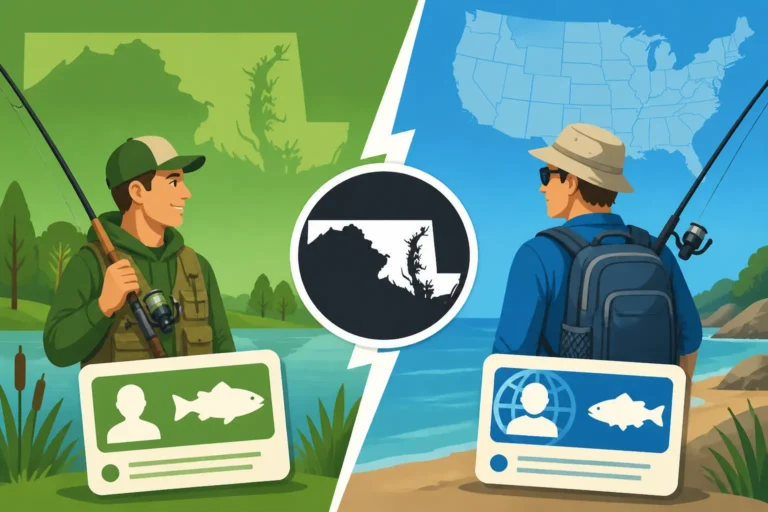
To be eligible for the Maryland Consolidated Sport and Hunting License, you must be a bona fide resident of Maryland. The Maryland Department of Natural Resources (DNR) has specific criteria to define residency, which typically involves living in the state for a continuous period (usually six months) and demonstrating an intent to remain. This often means providing a valid Maryland driver's license or state ID. Utility bills, tax returns, or vehicle registration can also be used as supplementary proof if needed.
It’s crucial to understand these distinctions, especially if you're new to the state or have recently moved. Maryland also has specific guidelines for Resident vs Nonresident Fishing Licenses in Maryland , so knowing where you stand is the first step. Don't assume your past state's rules apply; always check Maryland's DNR guidelines to avoid any issues down the line. The system is designed to be fair, but it relies on accurate information from applicants.
Step-by-Step Purchase Process
Purchasing your consolidated license is simpler than ever thanks to the Maryland DNR's online COMPASS system. This digital platform is the most convenient way to acquire your license, often allowing you to print it instantly or store it digitally on your phone.
- Visit the Maryland DNR COMPASS Website: This is your primary portal for all Maryland hunting and fishing licenses.
- Create an Account or Log In: If you're a new user, you'll need to set up an account, providing your personal information and proof of residency. Existing users can simply log in.
- Select the Consolidated License: Navigate through the licensing options to find the "Consolidated Sport and Hunting License."
- Add Necessary Stamps and Permits: This is a critical step! The consolidated license covers base hunting and fishing privileges, but you'll almost certainly need additional stamps or permits depending on what you plan to hunt or fish. For example, if you're after trout, you'll need a Maryland Trout Stamp Requirements . If you hunt migratory birds, a Maryland Migratory Game Bird Stamp is required. Be sure to select all applicable add-ons during this step.
- Review and Purchase: Double-check all your selections and personal information before finalizing the purchase. You can pay with a credit card.
- Print or Save: Once purchased, you'll receive a digital copy. You can print it out to keep a physical copy or save it to your smartphone for easy access. Remember, many anglers grab their essential gear, like a good pair of polarized sunglasses or a new fishing knot guide, from retailers like Amazon when preparing for their trip, but licenses must always come from official DNR channels.
Alternatively, you can purchase the license in person at authorized license agents across the state. These often include bait and tackle shops, sporting goods stores, and some county government offices. These locations are great if you prefer human interaction, have questions, or need to buy your license last minute before hitting the woods or water. Make sure to bring your proof of residency and any previous license information. For more details on purchasing methods, read our guide on How to Buy a Maryland Fishing License .
Understanding the Costs and Add-ons
While the consolidated license is a great value for many, it's not a single "one-price-covers-all" solution. It bundles the base privileges, but dedicated anglers and hunters will almost certainly need additional stamps and permits. Understanding these nuances is key to staying legal and avoiding unexpected costs.
Base Cost and Included Privileges
The Maryland Consolidated Sport and Hunting License for residents provides a significant number of privileges under one umbrella. Generally, this annual license covers:
- Resident Hunting License: Allows you to hunt during regulated seasons.
- Resident Archery Stamp: Required for hunting with a bow.
- Resident Muzzleloader Stamp: Required for hunting with a muzzleloader.
- Resident Chesapeake Bay Sport Fishing License: Essential for fishing in the tidal waters of the Chesapeake Bay and its tributaries.
- Resident Nontidal Fishing License: Covers freshwater fishing in rivers, lakes, and streams that are not tidally influenced.
As you can see, this bundle is quite comprehensive for the core fishing and hunting activities. It really cuts down on the number of individual items you’d otherwise have to purchase.
Essential Endorsements and Stamps
Here's where many people get tripped up. The consolidated license covers the basics, but most specialized fishing and hunting activities require additional endorsements or "stamps." These are separate purchases on top of your consolidated license.
- Maryland Trout Stamp: If you plan on fishing for or possessing trout in Maryland's designated trout waters, this stamp is mandatory. Many anglers will purchase their consolidated license and then add this on.
- Federal Migratory Bird Hunting and Conservation Stamp (Federal Duck Stamp): If you hunt ducks, geese, or other migratory waterfowl, this federal stamp is required in addition to your state migratory game bird stamp.
- Maryland Migratory Game Bird Stamp: Separate from the federal stamp, this state stamp is also required for hunting migratory birds.
- Furbearer Permit: If you plan to trap or hunt furbearers like fox, beaver, or raccoon, this permit is necessary.
- Deer Stamps: While the base hunting license covers deer, specific bonus antlered deer stamps or antlerless deer permits might be required if you want to harvest additional deer beyond the basic limits.
It’s easy to think the consolidated license is everything, but always assume special species or methods require an extra stamp. You might find specialized books on Maryland hunting seasons or fishing techniques on Amazon, which can be invaluable resources to supplement your understanding of the regulations, especially regarding these add-ons.
Here’s a simplified breakdown of what the consolidated license typically covers, and what you’ll likely need to add:
| License Type | Covered by Consolidated License? | Additional Purchase Needed? |
|---|---|---|
| Resident Hunting License | Yes | No (base) |
| Resident Archery Stamp | Yes | No |
| Resident Muzzleloader Stamp | Yes | No |
| Resident Nontidal Fishing | Yes | No |
| Resident Chesapeake Bay Sport | Yes | No |
| Maryland Trout Stamp | No | Yes (if fishing for/possessing trout) |
| Maryland Migratory Game Bird | No | Yes (if hunting migratory birds) |
| Federal Duck Stamp | No | Yes (if hunting migratory waterfowl) |
| Furbearer Permit | No | Yes (if trapping/hunting furbearers) |
| Bonus Deer Stamps | No | Yes (for additional deer harvests) |
| Potomac River Fisheries Comm. | No | Yes (if fishing specific Potomac River zones) |
| 2-Pole Endorsement | No | Yes (if fishing with two rods in nontidal) |
This table clearly illustrates that while the consolidated license is a great starting point, most active anglers and hunters will need to supplement it. Ensure you review the Maryland DNR Fishing and Boating Guide, Explained each year to stay current on all requirements.
Benefits, Limitations, and Common Misconceptions
The Maryland Consolidated License certainly offers a lot of convenience, but like any streamlined system, it has its particular benefits and a few limitations or common misunderstandings that anglers and hunters often encounter. Let's dig into those.
Why the Consolidated License Can Be a Game Changer
For those deeply immersed in Maryland's diverse outdoor opportunities, the consolidated license truly simplifies life. The most obvious benefit is the sheer convenience. Instead of managing multiple expiration dates, multiple receipts, and multiple pieces of paper, you have one primary license that covers your core fishing and hunting activities. This alone can prevent that last-minute scramble to renew a forgotten permit before a planned trip. It means fewer fines and more time actually enjoying the outdoors, which is why we’re all out there in the first place, right?
Another advantage can be a slight cost saving compared to buying all the individual components separately, though this isn't always a massive difference and depends on which specific licenses you'd otherwise purchase. The primary value lies in the administrative ease. Renewing your Maryland Fishing License Renewal alongside your hunting stamps becomes a single, annual task, usually kicking off in January for the calendar year ahead. This consistency is a major plus. Plus, when you're purchasing, say, a new hunting vest or a tackle box, many hunters purchase gear like game cameras or specialized calls from online retailers like Amazon, and having one consolidated license helps keep your focus on the gear, not on paperwork.
What the Consolidated License Doesn't Cover Automatically
It’s crucial to understand that "consolidated" doesn't mean "every single permit imaginable." There are several significant items that are not included and must be purchased separately:
- Potomac River Fisheries Commission (PRFC) License: If you plan to fish in the main stem of the Potomac River from the I-95 bridge downstream to the Chesapeake Bay, you'll need a PRFC license in addition to your Maryland state license. This is a common oversight for anglers, especially those coming from outside the immediate area. The PRFC manages fisheries in that specific section of the river, and their regulations are distinct. This is especially true if you're considering Combining a Virginia and Maryland Fishing License for those border waters.
- Federal Duck Stamp: As mentioned, this is a separate federal requirement for migratory waterfowl hunting.
- Special Permits: Beyond the standard stamps (like trout or migratory game bird), there might be very niche permits for certain species or specific management areas that are always separate. Always check the annual DNR guide.
- Offshore/Ocean Fishing Permits: While the Chesapeake Bay Sport Fishing License covers the Bay, certain ocean-specific activities might require additional federal permits, especially if you venture far offshore for tuna or billfish. Most recreational ocean fishing close to shore, however, falls under general Maryland regulations or Federal Saltwater Angler Registration, which is usually free.
This means that while your consolidated license handles the bulk of your needs, you still need to be diligent about checking for any additional requirements based on your exact fishing or hunting plans.
Addressing Common Licensing Blunders
Many of us have been there—thinking we’re fully legal, only to realize a small detail was missed. Here are some common blunders the consolidated license can help avoid, and others it can’t:
- Forgetting a Specific Stamp: The consolidated license makes it easy to remember your base hunting and fishing, but it's still on you to add the trout stamp or migratory bird stamps if you need them. The biggest blunder is assuming "consolidated" means "all stamps included."
- Misunderstanding Tidal vs. Nontidal: The consolidated license covers both, which is a huge benefit and eliminates confusion about whether you need a different license for a lake versus a Bay tributary. Before the consolidated option, this was a common headache.
- Ignoring Age Requirements: While the consolidated license is for adults, it's worth remembering that Do Kids Need a Fishing License in Maryland? can vary by age. Keep those rules in mind for the younger anglers in your family.
- Not Checking Seasonal Updates: While the consolidated license itself is annual, the seasons, catch limits, and special restrictions for species like Maryland Striped Bass Season and Rockfish Rules or Maryland Fishing Size and Catch Limits by Species can change year to year, or even mid-season. Always consult the latest DNR regulations guide regardless of your license type.
- Fishing From Piers or Shore: A common question is Do You Need a License to Fish From a Maryland Pier? or shore. Generally, if it's public tidal water, a Chesapeake Bay Sport Fishing License (included in your consolidated license) is required. For nontidal piers, the nontidal portion of your consolidated license would cover it. The consolidated license simplifies this because it covers both scenarios, reducing the need to differentiate which water body you're accessing.
- Expired License: The beauty of the consolidated license is one expiration date. However, if you forget to renew, you could face Maryland Fishing License Fines and Penalties . It's best to set a reminder or utilize Maryland DNR's email notifications for renewal. How long a Maryland fishing license lasts from purchase is typically through the end of the calendar year, so plan your renewal for January.
Keeping track of all your permits can be simplified with a dedicated waterproof license holder, readily available on Amazon, alongside other essential items like a first-aid kit. The key takeaway is to view the consolidated license as a comprehensive base and then carefully consider any specific, additional permits required for your chosen activities.
Disclaimer
The information provided in this guide is for general informational purposes only and does not constitute legal advice. Fishing and hunting regulations in Maryland are subject to change by the Department of Natural Resources (DNR). It is always the responsibility of the individual angler or hunter to consult the most current Maryland DNR regulations and laws before engaging in any fishing or hunting activity. We recommend visiting the official Maryland DNR website or reviewing their annual guide for the most up-to-date and accurate information.