Guided Smallmouth Bass Trips on the Susquehanna
Finding the best smallmouth bass fishing on Maryland's mighty Susquehanna River can feel overwhelming, especially when you're dreaming of those feisty bronzebacks but aren't familiar with the river's unique currents, rock gardens, and prime holding spots. This comprehensive guide is here to walk you through everything you need to know about booking and enjoying a fantastic guided smallmouth bass trip on the Susquehanna, ensuring you maximize your chances of a memorable day on the water.
Why the Susquehanna is a Smallmouth Paradise
The Susquehanna River, particularly its lower stretch in Maryland, is truly a gem for smallmouth bass anglers. It’s a river of incredible diversity, transitioning from a vast, powerful flow after the Conowingo Dam to intricate rocky sections and deeper pools before it finally widens into the Chesapeake Bay. This dynamic environment provides an ideal habitat for smallmouth bass, which are known for their strong fighting spirit and preference for clear, moving water with plenty of structure.
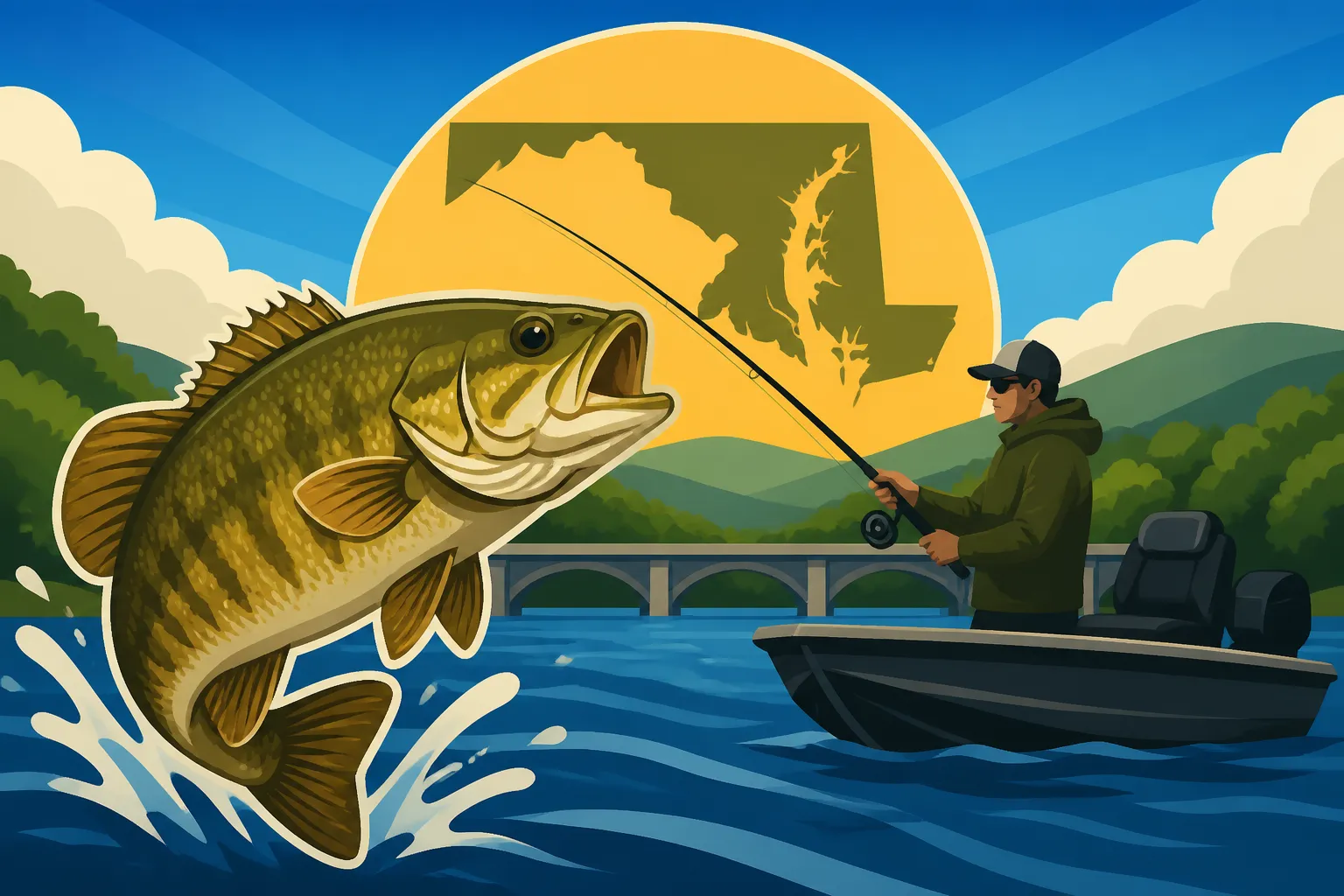
Imagine casting your line into a pristine riffle, feeling the current tug at your lure, and then a sudden, explosive strike as a bronzeback rockets out of the water. That's the typical Susquehanna smallmouth experience. The river's healthy ecosystem supports a robust population of these aggressive predators, making it a prime destination for anglers seeking a real challenge. You're not just fishing; you're engaging with a wild, powerful river and its equally powerful inhabitants.
Unique Habitat and Forage for Smallmouth
The Susquehanna offers a unique blend of shallow, rocky shoals, swift currents, deep bedrock channels, and submerged timber, all of which are absolutely irresistible to smallmouth bass. These fish thrive in areas with good current and plenty of cover to ambush prey. The varied bottom structure provides endless hiding spots, from small ledges and crevices to massive boulder fields, creating a complex underwater world that only experienced eyes truly understand.
What do these energetic bass feed on in such a diverse environment? A smorgasbord, really. Crayfish are a huge part of their diet, and the river is teeming with them. You'll also find various baitfish like minnows, shad, and juvenile panfish, along with aquatic insects. This abundant food supply contributes to the size and health of the smallmouth population. A guide intimately knows these forage patterns and can put you on the right spots with the right presentations. Understanding what smallmouth bass eat in the Susquehanna is key to selecting the most effective lures and techniques.
Challenges of Navigating the Susquehanna Solo
While alluring, the Susquehanna is not a river for the inexperienced or ill-prepared solo angler, especially in certain sections. Its powerful currents, hidden rock fields, and rapidly changing water levels can pose significant hazards. Below the Conowingo Dam, water releases can dramatically alter the river's flow and depth in a matter of minutes, creating treacherous conditions for those unfamiliar with its rhythms. Boating safely here requires local knowledge and a boat designed for river conditions.
Even wading can be perilous without proper guidance. The bottom can be slick and uneven, with sudden drop-offs or strong currents that can sweep you off your feet. Wading the Susquehanna River Safely is a serious concern, and a local guide's expertise becomes invaluable for ensuring both safety and successful fishing. They know the safe wading lanes, the navigable channels, and how to read the water for both fish and hazards, saving you from potentially dangerous situations and wasted time.
What a Guided Trip Offers You
So, you’re convinced the Susquehanna is the place to be for smallmouth, but the challenges of going it alone seem daunting. This is precisely where a guided trip shines. Think of a guide as your personal river expert, fishing coach, and safety officer all rolled into one. They take the guesswork out of your day, allowing you to fully immerse yourself in the joy of fishing without the stress of navigation, deciphering conditions, or wondering if you're using the right bait.
A guided trip transforms a potentially frustrating day of trial and error into an efficient, educational, and often highly productive fishing experience. It's an investment in your enjoyment and learning, whether you're a seasoned angler looking to unlock new waters or a beginner hoping to catch your first smallmouth. From the moment you step on their boat, you're in capable hands, ready to tackle the river's challenges with confidence.
Expert Knowledge and Local Insights
The number one advantage of a guided trip is the guide's unparalleled local knowledge. These professionals spend countless hours on the Susquehanna, learning its every curve, rock, and ripple. They understand how water levels, current speed, time of year, and even recent weather patterns impact where smallmouth are holding and what they're biting on. They've accumulated a lifetime of insights that you simply can't gain from a map or a few internet searches.
They know the secret spots that hold the biggest fish, the subtle seams where bass ambush prey, and the most productive routes to navigate the river safely and efficiently. This isn't just about showing you where to cast; it's about teaching you why those spots are good and how to identify similar areas yourself in the future. Their insights are golden, turning your day into a masterclass on Fishing the Susquehanna Flats in Maryland and beyond.
Specialized Gear and Techniques
Let's face it, smallmouth bass fishing on the Susquehanna can be demanding on your tackle. You need robust rods, reels capable of handling strong fish in heavy current, and a diverse array of lures to match changing conditions. A good guide comes fully equipped with top-of-the-line gear specifically suited for the Susquehanna's smallmouth. This means you don't need to invest in expensive specialized equipment just for one trip; the guide provides it all.
More importantly, they are masters of the specific techniques that consistently produce fish on this river. Whether it’s precisely presenting a tube jig around submerged boulders, working a crankbait through a swift current, or expertly fishing a topwater popper at dawn, they'll show you how. They'll help you refine your casting, teach you how to "read" the water, and explain the nuances of different retrieves. Learning How to Fish a Popper for Smallmouth Bass or what are the Best Crankbaits for Susquehanna Smallmouth Bass directly from an expert is invaluable.
Safety and Navigation on the River
As we touched on earlier, the Susquehanna can be a challenging river to navigate. This is where a professional guide truly earns their stripes. They operate safe, river-specific boats, often jet boats or rugged drift boats, designed to handle the shallow, rocky conditions. They are certified and licensed, possessing the necessary safety equipment and first aid knowledge. Their priority is always your safety.
Beyond just preventing accidents, their navigational expertise saves you precious fishing time. Instead of constantly worrying about running aground or missing a channel, you can focus 100% on fishing. They know the subtle clues that indicate dangerous shallows or strong rips, allowing them to put you in prime fishing positions with confidence. This peace of mind allows for a much more enjoyable and productive day on the water.
Choosing the Right Smallmouth Guide on the Susquehanna
Selecting the perfect guide for your Susquehanna smallmouth trip is crucial for a successful and enjoyable experience. Just like any profession, there's a wide range of styles and personalities among guides. Taking the time to research and communicate your expectations upfront will ensure you find someone who aligns with your fishing goals and preferences. Don't just pick the first name you see; invest a little time in finding your perfect match.
When you're searching, remember that platforms like FishingBooker can be incredibly helpful. They often list multiple guides operating on the Susquehanna, complete with detailed profiles, customer reviews, and information on what each trip includes. This makes it easier to compare options and read about other anglers' experiences, helping you make an informed decision.
Experience and Reputation Matter
When it comes to navigating a river as complex as the Susquehanna, experience is non-negotiable. Look for guides who have a proven track record specifically on this river. How long have they been guiding these waters? Do they specialize in smallmouth bass, or do they offer a wide range of species? A guide who lives and breathes Susquehanna smallmouth will have an intimate understanding that a generalist might lack.
Reputation, often reflected in online reviews and word-of-mouth, is another critical factor. What do other anglers say about their trips? Are they praised for their patience, their ability to find fish, their teaching skills, or their overall professionalism? A guide with a strong, positive reputation is likely to provide a top-tier experience. Don't hesitate to check out their social media or website to get a feel for their personality and approach before booking. Consider How to Find a Licensed Fishing Guide in Maryland to ensure they meet professional standards.
Guide's Approach and Fishing Style
Different guides have different philosophies and styles. Some are highly instructional, eager to teach you the ropes and help you improve your technique. Others might be more focused on simply putting you on fish, leaving you to enjoy the catching. Think about what kind of experience you're looking for. Are you a beginner wanting to learn? Or an experienced angler who just wants to relax and catch fish?
Also, consider the types of fishing they specialize in. While the goal is smallmouth bass, do they primarily cast artificial lures, or do they also incorporate Fly Fishing in Maryland techniques? Some guides use drift boats, while others might prefer a powered jet boat for covering more water. Discuss these aspects with potential guides to ensure their style matches your expectations. FishingBooker profiles often highlight a guide's specialties, which can be a great starting point for this conversation.
Inclusions and What to Expect from Your Trip
Before you commit, always clarify what's included in the trip price. Most reputable guides will provide all necessary fishing gear, bait, and tackle. However, some might offer different packages. Does the price cover lunch, snacks, and drinks? What about fish cleaning services, if you decide to keep any legal fish (remembering that catch and release is common for smallmouth)? Do You Need Your Own License on a Maryland Charter? is a common question, and generally, for freshwater guides, yes, you will need your own Maryland fishing license.
Understanding these details upfront prevents any surprises on the day of your trip. Also, ask about trip duration (half-day vs. full-day, typically), meeting points, and what happens in case of inclement weather. Transparency from the guide about these "inclusions" helps set realistic expectations and ensures a smooth, stress-free outing.
Planning Your Susquehanna Smallmouth Adventure
Once you've chosen your guide, it's time to iron out the details and get ready for your trip! Proper planning ensures that you show up prepared, comfortable, and ready to make the most of your time on the water. A little foresight goes a long way in making your guided Susquehanna smallmouth adventure truly unforgettable.
Remember, clear communication with your guide is key throughout this planning phase. Don't be afraid to ask questions; they're there to help you have the best possible experience. They can offer specific advice tailored to the current conditions and your personal preferences.
Best Seasons and Times to Go
The Susquehanna offers smallmouth fishing opportunities almost year-round, but certain seasons stand out for different reasons. Spring (April-May) is often fantastic as bass become active after winter, heading to shallower waters to feed and eventually spawn. Summer (June-August) can be excellent, especially early mornings or late evenings, with topwater action often peaking. Fall (September-November) sees bass aggressively feeding in preparation for winter, making it another prime time for trophy fish. Winter (December-March) can still produce, though it requires specific techniques and colder weather gear.
Your guide will be the best resource for current conditions and what to expect during your chosen timeframe. For a more general overview of fishing seasons in Maryland, you might want to read Best Time of Year to Fish in Maryland. When booking, consider these seasonal patterns and discuss with your guide which time of year aligns best with your goals, whether it's quantity, size, or a particular fishing style.
Essential Gear and Clothing to Bring
Even though your guide provides the main fishing gear, you'll still need to bring some personal items to ensure your comfort and safety. Here's a quick checklist:
| Category | Essential Items | Why It's Important |
|---|---|---|
| Personal Safety | Maryland Fishing License, Valid Photo ID, Sunscreen, Bug Spray, Hat, Polarized Sunglasses, Personal Medications | Legal requirement, protection from elements, vision, health. |
| Clothing | Layers (weather-dependent), Rain Gear (even if clear forecast), Quick-drying fabrics, Comfortable Footwear (non-slip) | Adapt to changing conditions, stay dry, comfort, safety on slippery surfaces. |
| Hydration/Food | Water (plenty!), Snacks (easy to eat), Lunch (if not provided by guide) | Stay hydrated and energized for a full day of fishing. |
| Optional | Camera, Small Backpack, Favorite non-essential lure/tackle (check with guide first) | Capture memories, carry personal items, add a personal touch (if approved). |
For a more comprehensive list that applies to many guided trips, check out What to Bring on a Maryland Fishing Charter. Dress in layers, as river temperatures can fluctuate, and always, always bring rain gear. Even on a sunny day, an unexpected shower can sneak up, and staying dry is key to staying comfortable.
Booking and Communication Tips
Booking your guided smallmouth trip on the Susquehanna is straightforward. Many guides accept direct bookings via their websites or phone calls, and you can also use platforms like FishingBooker to find and reserve a trip. When you book, be sure to clearly communicate the size of your group, your preferred dates, and any specific goals you have for the trip (e.g., targeting trophy fish, learning new techniques, family outing).
After booking, maintain open communication with your guide. They might reach out a few days before your trip to discuss weather, water conditions, and confirm meeting times and locations. If you have any last-minute questions, don't hesitate to ask. A well-informed angler is a happy angler, and a good guide wants you to feel completely prepared for your adventure. Remember, How Long a Maryland Fishing License Lasts is important to know, so ensure yours is current!
What to Expect on the Water
So, the day has arrived! You've planned, you've packed, and you're ready to hit the water. What can you actually expect once you meet your guide and embark on your Susquehanna smallmouth adventure? It's more than just catching fish; it's an immersive experience in one of Maryland's most beautiful rivers.
Your guide will be focused on making your day productive and enjoyable, adapting to conditions and your skill level. Don't be afraid to ask questions throughout the day—that's part of the learning experience! Every cast, every retrieve, and every piece of advice is an opportunity to deepen your understanding of smallmouth bass fishing.
Typical Day on a Guided Trip
A typical guided smallmouth bass trip on the Susquehanna often begins bright and early. You'll usually meet your guide at a designated boat ramp or access point, such as those found around Port Deposit or Havre de Grace. After a brief safety talk and getting settled into the boat, you'll head out to the guide's pre-scouted fishing spots. These locations might change daily based on recent catches, water conditions, and fish activity.
Throughout the day, your guide will constantly be assessing the conditions, suggesting different lures or techniques, and sharing insights into why certain spots are productive. You'll likely move between various types of water, from swift rapids and rocky outcrops to deeper pools, targeting active fish. Lunch might be a quick bite on the boat or a short break on a quiet shore, depending on the trip's flow and the guide's setup. The day usually concludes with a return to the launch point, leaving you with memories, new skills, and perhaps a few great fish stories.
Catching and Releasing Smallmouth Bass
Smallmouth bass are incredible fighters, often leaping clear of the water and making powerful runs. Your guide will instruct you on the best ways to fight these fish effectively, increasing your chances of landing them. Once hooked, handling these fish properly, especially if you intend to release them, is crucial for their survival. Your guide will demonstrate safe handling techniques, such as supporting the fish horizontally, avoiding contact with gills, and minimizing air exposure.
Many anglers on the Susquehanna practice catch and release for smallmouth bass, especially for larger specimens, to preserve the fishery for future generations. If you're curious about How Big Do Smallmouth Bass Get in the Susquehanna?, your guide can share insights and stories of the trophy fish they've encountered. Always defer to your guide's advice on catch and release protocols and any specific regulations for the day.
Beyond the Bass: Other Species You Might Encounter
While smallmouth bass are the primary target on these guided trips, the Susquehanna River is a diverse ecosystem, and you might encounter other exciting fish species. Smallmouth Bass in Maryland's Rivers share their habitat with a variety of other fish, including healthy populations of channel catfish, flathead catfish, and even some powerful common carp in certain areas. In the tidal portions of the lower Susquehanna, especially closer to the Chesapeake Bay, you could potentially hook into striped bass (rockfish) or even a feisty white perch.
Your guide will be able to identify any surprise catches and can often provide interesting facts about these other species. While the focus remains on smallmouth, these unexpected encounters often add an extra layer of excitement and variety to your guided trip, showcasing the rich biodiversity of the Susquehanna River.
Disclaimer
This article is for general informational purposes only and does not constitute professional advice. Laws, prices and regulations vary by location and change over time. Consult a qualified professional for guidance on your specific situation.