Maryland Chesapeake Bay Fishing Charters, What to Expect
The Chesapeake Bay is a massive, awe-inspiring body of water, and for many anglers, the dream of fishing its rich waters feels both exciting and daunting. You might be wondering how to even begin, especially if you don't own a boat or aren't familiar with its complex tides and species. This comprehensive guide is here to demystify the process of booking and enjoying a Maryland Chesapeake Bay fishing charter, so you can confidently plan your adventure and reel in some unforgettable memories.
What Exactly is a Chesapeake Bay Fishing Charter?
Let's cut through the confusion right off the bat. A Chesapeake Bay fishing charter isn't just someone taking you out on their pleasure boat to drop a line. It's a professional, guided fishing experience led by a licensed captain, often with an experienced mate, on a vessel specifically equipped for fishing. These folks are intimately familiar with the Bay's ever-changing conditions, its fishing hot spots, and the regulations that keep its fisheries healthy. They're your local experts, providing the knowledge, gear, and safety measures you need for a successful day on the water.
Licensed Captains and Equipped Vessels
When you step aboard a Chesapeake Bay fishing charter, you're not just hopping on a random boat. You're boarding a vessel that has met stringent safety and operational standards, typically inspected by the Coast Guard, and operated by a captain holding a specific merchant mariner credential. This isn't just about bureaucracy; it's about your safety and ensuring a professional experience. These boats are outfitted with all the necessary safety equipment – life jackets, first-aid kits, communication devices – and, crucially, top-notch fishing gear. This means rods, reels, tackle, bait, and often advanced fish-finding electronics are all provided, so you don't have to worry about bringing your own unless you prefer to.
The type of vessel can vary widely, from smaller center consoles perfect for a few friends targeting specific species to larger sportfishing boats or even head boats (often called "party boats") that accommodate a greater number of individual anglers. Each type offers a slightly different experience, but the core promise remains the same: a guided, safe, and fully equipped fishing trip. The captain's license ensures they have the navigation skills, knowledge of rules, and emergency preparedness to handle whatever the Bay throws your way. It’s a huge relief to know you're in capable hands when you're out on the water.
What's Included in a Typical Charter Trip
This is often one of the biggest questions on people's minds, and understandably so! When you book a charter on the Chesapeake Bay, you're usually paying for a package deal that covers a significant portion of your fishing needs. First and foremost, the boat itself, along with its experienced captain and often a helpful mate, are included. Their expertise in navigating the Bay, locating fish, and understanding local regulations is invaluable. They know where the fish are hiding, what they're biting on, and how to stay within the Maryland Fishing Size and Catch Limits by Species.
Beyond the human element, all the essential fishing gear is typically provided. This means high-quality rods and reels, a variety of lures and tackle suitable for the target species, and fresh or live bait. You won't need to shell out for expensive equipment or spend time rigging up before your trip. Most charters also cover the necessary fishing licenses for everyone on board, which is a massive convenience, especially for out-of-state visitors. Imagine not having to navigate the often-confusing world of Maryland Fishing License Guide for 2026 yourself! Other inclusions might be ice for your catch, and basic safety briefings, ensuring you understand how to act responsibly on deck.
Why Choose a Charter for Your Chesapeake Bay Adventure?
You might be thinking, "Can't I just rent a boat or fish from shore?" And absolutely, you can! But a charter offers a unique set of advantages, particularly on a body of water as vast and dynamic as the Chesapeake Bay. It removes so much of the guesswork and hassle, allowing you to focus purely on the joy of fishing. For many, it's the best way to experience the Bay's incredible fishery without the significant investment of owning a boat or spending years learning the ropes.
Access to Prime Fishing Grounds
One of the biggest benefits of booking a charter is the unparalleled access to prime fishing grounds. These captains aren't just guessing; they spend countless hours on the water, tracking fish movements, monitoring water temperatures, and identifying bait concentrations. They know the oyster reefs, the channel edges, the bridge pilings, and the deep-water holes where the trophy fish lurk. Without a charter, you might spend hours running around, burning fuel, and still come up empty-handed. A charter puts you directly on the fish, maximizing your valuable time on the water.
For example, if you're set on catching a big striped bass (rockfish, as we call them here in Maryland), a seasoned captain knows exactly when and where to look, whether it's trolling deep channels in the spring or jigging structure during the fall run. They’ve got the boat, the electronics, and the experience to get you there safely and efficiently. This local knowledge is literally worth its weight in gold, especially when you're trying to navigate the currents and find fish in a body of water as large and intricate as the Chesapeake Bay. They can even tell you where to fish during Maryland's 2026 Striped Bass Season Dates or when the Maryland Rockfish Slot Limit Explained is in effect.
Expert Guidance and Instruction
Let's be honest, fishing can be intimidating, especially if you're a beginner or trying a new technique. On a charter, you get hands-on instruction from professionals. The captain and mate are there to teach you how to properly cast, set the hook, fight a fish, and even identify different species. Ever wondered how to tell the difference between a white perch and a yellow perch? They'll show you. Unsure about the best way to rig a live spot for striped bass? They've got you covered. This personalized guidance can dramatically improve your skills and confidence, turning a potentially frustrating day into a rewarding learning experience.
Even experienced anglers benefit from this expertise. Maybe you're looking to refine your jigging technique for Maryland Striped Bass Fishing Techniques or learn the nuances of live-lining. The crew can offer tips and tricks that only come from years of practical experience. They also ensure that everyone on board, from the seasoned pro to the absolute novice, has a fair shot at catching fish. This educational aspect is often overlooked but is truly one of the most valuable parts of a charter trip, especially if you're bringing along kids or friends who are new to fishing.
Hassle-Free Experience
Perhaps the greatest advantage of a charter is the sheer convenience. You show up, hop on the boat, and everything is taken care of. No need to worry about boat maintenance, launching and retrieving, bait shopping, or cleaning up afterward. The crew handles all the heavy lifting, from preparing the gear to cleaning your catch at the end of the day. This "concierge" level of service allows you to truly relax and immerse yourself in the fishing experience. You’re not juggling responsibilities; you're simply enjoying your time on the water.
This is especially appealing for families or groups where not everyone is an experienced angler. The charter takes away the stress of planning and logistics, making it an enjoyable outing for everyone. All you really need to bring are your personal essentials – food, drinks, sunscreen, and appropriate clothing. The rest is handled, making it a truly carefree adventure on the Chesapeake Bay.
Types of Chesapeake Bay Fishing Charters
Just like there are many ways to enjoy the Chesapeake Bay, there are several types of fishing charters designed to cater to different preferences, group sizes, and budgets. Understanding the distinctions will help you choose the perfect fit for your ideal fishing adventure. Whether you're a solo angler, part of a large group, or looking for a very specific experience, there's likely a charter option for you.
Private Charters
Private charters are arguably the most popular choice for many anglers heading out on the Chesapeake Bay. These are trips where you book the entire boat for your private group – usually up to 6 passengers, though some larger vessels can accommodate more. The primary advantage here is exclusivity and customization. You and your friends or family have the captain's undivided attention, and you can often discuss your preferred target species or fishing style before the trip. This means if everyone in your group is dying to catch some Striped Bass: Maryland's State Fish, the captain can focus entirely on that goal.
The atmosphere on a private charter is more intimate and personal. It’s perfect for a family outing, a corporate team-building event, or a serious fishing trip with a few dedicated angling buddies. You have more flexibility with departure times (within reason), and the captain can adjust the fishing strategy based on your group's experience level and interests. Of course, this personalized experience typically comes with a higher upfront cost compared to per-person rates on a party boat, but when split among a small group, it can be quite reasonable. Websites like FishingBooker often list private charter options with details on boat capacity and amenities.
Party Boats also known as Head Boats
For those on a tighter budget, or solo anglers looking to join a group, party boats (also known as head boats) are an excellent option. These are larger vessels that charge individual "head" rates, meaning you pay per person and share the boat with other anglers you may not know. Party boats typically have a mate or two to assist everyone, but the attention isn't as personalized as on a private charter. They often fish for more common, abundant species like White Perch in Maryland's Chesapeake Bay or bottom fish, as these offer a higher chance of success for a diverse group of anglers.
While you don't get the same level of customization, party boats are fantastic for meeting new people, learning from others, and experiencing Bay fishing at a lower price point. They usually have a set schedule and target species, so it’s less about chasing a specific trophy and more about enjoying a fun day on the water with the chance to catch dinner. Many popular fishing ports along the Bay and in Ocean City have excellent party boat fleets, offering a very accessible way for many to get out on the water.
Specialty Charters
Beyond the standard private and party boat options, the Chesapeake Bay offers a fascinating array of specialty charters. These are tailored to specific interests or fishing techniques. For instance, you might find charters exclusively focused on fly fishing for striped bass in shallow water, or guides specializing in hunting down the elusive Northern Snakehead in Maryland Waters in tidal rivers. Some charters might even combine fishing with crabbing, allowing you to experience the best of both Maryland traditions in one trip. These specialized trips cater to anglers with very particular goals and often involve more niche gear or techniques.
Another example would be charters that operate during specific, shorter seasons, like the spring trophy striped bass season, or trips focused purely on light tackle jigging. If you have a specific species in mind, like targeting Maryland Blue Catfish, an Invasive Giant in the Potomac, or want to try a unique method, it's worth asking if a charter captain offers such specialized trips. These can be incredibly rewarding for anglers looking for something a little different, offering a deeper dive into a particular facet of Bay fishing.
What to Expect Before Your Trip
Planning is half the fun, and knowing what to expect before you even step foot on the dock can save you a lot of stress. Communication with your chosen charter captain or booking platform is key to ensuring a smooth and enjoyable experience. This stage is all about asking questions, confirming details, and getting yourself prepared for the adventure ahead.
Booking and Communication
Once you've decided on the type of charter and a potential date, the booking process begins. Many captains operate independently, taking bookings directly via phone or email. However, a growing number also list their services on online platforms like FishingBooker, which can be a fantastic resource for comparing boats, reading reviews, and checking availability. When booking, be sure to confirm the date, time, duration (half-day, full-day, etc.), and the total cost. Don't be shy about asking about their cancellation policy, especially regarding weather. The Chesapeake Bay weather can be unpredictable, and reputable captains will prioritize safety, offering rescheduling or refunds for unsafe conditions.
It's also crucial to communicate your expectations. Are you hoping to catch a trophy fish, or are you just looking for a fun day out with the family and some eating-size fish? Do you have any physical limitations or special requests? Sharing this information upfront helps the captain tailor the trip to your group. A good captain will also provide you with details on where to meet, what time, and any specific items you should bring. Clear communication from the start sets the stage for a positive experience.
Preparing for Your Day on the Water
Preparing for your charter trip is pretty straightforward, but a little foresight goes a long way. First, think about the weather. Even on a sunny day, it can be cooler on the water, especially with the breeze, so dressing in layers is always a smart move. Bring a hat, sunglasses, and plenty of sunscreen – the sun's reflection off the water can be intense. Rain gear is also a good idea, just in case. Comfortable, non-slip shoes are a must for safety on deck.
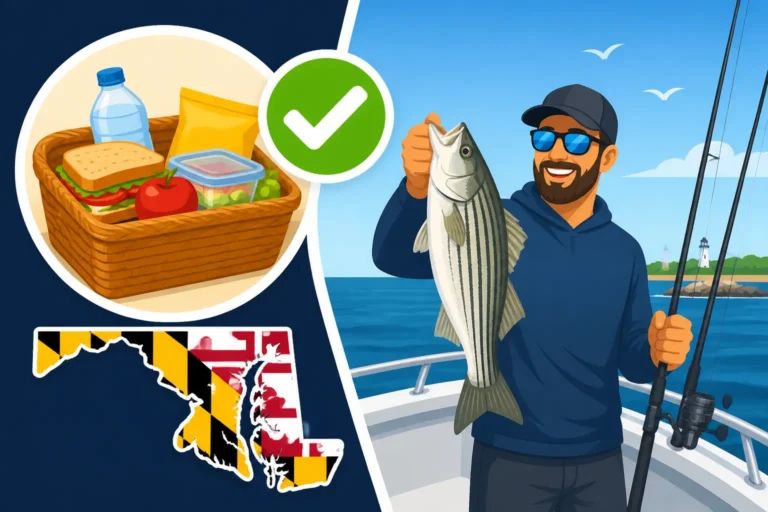
Next, consider food and drink. While some charters might offer bottled water, it's generally a good idea to bring your own cooler packed with snacks, sandwiches, and plenty of hydrating beverages. Alcohol is often permitted but check with your captain beforehand, and always consume responsibly. Don't forget any personal medications, a camera to capture those memories, and if you're prone to seasickness, take preventative measures well before departure. Also, consider bringing cash for a tip for the mate, as gratuity is customary and always appreciated for their hard work.
Understanding Maryland Fishing Regulations
Even though your charter captain is a licensed professional who will ensure you adhere to the rules, it's still a good idea to have a basic understanding of Maryland's fishing regulations, especially for the species you hope to target. Regulations can be complex and change seasonally, so staying informed is helpful. For instance, Maryland Striped Bass Season and Rockfish Rules are subject to change, as are specific slot limits and daily bag limits for various species. Your captain will always provide the most current information onboard, but a little background knowledge can enhance your appreciation for their efforts in conservation.
You'll find detailed information in the Maryland's DNR Fishing and Boating Guide, Explained, which outlines everything from size and possession limits to special closures or gear restrictions. For most charters, the captain's license covers all passengers, so you generally won't need to purchase your own individual Maryland Chesapeake Bay Sport Fishing License Explained unless you plan to fish from shore or your own boat another time. However, it's always wise to confirm this with your charter company directly. Understanding the regulations contributes to responsible angling and helps preserve the Bay's incredible fishery for future generations.
Your Day on a Chesapeake Bay Charter
The morning of your charter is filled with anticipation! When you arrive at the dock, you'll be greeted by your captain and mate, ready to kick off your adventure. From the moment you step aboard until you return to the marina, there's a flow to the day that's designed to maximize your fishing time and ensure your safety and enjoyment.
Arrival and Safety Briefing
When you arrive at the designated marina or dock, which could be anywhere from Annapolis to Solomons Island, your boat will typically be prepped and ready to go. The captain or mate will greet you, assist with loading your cooler and gear, and welcome you aboard. This is the perfect time for any last-minute questions you might have. Once everyone is on board and settled, the captain will conduct a mandatory safety briefing. This isn't just a formality; it's vital information. They'll show you where the life jackets are, point out emergency exits, explain how to use the head (marine toilet), and go over basic rules of the boat, such as where to stand and how to move safely while underway.
Listen carefully during this briefing. It’s for your own well-being and helps ensure a smooth trip for everyone. They might also quickly go over the target species for the day, review the current regulations, and give you an idea of the fishing plan. This initial interaction is a great opportunity to get a feel for the crew's professionalism and their commitment to a safe and productive day on the water.
The Journey to the Fishing Grounds
Once the safety briefing is complete and lines are cast off, the real adventure begins as you motor out of the harbor and into the open waters of the Chesapeake Bay. This journey can range from a quick 15-minute ride to over an hour, depending on where the fish are biting and which port you departed from. This is your chance to take in the stunning scenery of the Bay, watch for wildlife, and enjoy the fresh air. The captain will use their local knowledge and onboard electronics to navigate efficiently to the best fishing spots. They'll be watching for bird activity, baitfish schools, and subtle changes in the water that indicate fish presence.
During this time, the mate will often be busy setting up rods, preparing baits, and getting everything ready for when you arrive at the prime fishing location. They might offer tips on how to hold the rod or demonstrate casting techniques if needed. Many captains use this travel time to share stories about the Bay or give you more insights into the fish you'll be targeting, adding to the overall experience. It's an integral part of the trip, building anticipation before the first line even hits the water.
The Fishing Experience Itself
This is what you came for! Once you reach the fishing grounds, the real action starts. The captain will position the boat for optimal fishing, whether that means anchoring over a productive reef, drifting a channel edge, or trolling a specific depth contour. The mate will typically hand out rigged rods, bait them up, and offer instruction on how to fish them effectively. For instance, if you're bottom fishing for white perch, they'll show you how to drop your rig straight down and detect subtle bites. If you're trolling for striped bass, they'll explain the different lures and depths being used.
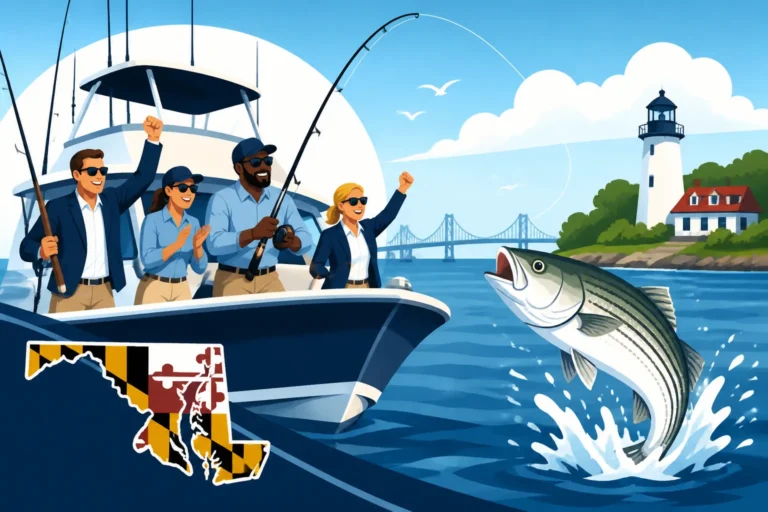
When a fish bites, the mate will be there to help guide you, whether it's coaching you through reeling in a feisty rockfish or helping net your catch. They’ll also handle removing the fish from the hook, measuring it to ensure it meets Maryland Fishing Size and Catch Limits by Species, and either releasing it gently or placing it on ice in the cooler. The atmosphere is usually a mix of focused effort and camaraderie, with cheers and encouragement as each fish comes over the rail. It’s an exciting, active experience, and the crew's goal is always to maximize your chances of success.
Common Fish Species Targeted
The Chesapeake Bay is a remarkably diverse estuary, home to a wide array of fish species that make for exciting angling opportunities. Depending on the season and your preference, charter captains will focus on different species. Knowing what's in season and what you might catch helps you set realistic expectations and communicate your preferences to your captain.
Striped Bass Rockfish
Without a doubt, the striped bass, affectionately known as "rockfish" in Maryland, is the undisputed king of the Chesapeake Bay. These powerful, hard-fighting fish are highly sought after by anglers of all skill levels. They can be targeted using a variety of methods, including trolling with large lures or baits, jigging around structure, or live-lining spot or other baitfish. Maryland Striped Bass Fishing Techniques vary greatly by season, from casting topwater lures in shallow water to vertical jigging in deeper channels.
The thrill of a large rockfish pulling drag is an experience every angler should have. During certain times of the year, particularly the spring and fall migrations, trophy-sized striped bass move through the Bay, offering a chance at a true monster. Other times, the focus might be on catching fish within the specific slot limits for table fare. Your charter captain will be an expert in locating these fish and employing the most effective techniques to get them to bite, ensuring you have a memorable encounter with Maryland's state fish.
White Perch
While not as large as a striped bass, white perch are a beloved Chesapeake Bay staple, known for their abundance, delicious taste, and willingness to bite. These feisty panfish are excellent targets for anglers of all ages, making them a popular choice for family-friendly charters. They can be found throughout the Bay and its tributaries, often congregating around oyster reefs, docks, and channel edges. White Perch in Maryland's Chesapeake Bay are particularly active during their spring spawning runs, when they push far up into the Bay's rivers and creeks.
White perch are typically caught using light tackle, often with simple bottom rigs baited with bloodworms, grass shrimp, or small pieces of squid. Small jigs and spinners can also be incredibly effective, especially when fished around structure. The action can be fast and furious, with anglers often reeling in multiple fish in short order. It's a fantastic way to introduce new anglers to the sport and guarantees plenty of rod-bending fun, plus a delicious meal at the end of the day.
Invasive Species like Blue Catfish and Snakehead
The Bay's ecosystem is constantly evolving, and one of the most significant changes has been the proliferation of invasive species like blue catfish and northern snakehead. While these fish pose challenges to native populations, they offer incredible fishing opportunities, and many charters now specifically target them. Blue catfish, in particular, have grown to enormous sizes in the Bay's rivers, offering a strong fight and excellent table fare. There's often no limit on them, and anglers are encouraged to keep as many as they can. Learn more about the Maryland Blue Catfish Limit, or Lack of One.
Northern snakeheads are another invasive species that have found a home in the shallow, vegetated waters of the Bay's tributaries. These aggressive predators offer a thrilling topwater bite and a unique challenge for anglers. Charters specializing in snakehead fishing often use techniques like casting frog lures or weedless plastics into dense lily pads. Targeting these invasives is not only a blast but also helps the Bay's ecosystem. Many captains view it as a win-win: exciting fishing and a contribution to conservation.
| Species | Typical Size Range (Catchable) | Common Season | Primary Fishing Method(s) | Conservation Status / Notes |
|---|---|---|---|---|
| Striped Bass | 18-40 inches+ | Spring/Fall | Trolling, Jigging, Live-lining | Highly regulated; slot limits, seasonal closures. Maryland State Fish. |
| White Perch | 6-12 inches | Spring-Fall | Bottom Fishing, Light Jigging | Abundant, excellent table fare, great for beginners. |
| Blue Catfish | 10-50 inches+ | Year-round | Bottom Fishing (cut bait) | Invasive, no possession limits, encouraged to keep. |
| Northern Snakehead | 15-30 inches | Spring-Fall | Topwater Lures, Plastics | Invasive, illegal to release alive, unique fight. |
| Flounder | 14-20 inches | Summer | Drifting (live bait/strips) | Bottom dweller, delicious, found in shallower areas and inlets. |
| Croaker/Spot | 8-12 inches | Summer | Bottom Fishing (small hooks) | Popular for kids and families, good eating, abundant. |
Cost and Gratuity
Let's talk about the dollars and cents, because understanding the financial aspect of a charter trip is important for budgeting and ensuring a smooth experience. While specific prices fluctuate based on boat size, duration, and time of year, we can break down the general costs and the customary practice of gratuity.
Understanding Charter Pricing
The cost of a Chesapeake Bay fishing charter isn't just about the time you spend on the water; it encompasses the captain's expertise, the boat's maintenance, fuel, bait, tackle, and often licenses for the entire crew. As discussed, private charters typically charge a flat rate for the entire boat (up to a certain number of passengers, usually 6), while party boats charge per person. Expect Maryland Charter Boat Costs Explained to vary significantly based on whether you opt for a half-day (typically 4-5 hours) or a full-day (6-8 hours) trip. Half-day trips are generally more affordable and great for families or beginners, while full-day trips allow for more travel time to distant fishing grounds and longer fishing action.
Peak seasons, like the spring trophy striped bass run or the fall rockfish blitz, may see higher demand and potentially higher prices. Conversely, off-peak times or targeting less popular species might offer more budget-friendly options. Always get a clear, all-inclusive price upfront when booking. Don't be afraid to ask what exactly is covered (e.g., bait, tackle, licenses, fish cleaning) to avoid any surprises later. Comparing options on platforms like FishingBooker can give you a good idea of the range of prices for different types of experiences and boat sizes.
Gratuity for the Mate and Captain
This is a really important point that often catches first-timers off guard. While the captain is compensated through the charter fee, the mate (if there is one) primarily earns their living through tips. The mate works incredibly hard throughout the trip, from rigging lines and baiting hooks to netting fish, keeping the deck clean, and filleting your catch. They are the backbone of a successful charter trip, and a significant part of your positive experience often rests on their efforts.
The customary gratuity for a mate on a Chesapeake Bay fishing charter is generally 15-20% of the total charter cost. If you feel they went above and beyond, a more generous tip is always appreciated. It's polite to hand the tip directly to the mate at the end of the trip. While captains also appreciate tips for exceptional service, especially if they are working solo without a mate, the mate's tip is usually the priority. Factor this into your budget when planning your trip to ensure you're prepared to show your appreciation for their hard work.
Making the Most of Your Charter Experience
A Chesapeake Bay fishing charter is more than just a boat ride; it's an opportunity for adventure, learning, and making lasting memories. To truly get the most out of your trip, there are a few things you can do, both in terms of preparation and your attitude on the day.
Be Prepared for the Elements
The weather on the Chesapeake Bay can change rapidly, and being unprepared can quickly turn a fun day into a miserable one. Even on a clear, sunny morning, conditions can shift dramatically with pop-up thunderstorms or a sudden cold front moving in. Always bring layers of clothing that you can add or remove as needed. A good waterproof and windproof jacket is an absolute must, even if rain isn't in the forecast. The spray from the boat or a sudden gust of wind can make it feel much colder than anticipated.
Sun protection is also paramount. The sun's rays are intensified by the reflection off the water, increasing your risk of sunburn. Wide-brimmed hats, polarized sunglasses, and high-SPF sunscreen should be applied generously and frequently. Proper footwear – closed-toe, non-slip shoes or boots – is crucial for safety on a wet, moving deck. Think of your comfort and safety first, and you’ll be much better equipped to enjoy the fishing, no matter what the Bay decides to throw at you.
Listen to Your Captain and Mate
This cannot be stressed enough: the captain and mate are your guides, your experts, and your safety officers. They have years of experience on these waters and know the boat intimately. When they give instructions, whether it's about casting technique, where to stand, or what to do when a fish is on, listen carefully and follow their lead. Their advice is geared towards your success and safety. For example, if they tell you to keep your line in the water a certain way, it's because that's what's currently working for the fish.
Don't be afraid to ask questions if you don't understand something, but always do so politely and at appropriate times. They're there to help you learn and have a good time. A respectful and cooperative attitude goes a long way in ensuring a pleasant experience for everyone on board, and often, captains and mates are more willing to go the extra mile for a group that is engaged and appreciative. This mutual respect is key to a truly great charter experience.
Responsible Angling and Conservation
Participating in a fishing charter is not just about catching fish; it's also about being a responsible steward of the Bay's precious resources. Your captain is deeply committed to conservation and will ensure that all fishing practices adhere to Maryland's regulations. This means understanding and respecting size limits, daily bag limits, and any special seasonal closures, such as those related to Maryland Spawning River Closures for Striped Bass. If you catch a fish that is undersized or out of season, it will be carefully released.
Even for keepers, consider taking only what you'll realistically eat. Many anglers practice catch and release for larger trophy fish, opting for a photo and then gently returning the fish to the water. Your charter crew will demonstrate proper handling techniques for releasing fish to maximize their survival. By actively participating in these conservation efforts, you help ensure that the abundant fisheries of the Chesapeake Bay continue to thrive for future generations. It’s a small effort that makes a huge difference.
Disclaimer
This article is for general informational purposes only and does not constitute professional advice. Laws, prices and regulations vary by location and change over time. Consult a qualified professional for guidance on your specific situation.