Are Carp Considered a Nuisance Fish in Maryland?
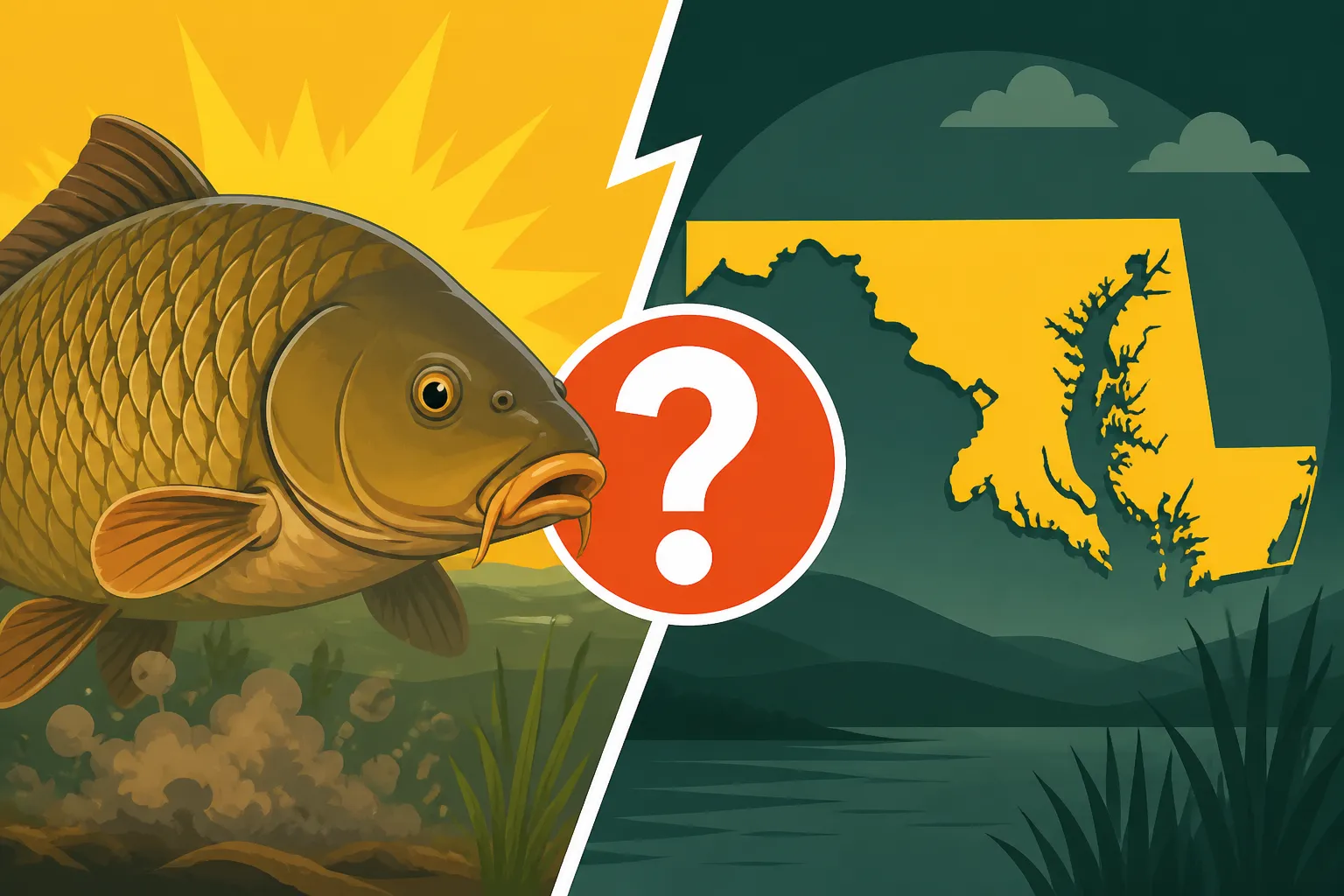
Oh, the common carp! There's hardly a fish that stirs up more debate among Maryland anglers. You might hear some folks call them trash fish, while others speak of them with a quiet reverence for their fighting spirit. This really gets at a common point of confusion: whether carp, especially the common carp we often encounter, are truly considered a "nuisance fish" in Maryland waters. It's not a simple yes or no, and understanding their role in our delicate ecosystems and how they compare to other invasive species is key to unraveling this complex topic. This guide will dive deep into the nuances of carp in Maryland, their impact, and how they're viewed by both fisheries management and the angling community.
Understanding "Nuisance Fish" in Maryland
When you're out on the water, whether it's the mighty Susquehanna or a quiet farm pond, you're bound to run into various fish species. Some are universally loved, some are tolerated, and then there are those that get tagged with the unfortunate label of "nuisance." But what exactly does that mean in the eyes of Maryland's fisheries experts and the angling community?
What Defines a Nuisance Fish?
Generally, a "nuisance fish" is a species that, due to its abundance, feeding habits, or reproductive success, negatively impacts native fish populations, degrades habitat, or simply gets in the way of more desirable sportfishing opportunities. Think about it from an angler's perspective: if you're targeting a prized largemouth bass or trying to catch some delicious white perch, repeatedly hooking into something else that's hard to get off your line or just not what you're after can certainly feel like a nuisance.
From an ecological standpoint, the definition goes deeper. It's about how a species disrupts the natural balance. This could involve outcompeting native species for food, preying on their young, or even altering the physical environment in a harmful way. Often, the term "nuisance" goes hand-in-hand with "non-native" or "invasive," though there are important distinctions. A non-native species might exist in a system without causing significant harm, but an invasive species actively causes ecological or economic damage. Carp often find themselves in this conversation because they can tick many of these boxes.
Maryland's Official Stance on Carp
Maryland's Department of Natural Resources (DNR) has a nuanced view when it comes to carp. For the most part, the common carp (Cyprinus carpio) is considered a non-native, introduced species. They've been in North American waters for well over a century, originally introduced from Europe and Asia in the late 1800s as a food fish and a potential aquaculture species. Because of this long history, they are now widely established across many Maryland waterways. They aren't usually classified with the same urgent, "kill on sight" mentality as some of the more recent and aggressive invaders like the northern snakehead or the blue catfish, though their impacts are acknowledged. You can find more details on how the state views various species in documents like Maryland's DNR Fishing and Boating Guide, Explained.
However, it's crucial to understand that not all carp are treated equally. While common carp are simply "established non-natives," Maryland is on high alert for the true menace of Asian carp (which includes Bighead, Silver, Grass, and Black Carp). These species are unequivocally labeled as invasive, and there are active measures in place to prevent their spread into the Chesapeake Bay watershed. The distinction is important: common carp are often seen as part of the landscape now, albeit with some negative impacts, while Asian carp represent a clear and present danger to the entire ecosystem.
The Impact of Carp on Maryland's Ecosystems
While common carp aren't given the same "invasion alert" status as some other species, their presence in Maryland's waters isn't without significant ecological effects. Understanding these impacts helps clarify why some consider them a nuisance, even if they're not always aggressively targeted for eradication.
Habitat Disruption and Water Quality
One of the primary ways common carp earn their "nuisance" reputation is through their feeding habits. These fish are bottom feeders, constantly rooting around in the substrate for insects, crustaceans, and plant matter. While this might seem innocuous, on a large scale, it can have profound effects, particularly in shallower bodies of water. Their constant "plowing" action stirs up vast amounts of sediment, leading to increased turbidity. This means the water becomes cloudy and murky.
Cloudy water isn't just an aesthetic issue; it has serious ecological consequences. It reduces light penetration, which is vital for the growth of submerged aquatic vegetation (SAV). SAV, like eelgrass and widgeon grass, are the "lungs" of our aquatic environments, providing critical oxygen, shelter for juvenile fish, and food for waterfowl. When carp activity reduces SAV beds, the entire food web suffers. For instance, in areas like the upper Chesapeake Bay or various reservoirs, carp can be a significant factor in preventing the recovery of these crucial underwater grasses, ultimately impacting all the species that rely on them.
Competition with Native Species
Another concern with common carp is their potential to outcompete native fish species for resources. Carp are highly adaptable and prolific breeders. They can thrive in a wide range of water conditions, including those with lower oxygen levels or higher turbidity that might stress native species. They grow large, live long, and can quickly establish dominant populations.
When carp populations are abundant, they effectively compete with native bottom feeders for food sources. They also consume the eggs and larvae of other fish, further impacting recruitment for species like various native panfish or even the young of sportfish. While it's a complex interaction, and not always a direct one-to-one competition, their sheer biomass and efficiency in foraging can put pressure on limited food supplies, potentially affecting the health and numbers of desirable native species. This competitive edge is a key reason why they are seen as problematic, even if they don't directly prey on adult native fish in the same way a snakehead might.
Are All Carp Species the Same? Differentiating Common Carp and Asian Carp
The term "carp" can be a bit of a blanket statement, and it's essential to understand that there are significant differences between the widely established common carp and the much more concerning group known as "Asian carp." The status of each, in terms of being a "nuisance" or "invasive," varies dramatically.
Common Carp (Cyprinus carpio): The Familiar Bottom Feeder
When most Maryland anglers talk about carp, they're typically referring to the common carp. As mentioned, these fish were introduced deliberately in the late 19th century. They're characterized by their large scales (though there are "mirror carp" and "leather carp" variants with fewer or no scales), a mouth with two pairs of barbels, and a typically bronze or yellowish coloration. They can grow quite large – it's not uncommon to catch common carp weighing in the double digits, and you might wonder How Big Do Common Carp Get in Maryland Lakes?. They're strong fighters, often caught by anglers using simple bottom rigs with corn, dough balls, or worms.
While they disturb habitat and compete with native species, common carp have a long history here. They are not currently the target of large-scale eradication programs, though their presence is monitored. Anglers are free to harvest them, and many enjoy them as a food fish or for sport. You won't find specific daily bag limits for common carp in Maryland, reflecting their established non-native status rather than a critical invasive threat.
The Growing Threat of Invasive Asian Carp
This is where the "nuisance" level ratchets up significantly to "major ecological threat." When fishery managers talk about Asian carp, they are referring to a group of species that includes Bighead Carp, Silver Carp, Grass Carp, and Black Carp. These are truly invasive species, posing a grave threat to the Chesapeake Bay and its tributaries. Unlike common carp, Asian carp have only recently established themselves in some of our larger river systems, particularly the Potomac and Susquehanna, arriving mostly from upstream Midwestern states.
- Silver Carp are famous for leaping high out of the water when startled by boat noise, posing a physical danger to boaters.
- Bighead Carp and Silver Carp are filter feeders that consume vast amounts of plankton, directly competing with native mussels, juvenile fish, and even baitfish, effectively starving out the base of the food web.
- Grass Carp are voracious eaters of submerged aquatic vegetation (SAV), which, as we discussed, is crucial habitat. Maryland has strict rules regarding Grass Carp, including sterile triploid varieties used in some pond management, but wild, fertile ones are a severe concern.
- Black Carp primarily feed on snails and mussels, threatening native mollusk populations, many of which are already endangered.
The Maryland DNR, along with other agencies, views Asian carp as a top priority for control and prevention of further spread. Programs are in place to sample for them, educate the public, and encourage their removal if caught. This proactive approach is a stark contrast to the management of common carp and highlights the critical difference in their ecological impact. For these species, the message is much closer to what you'd hear about Maryland Blue Catfish, an Invasive Giant or Northern Snakehead in Maryland Waters: kill them if you catch them, and do not release them alive. This aggressive stance is detailed in directives like Why Maryland Wants Anglers to Kill Invasive Fish.
Angler Perceptions and Management Strategies
The perception of carp among anglers in Maryland is quite varied, mirroring the complex ecological status of these fish. What one angler considers a nuisance, another might view as an exciting challenge. This diversity of opinion influences how management strategies are received and implemented.
Carp as a Sport Fish
Despite their "nuisance" label from some quarters, common carp have a dedicated following in the sportfishing world. They are known for their incredible strength and endurance, offering a powerful fight on rod and reel that many compare to larger saltwater species. Carp fishing, often referred to as "specimen carp fishing," has a passionate community that uses specialized gear, baits, and tactics to target these giants. You can find a lot of gear for this specific type of fishing on platforms like Amazon, from specialized alarms to boilie baits.
In fact, some areas even host carp fishing tournaments. These anglers appreciate carp for their sporting qualities, often practicing catch-and-release to preserve the large fish for future battles. Additionally, carp are popular targets for bowfishing, especially in areas where their populations are abundant. This method offers a unique challenge and is often promoted as a way to harvest larger numbers of carp, aligning with some broader goals of population control, though primarily for common carp.
Management and Control Efforts
Maryland's approach to carp management largely depends on the species. For common carp, the strategy is less about aggressive eradication and more about monitoring and allowing recreational harvest. Since they're so widespread and established, complete removal isn't feasible. Regulations like How Many Fish Can You Keep on a Maryland Charter? typically don't apply specific limits to common carp, reinforcing the idea that harvest is encouraged without strict controls.
However, for invasive Asian carp, the management strategy is far more aggressive and proactive. This includes barrier development, electrofishing surveys, commercial harvest incentives, and strict regulations prohibiting their live transport. The goal is clear: prevent these highly destructive species from further establishing themselves in the Chesapeake Bay. This is similar to the approach for other known invasives, like the strict rules outlined in Is It Legal to Release a Blue Catfish in Maryland? or Maryland Snakehead Fishing Rules, where the emphasis is on immediate removal and preventing any spread.
The "Eat Them to Beat Them" Mentality
For many invasive species that are edible, Maryland promotes an "eat them to beat them" campaign. This idea encourages anglers to harvest and consume invasive species as a way to reduce their populations and mitigate their ecological impact. This strategy has gained traction for species like blue catfish and snakehead, which are both delicious and prolific.
While common carp are certainly edible and enjoyed in many cultures, they haven't been pushed as strongly in the "eat them to beat them" campaign in Maryland to the same extent as the more aggressive invasives. This is partly due to their long history here and the established angling subculture around them, and partly because their ecological impact, while present, is different from the rapidly expanding and severely damaging Asian carp. However, there's nothing stopping an angler from harvesting common carp for the table, and it does contribute to population management on a localized scale.
To better illustrate the distinctions, here's a comparison of common carp and the invasive Asian carp:
| Feature | Common Carp (Cyprinus carpio) | Invasive Asian Carp (Bighead, Silver, Grass, Black) |
|---|---|---|
| Origin | Europe and Asia; introduced to North America in late 1800s | Asia; more recent introductions/spread in North America (20th-21st C) |
| Current Status MD | Established non-native; widespread | Unwanted invasive; active prevention/control efforts to limit spread |
| "Nuisance" Level | Moderate – can cause habitat disruption, compete with natives | High – severe ecological threat, disrupt entire food webs, physical hazard |
| Feeding Habits | Bottom feeder; roots in sediment, consumes detritus, insects | Filter feeders (Bighead, Silver), herbivore (Grass), molluscivore (Black) |
| Impact | Increases turbidity, reduces SAV, competes for food | Starves out native plankton feeders, destroys SAV, consumes native mollusks, physical threat |
| Management | Recreational harvest encouraged; no specific limits | Aggressive control, commercial harvest incentives, "do not release" orders |
| Angler View | Sportfish for some, nuisance for others, edible | Generally viewed as pest, target for eradication/harvest |
So, are carp considered a nuisance fish in Maryland? The answer is a resounding "it depends." Common carp, while non-native and certainly capable of causing ecological issues like reducing water clarity and competing for resources, are viewed differently from the more recently arrived and far more ecologically destructive Asian carp. For those of us who love Maryland's diverse waters and the incredible fishing opportunities they provide, understanding this distinction is vital. Whether you're targeting a Maryland Striped Bass Fishing Techniques trip or simply enjoying a peaceful day on a freshwater lake, knowing the impact of each species helps us all be better stewards of our aquatic resources.
Disclaimer
This article is for general informational purposes only and does not constitute professional advice. Laws, prices and regulations vary by location and change over time. Consult a qualified professional for guidance on your specific situation.