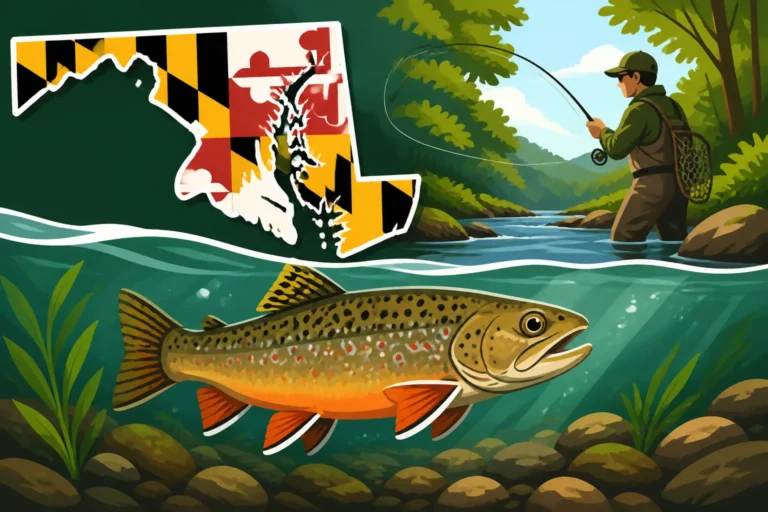
How Big Do Rainbow Trout Get When Stocked in Maryland?
It's a question every angler asks when those crisp spring or fall days arrive, and the Maryland Department of Natural Resources starts announcing trout stockings: "How big are these fish going to be?" We all dream of pulling out a monster, but the reality of stocked rainbow trout in Maryland waters often brings us back to earth. This guide will dive deep into what you can realistically expect from Maryland's stocked rainbow trout, from their initial sizes to the factors that can help some grow larger, so you can plan your next outing with confidence.
Understanding Maryland's Rainbow Trout Stocking Program
Maryland's trout stocking program is a vital part of the state's freshwater fishing scene, bringing the thrill of trout fishing to many areas that wouldn't naturally support healthy trout populations year-round. It's designed primarily to provide immediate fishing opportunities, especially in "put-and-take" areas where the fish are expected to be caught soon after release. The state invests a lot in raising these fish in hatcheries, and their size at stocking is a carefully managed balance between cost, growth rates, and angler satisfaction.
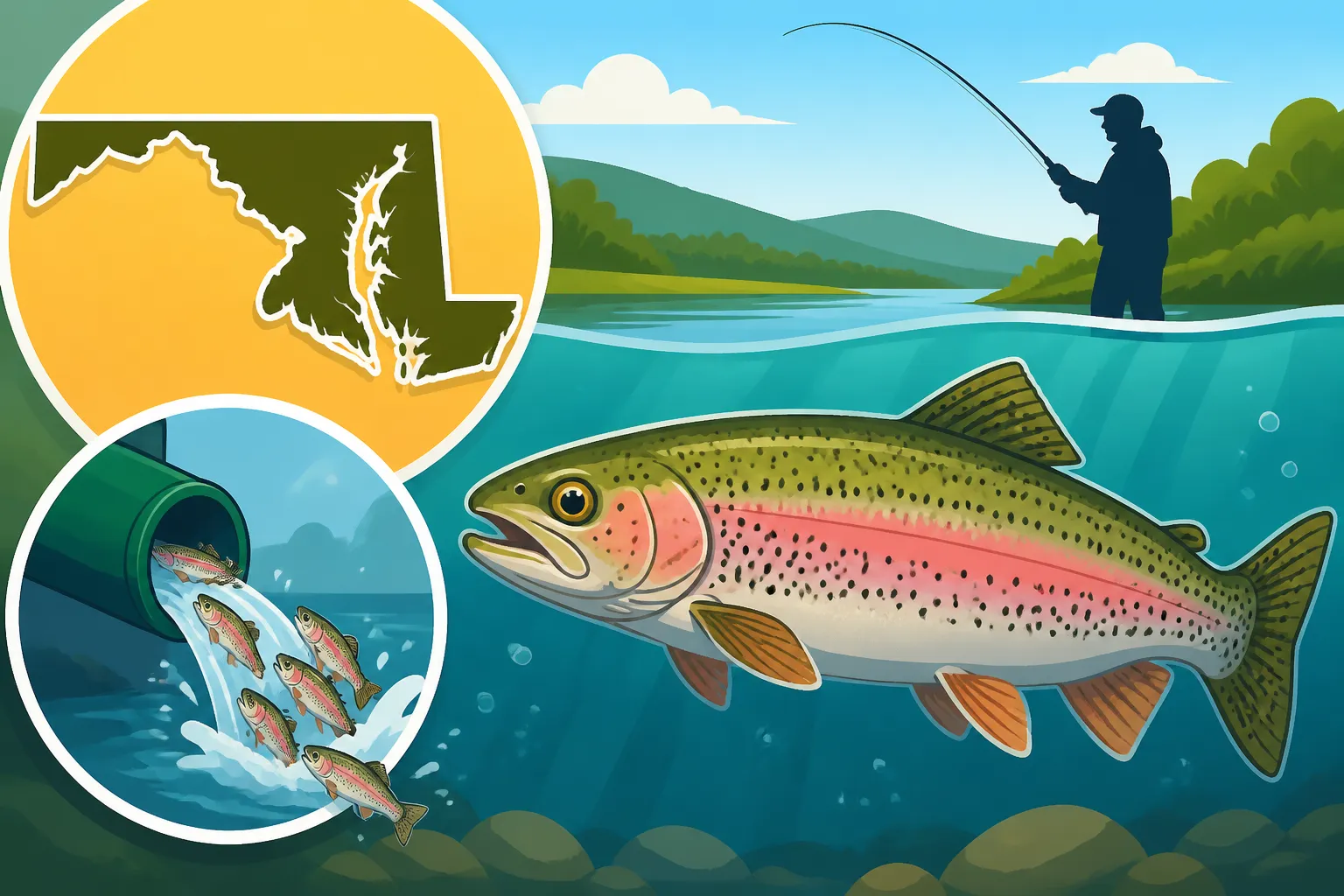
When the trucks roll up to a stream or pond, the rainbows splashing into the water are often hatchery-raised and have been fed a consistent diet their whole lives. This means they're usually in excellent condition but haven't had to "fend for themselves" in the wild yet. Their immediate goal is to find food and shelter, making them quite susceptible to common baits and lures in the days and weeks following their release. This is why you'll often see a flurry of activity right after a stocking event. The Maryland DNR aims to create widespread opportunities, from scenic Western Maryland streams to urban ponds, making trout fishing accessible to a broad range of anglers.
The Purpose of Stocking and Initial Sizes
The main goal of Maryland's stocking program, particularly in its extensive "put-and-take" waters, is to provide an exciting and accessible fishing experience for a wide audience. These fish are essentially a renewable resource introduced for recreational harvest. Because of this, the size of the trout is chosen to be appealing for catching and eating, but also to be efficient for the hatcheries to raise. You're not typically going to find wild, trophy-sized specimens right out of the stocking truck.
Most of the rainbow trout stocked by the Maryland DNR fall into what's often referred to as "catchable size." This generally means they are anywhere from 9 to 15 inches long. The bulk of the fish will be on the smaller end of that spectrum, say 10 to 12 inches. They're fat, healthy, and full of fight for their size, making them a blast to catch on light tackle. Larger fish, often referred to as "brood stock" or "trophy trout," are also stocked, but in much smaller quantities. These can range from 16 to 20+ inches and are a special bonus for lucky anglers. Think of them as the golden ticket in your candy bar – a rare and exciting find! The DNR usually announces stocking dates and locations, which can be found in resources like Maryland Trout Season, Month by Month and How Maryland Decides Which Rivers Get Stocked.
Typical Sizes and What to Expect on the Water
When you head out to your favorite stocked stream or lake in Maryland, it's good to manage your expectations regarding the size of the fish you'll encounter. While every angler hopes for that lunker, most of your catches will likely be well within the "pan-sized" range, perfect for a fresh meal. However, the potential for a larger fish does exist, especially if you know where and when to look.
Standard Stocker Size Range
For the vast majority of rainbow trout stocked across Maryland, anglers can expect fish in the 9 to 14-inch range. These are robust, actively feeding fish, often with vibrant colors, especially in the cooler waters of spring and fall. They're typically released in large numbers into popular spots like the Gunpowder Falls, Savage River, and numerous smaller creeks and ponds throughout the state. A lot of these fish are caught within days or weeks of stocking. They're eager to bite, having been fed pellets their whole lives, so a variety of baits like PowerBait, corn, or worms often work wonders. You'll find specific limits on how many you can keep in our guide on Maryland Trout Daily Creel Limit.
You might encounter some slightly larger fish, perhaps up to 15 or 16 inches, mixed in with the general stock. These are still considered "stockers" but are a bit older or grew faster in the hatchery. They offer a bit more of a fight and are definitely a welcome sight! Equipment-wise, a basic spinning rod and reel combo with light line is usually all you need. If you're looking for some reliable gear, you can often find great deals on starter kits and tackle on Amazon.
The Myth and Reality of Holdover Trout
The real excitement for many experienced trout anglers comes from the prospect of catching a "holdover" trout. These are fish that have survived past the initial stocking period, acclimated to their wild environment, and have begun to grow significantly larger by feeding on natural food sources. The term "holdover" usually applies to fish that have survived at least one full season or more.
The sizes of holdover trout can vary wildly, depending on the richness of the environment they're in. In fertile streams with abundant insect life, crayfish, or small baitfish, a holdover rainbow trout can easily reach 16 to 20 inches, and sometimes even larger. These fish are usually much leaner, more streamlined, and develop darker, more intense coloration than their fresh-from-the-hatchery counterparts. They are also notoriously warier, making them a much greater challenge to catch. Targeting these fish often requires more finesse, with techniques like fly fishing, especially in areas designated as Maryland Delayed Harvest Trout Waters Explained where barbless hooks are common, as detailed in Barbless Hook Rules on Maryland Trout Streams. While it's great when stocked trout survive, the reality is that many stocked waters in Maryland simply don't have the year-round cold water or rich food sources for large numbers of trout to grow into true giants, especially when you consider Do Stocked Trout Survive Summer in Maryland Streams?.
Factors That Influence Trout Size and Growth in Maryland Waters
It's not just about how big they are when they leave the hatchery. Once those rainbow trout hit a Maryland stream or lake, a whole host of environmental factors come into play that dictates whether they thrive, merely survive, or become a quick meal for an otter or a fellow angler. Understanding these elements can give you a better idea of where to focus your efforts if you're hoping for a larger catch.
Water Temperature and Oxygen Levels
Trout, especially rainbow trout, are cold-water fish. They need consistently cool water to survive and truly flourish. In Maryland, many of the streams stocked with rainbows are considered "marginal" trout waters, meaning they get too warm in the summer months to support trout long-term. This is a significant reason why many stocked fish don't become holdovers. Warmer water holds less dissolved oxygen, which stresses trout and can make them more susceptible to disease and predation.
In spring and fall, when water temperatures are ideal (typically between 45-65 degrees Fahrenheit), trout are active and feed aggressively. However, once summer truly sets in and stream temperatures climb above 70 degrees, stocked trout often struggle and mortality rates can be very high. This is particularly true in the "put-and-take" streams, whereas wild trout or successful holdovers are usually found in the colder, spring-fed headwaters of Western Maryland or below deep reservoirs.
Food Availability and Habitat
Just like any other living creature, trout need food to grow! The abundance and type of natural food sources in a given water body directly impact how large a stocked rainbow trout can get if it survives long enough to adapt. In a hatchery, they're fed high-protein pellets, but in the wild, their diet shifts dramatically.
In streams, trout will feed on a variety of aquatic insects (nymphs, larvae, adults), terrestrial insects that fall into the water (grasshoppers, beetles), small crustaceans, and even small baitfish if available. Lakes and reservoirs might offer a wider range of forage, including minnows, crayfish, and zooplankton. Streams that have a rich bug life and complex habitat – like deep pools, undercut banks, and plenty of woody debris – provide both food and protection, increasing the chances for some stocked trout to grow into larger, more wary fish. Without these natural resources, even surviving trout won't grow substantially beyond their initial stocking size.
| Trout Status | Typical Size at Stocking (inches) | Potential Holdover Size (inches) | Primary Diet in Wild | Survival Rate in Wild Waters |
|---|---|---|---|---|
| Standard Stocker | 9-14 | 12-16 | Hatchery Pellets (initially), then natural insects | Moderate to Low |
| Trophy Stocker | 15-20+ | 18-24+ | Hatchery Pellets (initially), then natural insects, small fish | Low |
| Wild/Naturalized | N/A (born in stream) | 6-20+ (depending on stream) | Aquatic/Terrestrial Insects, small fish | High (if conditions permit) |
Finding and Catching Larger Stocked Rainbow Trout
So, you're not just looking for any trout, you're hoping for one of those bigger, more challenging holdovers or a generously stocked trophy fish. It's certainly possible in Maryland, but it requires a bit more strategy than simply showing up on stocking day with a can of corn. Here’s how you can tip the odds in your favor.
Targeting "Trophy" Stocking Locations
While most stocking points receive standard-sized fish, Maryland DNR does occasionally stock larger "trophy" sized rainbow trout in specific locations. These are often announced by the department, so keeping an eye on their stocking schedule is key. These locations might include certain sections of rivers like the upper Gunpowder Falls, the Savage River, or specific lakes that are managed for larger fish. These bigger fish might be 15-20 inches, sometimes even larger. When these are stocked, they tend to be in areas that also have better habitat for them to potentially hold over, giving them a better chance to survive if not caught immediately.
Beyond specific "trophy" waters, consider areas that are less pressured or harder to access. Sometimes, just walking a little further upstream or downstream from a popular access point can put you onto fish that haven't seen as many baits. Remember, these larger stocked fish are still hatchery-raised, so they might not be as wary as truly wild trout, but their sheer size makes for an exciting fight!
The Hunt for Holdover Trout
The true challenge and reward come from pursuing holdover trout. These are the fish that have adapted to their natural environment, grown larger, and become much smarter. You won't find these in every stocked creek; you need to look for waters with specific characteristics:
- Year-Round Cold Water: Look for spring-fed streams or tailwaters below deep reservoirs where water temperatures remain consistently cool throughout the summer. The Youghiogheny River, parts of the Gunpowder Falls, and certain sections of the Savage River are prime examples where you might find these.
- Abundant Natural Forage: Streams rich in aquatic insects, scuds, crayfish, and even small baitfish provide the necessary diet for trout to grow. Over time, these holdovers transition from a pellet diet to a natural one.
- Complex Habitat: Deep pools, undercut banks, large rocks, and fallen timber offer protection from predators and strong currents. Trout love structure, and the bigger ones often claim the best hiding spots.
- Lower Fishing Pressure: While difficult to find, streams that don't see constant angling pressure allow trout to grow without being constantly harassed.
When targeting holdovers, stealth is crucial. These fish are spooky. Approach spots carefully, stay low, and minimize vibrations. Your gear should be refined too. You might want to explore the world of Fly Fishing in Maryland or at least use lighter lines and more natural presentations with spinning gear. Lures that mimic natural forage, like small spinners, jerkbaits, or soft plastics that look like nymphs or worms, can be very effective. Investing in quality fishing line and some good lures can make a huge difference, and you can always check out brands on Amazon for a wide selection.
Best Techniques for Larger Trout
To successfully land a bigger rainbow trout in Maryland, especially a holdover, you'll need to refine your techniques. Gone are the days of simply tossing out a blob of PowerBait (though that can still work on fresh stockers!).
- Finesse with Bait: If using bait, consider live worms or minnows, presented naturally with minimal weight. Drifting them downstream through likely holding lies, like deep pools or eddy lines, can be incredibly effective. For those put-and-take areas, a small piece of corn or a Berkley PowerBait worm can often entice a bite from even a larger, recently stocked fish.
- Strategic Lure Selection: Small inline spinners, spoons, and jerkbaits that mimic baitfish are excellent choices for aggressive trout. Match the hatch if possible; if you see small minnows, use a silver or gold lure that's roughly the same size. For holdovers, consider using smaller, more natural-colored lures.
- Fly Fishing Tactics: If you're serious about targeting larger, warier trout, fly fishing is often the most productive method. Matching the prevalent insect hatches with dry flies, nymphs, or streamers can be incredibly rewarding. Patterns like Woolly Buggers, Pheasant Tail Nymphs, or Caddis Larva imitations are often very effective. The key is presenting them subtly and accurately. You might want to refer to articles like Best Bait for Put-and-Take Trout in Maryland for more ideas on bait and Techniques for Catching Walleye at Deep Creek Lake for targeting other large species in trout-stocked waters.
Disclaimer
This article is for general informational purposes only and does not constitute professional advice. Laws, prices and regulations vary by location and change over time. Consult a qualified professional for guidance on your specific situation.