How Big Do Largemouth Bass Get in Maryland Ponds?
There's nothing quite like the thrill of finding a hidden gem of a pond in Maryland, where you just know there's a lunker largemouth lurking. Many anglers dream of pulling a giant bass from a small, overlooked waterbody, but the question always remains: how big do these freshwater titans actually get in the typical Maryland farm pond or small community lake? It's a common frustration to hear tales of massive bass, only to wonder if your local spots could ever produce something similar. This guide is here to set realistic expectations and offer insights into what makes a pond capable of growing truly impressive largemouth bass, and how you might just land one yourself.
Understanding Pond Dynamics and Bass Growth
When we talk about largemouth bass in Maryland ponds, it's crucial to understand that these aren't always the same conditions you'd find in massive reservoirs or sprawling tidal rivers. Ponds are unique ecosystems, and the size a bass can attain is directly tied to the specific environment it calls home. It's not just about how long they live, but how well they live.
The Impact of Forage and Food Availability
The number one factor dictating how big a largemouth bass can get in any body of water, especially a pond, is its food supply. Think about it: a growing bass needs protein, and lots of it. In a robust pond ecosystem, bass will feast on a variety of prey items. This can include smaller fish like bluegill, sunfish, shiners, and even juvenile crappie. Many ponds also teem with frogs, crawfish, and various insects.
A pond with a healthy population of baitfish and crustaceans provides a constant buffet, allowing bass to grow quickly and reach impressive sizes. Conversely, a pond with a scarce or unbalanced food chain might have many bass, but they'll often be stunted and never break that 2-pound mark. It’s like us trying to grow on nothing but crackers – it’s just not going to happen! Sometimes, ponds might even be managed to enhance their forage base, introducing certain species or maintaining habitat that benefits the food web. This is why you might find one pond producing consistently bigger fish than another that looks identical on the surface. For more on what these fish like to eat, check out What Do Largemouth Bass Eat in Maryland Lakes?.
Water Quality, Depth, and Habitat Structures
Beyond food, the physical characteristics of a pond play a huge role. Water quality, for instance, is paramount. Ponds with good oxygen levels, stable pH, and minimal pollution are healthier environments for fish to thrive. Bass are tough, but even they need clean water to reach their full potential. Stagnant, muddy ponds might hold some fish, but they're rarely trophy producers.
Depth is another consideration. Deeper ponds offer more refuge from extreme temperatures, providing cool water in summer and warmer water in winter. This allows bass to conserve energy and find comfort, which in turn aids growth. A shallow, bathtub-like pond that heats up quickly in July or freezes solid in January can be tough on bass, limiting their lifespan and ultimate size.
Habitat structures are essentially bass real estate. Submerged logs, brush piles, rock formations, aquatic vegetation like lily pads and hydrilla, and even old tires or concrete blocks provide ambush points for hunting and cover for resting. A pond rich in such structure offers bass places to hide, hunt, and feel secure, contributing to a less stressed, faster-growing fish. When you’re scouting a new pond, always look for these signs of good habitat.
The Role of Fishing Pressure and Management
While many ponds aren't formally managed like state lakes, fishing pressure (or lack thereof) can significantly impact the size of the bass. In a pond that sees heavy angling traffic, especially if many fish are kept, the average size of the remaining bass can decrease over time. Anglers naturally remove the larger, more aggressive fish, leaving behind smaller or warier individuals.
However, many private or community ponds might have very light fishing pressure, allowing bass to grow old and large. Some landowners even implement their own catch-and-release policies or slot limits to promote trophy bass. Understanding if a pond is regularly fished and how fish are handled can give you clues about the potential size of its inhabitants. It's a delicate balance, and often, the best pond fishing is found in those less-trampled spots.
Realistic Expectations: How Big Do Pond Largemouth Bass Get?
It’s easy to get caught up in the "state record" hype, but when it comes to local ponds, it's best to temper your expectations with a healthy dose of reality. While a true giant is always possible, the average pond bass is usually a bit more modest.
The Typical Pond Largemouth
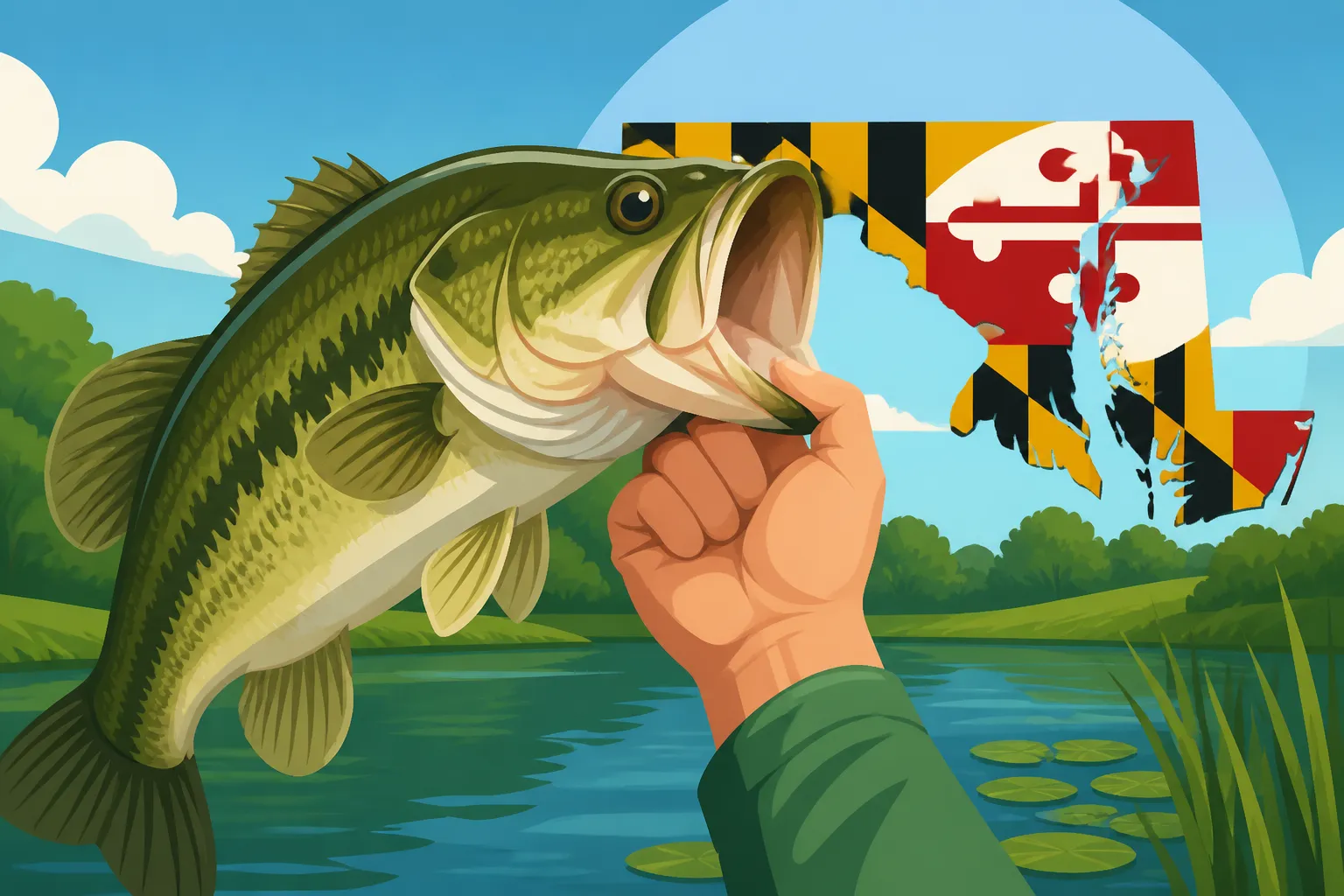
For most well-established Maryland ponds with decent forage and habitat, you can realistically expect to catch largemouth bass in the 1-3 pound range. These are fun fish, feisty fighters, and incredibly rewarding to catch on lighter tackle. They're often abundant, providing consistent action for an afternoon outing.
A bass in this size class is usually anywhere from 12 to 18 inches long, with a healthy girth. They might be a few years old, having successfully navigated the challenges of their pond ecosystem. For many anglers, catching several bass of this size is a fantastic day, and they make for excellent memories, especially for newer anglers or kids. You can find gear suitable for these fish easily on Amazon, from simple spincast combos to more advanced baitcasting setups.
What Constitutes a "Trophy" Pond Bass in Maryland?
Now, for the exciting part – the "trophy" pond bass. In the context of a smaller Maryland pond, a bass weighing 4 to 6 pounds is generally considered a really solid, impressive fish. Catching one of these will definitely get your heart pumping and might even earn you bragging rights among your fishing buddies. These fish are usually thicker, longer, and put up a much more formidable fight.
A true "monster" for a Maryland pond, the kind that might only come along once in a blue moon, would be a bass in the 7-8 pound range. While these are rare, they absolutely exist. These fish are typically older, having survived numerous seasons and successfully exploited the pond's food sources. Landing a bass of this caliber from a pond is a testament to both the quality of the waterbody and the skill and patience of the angler.
Is a double-digit bass possible in a Maryland pond?
While the Maryland state record for largemouth bass comes from a larger impoundment, not typically a small pond, it’s not impossible for an exceptionally old, well-fed bass to reach double digits in a highly fertile, lightly fished pond. However, these are exceedingly rare outliers. When you hear about those 10+ pound bass in Maryland, they’re almost always from places like Liberty Reservoir or Loch Raven Reservoir, which are massive by comparison. So, while you can dream big, keep your feet on the ground for pond expectations.
To give you a clearer picture, here's a comparison of what you might typically find:
| Waterbody Type | Average Largemouth Bass Size | "Trophy" Largemouth Bass Size |
|---|---|---|
| Small Maryland Pond | 1-3 pounds (12-18 inches) | 4-6 pounds (19-22 inches) |
| Large Maryland Lake/Reservoir | 2-4 pounds (15-20 inches) | 6-8+ pounds (23+ inches) |
| State Record Potential | Highly unlikely (but not impossible for 1-2 in a lifetime) | Very likely (for 8-12+ pounds) |
You can explore more about larger bass populations in articles like Best Lakes in Maryland for Trophy Largemouth Bass and Largemouth Bass State Record in Maryland.
Strategies for Targeting Larger Pond Bass
If you’re determined to hook into one of those larger, more elusive pond bass, you’ll need to adjust your approach. These older, wiser fish didn't get big by being careless.
Scouting Your Pond and Observing Conditions
The first step is always to spend time observing. Before you even cast a line, look for signs of life. Are there baitfish flickering near the surface? Do you see frogs or turtles? What kind of cover is present – lily pads, submerged timber, a fallen tree? Pay attention to water clarity and color. What time of day are you seeing activity? Larger bass are often creatures of habit, patrolling specific areas.
Walk the banks if you can (with permission, of course, if it's private property!) and identify prime ambush points. Look for shaded areas, points, or the edges of deep water. The more you know about the pond's layout and its inhabitants, the better your chances. This kind of homework is crucial for serious pond anglers.
Choosing the Right Lures and Tackle
While smaller bass will hit just about anything, targeting a trophy pond bass often requires a more specific approach. Generally, bigger baits attract bigger fish. Don't be afraid to throw something substantial.
- Soft Plastics: These are incredibly versatile. Large worm-style baits (8-10 inches), creature baits, and big stick worms are excellent choices. Rigging them Texas-style or on a jig head can be very effective. Look for brands that offer scent-infused plastics. You can find a fantastic array of soft plastic baits, from stick worms to creature baits, on platforms like Amazon.
- Jigs: Flipping and pitching jigs into heavy cover is a classic big-bass technique. Pair them with a bulky trailer to imitate a crawfish or a large baitfish.
- Topwater Lures: Especially during low-light conditions (dawn, dusk) or on cloudy days, a large topwater frog, popper, or walking bait can draw explosive strikes. The visual thrill of a big bass blowing up on a topwater is unmatched. For specific topwater techniques, check out Best Season for Topwater Bass Fishing in Maryland.
- Crankbaits and Spinnerbaits: While often thought of for larger waters, deeper diving crankbaits can be effective in deeper ponds, crashing into submerged structure. Spinnerbaits, especially those with larger blades, can cover water quickly and draw reaction strikes.
You'll also want to use slightly heavier tackle than for panfish. A medium-heavy action rod with a strong baitcasting reel spooled with 12-17 pound fluorocarbon or monofilament line will give you the power to pull those bigger fish out of cover. Many anglers opt for braided line with a fluorocarbon leader for maximum sensitivity and strength.
Timing Your Attack: Weather and Water Conditions
Like all fishing, timing is everything. Larger bass are often more active during certain conditions.
- Low Light: Early mornings and late evenings are prime times when bass move shallower to feed. These cooler periods also make them less lethargic.
- Overcast Days: Cloud cover can extend the prime bite throughout the day, as it reduces light penetration and makes bass feel more comfortable feeding in open areas.
- After a Cold Front: While a severe cold front can shut down the bite, a few days after a mild front passes, bass often become more active as water temperatures stabilize and they feel the urge to feed. Understanding how weather affects bass is key, and you can learn more in How Weather Fronts Affect Maryland Bass Fishing.
- Water Temperature: Bass activity is heavily influenced by water temperature. They become most active in the 60-75 degree Fahrenheit range. In colder water, they'll be slower; in very hot water, they'll seek deeper, cooler spots. See What Water Temperature Do Bass Spawn at in Maryland? for more details on this.
Practice Catch and Release
If your goal is to consistently catch larger bass from a pond, adopting a strict catch-and-release policy for those bigger fish is crucial. The larger, older bass are the primary spawners and carry the genetics for future trophy fish. Removing them from the ecosystem depletes the very resource you're trying to grow. Handle them gently, get your photo quickly, and release them back to fight another day. It ensures that the pond continues to produce great fishing for you and for future generations. For more general advice on bass fishing, take a look at Largemouth Bass Fishing in Maryland.
The Thrill of the Hunt: Why Pond Bass Fishing Is So Rewarding
There’s a unique satisfaction that comes from deciphering a small pond. Unlike vast lakes where fish can hide in endless stretches of water, a pond feels more intimate, more solvable. Each nook, each fallen branch, each patch of weeds feels like a potential lair for a giant.
Finding that honey hole, the spot where a true lunker lives, takes patience, keen observation, and often, a lot of trial and error. But when that moment comes, when your line goes taut and you feel the unmistakable headshakes of a genuinely big fish, the reward is immense. It's proof that even in Maryland's smaller, often overlooked waters, dreams of trophy bass can become a reality.
Many of these smaller ponds offer fantastic opportunities for beginners as well, providing accessible and less intimidating environments than larger, more complex bodies of water. You might find some excellent starting points in Best Fishing Spots for Beginners in Maryland. Investing in a good pair of polarized sunglasses, easily found on Amazon, will make a world of difference in spotting submerged structure and cruising fish. Before heading out, make sure your tackle box is stocked with the essentials. Many anglers find great deals on hooks, weights, and lines from retailers like Amazon.
Whether you're casting a frog across lily pads at sunrise or slowly working a jig through submerged timber, the pursuit of a big pond bass is a quintessential Maryland fishing experience. It reminds us that sometimes, the greatest treasures are found in the most unassuming places.
Disclaimer
This article is for general informational purposes only and does not constitute professional advice. Laws, prices and regulations vary by location and change over time. Consult a qualified professional for guidance on your specific situation.