How Big Do Snakehead Get in Maryland?
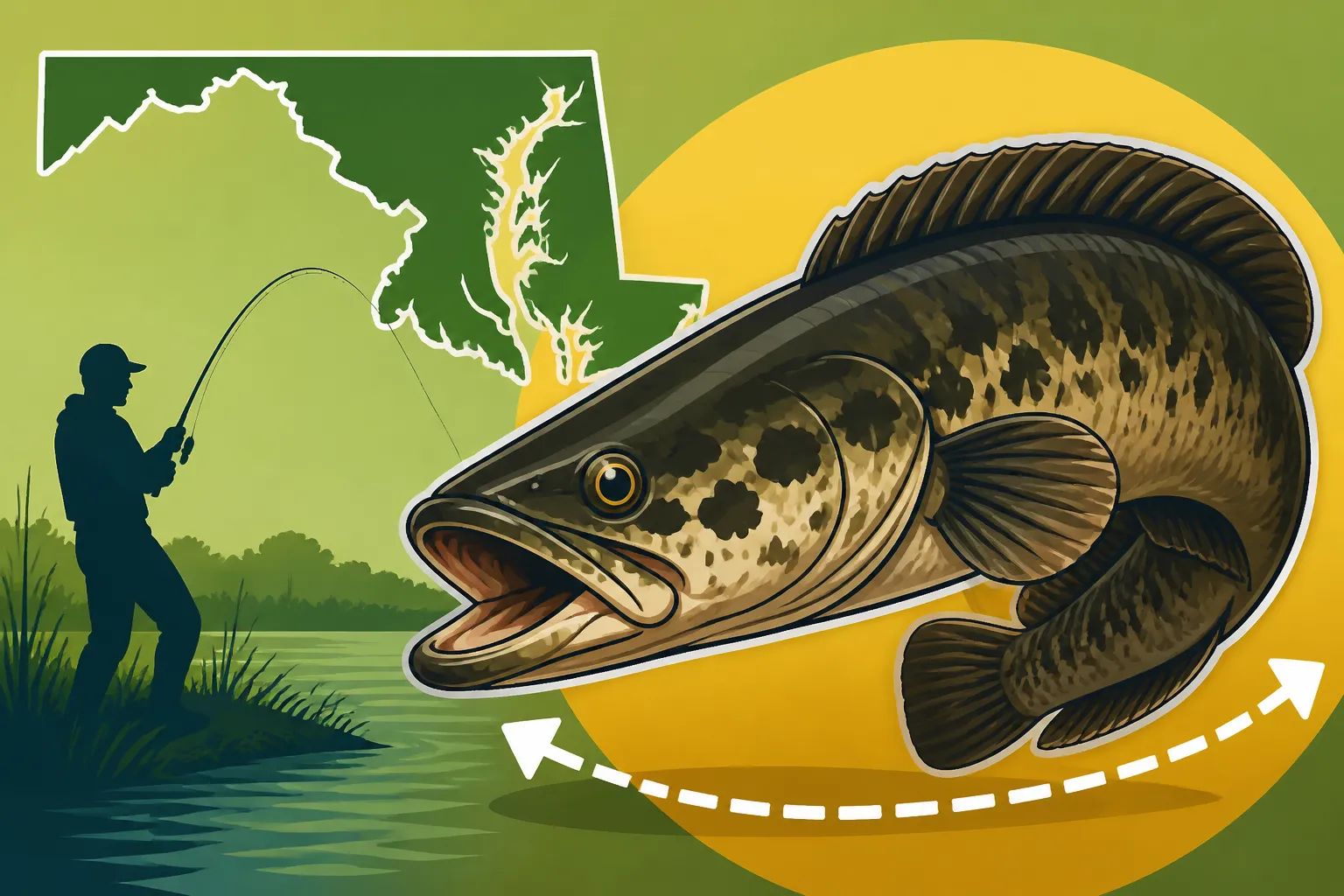
One of the most common questions I hear from fellow anglers, especially as the popularity of targeting this apex predator grows, is "Just how big do these snakeheads get in Maryland?" It's a natural curiosity, often sparked by a monster tale at the local tackle shop or a photo on social media. Many of us are out there trying to catch them, not just because they're an invasive species we're encouraged to harvest, but because they're formidable fighters that can truly test your gear and skill. This guide will dive deep into the typical sizes you can expect, what influences their growth, the quest for a trophy, and why understanding their size truly matters to us Maryland anglers.
Understanding Northern Snakehead Growth in Maryland Waters
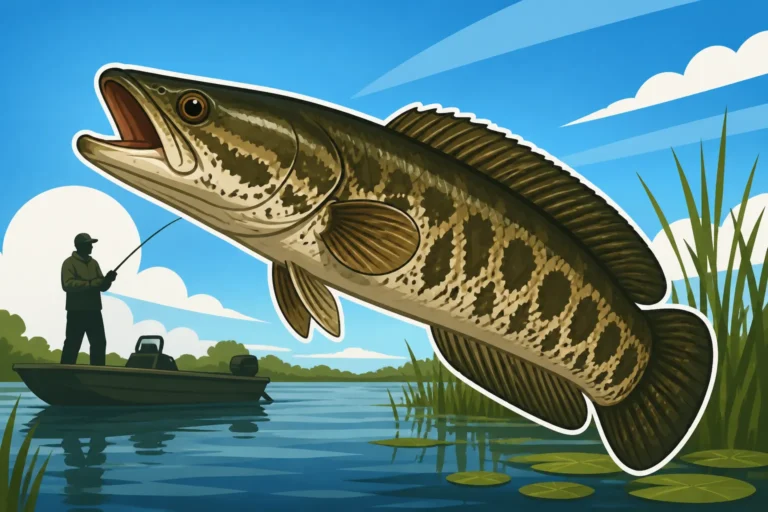
The Northern Snakehead ( Channa argus) has firmly established itself in Maryland's diverse waterways, particularly in the tidal freshwaters of the Chesapeake Bay tributaries and the lower Potomac River. When they first appeared, many thought they wouldn't thrive, but these fish are incredibly adaptable. Their ability to survive in various conditions, from muddy backwaters to clearer rivers, contributes to their prolific growth and spread, leading to a wide range of sizes that anglers encounter.
Average Size Expectations for Maryland Snakehead
Most anglers targeting snakeheads in Maryland can expect to catch fish ranging from 18 to 26 inches in length. These are your bread-and-butter snakeheads, the ones that put up a fantastic fight and offer a decent fillet for the dinner table. Their weight typically falls between 2 to 5 pounds at this size. It's a satisfying catch, providing plenty of action on light to medium tackle. You'll often find these average-sized fish in dense cover, patiently waiting to ambush unsuspecting prey. They're strong, aggressive, and make for an exciting day on the water. While we're all encouraged to harvest these invasive fish, encountering one of this size still makes for a memorable battle. If you're wondering how to get started, there are many Techniques for Catching Snakehead in Maryland that can help you target these fish.
Of course, not every cast will yield a fish in this range. You'll inevitably catch smaller ones, sometimes barely a foot long, especially in areas with recent successful spawning. These smaller fish are just as important to remove from the ecosystem, even if they don't provide a big meal. Conversely, the thrill of hooking into something much larger is what keeps many of us coming back for more.
Factors Influencing Snakehead Size and Weight
Just like any other fish species, a variety of environmental factors play a significant role in how large a Northern Snakehead can grow. It's not just about age; a fish's environment is crucial.
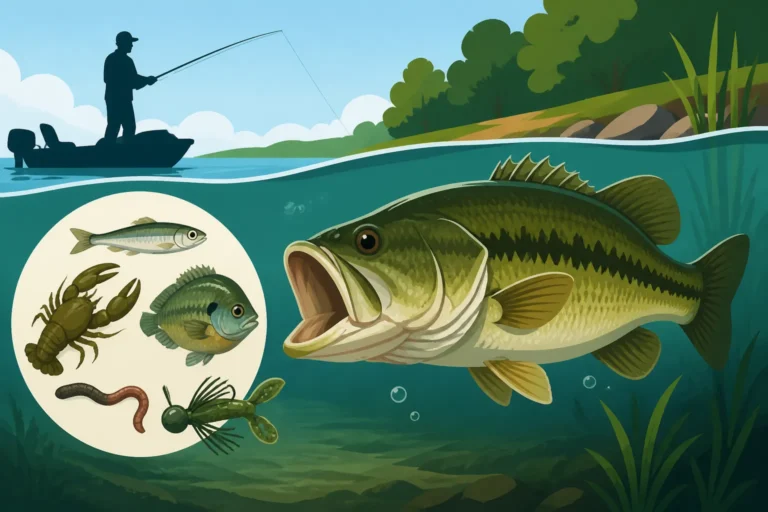
First and foremost is food availability. Snakeheads are voracious predators, and in Maryland's rich ecosystems, they have an abundant food supply. They'll eat just about anything they can catch, from minnows and juvenile sunfish to frogs, crayfish, and even small rodents or birds that fall into the water. Waters teeming with forage fish like gizzard shad or various panfish will naturally support larger, heavier snakeheads. A good analogy is how a garden plant thrives in fertile soil with plenty of nutrients; a snakehead thrives in waters with a rich buffet.
Water body size and health also contribute. Larger rivers and expansive tidal marshes, such as the Potomac River and its feeder creeks or parts of the Nanticoke, offer more territory, more diverse habitats, and typically a more stable food chain, allowing fish to grow larger and older without as much competition. In contrast, smaller, isolated ponds might see a quick boom in snakehead population, but eventually, limited resources could stunt growth. The overall health of the ecosystem, including water quality and oxygen levels, also plays a subtle but important role in a fish's ability to thrive and reach its full growth potential.
Lastly, genetics and age are foundational. Some individual fish are simply predisposed to grow larger and faster due to their genetic makeup. And, of course, a snakehead needs time to grow. While they grow remarkably fast in their early years, the truly massive ones have had several seasons to pack on the pounds. This is why you often hear about the pursuit of these older, larger fish, and understanding their typical habitats can give you an edge. Many anglers look for Where Snakehead Feed in Shallow Maryland Water to target these larger, more established fish.
Maryland's State Record and Notable Catches
Every angler dreams of catching "the big one," and when it comes to Northern Snakeheads in Maryland, that dream often revolves around breaking the state record or simply landing a true monster. The excitement surrounding these fish, partly due to their invasive status and partly due to their impressive fight, has turned many into dedicated snakehead hunters.
The Allure of a Trophy Snakehead
There's a special kind of thrill that comes with pursuing a trophy fish, and a snakehead certainly fits the bill. A "trophy" snakehead in Maryland is generally considered anything pushing or exceeding 10 pounds, often measuring over 30 inches. These are the fish that dominate photos and ignite passionate discussions. They demand heavier tackle, more strategic presentations, and often, a lot of patience. The fight from a snakehead of this size is nothing short of brutal; they are incredibly powerful, known for their head shakes, bulldogging runs, and surprising acrobatic leaps.
For many, catching a trophy snakehead isn't just about the size; it's about the challenge. It’s a testament to an angler's skill and persistence. Plus, there's the satisfaction of knowing you've removed a significant predator from the local ecosystem, a sentiment that adds another layer of purpose to the catch. Many anglers share tips and tricks on forums and at bait shops, discussing the best lures, like those for How to Catch Snakehead With Topwater Lures, or the optimal conditions, such as the Best Time of Day to Catch Snakehead in Maryland, to land these giants.
Documented Maximum Sizes in Maryland
While I can't give you exact numbers or specific dates due to my knowledge cutoff, Maryland has seen some truly enormous Northern Snakeheads landed. The state record has been broken multiple times over the years, a testament to how well these fish thrive here and how intensely anglers pursue them. Anglers routinely report catches of snakeheads in the high single digits or even double digits for pounds, and lengths easily exceeding 30 inches. These behemoths typically come from the most established snakehead fisheries, like certain sections of the Potomac River and its various creeks, or the expansive Blackwater Refuge area on the Eastern Shore.
When a particularly large snakehead is caught, it often makes local news and ignites a flurry of excitement within the fishing community. These fish are usually aged, and their impressive size often reflects years of successful predation and survival in prime habitats. If you think you've caught a potential state record, it's crucial to consult the Maryland Department of Natural Resources (DNR) guidelines immediately for proper weighing, measuring, and reporting procedures. They have specific requirements to ensure the integrity of official records. You'll want to be sure you're familiar with Maryland Rules for Keeping Snakehead Fish and What to Do If You Catch a Snakehead in Maryland before you even hit the water, especially if you're hoping for a record-breaker.
Here’s a general comparison of common versus trophy Northern Snakehead sizes in Maryland:
| Characteristic | Average Catch (Common) | Trophy Catch (Larger) | State Record Potential |
|---|---|---|---|
| Length Range | 18-26 inches | 27-33 inches | 34+ inches |
| Weight Range | 2-5 pounds | 6-10 pounds | 11+ pounds |
| Fight Intensity | Strong, spirited | Brutal, prolonged | Extreme, unforgettable |
| Habitat | Diverse, widespread | Prime, established | Elite, resource-rich |
Note: These ranges are illustrative based on common angler experiences and general observations within Maryland. Actual sizes can vary widely.
Why Size Matters for Maryland Anglers
For those of us who spend time on Maryland's waters, the size of a snakehead isn't just a number; it dictates our approach, our expectations, and even our dinner plans! The pursuit of these fish is multi-faceted, ranging from the sheer sport to the environmental benefit of their removal.
Recreational Angling and Trophy Hunting
When you're out on the water, whether it's a quiet creek off the Potomac or a bustling tidal flat, the potential size of the fish you're targeting significantly influences your fishing experience. For many, the bigger the fish, the better the fight, and the more rewarding the catch. Catching a large snakehead offers an incredible adrenaline rush. These fish are renowned for their aggressive strikes and powerful, determined struggles. A 10-pound snakehead will feel like a freight train on the end of your line, forcing you to use every bit of skill and strength you possess. This is why anglers invest in heavier rods, stronger lines, and specific lures designed to withstand the brutal power of a big snakehead.
The challenge of trophy hunting specifically for big snakeheads has gained immense popularity. It’s not just about catching a snakehead; it’s about catching the biggest snakehead you can. This often means carefully scouting locations known for producing larger fish, fishing at optimal times, and employing specific techniques. For example, some anglers swear by large topwater frogs or oversized swimbaits, hoping to entice only the most aggressive, territorial giants. You'll even find gear on sites like Amazon dedicated to the pursuit of these larger, more powerful fish. The ultimate goal, beyond the fight, is often that perfect photograph to commemorate the battle, and perhaps, inspire others.
Culinary Considerations and Fillet Yields
Beyond the sport, the culinary aspect of snakehead fishing is a huge motivator for many Maryland anglers, and size plays a direct role here. Since Northern Snakeheads are an invasive species, the Maryland Department of Natural Resources actively encourages anglers to harvest them, and they even prohibit releasing them alive back into the water. In fact, if you catch one, it's really important to know Why Snakehead Can't Be Released in Maryland and Is It Illegal to Release a Snakehead in Maryland? to avoid any penalties. They taste fantastic, often described as a firm, white, flaky fish similar to snapper or cod, without a "fishy" taste. This makes them a highly desirable table fare.
Naturally, a larger snakehead means more meat. A 2-3 pound fish might give you a couple of decent fillets, perfect for a single meal. But a 6-8 pound or even a 10+ pound fish can provide enough substantial, thick fillets to feed a family or share with friends. This increased yield makes the effort of catching and cleaning the fish even more worthwhile. Many anglers will specifically target larger fish with the intent of filling their coolers with prime fillets. There's a lot of information out there on Are Snakehead Good to Eat?, and most people agree that bigger means better for the dinner plate. Knowing that you're enjoying a delicious meal while also helping to manage an invasive population is a win-win situation for anglers and the ecosystem alike.
Identifying and Reporting Larger Snakehead Catches
As snakehead fishing continues to be a hot topic in Maryland, both for sport and conservation, accurate identification and reporting become increasingly important. Especially when you land a truly impressive specimen, knowing what to do next ensures your catch contributes to our collective understanding of these fish.
Distinguishing a Northern Snakehead from Similar Species
While many seasoned anglers can spot a Northern Snakehead a mile away, new anglers or those unfamiliar with the species might occasionally confuse it with other fish. This is particularly true for very young snakeheads or when visibility is poor. However, there are a few key characteristics that help set them apart.
Northern Snakeheads have a distinct, elongated, cylindrical body, somewhat resembling a bowfin or even an eel, but with a more robust head. Their most identifiable feature is the long dorsal fin that runs almost the entire length of their back, with no spines. They also have a very distinctive, snake-like pattern of blotches and spots, giving them excellent camouflage in vegetated waters. The head itself is unique, featuring large, sharp teeth in a broad mouth, and most notably, large, prominent scales that extend onto their head – something not seen on native species like the bowfin, which has a smooth, unscaled head. Learning How to Identify a Northern Snakehead in Maryland is crucial, not just for recreational purposes, but also for adhering to Maryland's specific regulations regarding this invasive species. Misidentifying and accidentally releasing one could lead to unintended consequences for our native fisheries.
Reporting Your Big Catch
Catching a truly large Northern Snakehead isn't just a personal triumph; it's also an opportunity to contribute valuable data to Maryland's fisheries management efforts. The Maryland Department of Natural Resources (DNR) relies on angler reports to track the spread, population density, and growth rates of invasive species like the snakehead. This information helps them understand the impact these fish are having and develop effective management strategies.
If you believe you've caught a potential state record, or even just a significantly large snakehead, the first step is to keep the fish whole and on ice. Do not clean or fillet it before it can be officially verified. You'll need to contact the Maryland DNR right away to arrange for an official weigh-in on a certified scale. They will typically have designated locations or personnel who can assist with this. Be prepared to provide details about where and when you caught the fish, as this data is incredibly useful for tracking purposes.
Even if your catch isn't a state record contender, sharing details with fellow anglers at local bait shops, on fishing forums, or through social media can help others understand what's out there and where to find them. Remember, the DNR encourages the harvest of these fish, so every big one removed is a step towards helping native species thrive. Plus, getting a fantastic photo with your giant snakehead and sharing its impressive size is a great way to celebrate your achievement! You'll also want to make sure you're up to speed on any fines, such as the Fine for Transporting a Live Snakehead in Maryland, if you're planning to take your catch anywhere for an official weigh-in.
Disclaimer
This article is for general informational purposes only and does not constitute professional advice. Laws, prices and regulations vary by location and change over time. Consult a qualified professional for guidance on your specific situation.