Maryland Blue Catfish, an Invasive Giant
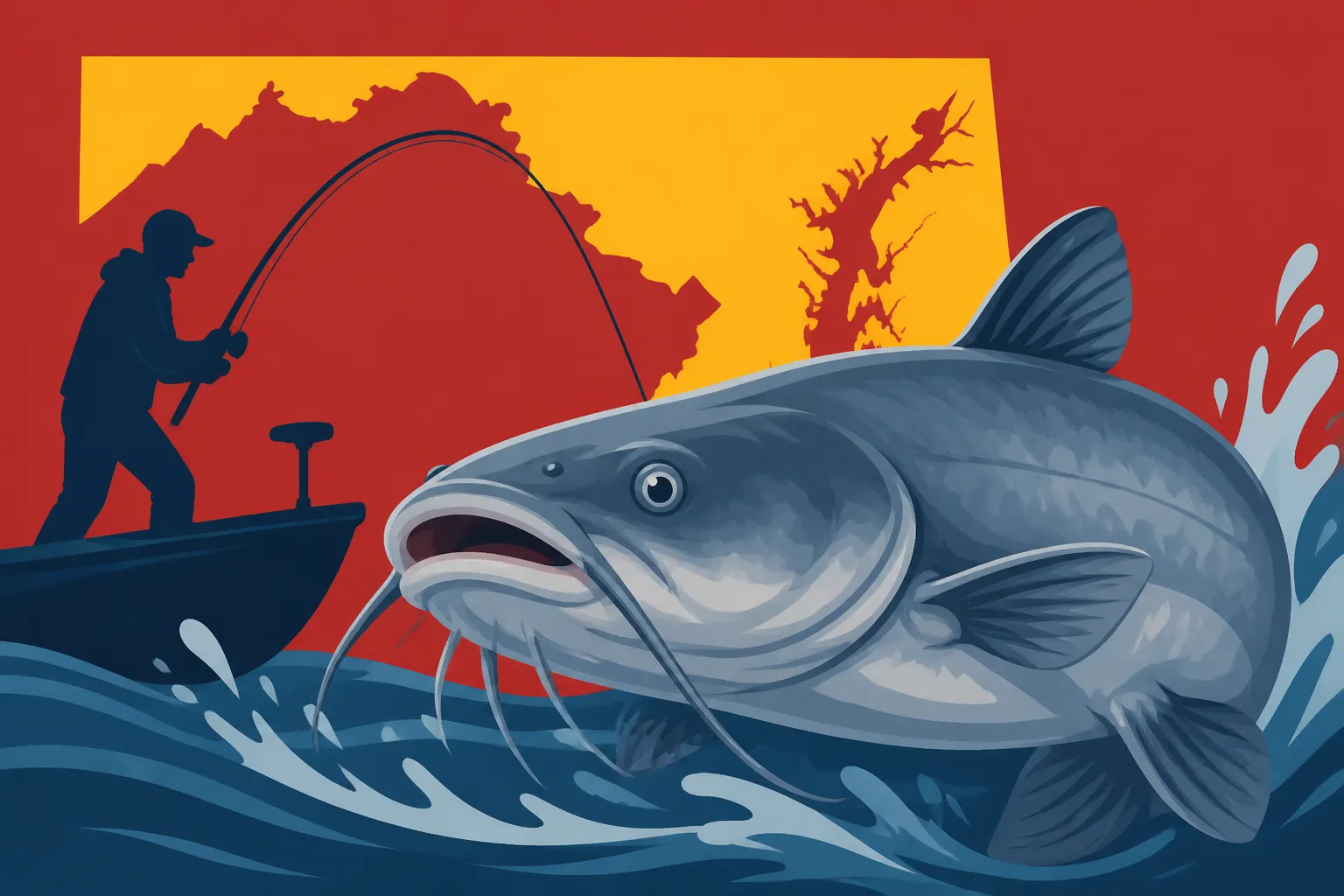
If you've spent any time fishing Maryland's beautiful rivers and the Chesapeake Bay lately, you've probably noticed a significant and often frustrating change: the explosion of blue catfish. These formidable, non-native fish have rapidly established themselves, presenting both a challenge to our native ecosystems and an exciting, if controversial, new target for anglers. This comprehensive guide will delve into everything you need to know about Maryland's blue catfish, from identifying them to understanding why they're such a hot topic.
Understanding the Blue Catfish Invasion in Maryland
The story of the blue catfish in Maryland is one of unintended consequences, a classic tale of a species introduced into a new environment with unforeseen impacts. For anglers, it means grappling with a fish that is incredibly strong, often abundant, and subject to unique regulations designed to mitigate its spread.
Origin Story and Arrival in Maryland Waters
The blue catfish, Ictalurus furcatus, isn't originally from Maryland. Its native range lies in the large rivers of the central and southern United States, including the Mississippi, Missouri, and Ohio River basins. So, how did this "invasive giant" end up thriving in our local waters? The answer traces back to the 1970s and 80s when blue catfish were intentionally stocked in Virginia rivers, primarily the James and Rappahannock, as a new recreational fishing opportunity. They were seen as a hardy sport fish that could adapt to a variety of conditions.
However, no one fully anticipated their incredible adaptability, fecundity, and tolerance for brackish water. Within a few decades, these fish had not only flourished in their new Virginia homes but had also begun to spread, making their way downstream, through the lower Chesapeake Bay, and into Maryland's river systems. The spread was rapid and dramatic, with populations exploding in rivers like the Potomac, Patuxent, and Choptank, eventually reaching virtually every major tributary of the Bay. It's a prime example of how even well-intentioned introductions can have far-reaching ecological consequences, creating a situation that is complex for fisheries managers and anglers alike.
The "Invasive Giant" Label: Why It Matters
When we talk about blue catfish as an "invasive giant," it's not just a colorful description; it's a critical designation that highlights the significant threat they pose. "Invasive" means they are not native to the ecosystem and cause harm, and "giant" refers to their impressive size and voracious appetite. These fish can grow incredibly large in Maryland waters, often exceeding 50 pounds, with the potential for much bigger specimens. How Big Do Blue Catfish Get in Maryland Rivers? provides some impressive figures for just how large these fish can become. Their sheer size, combined with their numbers, means they consume a tremendous amount of food.
This isn't just about them being big, though. It's about how their presence disrupts the delicate balance of an ecosystem that evolved without them. They compete with native species for food and habitat, and perhaps most critically, they prey on a wide array of native fish and shellfish, including commercially and recreationally important species. From a fishing perspective, while it's thrilling to reel in a massive blue cat, it's also a stark reminder of the underlying ecological issue that makes them an ongoing management concern.
Ecological Impact on Native Species
The ecological impact of blue catfish on Maryland's native species is a primary concern for environmentalists and fisheries managers. These fish are opportunistic feeders, meaning they will eat almost anything they can fit into their mouths. Their diet includes other fish, such as white perch, yellow perch, river herring, and even juvenile striped bass. They also consume blue crabs, a cornerstone of the Chesapeake Bay's ecosystem and economy, as well as clams and other invertebrates. This broad diet puts them in direct competition with, and predation pressure on, a wide range of native species.
Imagine a river system where native predators have evolved alongside their prey over millennia, creating a relatively stable food web. Now, introduce a highly efficient, fast-growing predator like the blue catfish, which has no natural checks and balances in this new environment. The result is a cascade of effects that can alter the entire food web. Native populations that aren't accustomed to such intense predation can suffer, potentially leading to declines in species that are vital to the health and biodiversity of the Bay and its tributaries. It’s why Maryland DNR actively encourages anglers to harvest as many blue catfish as possible, recognizing that every fish removed helps reduce the pressure on native populations. Why Maryland Wants Anglers to Kill Invasive Fish is a fantastic resource that explains this further.
Identifying Maryland Blue Catfish
For anglers, knowing your target species is crucial, especially when dealing with regulations that might differ between similar-looking fish. Maryland waters are home to several catfish species, and while they share some general characteristics, distinguishing a blue catfish from its cousins is fairly straightforward once you know what to look for.
Key Physical Characteristics
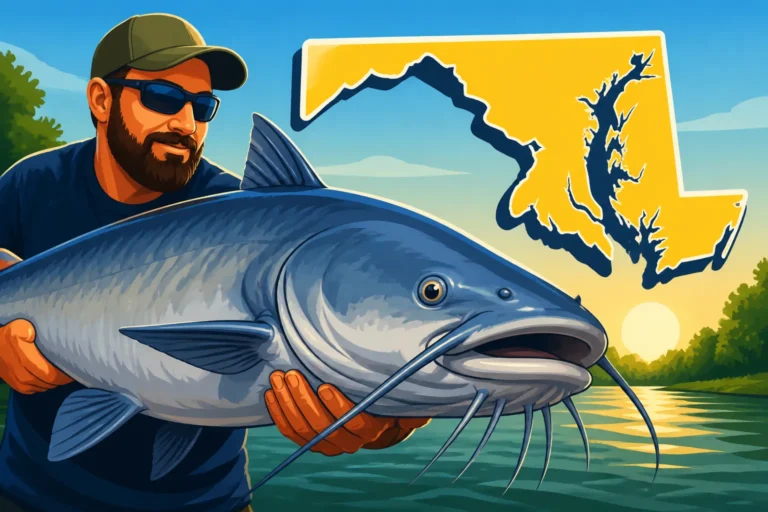
Blue catfish have several distinctive features that help set them apart. First and foremost, look at their coloring. They typically have a silvery-blue to slate-gray body, fading to a white belly. This "blue" hue is where they get their name. Their body is generally sleek and elongated, more streamlined than some other catfish species. One of the most critical identifying features is their deeply forked tail, which is significantly more pronounced and symmetrical than the slightly notched or rounded tails of other common catfish.
Another important characteristic is the number of rays in their anal fin. Blue catfish typically have a long anal fin with 30-35 rays, giving it a somewhat straight or slightly concave edge. This is a subtle but reliable identifier if you can get a good look. They also possess eight barbels around their mouth, which are sensory whiskers used to locate food in murky waters. Pay close attention to these details when you pull a catfish from the water, as proper identification is important, especially given the regulations surrounding invasive species.
Distinguishing from Channel Catfish and White Catfish
It's easy to confuse blue catfish with other common species like channel catfish and white catfish, especially when they're smaller. However, there are clear distinctions. Channel catfish, Ictalurus punctatus, are generally lighter in color, often olive-brown to grayish, and frequently have distinct black spots on their body, though these spots can fade in older or larger fish. Their tail is also forked, but not as deeply or symmetrically as the blue catfish. Furthermore, channel catfish have a shorter anal fin with fewer rays, typically 24-29, and its edge is usually more rounded than the blue cat's.
White catfish, Ameiurus catus, are perhaps the easiest to distinguish. They are typically lighter in color, often a mottled gray or greenish-gray, and notably have a non-forked, slightly rounded tail. Their anal fin is also much shorter and more rounded, with 19-24 rays. They rarely grow as large as blues or channels. Knowing these differences is particularly important because while blue catfish have no possession limit and are encouraged for harvest, other catfish species might fall under different recreational fishing rules. This table summarizes the key differences:
| Feature | Blue Catfish | Channel Catfish | White Catfish |
|---|---|---|---|
| Color | Silvery-blue to slate-gray, white belly | Olive-brown to grayish, often spotted | Mottled gray/greenish-gray |
| Tail | Deeply forked, symmetrical | Forked, but less deep/symmetrical | Non-forked, slightly rounded |
| Anal Fin Rays | 30-35 (long, straight/concave edge) | 24-29 (shorter, rounded edge) | 19-24 (short, very rounded edge) |
| Head | Large, slightly wider at top | More conical, narrower | Broad and flat |
| Size Potential | Very large (50+ lbs common) | Moderate (up to 20-30 lbs) | Smaller (rarely over 10 lbs) |
For a more detailed comparison, you might check out articles like Difference Between a Blue Catfish and a White Catfish. Understanding these visual cues ensures you're correctly identifying your catch and adhering to all relevant regulations.
Size and Growth Potential in Maryland Rivers
The "giant" in "invasive giant" is no exaggeration when it comes to blue catfish in Maryland. These fish grow to truly impressive sizes, often dwarfing other freshwater species. In the nutrient-rich waters of the Chesapeake Bay tributaries, with an abundance of food and a lack of natural predators, blue catfish grow rapidly and can attain weights rarely seen in their native ranges. It’s not uncommon for anglers to land blue catfish weighing 20, 30, or even 50 pounds in Maryland rivers. The state record Maryland's Largest Blue Catfish Ever Caught truly showcases their growth potential.
This substantial size isn't just for bragging rights; it's a testament to their dominance in the ecosystem. Larger fish consume more, reproduce more effectively, and are harder for other predators to tackle, reinforcing their invasive status. When you're out fishing and hook into one of these beasts, you'll quickly understand the power and sheer size that makes them such a formidable presence in Maryland's waterways. They offer an incredible fight, and for many anglers, the challenge of landing a trophy-sized blue cat is a huge draw, even while acknowledging their problematic status.
Where to Find Blue Catfish in Maryland Waters
One of the most remarkable, and concerning, aspects of blue catfish is their widespread distribution across Maryland. They've found a way to thrive in diverse habitats, but some areas are undeniably hotspots for targeting these prolific eaters.
Major Rivers and Tributaries
If you're looking to catch blue catfish in Maryland, your best bet is to focus on the major tidal rivers that feed into the Chesapeake Bay. The Potomac River is arguably the epicenter of the blue catfish population in Maryland, with incredible numbers and sizes found throughout its tidal reaches, particularly below Washington D.C. Anglers frequently target them from Fort Washington to Point Lookout, and well up into the freshwater sections. The Patuxent River is another stronghold, offering excellent opportunities for both boat and shore anglers. The Choptank River on the Eastern Shore is also teeming with blue catfish, with reports of massive catches becoming increasingly common.
Other significant rivers with strong blue catfish populations include the Nanticoke, Wicomico (both Eastern and Western Shore), Chester, and Susquehanna. They've also been reported in virtually every other tidal tributary of the Chesapeake Bay. Essentially, if a river flows into the Bay and has a tidal component, chances are it holds blue catfish, often in staggering numbers. This widespread presence makes them accessible to a vast number of anglers, no matter where they are in Maryland. Targeting them specifically often involves finding deeper holes and channels within these river systems, which act as natural holding areas for these bottom-dwelling fish. You can find more specific locations in guides like Fishing the Potomac for Blue Catfish.
Preferred Habitats: Deep Holes, Structure, and Tidal Flats
Blue catfish are bottom dwellers by nature, and they tend to congregate in certain types of habitats. During the day, especially in brighter conditions or colder water, you'll often find them in the deepest parts of rivers: channels, bends, and holes. These areas provide them with cover and comfortable water temperatures. They also love structure—anything that breaks up the current or provides ambush points. This could include submerged logs, rock piles, bridge pilings (like those under the Chesapeake Bay Bridge), and even old docks or sunken boats. These structures offer places for them to hide and wait for unsuspecting prey to drift by.
As the sun sets and into the night, blue catfish often move out of the deepest channels and onto shallower tidal flats and humps to feed. These areas, particularly those with a bit of current, can be incredibly productive during evening and nighttime hours. When fishing from shore or pier, look for deeper water access points, like public piers that extend into a channel, or areas near bridge abutments. From a boat, using a fish finder to locate channel edges, humps, and submerged structure will significantly increase your chances of finding a honey hole filled with hungry blue cats.
Seasonal Movements and Concentrations
While blue catfish are present year-round in Maryland waters, their concentrations and movements can vary with the seasons, impacting where and how you might target them. In the colder months of late fall and winter, blue catfish tend to congregate in deep holes and slow-moving channels. This is when some of the largest fish are caught, as they stack up in these thermal refuges. Anglers often find success by anchoring directly over these deep spots and presenting bait right on the bottom.
As spring arrives and water temperatures begin to rise, blue catfish become more active and start to spread out, moving into shallower areas to feed more aggressively. They’ll follow baitfish into shallower flats and channel edges. Summer sees them widely dispersed, though they might retreat to deeper, cooler water during the hottest parts of the day. Fall is another excellent time, as they feed heavily in preparation for winter, often becoming very active in a variety of depths. Understanding these seasonal patterns can help you adjust your fishing strategy and improve your chances of success, ensuring you're fishing where the fish are most likely to be.
Effective Techniques for Catching Blue Catfish in Maryland
Catching blue catfish in Maryland is not particularly complicated, but having the right gear and strategy can make a huge difference, especially when you hook into one of the truly massive ones. They are powerful fighters, and inadequate tackle will often lead to heartbreak.
Heavy Tackle and Rigging for Big Fish
When it comes to blue catfish, don't skimp on your gear. These fish are strong, and if you're targeting the bigger specimens, you'll need tackle that can stand up to the challenge. A medium-heavy to heavy action rod, usually 7 to 10 feet long, paired with a robust baitcasting or spinning reel spooled with 30-80 pound test braided line is a good starting point. Braided line offers excellent sensitivity and strength for its diameter, which is a huge advantage when fishing deep water or heavy current. For leader material, 50-100 pound monofilament or fluorocarbon is recommended to withstand their abrasive mouths and prevent bite-offs.
A common and highly effective rig is a Carolina rig or a three-way swivel rig, designed to keep your bait on the bottom where blue cats feed. For a Carolina rig, slide an egg sinker (1-8 ounces, depending on current and depth) onto your main line, followed by a bead to protect the knot, and then tie on a barrel swivel. To the other end of the swivel, attach a leader (18-36 inches long) and a strong circle hook. Circle hooks are paramount for catfish as they typically hook the fish in the corner of the mouth, reducing gut hooking and making release easier (though for blue cats, release is often not the goal). Size 5/0 to 10/0 circle hooks are appropriate for most blue catfish. You can find robust fishing gear, from rods to hooks, on platforms like Amazon. Having the right tools means you're prepared for the fight of a lifetime when a big blue cat decides to take your bait.
Best Baits: Cut Bait, Scent, and Live Options
Blue catfish are primarily scavengers and opportunistic predators, making cut bait one of the most effective options. Freshly cut chunks of oily fish like gizzard shad, menhaden (bunker), white perch, or even bluegill are irresistible to them. The oil and blood trail attract catfish from a distance, drawing them to your offering. Cut bait should be fresh, as stale bait is significantly less effective. Some anglers swear by slightly "aged" cut bait, but typically, fresher is better.
Beyond cut bait, chicken livers are a classic catfish bait, known for their strong scent, though they can be messy to work with and prone to falling off the hook. Prepared "stink baits" are also available, often in paste or dip form, designed specifically to attract catfish with their potent odors. While blue cats will hit live bait, such as small panfish or minnows, cut bait often outperforms live bait due to the continuous scent dispersion. Experimenting with different baits can be key to finding what the fish prefer on any given day, but cut bait is almost always a winner. Ensuring your bait stays on the hook effectively, especially with the current, is crucial, so consider how you're threading or securing it.
Bottom Fishing and Drifting Strategies
Most blue catfish fishing in Maryland involves presenting bait on or near the bottom, where these fish spend the majority of their time. If you're fishing from a boat, anchoring over a known deep hole, channel edge, or submerged structure is a classic approach. Once anchored, cast several lines around the boat, allowing your baits to settle on the bottom. Spread your offerings to cover different depths or areas of the structure. Patience is key, as blue cats often take their time finding the bait, but once they do, the bites can be aggressive.
Another highly effective technique, particularly in areas with a good current, is drifting. This involves slowly moving with the current, allowing your baits to cover more ground and potentially cross paths with more fish. Using a heavier sinker to ensure your bait stays near the bottom while drifting is crucial. This method is particularly productive in wide-open river sections where fish might be spread out. When drifting, hold your rod and pay close attention, as the bites can sometimes be subtle nudges before a full-on drag-screaming run. Whether anchored or drifting, always keep an eye on your rod tips for the tell-tale tap-tap-pull of a hungry blue cat.
Regulations and Rules for Blue Catfish in Maryland
When you're dealing with an invasive species, the regulations aren't just about managing a fishery; they're about managing an ecological problem. Maryland has very specific rules regarding blue catfish, and understanding them is not only important for legal compliance but also for contributing to the health of our waterways.
Possession Limits and "Kill-on-Site" Mandates
This is where blue catfish regulations significantly diverge from native species. For blue catfish in Maryland, there is currently no possession limit, no size limit, and no closed season. You can literally catch as many as you want, of any size, at any time of year. This isn't because they're an endless resource to be exploited without thought; it's quite the opposite. Maryland DNR actively encourages anglers to harvest every blue catfish they catch. This is often referred to as a "kill-on-site" mandate, meaning if you catch one, you are expected to keep it and remove it from the ecosystem.
The rationale behind this aggressive stance is simple: every blue catfish removed is one less predator consuming native fish and crabs, and one less fish contributing to the invasive population. It's a call to arms for anglers to become part of the solution. While catch-and-release is a cherished ethic for many species, it's generally discouraged for blue catfish unless immediate release back into the exact same body of water for safety reasons (like a snagged fish) is necessary. The goal is to reduce their numbers, and keeping your catch is the most direct way to help. For more details on this, see Maryland Blue Catfish Possession Rules.
Why Releasing Blue Catfish is Discouraged
Given the severity of the blue catfish invasion and its impact on native species, releasing a healthy blue catfish after capture is generally discouraged by Maryland fisheries managers. The primary reason is that releasing them allows them to continue preying on vulnerable native populations and to continue reproducing, thus exacerbating the ecological problem. Every blue catfish, regardless of size, contributes to the imbalance in the ecosystem, eating blue crabs, white perch, and juvenile striped bass, among others.
While some anglers might prefer the sporting aspect of catch-and-release, the long-term health of Maryland's aquatic environments takes precedence here. By removing blue catfish, anglers play a vital role in population control, acting as an additional layer of predation on a species that otherwise has few natural checks in its new environment. It's a direct way for recreational anglers to contribute to conservation efforts, turning a fishing trip into an active step towards ecological restoration. Is It Legal to Release a Blue Catfish in Maryland? delves into the specifics of this regulation and the reasoning behind it.
Transporting Live Blue Catfish: What's Allowed and What's Not
Another critical regulation unique to invasive species like the blue catfish concerns their transportation, especially when alive. In Maryland, it is illegal to transport live blue catfish away from the waterbody where they were caught. This regulation is designed to prevent anglers or others from accidentally or intentionally introducing blue catfish into new, uninfected water systems. Imagine catching a blue cat, taking it home alive in a cooler, and then deciding to release it into a pond or river near your house that currently doesn't have a blue catfish problem. That single act could start a new invasion front, undoing years of management efforts.
Therefore, if you intend to keep your catch, it must be killed before leaving the immediate vicinity of the waterbody. This might mean bleeding the fish out, icing it down, or dispatching it in some other humane way right at the boat ramp or shoreline. The only exception generally applies to commercial fishermen who have specific permits for transport. For recreational anglers, the rule is clear: if you take it, you kill it, and then you take it home to eat. Adhering to these rules is crucial for preventing further spread of this challenging species and protecting other Maryland fisheries. For more information on this, consult Maryland Rules on Transporting Live Blue Catfish.
The Culinary Side of Blue Catfish: Eating Your Catch
One of the silver linings of the blue catfish invasion is that they are, in fact, incredibly delicious! This makes the "kill-on-site" mandate a lot more palatable for many anglers. Not only are you helping the environment, but you're also bringing home some fantastic table fare.
Taste and Texture: Why They're Popular
Blue catfish, particularly those from cleaner, cooler waters, boast a mild, sweet flavor and a firm, flaky, white flesh. Many compare their taste and texture favorably to other popular white fish, and some even prefer it over other catfish species. Unlike some bottom feeders that can have a "muddy" taste, blue catfish from brackish or moving waters rarely suffer from this. Their diet, often consisting of fresh baitfish, contributes to their clean flavor profile.
The fillets are thick and meaty, holding up well to various cooking methods without falling apart. This makes them versatile in the kitchen, suitable for everything from frying to grilling. For anglers who love to eat what they catch, blue catfish provide an abundant and high-quality source of protein. It's a genuine win-win: you help manage an invasive species and get to enjoy a delicious meal. This culinary appeal is a significant driver for recreational harvest and forms a crucial part of the overall management strategy for the species. Many anglers find that once they've tasted fresh Maryland blue catfish, they're hooked! Are Blue Catfish Good to Eat From Maryland Rivers? expands on this tasty topic.
Cleaning and Filleting Tips
Cleaning and filleting a blue catfish, especially a large one, can seem daunting at first, but with the right technique and tools, it's quite manageable. First, ensure you have a sharp fillet knife. Investing in a good quality fillet knife, perhaps one you picked up from Amazon, makes quick work of preparing your catch. A sturdy cutting board is also essential. For larger fish, a pair of fish skinning pliers can be very helpful for removing the tough skin.
The most common method is to skin the fish first. Make a cut behind the head down to the backbone, then a cut along the top of the backbone to the tail. Using pliers, grasp the skin at the head end and peel it off the body, working towards the tail. Once skinned, you can fillet the fish as you would any other. Make a cut along the backbone from head to tail, then carefully separate the fillet from the rib cage. For large fish, you might even get several sizable pieces from each side. Removing the red lateral line meat can further enhance the mild flavor. After filleting, rinse the meat in cold water, pat it dry, and it's ready for cooking or freezing.
Cooking Methods and Recipes
The versatility of blue catfish fillets means there are countless ways to prepare them. Here are a few popular methods:
- Frying: This is a classic for catfish. Dip fillets in an egg wash, then dredge them in a seasoned cornmeal or flour mixture. Fry in hot oil until golden brown and flaky. The firm flesh holds up beautifully to frying, creating a crispy exterior and tender interior. Serve with hushpuppies, coleslaw, and tartar sauce for a true Southern-style meal.
- Grilling: Marinate the fillets in a lemon-herb mixture or a simple salt and pepper seasoning, then grill over medium-high heat. The meaty texture prevents them from falling apart on the grates. Grilling imparts a delicious smoky flavor, perfect for a summer barbecue.
- Baking/Broiling: For a lighter option, season fillets with your favorite spices, a pat of butter, and a squeeze of lemon juice, then bake or broil until cooked through. This method keeps the fish moist and highlights its natural mild flavor.
- Catfish Tacos: Flake cooked catfish (fried, grilled, or baked) into tortillas and top with shredded cabbage, salsa, and a creamy sauce for a fresh and flavorful meal.
Blue catfish also excel in stews, gumbos, and even blackened preparations. Don't be afraid to experiment! Because they are so abundant, it's a great opportunity to try out new recipes and feed a crowd. Remember, every delicious meal you make from a blue catfish is a small victory for Maryland's native aquatic inhabitants.
The Future of Blue Catfish in Maryland
The presence of blue catfish in Maryland is a complex, ongoing challenge. It's not a problem with a simple fix, but rather one that requires sustained effort from fisheries managers, commercial operations, and, crucially, recreational anglers.
DNR Initiatives and Management Strategies
Maryland Department of Natural Resources (DNR) recognizes the serious threat posed by blue catfish and has implemented several strategies to manage their populations and mitigate their impact. These initiatives include robust monitoring programs to track their spread and abundance, providing valuable data on population dynamics. They also actively encourage and facilitate commercial harvest, working with watermen to create markets for blue catfish, which helps to remove significant numbers of fish from the ecosystem. Efforts are also underway to educate the public about the issue, explaining why blue catfish are considered invasive and how anglers can help.
Furthermore, DNR works closely with neighboring states, particularly Virginia, since the Chesapeake Bay is a shared resource and blue catfish don't respect state lines. Collaborative research and management efforts are essential for tackling a problem of this scale. While it's clear that complete eradication is not a realistic goal given the widespread establishment of blue catfish, the aim is to control their populations, slow their spread, and reduce their ecological impact on native species. These efforts are continuous and require adaptation as new information becomes available.
The Role of Anglers in Population Control
Recreational anglers play an incredibly vital role in the management strategy for blue catfish in Maryland. Unlike many native species where conservation often means catch-and-release, for blue catfish, conservation means catch-and-keep. Every blue catfish an angler successfully harvests and removes from the water is a direct contribution to controlling this invasive population. This is why the "no possession limit" rule is so important; it empowers anglers to become active participants in the solution without worrying about breaking regulations.
Anglers can further contribute by educating themselves and others about the issue. Sharing information about the ecological impact of blue catfish and the importance of harvesting them helps spread awareness and encourages more people to get involved. Fishing for blue catfish offers a unique opportunity to combine recreation with conservation, making every trip a chance to make a positive impact on the health of Maryland's waterways. It's a chance to turn a frustrating ecological problem into a fulfilling fishing experience with a purpose.
Challenges and Hopes for the Ecosystem
The challenges presented by blue catfish are considerable. Their incredible reproductive capacity, rapid growth, and adaptability mean that even with aggressive harvest efforts, controlling their populations is an uphill battle. The sheer vastness of the Chesapeake Bay and its tributaries makes comprehensive management incredibly difficult. Furthermore, funding for research and management can always be a limiting factor. The long-term impact on commercially important species like blue crabs and striped bass, as well as on crucial forage species, remains a significant concern.
Despite these challenges, there is hope. The fact that blue catfish are such excellent table fare creates a strong incentive for both recreational and commercial harvest. Continuous monitoring and research will help refine management strategies over time. The dedication of Maryland anglers and watermen, combined with the efforts of DNR and partner agencies, is a powerful force. While blue catfish will likely remain a permanent fixture in Maryland's aquatic landscape, sustained and collaborative efforts can help to mitigate their impact, protect native species, and ensure that the Chesapeake Bay ecosystem remains vibrant and healthy for generations to come.
Disclaimer
This article is for general informational purposes only and does not constitute professional advice. Laws, prices and regulations vary by location and change over time. Consult a qualified professional for guidance on your specific situation.