Fishing the Middle Patuxent’s No-Possession Season
It can be incredibly confusing to plan a fishing trip to a specific river, only to find out there are special rules in place that dictate what you can and cannot keep. The Middle Patuxent River is one such spot in Maryland that often has anglers scratching their heads, especially when they encounter the term "no-possession season." This guide is here to untangle those regulations, explain why they exist, and help you enjoy a successful and compliant fishing experience.
Decoding the Middle Patuxent's No-Possession Season
When you hear "no-possession season" on the Middle Patuxent, it's not just a fancy term; it's a critical conservation measure that shapes how you fish. Understanding this rule is the first step to becoming a responsible and effective angler in these beautiful waters. It's easy to feel frustrated when rules change or seem overly complicated, but these specific regulations are put in place for very good reasons, primarily to protect and enhance the fish populations.
What "No-Possession" Truly Means
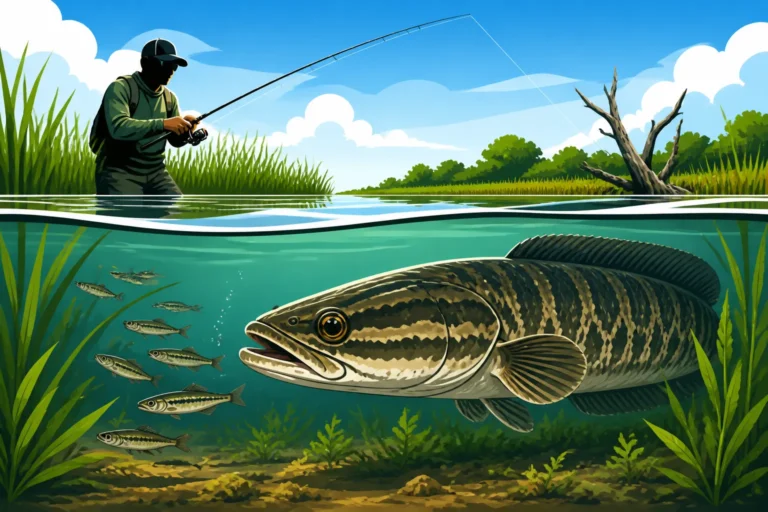
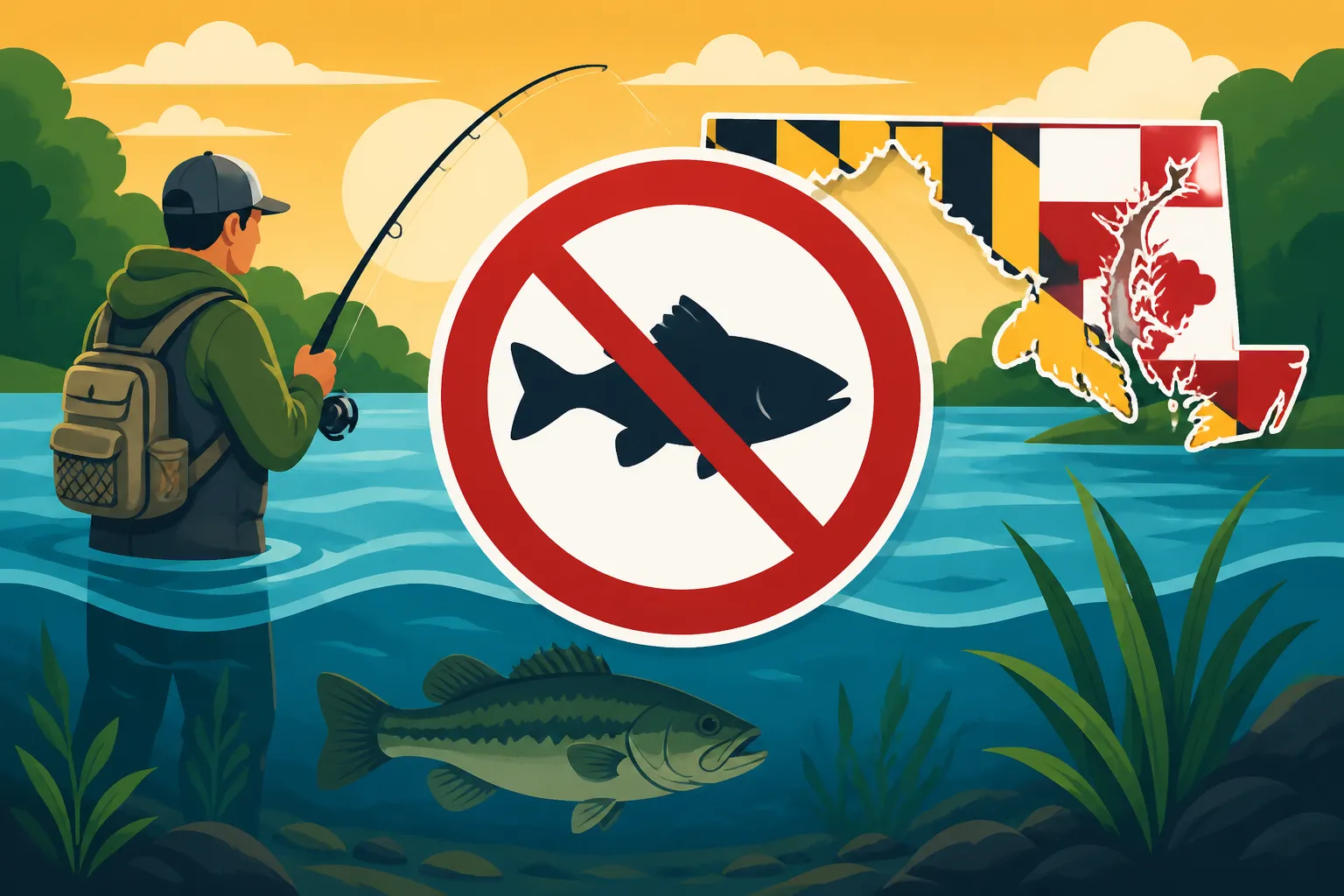
At its core, a "no-possession season" means that any fish you catch during that designated period must be immediately released back into the water, unharmed. You cannot keep them, even if they meet typical size and creel limits that might apply during other times of the year or in different locations. It's strictly catch-and-release. Imagine hooking into a beautiful fish, taking a moment to admire it, and then gently returning it to its home. That's the spirit of no-possession. It's a testament to the idea that some fishing experiences are about the thrill of the catch and the connection to nature, rather than the harvest. This might seem counterintuitive if you're used to bringing home dinner, but it's a vital part of sustainable fisheries management.
This isn't about anglers being restricted for no reason; it's about giving certain fish populations the best chance to thrive, particularly during vulnerable periods like spawning. The goal is to ensure there are plenty of fish for everyone to enjoy for years to come. It also means you need to be extra mindful of your techniques and handling, as the life of the fish you catch literally depends on your care.
Understanding the Season's Timing and Species Focus
The Middle Patuxent River's no-possession season typically targets specific fish species, and the timing is meticulously chosen to coincide with critical life stages, such as spawning. For many rivers like the Patuxent, these special regulations often apply to trout or smallmouth bass, especially in sections managed for their natural reproduction or where they are stocked and need protection. For instance, sections of streams managed as "Delayed Harvest Trout Streams" will often have a no-possession rule for trout for a good portion of the year, only allowing harvest during specific windows. You'll need to consult the most current Maryland DNR fishing regulations to confirm the exact dates and species.
These regulations are rarely static and can change based on scientific assessments of fish health and population numbers. Sometimes, a no-possession rule might be implemented for an entire stretch of the river, covering all gamefish, while at other times, it might apply only to one or two species. It's common to see these rules in effect during the spring and fall, critical times for many fish. For those who enjoy Maryland Trout Species Guide, these special seasons are very familiar.
The Difference from Standard Maryland Regulations
Maryland's fishing regulations are a rich tapestry, varying significantly depending on the body of water, the time of year, and the species you're targeting. The Middle Patuxent's no-possession season stands out because it overrides the typical size and creel limits you might expect. For example, in many parts of Maryland, you might be allowed to keep a certain number of Largemouth Bass Fishing in Maryland of a specific size. However, if the Middle Patuxent is under a no-possession rule for bass, those general rules don't apply, and all bass must be released.
This can be a point of confusion for anglers who are used to simply checking the general state regulations. It underscores the importance of looking specifically at the rules for the particular body of water you intend to fish. A general Maryland Fishing License Guide for 2026 is a must-have, but you also need to delve into the specific sections regarding rivers like the Patuxent. If you’re wondering if Is a Maryland Fishing License Required for Catch and Release?, the answer is almost always yes, even during a no-possession season, unless you're fishing on designated free fishing days or are under age requirements.
The Heart of the Matter: Why These Rules Exist
It's easy to just follow the rules, but understanding the "why" behind them can transform your fishing experience from mere compliance to active stewardship. The special regulations on the Middle Patuxent, particularly the no-possession seasons, are born out of a deep understanding of ecological principles and the need to protect precious natural resources. These aren't arbitrary decrees; they are carefully crafted strategies to ensure the long-term health of the river and its inhabitants.
Protecting Spawning and Sensitive Populations
One of the primary reasons for a no-possession season is to protect fish during their most vulnerable periods, particularly during spawning. When fish are actively spawning, they are often concentrated, making them easier to catch. Allowing harvest during these times could decimate future generations. For example, many fish species migrate up smaller tributaries, like parts of the Middle Patuxent, to lay their eggs. If anglers were allowed to keep fish during this critical window, it could significantly impact the reproductive success of the entire population. This protection ensures that adult fish can successfully reproduce, guaranteeing a healthy population for the coming years.
Consider trout, for instance. If the Middle Patuxent is managed as a trout stream, protecting them during their spawning runs in the fall or during initial stocking periods in the spring is paramount. This allows the fish to establish themselves or complete their reproductive cycle without additional pressure. It's a way of giving nature a helping hand, recognizing that human activity, even recreational fishing, can have an impact if not managed thoughtfully.
Ensuring a Sustainable Fishery for the Future
Beyond specific spawning events, no-possession seasons often play a broader role in ensuring a sustainable fishery. These rules contribute to the overall health and population density of various species by allowing a larger number of fish to reach maturity and contribute to the gene pool. It's about building resilience in the fish populations. When more fish survive, they have more opportunities to reproduce, and the overall population tends to be more robust. This is especially important for species that might be facing environmental challenges or declining numbers.
By practicing catch and release, especially during designated no-possession times, anglers become crucial partners in conservation. It means that while you might not take dinner home that day, you are directly contributing to the likelihood that you, or future generations, will have incredible fishing opportunities in the Middle Patuxent. It's a long-term investment in the sport we all love. For a broader view on similar protective measures, you can look into Maryland Catch and Release Rules During Closed Seasons.
Ecological Balance in the Middle Patuxent
The Patuxent River, including its middle section, is a complex ecosystem. Every species plays a role in maintaining the delicate balance of the river's health. Special regulations, like no-possession seasons, are often part of a larger plan to manage the entire ecosystem, not just individual fish. For instance, allowing more gamefish to survive can help control populations of forage fish or invertebrates, impacting the entire food web. Conversely, protecting a keystone species during a vulnerable period can have ripple effects throughout the river's ecology.
These rules also indirectly encourage anglers to explore fishing for other species that might not be under such strict regulations, or simply to enjoy the act of fishing itself without the focus on harvest. This diversified approach to angling can reduce pressure on particular species, further contributing to ecological balance. Ultimately, these seasons reflect a commitment to preserving the natural integrity and biodiversity of the Middle Patuxent River for everyone, from the smallest insect to the largest fish.
Your Guide to Responsible Angling During No-Possession
Fishing during a no-possession season requires a shift in mindset and approach. It's not just about what you can't do, but what you can do to ensure a positive outcome for both you and the fish. The emphasis moves entirely to the experience of the catch and the safe return of your quarry. This means paying extra attention to your gear, your technique, and how you handle the fish once it's in hand.
Essential Gear for Effective Catch and Release
To truly practice responsible catch and release, your gear choice makes a big difference. First, consider barbless hooks, or at least pinching down the barbs on your regular hooks. Barbless hooks greatly reduce injury to the fish and make removal much quicker and easier. You can find simple tools for this on sites like Amazon, often combined with pliers. Secondly, a good quality net with a rubberized, knotless mesh is crucial. These nets protect the fish's delicate slime coat and fins much better than traditional knotted nets, which can strip scales and cause damage. Look for a net with a wide mouth to scoop fish easily and prevent them from thrashing.
Another invaluable tool is a pair of long-nosed pliers or forceps for hook removal. This allows you to quickly and efficiently remove the hook without having to put your hands inside the fish's gills or struggle excessively. If you're using lures with multiple treble hooks, consider replacing them with single hooks or at least pinching all barbs. This might seem like a small detail, but it drastically improves the fish's chances of survival. Carrying a measuring tape or a fish ruler can also be helpful for quick, accurate measurements before release, even if you're not keeping the fish.
Best Practices for Handling Fish Gently
Once you've hooked a fish, the way you handle it is paramount. The goal is to minimize stress and physical damage.
- Land the fish quickly: Don't play the fish to exhaustion. Reel it in as efficiently as possible to reduce stress and lactic acid buildup.
- Keep it in the water: Whenever possible, keep the fish in the net and in the water while removing the hook. If you must lift it for a quick photo, do so gently and support its full body weight horizontally, especially for larger fish. Avoid holding fish vertically by the jaw for extended periods, as this can damage internal organs and the jaw itself.
- Use wet hands: If you need to touch the fish, wet your hands first. Dry hands can remove the fish's protective slime coat, making it vulnerable to disease.
- Quick hook removal: Use your pliers or forceps to remove the hook as quickly and gently as possible. If the hook is deeply embedded and cannot be removed without causing significant damage, it's often better to cut the line as close to the hook as possible. The hook will eventually rust out, and the fish has a better chance of survival than if you try to forcefully remove it.
- Revive the fish: Before releasing, gently hold the fish in the water, facing upstream, allowing water to flow over its gills. If it's a fast current, move it back and forth to force water through. Wait until the fish shows signs of being able to swim away strongly on its own. This is especially important for larger fish or those that fought hard.
These practices, along with using Barbless Hook Techniques for Maryland Trout Streams if applicable, are essential for ensuring a fish swims away healthy.
Lure and Bait Choices for Minimal Harm
Your choice of lure or bait also plays a significant role in ethical catch and release. Generally, artificial lures with single, barbless hooks tend to cause less damage than bait fishing with treble hooks or small hooks that are easily swallowed. When fishing with bait, fish are more likely to swallow the hook deep, leading to internal injury. If you insist on using bait, consider using circle hooks, which are designed to hook fish in the corner of the mouth, making removal much easier and safer.
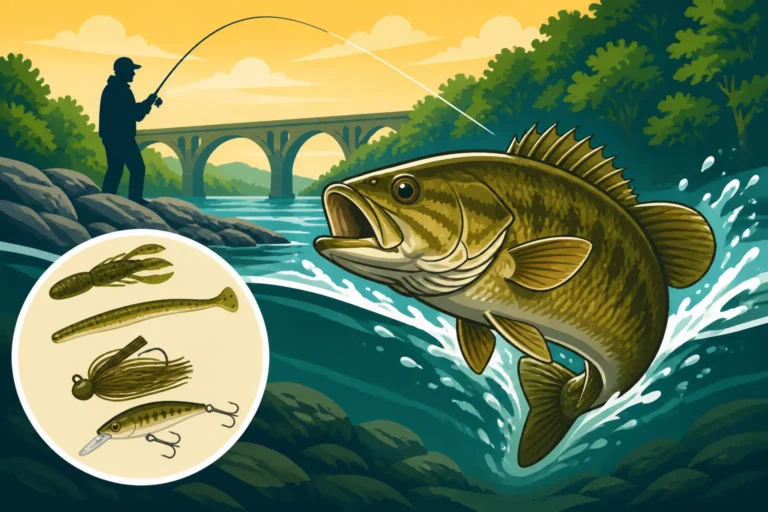
When targeting specific species in the Middle Patuxent, consider what they naturally feed on and adjust your presentation. For instance, if you're Fly Fishing in Maryland, using artificial flies often results in less deeply hooked fish. If you're after bass, choose lures that mimic their prey but allow for quick release. Always be mindful of the potential for deep hooking, and be prepared to cut the line if necessary. The aim is to ensure the fish can continue its life cycle unhindered after your interaction.
Making the Most of the Middle Patuxent Experience
Even with a no-possession season, the Middle Patuxent River offers fantastic fishing opportunities and a chance to truly connect with nature. It's about shifting your perspective from "what can I take home" to "what can I learn and experience." The river is a beautiful place to spend time, hone your skills, and appreciate the outdoors, regardless of whether you're bringing fish home.
Exploring Other Species and Techniques
The Middle Patuxent, like much of the Fishing the Patuxent River system, holds a diverse array of fish. While trout or specific bass species might be under a no-possession rule, you might find other species that are not, or simply enjoy targeting them for the sport of it. For instance, panfish, various species of catfish, and other freshwater residents might be present. This is a great opportunity to experiment with different fishing techniques you might not normally try.
Perhaps you've always wanted to try micro-fishing for smaller species, or spend a day perfecting your fly-casting technique. This environment is ideal for such pursuits. Bring a variety of tackle, from ultralight setups for panfish to medium-action rods for larger bass. Just remember to consult the specific Maryland Fishing Size and Catch Limits by Species for any other fish you might encounter, as those rules still apply if there isn't a no-possession rule for that particular species. The focus here is on the joy of the pursuit and the challenge of the catch, not the cooler.
Engaging with the Angling Community
The angling community around the Middle Patuxent and other Maryland waterways is a vibrant one. Many local tackle shops, fishing clubs, and online forums are excellent resources for understanding current conditions, specific regulations, and even sharing tips. Don't hesitate to strike up a conversation with fellow anglers you meet on the river; you might learn a new technique or discover a hidden gem. These communities often share a deep commitment to conservation and can be a great source of encouragement for responsible angling.
Participating in local clean-up efforts or conservation projects is another way to engage. Organizations like the Patuxent Riverkeeper or local fishing clubs often organize such events, allowing you to give back to the waters you enjoy. Sharing your experiences, especially photos of safely released fish, can also inspire others to adopt responsible practices. Remember that if you ever witness a violation of fishing regulations, reporting it to the Maryland Fisheries Complaint and Poaching Hotline is an important step in protecting our shared resources.
Respecting the Environment Beyond Your Hook
Responsible angling extends beyond how you interact with fish. It encompasses a broader respect for the entire environment of the Middle Patuxent. Always practice "leave no trace" principles: pack out everything you pack in, and perhaps even a little more. This means no discarded fishing line, no bait containers, and no food wrappers. Discarded fishing line, in particular, can be lethal to wildlife.
Be mindful of stream banks and vegetation. Avoid trampling sensitive areas, and if you're wading, do so carefully to avoid disturbing fish eggs or aquatic insect habitats. Respect private property signs and be aware of designated access points. The river is a shared resource, and our collective actions ensure its beauty and health for everyone. These simple courtesies ensure that the peace and serenity of the Middle Patuxent remain intact for all who visit, whether they're fishing, kayaking, or simply enjoying the natural beauty.
| Best Practices for Catch-and-Release Fishing |
|---|
| Use Barbless Hooks |
| Carry a Rubberized, Knotless Net |
| Bring Long-Nosed Pliers/Forceps |
| Minimize Fight Time |
| Keep Fish in Water (if possible) |
| Wet Hands Before Handling |
| Support Fish Horizontally |
| Revive Fish Before Release |
| Cut Line if Hook is Deeply Swallowed |
| Pack Out All Trash |
Disclaimer
This article is for general informational purposes only and does not constitute professional advice. Laws, prices and regulations vary by location and change over time. Consult a qualified professional for guidance on your specific situation.