Fishing Piers That Don’t Require a License in Maryland
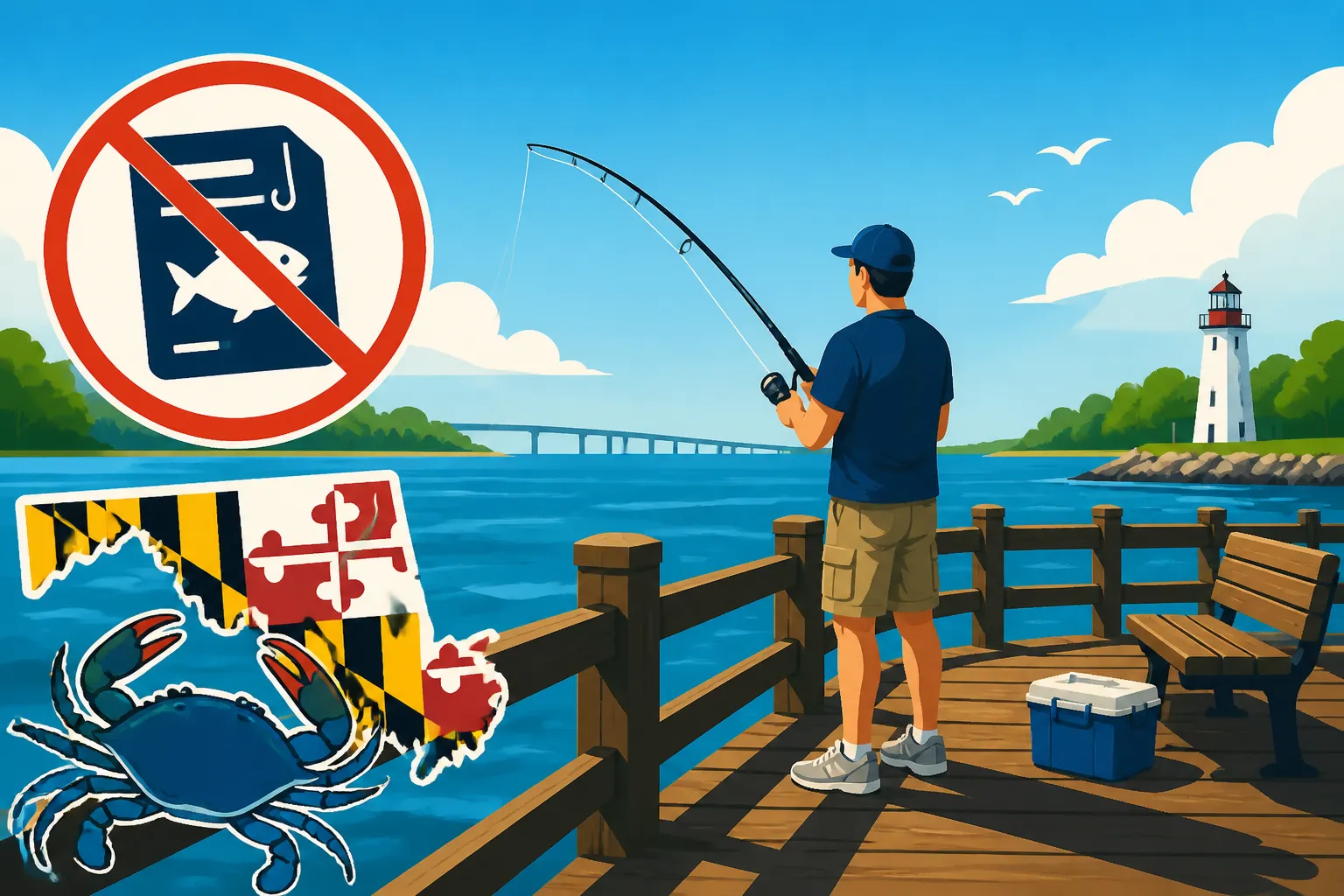
Oh, the age-old question that’s probably kept more than a few anglers scratching their heads at the entrance of a promising pier: "Do I actually need a license here?" It’s a completely valid frustration! Maryland's fishing regulations can feel like a labyrinth, especially when you’re trying to figure out if that seemingly public pier requires you to whip out your wallet for a permit. Trust me, you're not alone in wishing for a clear-cut answer. This guide is going to cut through that confusion and shine a light on those fantastic spots where you can cast a line from a pier in Maryland without needing your own personal fishing license.
Demystifying Maryland's Fishing License Rules for Piers
Let's get this straight from the start: generally speaking, if you're fishing in Maryland, you need a license. This applies whether you're dangling a line in a quiet pond, casting into the mighty Chesapeake Bay, or even trying your luck from many of the state's numerous piers. The Maryland Department of Natural Resources (DNR) oversees all the rules, and they're in place to manage our precious fisheries and ensure everyone contributes a little to their conservation. You can find a comprehensive breakdown in our Maryland Fishing License Guide for 2026.
However, and this is where the good news for pier anglers comes in, there are some very specific and wonderful exceptions. These aren't loopholes, mind you, but rather designated recreational structures that the state or local government maintains, where a blanket license often covers all anglers fishing from that particular pier. It’s a fantastic amenity that makes fishing accessible to everyone, especially families, tourists, or those just wanting to try it out without the commitment of purchasing a full license. This is particularly relevant when considering the differences between a Maryland Chesapeake Bay Sport Fishing License Explained for tidal waters and general nontidal licenses; on these specific piers, these distinctions are temporarily set aside for your convenience.
The key here is "designated." Not every pier is created equal in the eyes of the DNR. A private pier owned by an individual, a pier at a campground that doesn't explicitly state otherwise, or even many piers within state parks often still require you to hold your own valid license. The exemption is typically for larger, public access piers that have a master license paid for by the state or a local entity. These are generally well-marked, so always keep an eye out for signage. Navigating these rules can be complex, and some folks even opt for a guided trip where the captain handles the licenses, often found on platforms like FishingBooker. But for those looking for a DIY, wallet-friendly option, these special piers are a true blessing.
Maryland's Go-To License-Free Fishing Piers
Now for the exciting part – the specific spots where you can usually cast away without the need for your own personal Maryland fishing license. These piers are often repurposed bridges or dedicated recreational areas that offer ample space and a great fishing experience. It’s important to remember that while the license is covered, all other state regulations regarding Maryland Fishing Size and Catch Limits by Species still apply, so always be sure to check the latest rules for the fish you're targeting.
Here are some of the most prominent examples:
Bill Burton Fishing Pier State Park
This gem is probably the most famous license-free fishing pier in Maryland, located on the old Route 50 bridge spanning the Choptank River between Dorchester and Talbot counties, near Cambridge and Easton. This impressive structure offers miles of fishing opportunity. It's a fantastic spot for catching white perch, spot, croaker, blue catfish, and even striped bass during their open seasons. You’ll find plenty of space, and it’s a popular spot for both serious anglers and families. The pier is open year-round, dawn to dusk, and offers breathtaking views of the river. It’s truly one of the Best Piers and Shore Fishing Spots in Maryland.
North Point State Park Pier
Located in Edgemere, Baltimore County, the pier at North Point State Park offers a unique blend of history and angling opportunities. This pier juts into the Patapsco River, providing access to excellent tidal water fishing. Anglers here often target white perch, striped bass, bluefish, and various species of catfish. The park itself is beautiful, with walking trails and picnic areas, making it a great family destination. Like Bill Burton, the fishing from this designated pier is covered by a master license, so you don't need your own.
Point Lookout State Park Pier
Down at the very tip of Southern Maryland, where the Potomac River meets the Chesapeake Bay, Point Lookout State Park offers another fantastic license-free pier. This location is steeped in history and offers diverse fishing. From the pier, you can expect to encounter white perch, croaker, spot, bluefish, and even some flounder. The confluence of waters here makes for dynamic fishing, and the scenic beauty of the park is a major bonus. It’s a bit of a drive for many, but well worth the trip for the fishing and the rich historical context of the area. You can learn more about Fishing Point Lookout State Park.
Janes Island State Park Pier
Situated near Crisfield on the Eastern Shore, Janes Island State Park is renowned for its marshland and paddling opportunities, but it also boasts a fishing pier where anglers can cast without a personal license. This pier provides access to the shallow, brackish waters of the Tangier Sound. Here, you might catch white perch, speckled trout, red drum (puppy drum size), and various panfish. It’s a tranquil spot, perfect for a relaxed day of fishing away from the crowds.
Port Tobacco River Park Pier
A smaller, more localized option in Charles County, the pier at Port Tobacco River Park often falls under the license-exempt category. This pier is on the Port Tobacco River, a tributary of the Potomac. It's a great spot for targeting blue catfish, white perch, and various sunfish species in a peaceful, riverine setting. It may not be as grand as Bill Burton, but it offers a convenient and accessible fishing experience for locals and visitors alike.
Ocean City Fishing Pier (Commercial Pier with Fee)
It's important to differentiate this one. The iconic Ocean City Fishing Pier, located right in the heart of Ocean City, typically operates under a blanket commercial license. What this means is that when you pay the pier's entry fee (which is usually a daily charge), that fee generally covers your fishing license requirement for the duration of your time on that specific pier. So, while you don't need to purchase a separate state license, you do pay a fee to the pier operator. It's a fantastic place to catch kingfish, flounder, bluefish, and even sharks (though specific rules apply to shark fishing). It's not "free" in the same sense as the state park piers listed above, but it serves the same purpose of removing the individual license hurdle.
| Pier Name | Location | Water Body | Common Fish Species (Example) | Notes |
|---|---|---|---|---|
| Bill Burton Fishing Pier SP | near Cambridge/Easton | Choptank River | White Perch, Spot, Blue Catfish | Old Route 50 bridge, very long, popular. |
| North Point State Park Pier | Edgemere, Baltimore Co. | Patapsco River | White Perch, Striped Bass, Catfish | Scenic park with historical significance. |
| Point Lookout State Park Pier | Scotland, St. Mary's Co. | Potomac/Chesapeake | Croaker, Spot, White Perch | At the confluence, diverse species, rich history. |
| Janes Island State Park Pier | Crisfield, Somerset Co. | Tangier Sound | White Perch, Speckled Trout, Flounder | Tranquil marshland setting, great for families. |
| Port Tobacco River Park Pier | Port Tobacco, Charles Co. | Port Tobacco River | Blue Catfish, White Perch, Sunfish | Smaller, peaceful river pier. |
| Ocean City Fishing Pier | Ocean City (1st St.) | Atlantic Ocean/Inlet | Kingfish, Flounder, Bluefish | Commercial pier, fee covers license. Active, bait/tackle shops on site. |
For those who prefer a more curated experience or wish to explore waters not accessible from a pier, platforms like FishingBooker offer a wide array of charter options across Maryland's diverse fisheries. This can be an excellent way to target specific species or explore new areas with an experienced captain.
Factors Influencing License Requirements on Maryland Piers
It’s easy to get confused about why some piers are license-free and others aren't. Understanding the underlying factors can help you make an informed decision before you head out, preventing any unwelcome surprises from a DNR officer.
Ownership and Management Structure
The primary factor is almost always who owns and manages the pier. The piers listed above as license-exempt are typically owned and operated by the Maryland Department of Natural Resources or a specific county park system, which has proactively purchased a "master" or blanket fishing license for the entire facility. This allows anyone fishing from that designated structure to be covered. Private piers, or those within parks that do not have such an arrangement, still require individual licenses. It’s not about how public the access feels, but rather the legal and administrative structure behind it. This is why when you ask, "Do You Need a License to Fish From a Maryland Pier?," the answer is often "it depends entirely on the pier."
Type of Water: Tidal vs. Nontidal Considerations
While the license-free designation overrides the need for a specific tidal or nontidal license on these piers, it's good to understand the general environment you're fishing in. Most of Maryland’s prominent license-free piers are located in tidal waters, like the Chesapeake Bay or its tributaries. Tidal waters generally hold a wider variety of saltwater and brackish species. Even on a license-free pier, knowing if you're in tidal or nontidal waters helps you choose the right bait and tackle, and understand the general species you might encounter. For a deeper dive, check out the Maryland Nontidal vs Tidal Fishing License, Explained.
Explicit Signage is Your Best Friend
Never assume a pier is license-free. The absolute best way to confirm is to look for official signage at the pier entrance or parking area. The Maryland DNR is usually very clear about these designations. You'll typically see a sign stating something like "Fishing from this pier is covered by a Maryland Recreational Fishing License issued to [Park Name/DNR]" or "No individual fishing license required for pier fishing." If you don't see such a sign, err on the side of caution and assume a personal license is required. When in doubt, a quick call to the park office or checking the Maryland DNR website for that specific location is always a good idea.
Age and Other Exemptions
It's also worth remembering that certain age groups are exempt from needing a fishing license anywhere in Maryland, regardless of the pier's status. Specifically, children under the age of 16 do not need a fishing license in Maryland. This means if you're taking your kids out, they're typically covered no matter where you fish, as long as it's legal for you to be there. More details on this can be found in Do Kids Need a Fishing License in Maryland?.
Additionally, Maryland offers several Maryland Free Fishing Days throughout the year. On these designated days, everyone can fish in all Maryland public waters (both tidal and nontidal) without a license. These days are usually planned for June and July, offering another opportunity for license-free fishing. It's a great chance to explore new spots or introduce friends and family to the sport. You can find out What Free Fishing Days Are Available in Maryland This Year to plan your outings. These free days are a different type of exemption than the permanently license-free piers, but they offer similar accessibility.
Maximizing Your License-Free Pier Fishing Adventure
So you've found a license-free pier, packed your gear, and you're ready to cast a line! That's fantastic. To make sure your outing is as enjoyable and successful as possible, here are some tips to keep in mind, even when you're not worrying about a license.
Always Research Before You Go
While I've listed some reliably license-free piers, regulations can occasionally change, or temporary closures might occur. Before heading out, always take a moment to double-check the Maryland DNR website or call the specific park or pier office. A quick search will confirm current operating hours, any temporary restrictions, and the all-important license status. This simple step can save you a lot of time and disappointment.
Gear and Bait Essentials for Pier Fishing
Pier fishing doesn't require a lot of specialized gear, which makes it perfect for beginners. A medium-action spinning rod and reel combo, spooled with 8-15 lb test line, is a versatile choice for most pier targets. You'll want to have an assortment of tackle, including:
- Bottom Rigs: Simple two-hook bottom rigs with pyramid or bank sinkers (1/2 oz to 2 oz, depending on current) are deadly for white perch, spot, croaker, and catfish.
- Fish Finder Rigs: For larger fish like striped bass or bluefish, a fish finder rig with a circle hook can be effective.
- Hooks: Size 1/0 to 4/0 for bait fishing, smaller hooks (sizes 4-8) for panfish.
- Bobbers/Floats: Useful for suspending bait for white perch or sunfish.
- Lures: Small jigs (1/8 oz to 1/2 oz) with soft plastic grubs, Kastmasters, or small spoons can catch a variety of species.
When it comes to bait, the classics are often the best for pier fishing. Bloodworms and grass shrimp are universally effective for white perch, spot, and croaker. Squid strips are also a great all-around bait. For blue catfish, cut bait (like pieces of gizzard shad, menhaden, or even hot dogs) is a proven winner, as detailed in Bottom Fishing Techniques for Maryland Catfish. If you're targeting striped bass, fresh cut bait or live minnows can be productive when allowed.
Understanding Your Target Species and Regulations
Even though you don't need a license on these specific piers, all other fishing regulations remain firmly in place. This includes minimum sizes, daily creel (bag) limits, and seasonal restrictions. Common species you'll encounter on Maryland's license-free tidal piers include:
- White Perch: Abundant and delicious. Maryland generally has a generous daily limit for Maryland White Perch Daily Limit.
- Spot & Croaker: Popular panfish, especially in summer.
- Blue Catfish: An invasive species, Maryland encourages anglers to keep as many as possible, with no size or possession limits in most areas, as discussed in Maryland Blue Catfish Limit, or Lack of One.
- Striped Bass (Rockfish): Maryland's state fish, but regulations for striped bass (rockfish) can be complex and change frequently due to conservation efforts. Always check the latest slot limits and seasons before targeting them.
- Flounder & Bluefish: Also common, particularly on piers closer to the ocean or major bay channels.
Before you go, take a moment to look up the current rules for the species you hope to catch. The Maryland DNR website is the official source for all regulations.
Practice Responsible Angling
Being able to fish license-free is a privilege, and it comes with the responsibility of being a good steward of our natural resources. Always practice catch and release for fish you don't plan to keep, handle fish gently, and be mindful of your surroundings. Pick up all your trash, including discarded fishing line and bait containers. Respect other anglers and enjoy the shared experience.
Whether you're sticking to the free piers or planning a deeper dive into Maryland's waters with a trip organized via FishingBooker, the Old Line State truly offers something for every angler. These license-free piers are a fantastic entry point for anyone wanting to experience the joy of fishing without the initial cost of a license. So grab your rod, pack a cooler, and head out to one of these accessible spots for a great day on the water!
Disclaimer
Please note that fishing regulations, including license requirements for specific piers and catch limits for various species, can change. While this guide provides the most current information available, it is always the angler's responsibility to check the latest regulations directly with the Maryland Department of Natural Resources (DNR) before fishing.