Best Night Fishing Spots Near Baltimore
Finding good fishing spots during the day near Baltimore can be a real challenge, with crowded piers, bustling boat ramps, and the relentless summer sun making it less than relaxing. But what if I told you that the cover of darkness opens up a whole new world of angling opportunities, offering peace, cooler temperatures, and a chance to hook into species that become more active when the sun goes down? This guide is your comprehensive roadmap to discovering the best night fishing spots in and around Baltimore, ensuring your next outing is both productive and incredibly serene.
Why Night Fishing Near Baltimore is a Game Changer
There's something inherently magical about fishing under the stars, with the city lights shimmering in the distance and the water whispering secrets. Beyond the aesthetic appeal, night fishing in the Baltimore area offers distinct advantages that can significantly improve your experience and success rate. It's not just about avoiding the daytime hustle; it's about tapping into a different rhythm of the aquatic world.
Beating the Heat and Crowds
Let's be honest, a scorching summer day on the water, battling for a spot at a popular pier or ramp, isn't everyone's idea of a good time. Night fishing completely sidesteps these common frustrations. The air is cooler, providing a welcome reprieve from the heat and humidity that often blankets Maryland in the warmer months. This cooler air isn't just more comfortable for you; it can also make the fish more active, as water temperatures often stabilize or drop slightly, making them more willing to feed.
Beyond the temperature, the sheer lack of crowds is a huge draw. Imagine having a prime spot at a productive pier or a secluded cove all to yourself, without the constant chatter, casting lines crisscrossing, or the worry of tangling with another angler. It's a chance to truly unwind and focus on the fishing, a rare luxury in many popular daytime spots. This tranquility can transform a frustrating day into a peaceful, rewarding night.
Targeting Nocturnal Species
Many of the most sought-after game fish in Maryland waters, particularly near Baltimore, are ambush predators that become far more active as darkness falls. Take Maryland Blue Catfish, an Invasive Giant, for example. These opportunistic feeders, abundant in the Patapsco and other tidal rivers, use their keen sense of smell and lateral lines to hunt in low light, making them a prime target for night anglers. Similarly, Northern Snakehead in Maryland Waters, another invasive species, can often be found lurking in shallow, grassy areas and will readily strike a topwater or noisy lure during the cooler, darker hours.
Even our beloved Striped Bass, or Rockfish, can exhibit different feeding patterns at night, often moving into shallower areas to chase baitfish under the cover of darkness. They might be more wary of boat traffic and human activity during the day, but at night, their guard comes down, offering a unique opportunity for anglers. Different species mean different techniques, and understanding this shift is key to a successful night out.
The Peace and Quiet
Beyond the practical benefits, the psychological aspect of night fishing is undeniable. The world takes on a different character under the moon. The sounds of nature, often drowned out by daytime noise, become clearer. The gentle lapping of waves against the shore, the distant hoot of an owl, or the splash of a fish jumping are all amplified, creating an immersive experience.
It's a chance for introspection, a time to reconnect with nature without the distractions of modern life. For many anglers, the peace and quiet of night fishing are as much a draw as the potential for a trophy catch. It’s an escape, a meditative practice that allows you to truly decompress and enjoy the simple act of fishing. Plus, without the sun's glare, you might even spot some incredible starry skies.
Top Night Fishing Locations Near Baltimore
Baltimore's diverse waterways, from the Chesapeake Bay tributaries to sprawling freshwater reservoirs, offer a fantastic array of night fishing opportunities. Knowing where to go is half the battle, as access and regulations can vary.
Piers and Public Access Points
Public piers and designated shorelines are often your best bet for accessible night fishing, providing structure and convenience.
- Sandy Point State Park (Annapolis/Upper Bay): While technically closer to Annapolis, Sandy Point is a short drive from Baltimore and offers excellent access to the Upper Chesapeake Bay. The pier here extends far into the bay, providing access to deeper water and structure. Night fishing for Striped Bass, White Perch, and Catfish can be productive, especially during tidal changes. Always check the park's specific hours and regulations for night access, as they can sometimes require special permits or have limited hours. This is a fantastic spot for Night Fishing Techniques for Maryland Piers.
- Fort Smallwood Park (Pasadena/Patapsco River): Located at the mouth of the Patapsco River, Fort Smallwood boasts a long fishing pier that's a hotspot for many species. At night, it's particularly good for Striped Bass, White Perch, and a variety of Catfish. The strategic location provides access to both the river and the open Bay. Fishing here offers a blend of tranquil waters and the potential for exciting bites. There are usually ample parking and facilities available.
- North Point State Park (Edgemere/Patapsco River): Further up the Patapsco, North Point State Park offers shore access and a small pier. While not as large as Sandy Point or Fort Smallwood, its quieter atmosphere can be appealing for night anglers seeking solitude. Striped Bass and Catfish are common targets here under the stars. Be mindful of park closing hours and specific fishing regulations, as access might be more restricted than at other 24-hour spots.
Reservoirs and Lakes
For freshwater enthusiasts, Baltimore's surrounding reservoirs offer vast expanses of water that come alive at night, particularly for species like bass and walleye.
- Loch Raven Reservoir (Baltimore County): This massive reservoir, managed by Baltimore City Environmental Police, is a treasure trove for freshwater night fishing. While boat access is restricted at night, shoreline fishing from designated areas can be very rewarding. Anglers target Largemouth Bass, Smallmouth Bass, Crappie, and even Walleye, which often move into shallower areas to feed after dark. Pay close attention to the specific rules for Fishing Loch Raven Reservoir, including any required permits and allowed fishing hours, as reservoir regulations can be quite strict for safety and environmental protection.
- Liberty Reservoir (Carroll/Baltimore County): Another expansive reservoir in the Baltimore watershed, Liberty offers similar opportunities to Loch Raven. Its deep, clear waters are home to a healthy population of Largemouth and Smallmouth Bass, as well as Crappie and Channel Catfish. Night fishing from the shore or designated access points can be excellent. Just like Loch Raven, always consult the managing authority for specific night fishing rules and access points for Fishing Liberty Reservoir. Safety is paramount, especially around steep banks and unfamiliar terrain in the dark.
- Prettyboy Reservoir (Baltimore County): The northernmost of Baltimore's large reservoirs, Prettyboy is known for its rugged shoreline and excellent fishing. While it might be a bit further drive, it offers superb opportunities for Largemouth and Smallmouth Bass. Similar to the other reservoirs, check local regulations for night access. The rocky shorelines and submerged timber provide ideal ambush points for nocturnal predators.
Tidal Rivers and Estuaries
The tidal rivers flowing into the Chesapeake Bay near Baltimore are dynamic environments, and night fishing here can be incredibly diverse and productive.
- Patapsco River (Baltimore City/County): The Patapsco River, right in Baltimore's backyard, is a powerhouse for night fishing. Its brackish waters hold an impressive array of species. Blue Catfish are abundant throughout the tidal stretches, especially from the Inner Harbor outward. Striped Bass move through the river, particularly during migration periods, and can be caught jigging or live-lining bait. Access points vary from urban parks to more secluded banks further downstream. The river's industrial backdrop adds a unique character to the night fishing experience. Remember that the presence of invasive species like the Blue Catfish means you're not just fishing, you're helping the ecosystem.
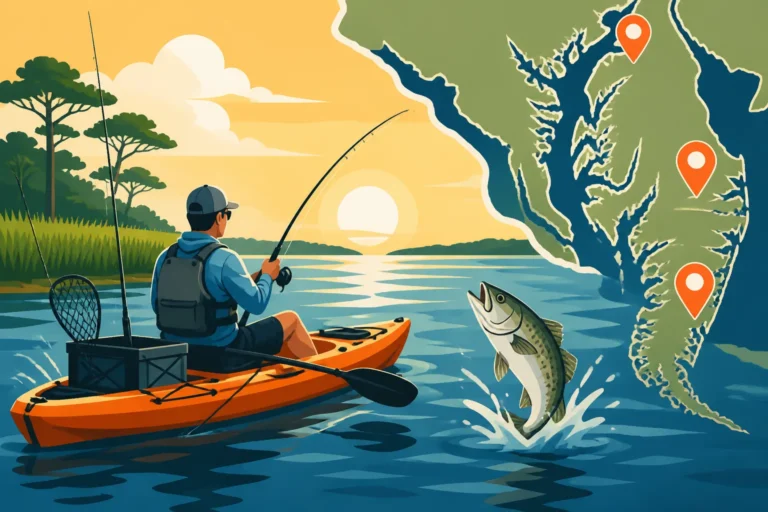
- Magothy River (Anne Arundel County): A beautiful and diverse tributary of the Chesapeake Bay, the Magothy River offers excellent opportunities for night anglers, especially those targeting Striped Bass and White Perch. The numerous docks, pilings, and submerged structures along its length provide ideal hiding spots for baitfish, which in turn attract predators. Kayak anglers find this river particularly rewarding at night, being able to silently maneuver into prime spots. Shore access is available at several county parks, though hours may vary.
- Severn River (Annapolis/Anne Arundel County): While a bit further from the immediate Baltimore area, the Severn River is a short drive and presents fantastic night fishing. Known for its healthy populations of Striped Bass and White Perch, the river's deep channels and oyster beds are productive at night. Many public parks and marinas offer shore access, and for those with small boats or kayaks, exploring the river's quieter coves under the moonlight is a truly special experience. Best Fishing Spots Near Annapolis often include the Severn, and its night bite can be exceptional.
Essential Gear and Safety for Night Anglers
Night fishing requires a bit more preparation than your typical daytime outing. Visibility is limited, and conditions can change rapidly. Being well-equipped isn't just about catching fish; it's about staying safe and comfortable.
Lighting and Navigation
Your most crucial piece of gear, besides your rod and reel, will be reliable lighting.
- Headlamps: A good headlamp is non-negotiable. It allows you to keep your hands free for tying knots, baiting hooks, and handling fish. Look for models with adjustable brightness and, ideally, a red light option. Red light preserves your night vision and is less likely to spook fish or bother other anglers. Carry spare batteries or a fully charged portable power bank.
- Lanterns/Area Lights: For setting up your gear or illuminating a larger area on a pier, a portable lantern can be incredibly useful. Battery-powered LED lanterns are bright, efficient, and safe. Avoid overly bright white lights if you're trying to remain stealthy or if other anglers are nearby.
- Navigation: If you're on a boat, ensure all your navigation lights are working and you have a reliable GPS or chart plotter. Even on shore, it's wise to scout your spot during the day to familiarize yourself with the terrain, potential hazards, and safe access/exit routes. A fully charged phone with a map app is a good backup.
Bait, Lures, and Tackle Considerations
Your tackle box might look similar, but some adjustments are beneficial for night fishing.
- Bait: Live bait is often king at night. Eels, live spot, or bloodworms for Striped Bass, and cut bait (like pieces of Gizzard Shad or store-bought herring) for Catfish are highly effective. For Crappie or Perch, minnows or small nightcrawlers work well. The strong scent of natural bait is a huge advantage when fish are relying more on smell and lateral lines than sight. Consider packing extra bait, as a good night bite can deplete your supply quickly.
- Lures: Noisy and dark-colored lures often perform best. Topwater lures with propellers or rattles can draw explosive strikes from Snakehead or Bass, as the sound and vibration cut through the darkness. Dark-colored plastics, like black or dark blue swimbaits or jigs, create a stronger silhouette against the lighter night sky, making them easier for fish to see. Glow-in-the-dark lures can also be effective, providing a subtle beacon. For Maryland Striped Bass Fishing Techniques at night, consider large soft plastics or bucktails jigged near structure.
- Tackle Organization: In the dark, fumbling through a disorganized tackle box is a nightmare. Keep your essential lures, hooks, weights, and tools in a readily accessible, well-organized tray or bag. Consider using tackle boxes with clear lids or compartments to easily identify contents. Pre-tie some common rigs at home to save time and frustration on the water.
Staying Safe and Prepared
Safety should always be your top priority when fishing after dark.
- Buddy System: Whenever possible, fish with a friend. In case of an emergency, having another person there can be a lifesaver.
- Communication: Always tell someone where you're going and when you expect to return. Share your location with a trusted friend or family member.
- First Aid Kit: A basic first aid kit is essential for cuts, scrapes, and other minor injuries that are more likely to occur in low light conditions.
- Warm Clothing: Even on warm summer days, temperatures can drop significantly at night. Layers are your friend. Pack a jacket or sweatshirt, even if you think you won't need it.
- Bug Repellent: Mosquitoes and other biting insects can be relentless at night. Don't forget bug spray!
- Hydration and Snacks: Pack plenty of water and some easy-to-eat snacks. Night fishing sessions can last for several hours.
- Wading Safety: If you plan to wade, know the area well. Use a wading staff for stability and never wade in unfamiliar waters at night. The currents in tidal rivers can be deceiving.
Maryland Regulations and Licensing for Night Fishing
Navigating fishing regulations can be tricky, and night fishing is no exception. It's crucial to understand the rules set by the Maryland Department of Natural Resources (DNR) to ensure a legal and enjoyable outing. You can always refer to the Maryland Fishing License Guide for 2026 for comprehensive details.
General Fishing License Requirements
Unless you fall under a specific exemption (like Maryland's Free Fishing Days, or being under 16), you will need a valid Maryland fishing license.
- Tidal vs. Nontidal: Maryland distinguishes between tidal and nontidal waters, and the required license varies. Many of the prime night fishing spots near Baltimore, especially the Patapsco River and the Chesapeake Bay, are tidal, requiring a Chesapeake Bay & Coastal Sport Fishing License. The reservoirs (Loch Raven, Liberty, Prettyboy) are nontidal, requiring a Nontidal Sport Fishing License. If you plan to fish both, a Maryland Nontidal vs Tidal Fishing License, Explained will clarify that a Bay & Coastal license does not cover nontidal waters, and you'd likely need a Consolidated Sport Fishing License or separate licenses.
- Where to Buy: You can purchase your license online through the Maryland DNR website, at many tackle shops, or at bait and tackle stores. It's quick and easy, so there's no excuse to fish without one. Services like FishingBooker can sometimes help you find local resources for licenses, or point you to guides who will ensure you're covered.
- Exemptions: Children under 16 generally do not need a license. Maryland also offers annual Free Fishing Days, usually in June and July, where a license is not required for anyone. However, all other regulations (size and creel limits) still apply.
Species-Specific Rules at Night
While the license covers the act of fishing, you must also adhere to specific regulations for each species you target. These rules remain in effect 24/7, whether you're fishing day or night.
- Size and Creel Limits: Be intimately familiar with the size and daily possession limits for species like Striped Bass (Rockfish), Largemouth Bass, Catfish, and Perch. These limits are designed to manage fish populations sustainably. For instance, Maryland Striped Bass Season and Rockfish Rules are updated annually and are crucial to know.
- Invasive Species: For invasive species like Blue Catfish and Snakehead, Maryland often encourages anglers to keep all legal-sized catches and prohibits their live release or transport. This is a vital part of the state's efforts to control these detrimental species. Always refer to the Maryland Invasive Fish Rules: Blue Catfish and Snakehead.
- Catch and Release: If you plan on catch and release, especially for Striped Bass during closed seasons or if they are undersized, handle the fish carefully and minimize their time out of the water. Barbless hooks can also aid in quick, healthy releases.
- DNR Guide: The Maryland DNR publishes a comprehensive fishing guide annually, available online and at tackle shops. This guide, often called the Maryland's DNR Fishing and Boating Guide, Explained, is your go-to resource for all current regulations. Review it before every outing, as rules can change seasonally or even mid-year.
It’s always a good idea to double-check the current regulations before heading out, as rules can change. You can find up-to-date information on the Maryland DNR website. Many experienced local guides, which you can often find listed on platforms like FishingBooker, are also excellent resources for current regulations and best practices.
Here's a handy table to help summarize some key considerations for night fishing near Baltimore:
| Location Type | Target Species (Night) | Recommended Bait/Lures (Night) | Key Considerations (Night) |
|---|---|---|---|
| Piers (e.g., Sandy Pt.) | Striped Bass, Catfish, White Perch | Live Spot, Eels, Cut Bait, Dark Jigs, Poppers | Park hours, crowds (less than day), current, depth change |
| Reservoirs (e.g., Loch Raven) | Largemouth Bass, Smallmouth Bass, Crappie, Walleye | Minnows, Worms, Dark Topwater Lures, Jigs, Spinnerbaits | Shore access rules, permits, uneven terrain, wildlife |
| Tidal Rivers (e.g., Patapsco) | Blue Catfish, Striped Bass, Snakehead, White Perch | Cut Bait (Gizzard Shad), Live Eels, Noisy Topwater Frogs, Dark Plastics | Tides, current, submerged structure, invasive species rules |
Night fishing near Baltimore truly offers a different dimension to the angling experience. The peace, the lack of crowds, and the opportunity to target nocturnal species make for unforgettable outings. Remember your safety gear, understand the regulations, and embrace the quiet beauty of fishing under the stars. Whether you're casting from a pier, a reservoir bank, or a quiet river bend, the waters around Baltimore hold incredible possibilities after dark. Tight lines, and may your nights be filled with screaming drags and memorable catches!
Disclaimer
The information provided in this guide is for general informational purposes only and does not constitute legal advice. Fishing regulations, licensing requirements, and park access rules are subject to change by the Maryland Department of Natural Resources (DNR) and local authorities. Anglers are solely responsible for checking and complying with all current federal, state, and local laws and regulations before engaging in any fishing activities. Always prioritize safety and environmental stewardship.