Best Maryland Charters for Fly Fishing the Bay
Trying to find a fishing charter in Maryland's Chesapeake Bay that truly caters to fly anglers can feel like searching for a needle in a haystack. Many captains are experts with conventional tackle, but switching to the unique demands of a fly rod – the casting room, the specific presentations, the understanding of different flies – is a whole other ballgame. This guide is here to help you cut through the confusion and connect with the best Maryland charters that genuinely understand and specialize in fly fishing the Bay.
The Unique Challenge of Fly Fishing the Chesapeake Bay
Fly fishing on the vast, tidal waters of the Chesapeake Bay presents a completely different set of circumstances than casting a dry fly on a mountain stream. It's an exhilarating experience when done right, but it requires a specialized approach from both the angler and the captain.
Why Bay Fly Fishing is Different
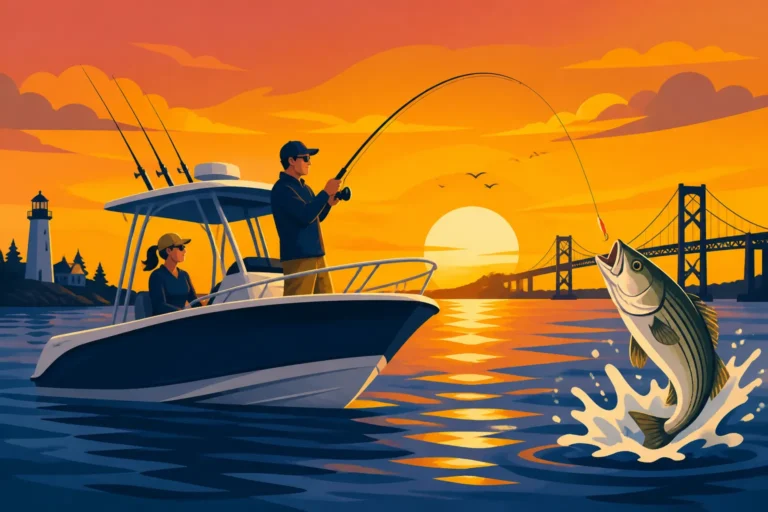
First off, let's acknowledge the sheer scale. The Chesapeake Bay is an immense body of water, and its character changes dramatically from the narrow tributaries of the Upper Bay to the wide-open expanse near the mouth. Unlike a river, you're dealing with significant tides, often strong currents, and a diverse range of bottom structures. When you're fly fishing, you need room to cast, and often, you're targeting fish that are larger and stronger than your typical freshwater quarry, like striped bass, locally known as rockfish. This means heavier rods, specialized lines, and techniques to get your fly down to where the fish are holding, or to present it quickly to fast-moving schools on the surface. It's a dance between precision and power that requires a captain who knows how to position the boat just right.
The Scarcity of Dedicated Fly Fishing Charters
Here's where the frustration often begins for fly anglers. While many charter boats operate out of popular ports like Annapolis, Deale, or Solomons Island, the majority are geared towards conventional bait or trolling methods. These are incredibly effective for the Bay's primary game fish, but they don't always translate well to fly fishing. A captain who has spent decades perfecting their trolling spread might not have the intimate knowledge of shallow-water sight fishing or the patience required to work a fly pattern through a breaking school of fish. You might find a charter that says they accommodate fly anglers, but their boat might not be set up for it, or their approach might feel more like an afterthought rather than a core offering. It’s important to find a captain whose passion aligns with yours, especially for something as nuanced as fly fishing.
What to Look for in a Fly Fishing Charter Captain
When you're trying to find that perfect guide for fly fishing the Bay, you need to look beyond just their general fishing success. A truly great fly fishing captain will possess a specific set of skills and characteristics. First and foremost, they should have extensive experience personally fly fishing the Bay. This isn't something you can just pick up by watching a few videos; it comes from years of learning the nuances of tides, currents, and fish behavior through the lens of a fly rod. They should be proficient at sight fishing in shallow waters, understanding how to spot subtle signs of feeding fish or baitfish schools.
Beyond their angling prowess, a good fly fishing captain will also be an excellent boat handler. They know how to quietly approach a flat, position the boat for optimal casting angles against the wind or current, and anticipate how the fish will move. They’ll understand that a fly angler needs space for their backcast and a clear deck, free from clutter that could snag a line. Finally, patience and instruction are key. Whether you're a seasoned fly caster or relatively new to saltwater fly fishing, a captain who can offer guidance on presentation, retrieves, and even knot tying can elevate your experience significantly. They should be able to communicate effectively, sharing their knowledge without making you feel rushed or inadequate.
Key Considerations When Choosing a Bay Fly Fishing Charter
Once you've narrowed down your search to captains who at least seem open to fly fishing, you need to dig a little deeper. The right boat, the right time, and the right gear can make all the difference between a frustrating day and an unforgettable one.
Boat Size and Layout for Fly Casting
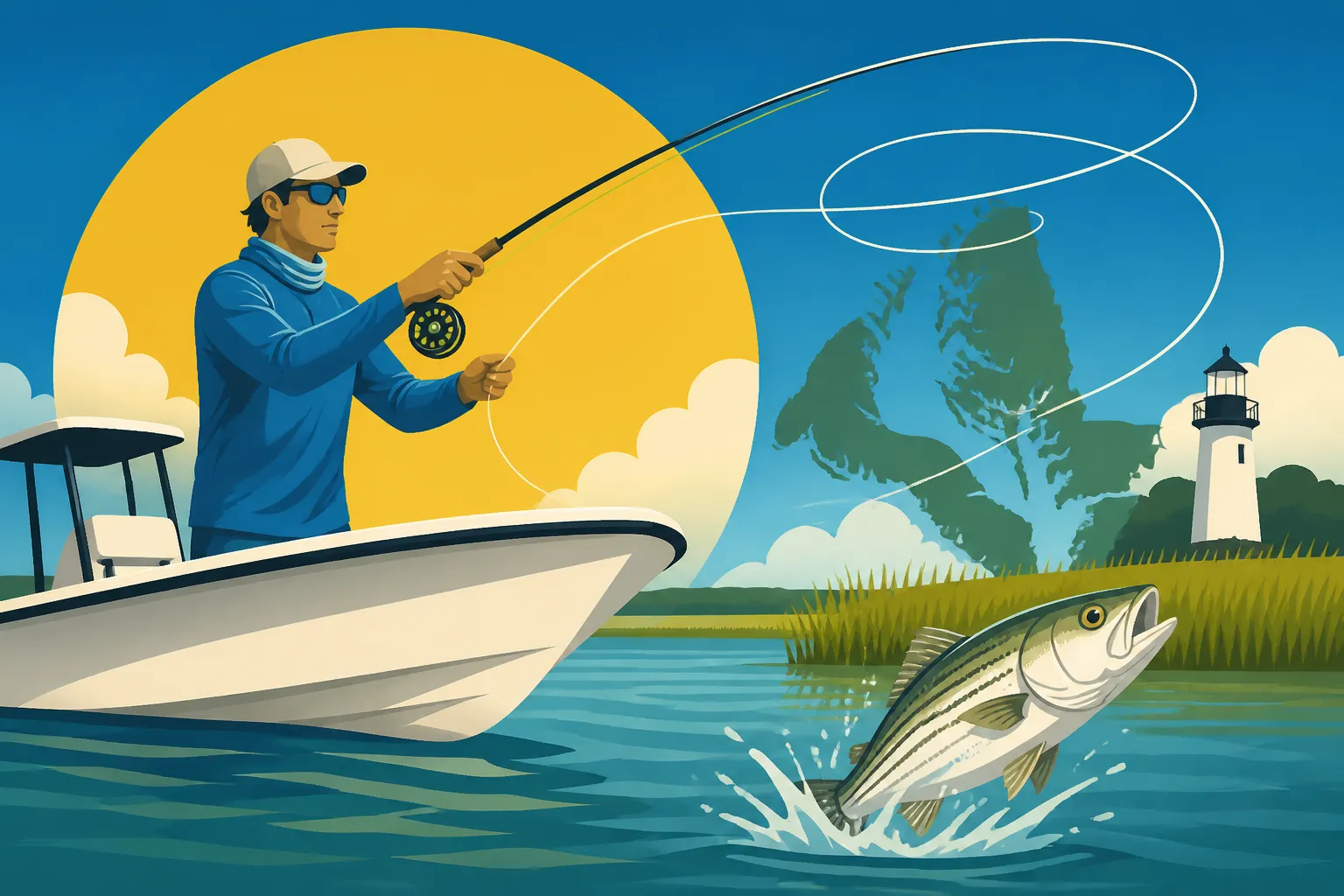
This is crucial and often overlooked. A large, high-sided offshore boat designed for trolling might be comfortable, but it's a nightmare for fly casting. What you're really looking for is a boat with an open, uncluttered deck, particularly at the bow. Flats boats, bay boats, or even certain center consoles can be excellent choices. Look for a vessel that offers a good casting platform, ideally one that allows for 360-degree casting without obstructions like a multitude of rod holders, coolers, or other gear.
A poling platform on the stern is a huge bonus, as it allows the captain to quietly maneuver the boat in shallow water, spotting fish from an elevated vantage point without spooking them with a trolling motor. Stability is also important, especially when you're making long casts or fighting a strong fish. Envision yourself on the boat: is there enough room for you to comfortably execute a backcast and forward cast without hitting anything or anyone? Is there ample space for stripped line to fall cleanly on the deck without getting tangled? These details might seem minor, but they significantly impact your fly fishing success and enjoyment.
Target Species and Seasonal Opportunities
While you can technically fly fish for many species in the Bay, striped bass (rockfish) are undeniably the prime target for fly anglers. They are aggressive, strong, and can be caught in a variety of situations, from breaking schools on the surface to lurking in grass beds. Spring and fall are typically the prime seasons for striped bass on the fly, especially during their migratory runs and when baitfish like menhaden are abundant. Maryland Striped Bass Season and Rockfish Rules are always important to keep in mind, as are the specific slot limits.
Beyond rockfish, consider other opportunities. White perch offer fantastic light-tackle fly fishing, especially during their spring spawning runs up the rivers. White Perch Spawning Runs in Maryland Rivers can be a blast on a 3 to 5-weight rod. Bluefish are another excellent target, known for their aggressive strikes and powerful fights, though their sharp teeth require bite tippets. If you're fishing the Upper Bay in early spring, you might even encounter American shad, which put up a surprisingly strong fight on light fly gear. Always discuss with your potential captain what species they typically target with fly anglers and which seasons offer the best chances for those particular fish.
Gear and Equipment Provided vs. Bring Your Own
Some dedicated fly fishing charters will have a full quiver of quality fly rods (usually 8 to 10-weights for striped bass, 5-weights for perch), reels, lines, leaders, and a selection of proven flies. This can be a huge convenience, especially for out-of-town anglers or those just getting into saltwater fly fishing. If the charter provides gear, make sure it's well-maintained and appropriate for the species and conditions you'll encounter. Ask about the brands and weights they typically use.
However, many fly anglers prefer to use their own trusted gear. If you plan to bring your own, communicate this clearly with the captain. They can advise you on recommended rod weights (e.g., an 8-weight for average Bay rockfish, a 10-weight for larger fish or windy conditions), line types (intermediate or sinking lines are often preferred over floating for subsurface presentations), and fly patterns that have been successful recently. Generally, bring a variety of baitfish imitations (Clouser Minnows, Deceivers) in different sizes and colors, as well as some poppers or gurglers for surface action. Even if you bring your own, a good charter should still have backup gear and a selection of their go-to flies. Don't forget to ask if they provide tippet and leader material or if you should bring extra.
Finding and Booking Your Maryland Bay Fly Fishing Experience
Now that you know what you're looking for, the next step is actually finding that needle-in-a-haystack captain and securing your date on the water. It requires a bit of detective work, but it's well worth the effort.
Searching for Specialized Guides
The best way to find a truly dedicated fly fishing guide for the Chesapeake Bay isn't always through a general search. Often, it's word-of-mouth recommendations from other fly anglers, or by looking for guides who explicitly market themselves for fly fishing. Websites like FishingBooker can be a great starting point, as they often allow you to filter by fishing technique or target species, and some captains will highlight their fly fishing expertise in their profiles. Look for guides who have photos of anglers with fly rods, or who mention specific fly patterns or techniques in their descriptions.
Don't be afraid to broaden your search beyond the immediate "Chesapeake Bay." Sometimes guides who specialize in the tidal rivers or Eastern Shore tributaries will have excellent fly fishing programs that extend into the Bay itself. Check out guides who operate out of areas known for strong shallow-water fishing, such as the Susquehanna Flats in the spring, or the numerous rivers along the Eastern Shore. Fishing Maryland's Eastern Shore Rivers can yield some fantastic fly fishing opportunities for striped bass and other species.
Questions to Ask Before Booking
Once you've identified a few potential captains, don't hesitate to call them directly and have a candid conversation. Here are some key questions to ask to ensure they’re the right fit for your fly fishing trip:
- "How often do you primarily guide fly anglers on the Bay?" — This helps gauge their experience level. If it’s once or twice a season, they might not be as dialed in as someone who does it weekly.
- "What type of boat do you run, and how is it set up for fly casting?" — Listen for mentions of open decks, casting platforms, or poling capabilities.
- "What are your preferred methods for targeting fish with a fly rod – sight fishing, chasing birds, blind casting structure?" — A diverse approach indicates a knowledgeable guide.
- "Do you provide fly tackle, and if so, what kind of rods, reels, and lines?" — Clarify if it's quality gear and if there's an extra charge.
- "What flies have been working recently, and what's your typical fly selection like?" — A captain who can talk flies knowledgeably is a good sign.
- "What are your expectations for casting skill? Are you comfortable working with anglers who might need some pointers?" — This is vital for managing expectations for both parties.
- "What happens if conditions aren't ideal for fly fishing (e.g., strong winds, dirty water)?" — A good guide will have a backup plan or suggest rescheduling if the conditions won't allow for a quality fly fishing experience.
- "What's your policy on catch and release for fly-caught fish?" — Most fly anglers prefer to practice catch and release, especially for larger fish. Ensure the captain's philosophy aligns with yours.
- "Do you have any recent references from other fly anglers?" — A reputable guide will be happy to provide contacts.
Preparing for Your Bay Fly Fishing Trip
After you've booked your ideal fly fishing charter, the preparation phase is just as important as selecting the right guide. First, confirm with your captain any specific gear they recommend you bring, even if they provide tackle. This might include extra leaders, tippet material, or your favorite flies. Layering clothing is always a smart move on the Bay, as conditions can change rapidly. Think about waterproof outer layers, even on a sunny day, because boat spray can sneak up on you.
Sun protection is absolutely critical: a wide-brimmed hat, polarized sunglasses (a must for spotting fish and structure), and plenty of high-SPF sunscreen. Bring snacks and drinks, as a full day of casting can work up an appetite. Don't forget your camera to capture those memorable moments. Finally, practice your casting beforehand! While a good captain can offer tips, being able to consistently cast 30-60 feet with accuracy will dramatically increase your chances of success. A false cast that's tangled in your feet won't help when a breaking school of rockfish appears briefly 50 yards away. Make sure you understand the Maryland Fishing Size and Catch Limits by Species for anything you might decide to keep, and be ready to have an incredible time connecting with the Bay on the fly.
Top Ports and Regions for Bay Fly Fishing Charters
The Chesapeake Bay offers diverse fishing environments, and certain areas are particularly well-suited for fly fishing due to their geography, predominant fish species, and water conditions. Knowing where to look can help narrow down your charter search.
Upper Bay Hotspots for Rockfish and Perch
The Upper Chesapeake Bay, particularly areas around Havre de Grace and the Susquehanna River flats, can be phenomenal for fly fishing. In the spring, after the Maryland Striped Bass Spawning River Closures lift, the famous Susquehanna Flats are a prime location for targeting larger striped bass in relatively shallow water. This is classic sight-fishing territory where you can often spot individual fish or small schools cruising over grass beds. Many dedicated fly guides will focus heavily on this region during the spring.
As the season progresses, areas around Annapolis and the myriad of rivers and creeks feeding the Upper and Mid-Bay, like the Magothy, Severn, and South Rivers, become excellent grounds for both striped bass and prolific white perch. Fishing the Severn River Near Annapolis or the Fishing the Magothy River can offer fantastic opportunities for chasing schools of smaller rockfish with lighter fly rods, or for wading shallow flats and casting to cruising fish. These areas are often more protected from the wind, making casting easier, and the numerous points, docks, and submerged structures provide ample habitat for baitfish and predators alike.
Mid-Bay Options for Diverse Species
Moving further south into the Mid-Bay, regions around the Bay Bridge, Kent Island, and down to the Patuxent River near Solomons Island present different advantages. While the open Bay can be challenging for fly casting, the countless oyster reefs, channel edges, and bridge pilings provide fantastic holding structure for striped bass. Tautog also inhabit these structures, and while typically targeted with bait, skilled fly anglers with heavy sinking lines and crab imitations can find success, especially around the Bay Bridge rock piles. Fishing the Bay Bridge Pilings for Striped Bass is a classic Bay experience.
The Eastern Shore tributaries in the Mid-Bay, such as the Choptank, Chester, and Miles Rivers, offer excellent shallow-water opportunities. Fishing the Choptank River provides a vast network of creeks and flats where striped bass, white perch, and even speckled trout (in the warmer months) can be targeted on the fly. These waters tend to be a bit more protected and have expansive shallow areas that are ideal for poling or trolling motor maneuvers, making them very fly fishing friendly. Guides operating out of places like Kent Narrows or Cambridge often have a deep understanding of these specific waterways.
Lower Bay and Coastal Access
While the Lower Chesapeake Bay is vast and can be windy, it also holds immense fishing potential. Near the mouth of the Potomac River or around Point Lookout, you might find guides specializing in the confluence of freshwater and saltwater species. The warmer waters of the Lower Bay and its tributaries can also see more frequent appearances of species like bluefish, red drum, and speckled trout, particularly in Tangier Sound. Fishing Tangier and Smith Island Waters can be a unique experience, offering a chance at these warmer-water species on the fly.
For a completely different fly fishing experience, some charters operating out of Ocean City, Maryland, might offer trips targeting inshore species in the coastal bays or even sight-fishing for red drum along the barrier islands if conditions align. This is a niche, but for those seeking a varied saltwater fly experience, it's worth exploring. Keep in mind that offshore fly fishing for tuna or billfish is a whole other beast, requiring specialized tackle and larger boats, and few Maryland charters specifically cater to this with a fly focus.
| Fly Fishing Friendly Charter Attributes | Description | Why It Matters for Fly Anglers |
|---|---|---|
| Open Deck Space | Uncluttered bow and stern areas with room for casting. | Essential for backcasting and letting line run free without snagging, preventing tangles and missed opportunities. |
| Low Freeboard | The boat's sides aren't excessively high. | Easier for casting over the side, reducing line drag on the boat and improving presentation. |
| Poling Platform/Shallow Water Ability | Allows captain to quietly maneuver in shallow flats without spooking fish. | Crucial for sight fishing to wary fish in skinny water, providing stealth and accurate boat positioning. |
| Dedicated Fly Rod Holders | Specific holders designed for fly rods, not just conventional gear. | Protects delicate fly rods and reels, keeping them secure and accessible without damage. |
| Experienced Fly Captain | Captain with personal fly fishing experience and understanding of techniques. | Knows how to position the boat, read water for fly presentations, and offers relevant advice on casting and retrieves. |
| Quality Fly Tackle (Optional) | Provision of appropriate rods, reels, lines, and flies if needed. | Ensures beginners have correct gear, and provides backups or specialized equipment for experienced anglers. |
| Patient Instruction | Willingness to teach and guide anglers of all skill levels. | Enhances the learning experience for novices and refines techniques for experienced casters. |
| Knowledge of Fly Patterns | Familiarity with effective fly patterns for Bay species. | Helps in choosing the right fly for current conditions and target species, improving hook-up rates. |
| Safe & Stable Platform | Boat provides a secure and stable casting environment. | Reduces the risk of falls, especially during aggressive casting or fighting large fish, and improves comfort. |
| Focus on Sight Fishing | Emphasis on spotting fish visually in clear, shallow water. | Maximize the exciting visual aspect of fly fishing, leading to more targeted and rewarding encounters. |
Disclaimer
This article is for general informational purposes only and does not constitute professional advice. Laws, prices and regulations vary by location and change over time. Consult a qualified professional for guidance on your specific situation.