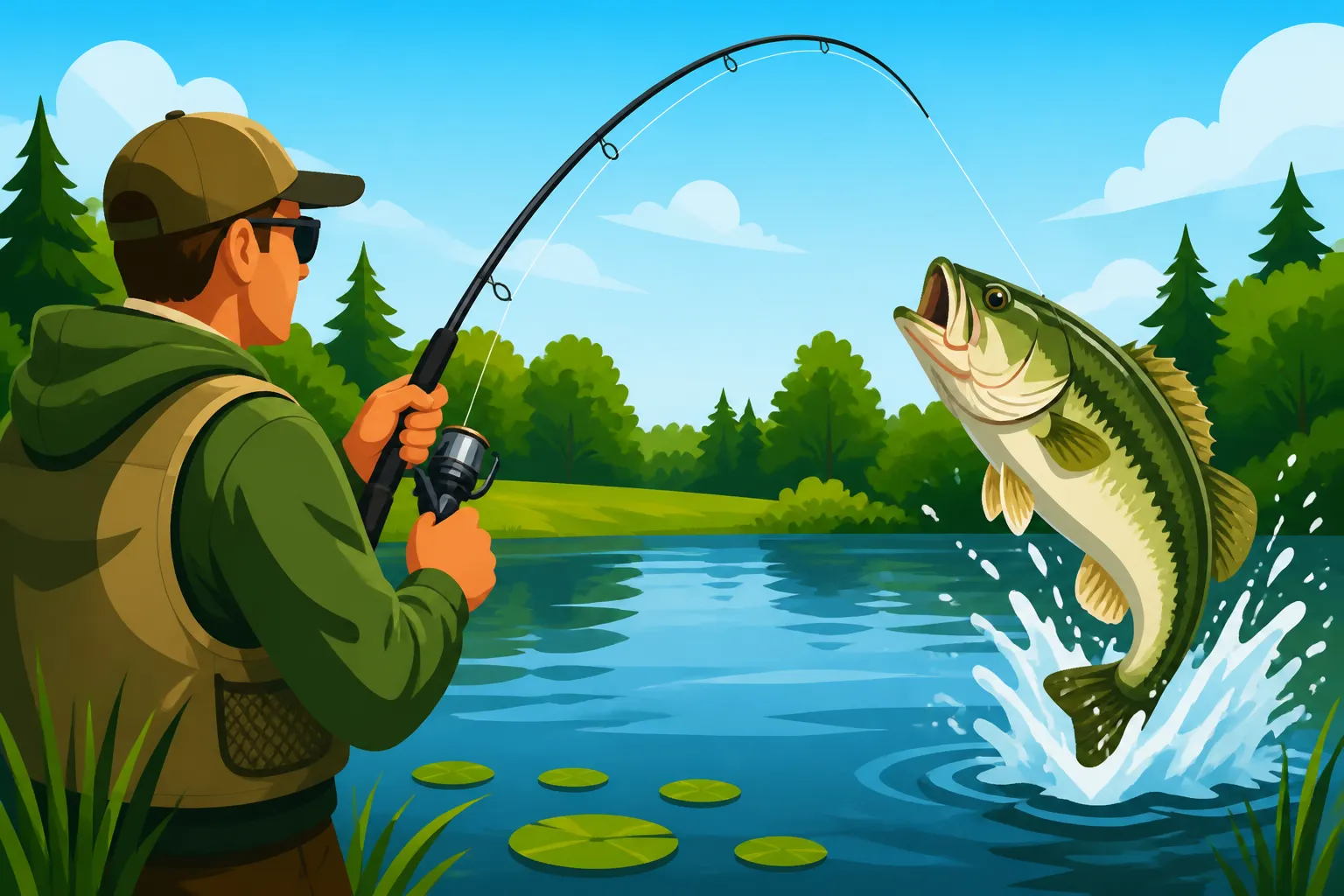
Fishing Piney Run Park Pond
Few things are more frustrating than heading out for a day of fishing, only to find yourself at a spot that's either overcrowded, understocked, or simply not suited for the type of angling you had in mind. It's even worse when you've done your homework, but the information out there is vague and doesn't tell you what you really need to know to make your trip worthwhile. This guide is dedicated to equipping you with all the detailed knowledge you need to successfully fish Piney Run Park Pond, ensuring your next outing is a relaxing and rewarding experience.
A Gem for Anglers: Understanding Piney Run Park Pond
Nestled in the rolling hills of Carroll County, Maryland, Piney Run Park Pond is a beloved destination for local anglers and nature enthusiasts alike. It offers a tranquil escape from the hustle and bustle, providing diverse fishing opportunities in a beautiful, well-maintained park setting. But don't let its peaceful ambiance fool you; beneath its surface lies a thriving ecosystem ready to challenge and reward any angler willing to learn its secrets.
Location and Overview of Piney Run
Piney Run Park Pond is located near Sykesville, Maryland, making it easily accessible from various points in Central Maryland. The park itself encompasses over 500 acres, with the main attraction being the impressive 300-acre lake. This substantial body of water was created by damming Piney Run, a tributary of the Patapsco River, in the late 1960s, primarily for flood control and recreation. The lake boasts depths up to 30 feet in certain areas, providing varied habitats for a wide range of fish species. Its irregular shoreline, dotted with coves, points, and submerged structures, creates an ideal environment for fish to thrive and for anglers to explore. The water quality is generally excellent, supporting healthy populations of both game fish and forage.
What Makes Piney Run Unique for Fishing?
Piney Run stands out as a fishing destination for several reasons. First, it’s a public park with excellent amenities, meaning access is straightforward, and facilities like restrooms, picnic areas, and boat launches are readily available. Unlike some more remote fishing spots, Piney Run offers convenience without sacrificing the feeling of being in nature. Secondly, the lake is managed for warm-water species, offering fantastic opportunities for chasing Largemouth Bass, various panfish, and catfish. While it’s not primarily a trout fishery, the Maryland Department of Natural Resources (DNR) occasionally stocks trout, adding an exciting seasonal dimension for those who enjoy chasing cold-water species. For those interested in pursuing trout, understanding the annual stocking schedule is key; our guide on Maryland Trout Season, Month by Month can provide deeper insights into when and where to find these elusive fish.
Another unique aspect is the boat motor restriction: only electric motors are allowed. This rule significantly contributes to the peaceful atmosphere of the lake and helps preserve its ecological balance. For anglers, it means a quieter, more intimate experience on the water, free from the noise and fumes of gas engines. This also makes it a fantastic spot for kayak fishing. If you're considering a kayak for your next outing, our article on Kayak Fishing Techniques for Maryland Waters offers some great starting points. The abundant aquatic vegetation, including lily pads and submerged grasses, also creates prime cover for bass and panfish, offering exciting topwater action and challenging structural fishing.
Target Species and How to Catch Them at Piney Run
Piney Run Park Pond is a diverse fishery, offering something for every type of angler. Whether you're a seasoned bass angler looking for a challenge or a family seeking a fun day catching panfish, you'll find ample opportunities here. Knowing what to target and how to approach each species can turn a good day into a great one.
Largemouth Bass Strategies
For many anglers, Largemouth Bass are the undisputed kings of Piney Run. These aggressive predators thrive in the lake's rich habitat, growing to impressive sizes. The key to successful bass fishing here lies in understanding their preferred hangouts. Look for them around fallen trees, submerged brush piles, weed lines, and the edges of lily pad fields. Early morning and late evening are often the most productive times, especially during the warmer months, as bass move into shallower water to feed.
When it comes to lures, a diverse approach works best. Soft plastics like Texas-rigged worms or Senkos are incredibly effective when pitched into heavy cover or along drop-offs. For working the weed lines and open water, spinnerbaits and crankbaits in natural colors (green pumpkin, black and blue, shad patterns) can elicit aggressive strikes. And who can resist the thrill of a topwater bite? Frogs and poppers worked over lily pads or along grass edges can result in explosive surface strikes that are truly unforgettable. Remember, patience and varied retrieve speeds are your best friends. For more specialized insights into targeting these formidable fish, check out our guide on Largemouth Bass Fishing in Maryland. You can also learn about the Best Time of Year to Catch Largemouth Bass in Maryland to maximize your chances.
Panfish Bonanza: Crappie, Bluegill, and Perch
Piney Run is a panfish paradise, making it an excellent spot for beginner anglers, kids, or anyone just looking for consistent action. The lake teems with healthy populations of Black Crappie, Bluegill, and Yellow Perch, which are not only fun to catch but also make for delicious table fare.
- Crappie: Often found schooling around submerged structures like brush piles, fallen trees, or bridge pilings, especially in deeper water during the day. In spring, they move into shallower coves to spawn. Small jigs (1/32 to 1/16 oz) tipped with a minnow or a soft plastic grub are highly effective. Suspended under a bobber, these baits are irresistible.
- Bluegill: These feisty sunfish are abundant throughout the lake, particularly in areas with aquatic vegetation or near the shoreline. A simple setup with a small hook, a piece of worm or a cricket, and a bobber will almost guarantee bites. For a bit more sport, try small poppers or tiny spinnerbaits. They're perfect for keeping younger anglers engaged.
- Yellow Perch: While not as prevalent as bluegill, yellow perch offer another exciting panfish opportunity, especially in cooler months. They often school in slightly deeper water than bluegill, preferring areas with a clean bottom near drop-offs. Small jigs, minnows, or even tiny spoons can entice a bite.
These species provide consistent action, making Piney Run an ideal spot for a family outing. To get a comprehensive overview of all these fun-to-catch fish, read our Maryland Panfish: Crappie, Perch and Sunfish guide.
Other Notable Species: Catfish and Trout (Seasonal)
Beyond bass and panfish, Piney Run also offers opportunities for other species. Channel Catfish are present and can provide a strong fight. They are typically found on the bottom, especially in deeper channels or near submerged structures. For catfish, traditional bottom fishing rigs with stink baits, cut bait, or chicken livers are highly effective, particularly during the evening and night hours. A heavy rod and reel combo is recommended for these powerful fighters.
Additionally, as mentioned, the DNR occasionally stocks Rainbow Trout into Piney Run, usually in the spring and fall. These put-and-take stockings offer a short window of excellent trout fishing. Anglers targeting stocked trout will have success with powerbait, corn, worms, or small spinners. It's crucial to check the Maryland DNR stocking schedule before your trip if trout are your primary target, as these opportunities are seasonal and can be fleeting. You can find out more about the Maryland Trout Stamp Requirements if you plan to fish for them.
Essential Gear and Best Practices for Piney Run Fishing
Having the right gear and understanding the park's specific rules can significantly enhance your fishing experience at Piney Run. It's not just about what fish you're targeting, but how you're equipped and how you approach the environment responsibly.
Recommended Rods, Reels, and Line
For general-purpose fishing at Piney Run, a medium-light to medium power spinning rod, around 6 to 7 feet in length, paired with a matching spinning reel (size 2500-3000), will serve you well. This setup is versatile enough for both bass and panfish. Spool your reel with 6-10 lb monofilament or fluorocarbon line for a good balance of sensitivity and strength, or 10-15 lb braided line with a fluorocarbon leader for maximum sensitivity and casting distance.
- For Largemouth Bass: A medium-heavy baitcasting setup (6'6" to 7'6" rod) with 15-20 lb fluorocarbon or braided line is ideal for throwing larger lures, working heavier cover, and pulling big bass out of dense vegetation.
- For Panfish: A lighter action spinning rod (ultralight to light power), 5 to 6 feet long, with a small spinning reel (size 1000-2000) spooled with 4-6 lb monofilament, will make even small bluegill feel like trophy fish and is perfect for detecting subtle bites.
Tackle Box Essentials for Piney Run
Your tackle box for Piney Run should reflect the diverse fishery. Here's a rundown of must-haves:
- Hooks: Assorted sizes of Aberdeen (for panfish), worm hooks (offset and straight shank for bass plastics), and circle hooks (for catfish).
- Weights: Split shots, bullet weights (Texas rigs), and egg sinkers (bottom fishing).
- Bobbers: Small slip bobbers for panfish and larger clip-on bobbers for adjusting depth.
- Lures for Bass: Soft plastic worms (Senkos, worms, creatures), jigs (swim jigs, flipping jigs), spinnerbaits, crankbaits (shallow and medium divers), and topwater lures (frogs, poppers). Colors like green pumpkin, black, white, and shad patterns are typically effective.
- Lures for Panfish: Small jigs (chartreuse, white, black), tiny grub tails, and micro-spoons.
- Bait: Live worms, minnows (if permitted by park rules), crickets for live bait fishing. Prepared stink baits or chicken livers for catfish.
- Tools: Pliers (for hook removal), line clippers, a measuring tape (for size limits), and a small net. A cooler with ice is also essential for keeping your catch fresh.
Boating, Shore Access, and Park Rules
Piney Run Park offers excellent accessibility for both boat and shore anglers. The park maintains a public boat launch, making it easy to get your vessel onto the water. As noted, only electric motors are permitted on the lake, which is fantastic for a peaceful experience. You can also rent rowboats, canoes, and kayaks from the park office during operational hours, making it convenient even if you don't own a boat. When you plan your visit, you might consider booking your rental ahead of time, similar to how some anglers use platforms like FishingBooker to reserve charter trips – it helps ensure availability, especially during peak season.
For shore anglers, there are numerous access points, especially along the eastern side of the lake where walking trails parallel the shoreline. Popular spots include the dam area, various points, and coves accessible from the trails. These areas often provide access to deeper water or good structure, even without a boat.
Key park rules to remember:
- Electric Motors Only: No gas-powered motors are allowed.
- Park Hours: The park has specific opening and closing hours, which vary seasonally. Check the official Carroll County Parks and Recreation website before you go.
- Fishing License: All anglers 16 years and older must possess a valid Maryland Fishing License Guide for 2026. You can typically purchase one online or at local tackle shops.
- Catch Limits: Be aware of species-specific size and creel limits. These are routinely updated by the Maryland DNR, so always check the latest regulations. Our guide on Maryland Fishing Size and Catch Limits by Species can help keep you informed.
- Trash: Pack out everything you pack in. The park is beautiful, let's keep it that way!
Planning Your Trip to Piney Run Park Pond
A little planning goes a long way, especially when heading out to a new fishing spot or trying to maximize your time on the water. Piney Run offers great fishing year-round, but understanding the nuances of each season can significantly improve your success rate.
Best Times to Visit for Optimal Fishing
- Spring (March-May): This is arguably the best time to fish Piney Run. As water temperatures rise, bass move into shallower waters for their spawn, becoming very active and aggressive. Crappie also follow suit, congregating in shallow coves. Early spring is also prime for any stocked trout.
- Summer (June-August): While summer can be hot, fishing remains good, especially during early morning and late evening. Bass will move to deeper weed lines and structures during the heat of the day. Night fishing can also be productive for catfish. Remember to stay hydrated and use sun protection.
- Fall (September-November): As temperatures cool, fish become more active, feeding heavily in preparation for winter. This "fall feeding frenzy" can offer some of the best fishing of the year for all species. Bass are often found chasing baitfish in open water or along main lake points. Any fall trout stockings will also provide excellent action.
- Winter (December-February): While less popular, winter fishing can still yield results, particularly for crappie and yellow perch, which often school in deeper basins. Ice fishing is generally not permitted due to safety concerns and fluctuating ice conditions, but shore fishing on milder winter days is possible.
Always check the local weather forecast before heading out. Fishing after a cold front or during rapidly changing barometric pressure can be challenging, but stable weather often leads to more predictable fish behavior.
Local Amenities and Resources
Sykesville, the nearest town, offers several conveniences for visiting anglers. You'll find bait and tackle shops where you can pick up live bait, lures, and any forgotten essentials. Many anglers also find local insights invaluable, often gathered through community forums or by simply striking up a conversation with staff at a local shop. You might even find brochures for local guides or nearby charter services, though for larger, more diverse options, looking through platforms like FishingBooker can give you a broader view of available guides and their specialties, even for other nearby Maryland waters.
The park itself is well-equipped with picnic areas, restrooms, and a nature center. These amenities make Piney Run a fantastic destination for a full-day family outing, combining fishing with hiking, birdwatching, or simply enjoying the outdoors. Before your trip, it's always a good idea to visit the official Carroll County Department of Recreation & Parks website for the most current information on park hours, regulations, and any special events or closures.
| Species | Best Baits/Lures | Ideal Season | Habitat Preference |
|---|---|---|---|
| Largemouth Bass | Soft plastics, crankbaits, spinnerbaits, topwater | Spring, Fall, Summer (dawn/dusk) | Weed lines, submerged cover, lily pads, points |
| Black Crappie | Small jigs, minnows, soft plastic grubs | Spring, Fall, Winter | Brush piles, fallen trees, deep structures |
| Bluegill | Worms, crickets, small poppers, tiny jigs | Spring, Summer, Fall | Aquatic vegetation, shallow coves, shoreline |
| Yellow Perch | Small jigs, minnows, tiny spoons | Cooler months (Spring, Fall, Winter) | Near drop-offs, clean bottom areas, deeper water |
| Channel Catfish | Stink baits, cut bait, chicken livers | Summer (especially night) | Deep channels, bottom structures, coves |
| Rainbow Trout | Powerbait, worms, corn, small spinners | Seasonal (Spring, Fall) | Recently stocked areas, cooler water |
Disclaimer
The information provided in this guide is for informational purposes only and is subject to change. Fishing regulations, park rules, and fish stocking schedules are managed by the Maryland Department of Natural Resources (DNR) and Carroll County Parks and Recreation, and can be updated at any time. Always consult the official Maryland DNR fishing guide and the Piney Run Park official website or contact them directly for the most current and accurate information before planning your fishing trip. Adherence to all local, state, and federal regulations is the angler's responsibility.