Best Flies for Gunpowder Falls Trout
Figuring out which flies to use when you're standing knee-deep in the brisk waters of the Gunpowder Falls can feel like trying to solve a cryptic puzzle, especially with how finicky trout can be. It’s a challenge every fly angler faces, whether you're a seasoned veteran or just starting out. This guide is here to cut through the confusion, offering a clear, in-depth look at the best flies for tempting the trout that call Maryland's famed Gunpowder home, ensuring you spend less time guessing and more time casting.
Understanding the Gunpowder Falls Ecosystem and Trout Behavior
The Gunpowder Falls is a truly special fishery, a cold-water haven flowing through Baltimore County, fed by the Prettyboy Dam. Its consistent cold temperatures, rich aquatic insect life, and healthy trout populations make it a premier destination for fly anglers in Maryland. But what makes a fly "best" here? It's all about understanding the dynamic interplay between the fish, their food, and the environment.
The Importance of Matching the Hatch
Ask any experienced fly angler, and they'll tell you that "matching the hatch" is often the holy grail of trout fishing. This concept isn't just fancy jargon; it's about presenting a fly that closely imitates the insects that are currently emerging or active in the water. For the trout in Gunpowder Falls, this means observing what's flying, crawling, or drifting, and then selecting a fly that looks similar.
The Gunpowder is teeming with diverse insect life. You'll encounter a variety of mayflies, caddisflies, stoneflies, and midges throughout the year. For instance, come spring, you might see sizable Hendrickson mayflies making their appearance, prompting you to reach for a Hendrickson dry fly in a size #12-14. As summer progresses and water levels might drop a bit, tiny Sulphur duns or Tricos become prevalent, necessitating much smaller patterns, sometimes down to a size #20-24. Missed these details, and you could be throwing the perfect cast with the wrong fly, watching fish ignore your offering completely. It’s a subtle dance, but when you get it right, the rewards are incredible. Don't forget, sometimes what the fish are eating isn't what's hatching. They might be focused on nymphs drifting below the surface even when adults are flying above.
Water Conditions and Seasonal Shifts
The Gunpowder Falls is a freestone river, meaning its flow and temperature are influenced by rainfall and seasonal changes, despite being dam-controlled. These conditions directly impact trout behavior and, consequently, your fly selection.
- Spring: Often characterized by higher, cooler water flows as snowmelt and spring rains feed the system. During this time, larger nymphs like stoneflies and caddis larvae are excellent choices, as they get dislodged and become easy meals. When hatches of Hendricksons or Blue-Winged Olives (BWOs) occur, trout will readily rise to dries.
- Summer: The river typically runs lower and clearer, and water temperatures, while still cold thanks to the dam, might creep up slightly in certain sections. This is when trout become incredibly selective. Small, delicate dry flies imitating Sulphurs, Tricos, or terrestrials like ants and beetles become paramount. Nymphing with tiny patterns is also highly effective in the clear, shallow runs.
- Fall: A beautiful time on the Gunpowder, with vibrant foliage and cooler temperatures. Trout activity picks up as they feed aggressively before winter. Streamers and larger nymphs can be very effective, especially for more aggressive fish. Late fall can bring BWO hatches again.
- Winter: The coldest season means slower metabolism for trout. They often hold in deeper pools and runs, conserving energy. Nymphing with small, subtle patterns like tiny midges or winter stonefly nymphs is often the most productive strategy. Sometimes, a slow-drifted Woolly Bugger can entice a sluggish fish. Understanding these Maryland Trout Season, Month by Month dynamics is crucial for success.
Essential Dry Flies for Gunpowder Falls Trout
Ah, the thrill of a trout rising to a perfectly presented dry fly! It's what many of us live for. On the Gunpowder, especially during prolific hatches, dry flies can be incredibly effective.
Mayfly Imitations for Surface Action
Mayflies are a cornerstone of a trout's diet, and imitating their adult form on the surface is a classic fly fishing technique.
- Parachute Adams: This is arguably the most versatile dry fly pattern out there, and it's a must-have for the Gunpowder. It imitates a wide range of mayfly species and sits low in the water, making it look natural. I’ve had days where nothing else worked, and a Parachute Adams in a size #16 or #18 saved the trip. It’s effective almost year-round when fish are looking up.
- Blue-Winged Olive (BWO): These tiny mayflies hatch during cooler, overcast days, especially in spring and fall. A BWO pattern in sizes #18-22 is often indispensable. Think of those drizzly, grey afternoons – that's BWO weather, and if you have one on, you're in business.
- Sulphur Dun: As spring transitions to summer, the elegant Sulphur duns begin to hatch, typically in the late afternoon or early evening. Their yellowish bodies make them stand out. Have some Sulphur Duns in sizes #16-20 ready, especially for those golden hour rises.
- Trico: These are the smallest of the mayflies, often hatching in massive numbers on warm summer mornings. The hatch can be intense, creating a "blanket" of tiny insects on the water. Fish often become incredibly selective, sipping these tiny morsels. Trico patterns, sometimes as small as #24 or #26, fished on very fine tippet, are key to success during these events. It's a delicate game, but very rewarding.
Caddis and Terrestrial Patterns
While mayflies often get the spotlight, caddisflies are equally important, and terrestrial insects provide opportunistic meals.
- Elk Hair Caddis: Another essential, all-around dry fly. Caddisflies often skitter across the water surface, and this pattern, with its buoyant elk hair wing, perfectly mimics that action. It's especially effective in sizes #14-18 when caddis are active, often in the late spring through early fall. If you see caddis flying around, tie one on. You can twitch it a bit on the retrieve to simulate movement, which sometimes triggers a strike.
- Stimulator: While often used for larger stoneflies, a Stimulator can also imitate a larger caddis or even a grasshopper. Its bushy profile and hackle make it a great attractor pattern, especially in faster water where trout might not get a good look. Sizes #12-16 can work wonders, particularly in the summer or early fall.
- Griffith's Gnat: This tiny, simple fly is a fantastic midge imitation, but it can also pass for a cluster of small insects. Midges are present year-round on the Gunpowder, even in the dead of winter. If you see trout sipping almost imperceptibly on the surface and no obvious hatch is occurring, a Griffith's Gnat in a #20-24 can be a lifesaver. It’s a very subtle presentation, often requiring very calm water.
Productive Nymphs and Wet Flies for Subsurface Success
Let's face it, trout spend most of their time feeding below the surface. Nymphs, wet flies, and streamers imitate this vast underwater larder, making them incredibly effective on the Gunpowder Falls, particularly when fish aren't looking up.
Subsurface Mayfly and Caddis Nymphs
Nymphing is arguably the most consistent way to catch trout, and imitating aquatic insect larvae is crucial.
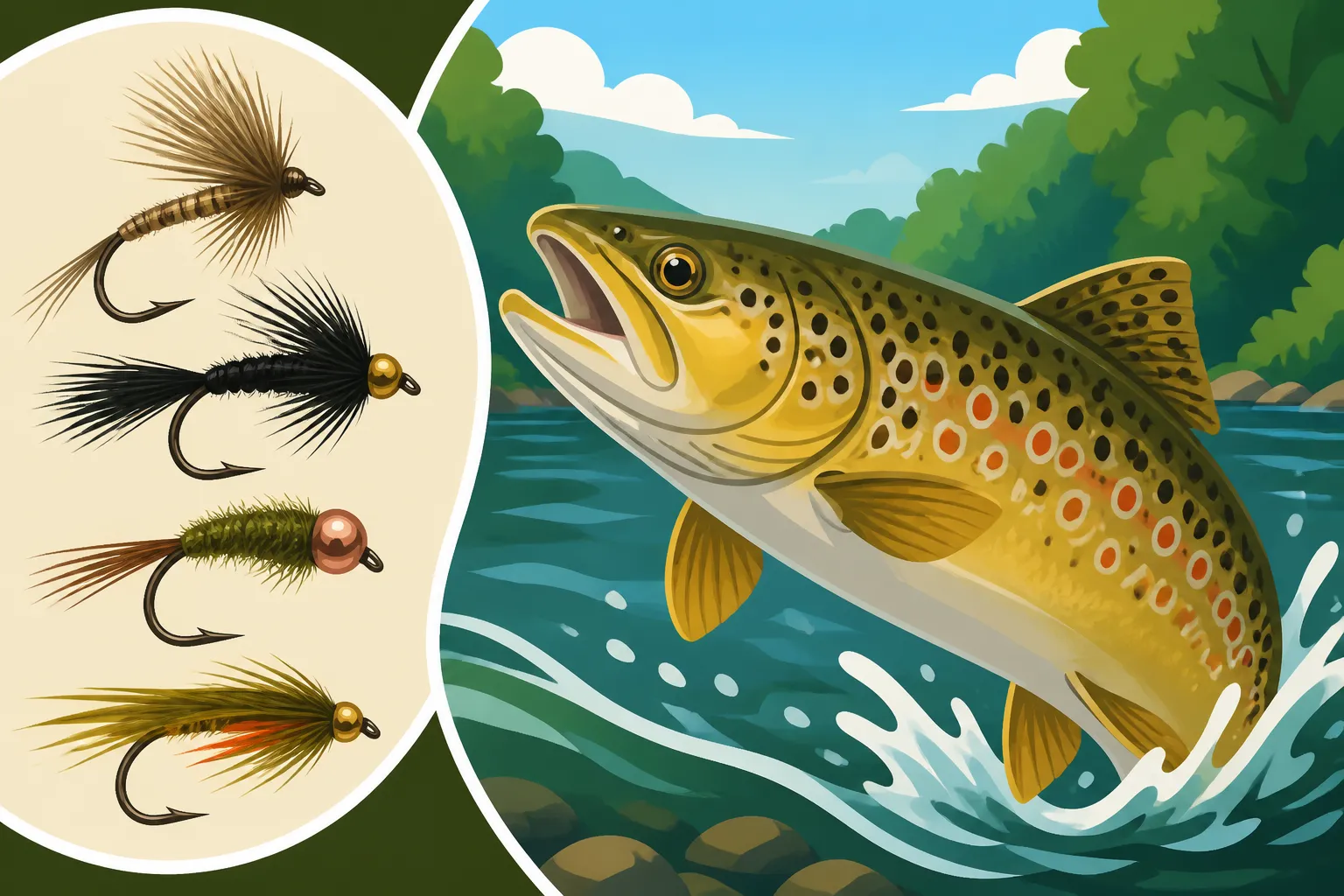
- Pheasant Tail Nymph: This classic pattern, usually tied with pheasant tail fibers, is a superb imitation of a vast array of mayfly nymphs. It's slender, natural-looking, and effective in sizes #14-20. You can fish it as a dropper under a dry fly, or as part of a multi-nymph rig. It’s a confidence fly for many anglers on the Gunpowder, often producing fish even when other patterns fail.
- Hare's Ear Nymph: Another time-tested pattern, the Hare's Ear Nymph has a buggy, impressionistic appearance that can imitate various mayfly and caddisfly nymphs. Its shaggy texture and natural colors make it very enticing. Sizes #12-18 are good starting points. I often pair it with a Pheasant Tail, trying different depths and weights.
- Prince Nymph: With its distinct white biot wings and peacock herl body, the Prince Nymph is a flashier, attractor-style nymph that still does a great job of imitating stoneflies and larger mayflies. It’s particularly effective in slightly off-color water or when you want to grab a trout's attention. Sizes #10-16 can be productive.
- Green Caddis Larva: Caddisfly larvae often build cases, but some species are free-living or resemble small green worms. A simple green caddis larva pattern, perhaps with a small bead head, can be very effective, especially when dead-drifted along the bottom. Sizes #14-18 are usually appropriate. When you're fishing in the Gunpowder, remember the rules for Maryland's Delayed Harvest Trout Waters Explained – nymphing is key during certain seasons and sections.
Attractor and Streamer Patterns
Sometimes, you need to trigger a reaction strike, or you're targeting bigger, more aggressive trout. This is where attractor patterns and streamers shine.
- Woolly Bugger: If there's one streamer every angler should have, it's the Woolly Bugger. Its pulsing marabou tail and hackle imitate baitfish, leeches, and even large aquatic insects. Black, olive, and brown are staple colors, and you can tie it with or without a bead head. Sizes #6-12 are common. Fish it by stripping it, swinging it, or even dead-drifting it. It’s a fantastic choice for prospecting deeper pools or when the water is a bit off-color after a rain. You might be surprised at the size of trout it can entice!
- San Juan Worm / Squirmy Wormy: These patterns, while sometimes controversial among purists, are undeniably effective, especially for freshly stocked trout. They imitate aquatic worms, which are a natural food source. Bright red or pink colors in sizes #10-14 can be irresistible, particularly after a rain when worms might get washed into the river. They're excellent for adding to a nymph rig.
- Egg Patterns: Trout, especially during spawning seasons (though remember to respect spawning fish and regulations), are opportunistic and will often feed on loose eggs. Small, brightly colored egg patterns (often orange, pink, or chartreuse) in sizes #12-16 can be very successful, particularly in the fall and winter. Just be mindful of local ethics and regulations, like those for Maryland Trout Daily Creel Limit, when fishing near spawning areas.
| Fly Category | Pattern | Primary Imitation | Best Season | Typical Sizes | Notes |
|---|---|---|---|---|---|
| Dry Flies | Parachute Adams | General Mayfly Dun | Year-round | #14-22 | Highly versatile, sits low in the water. |
| Blue-Winged Olive (BWO) | Small Mayfly Dun | Spring, Fall | #18-22 | Best on overcast, cooler days. | |
| Sulphur Dun | Yellowish Mayfly Dun | Late Spring, Summer | #16-20 | Often effective in late afternoon/evening. | |
| Trico | Tiny Mayfly Dun | Summer (mornings) | #24-26 | Requires delicate presentation on fine tippet. | |
| Elk Hair Caddis | Caddisfly Adult | Spring, Summer, Fall | #14-18 | Can be twitched on the surface. | |
| Griffith's Gnat | Midge Cluster/Small Midge | Year-round | #20-24 | Excellent for subtle risers when no obvious hatch. | |
| Nymphs | Pheasant Tail Nymph | General Mayfly Nymph | Year-round | #14-20 | Found in every fly box, very natural. |
| Hare's Ear Nymph | Mayfly/Caddisfly Nymph | Year-round | #12-18 | Buggy, impressionistic, a great searching pattern. | |
| Prince Nymph | Stonefly/Mayfly Nymph | Year-round | #10-16 | Attractor pattern, good in slightly off-color water. | |
| Green Caddis Larva | Caddisfly Larva | Year-round | #14-18 | Effective when dead-drifted near the bottom. | |
| Streamers/Attractors | Woolly Bugger (Olive, Black) | Baitfish, Leech, Large Nymph | Year-round | #6-12 | Versatile, can be stripped, swung, or dead-drifted. |
| San Juan Worm | Aquatic Worm | Year-round | #10-14 | Very effective, especially for stocked trout or after rain. |
Local Insights and Pro Tips for Fly Selection
Fly fishing the Gunpowder Falls isn't just about the patterns; it's about the entire approach. Being prepared with the right gear and knowledge can make all the difference. For general gear tips, you might want to read our guide on Fly Fishing Gear for Maryland Trout Streams.
Adapting to Pressure and Picky Trout
The Gunpowder Falls, being one of Maryland's most popular trout fisheries, can experience significant angling pressure, especially on weekends or during peak stocking times. This pressure often makes trout more wary and selective.
- Go Smaller and Lighter: When fish are finicky, downsizing your fly by a size or two can be hugely beneficial. If they’re not taking a #16, try a #18 or #20. Similarly, using a lighter tippet (e.g., 6x or 7x fluorocarbon) will make your presentation more natural and less detectable. A drag-free drift is absolutely paramount here; any unnatural drag on your fly will likely result in a refusal.
- Target Off-Peak Times: Fishing early in the morning, late in the evening, or on weekdays can help avoid crowds and find less pressured fish. Trout become more relaxed and often more willing to feed when fewer lines are in the water.
- Explore Less Accessible Sections: While popular spots around Monkton are great, don't be afraid to walk a bit further or explore lesser-known access points. Sometimes, a short hike away from the parking lot can put you on fish that haven't seen as many flies. Check a map for public access points and look for areas with broken water or deeper bends.
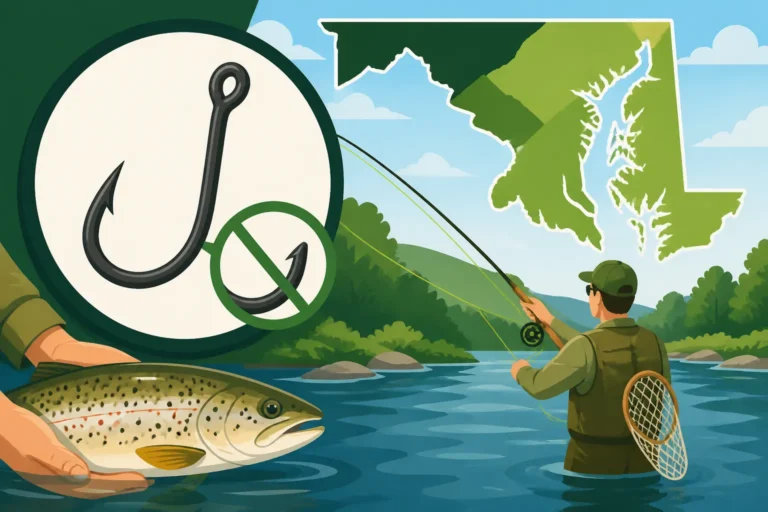
- Understand Special Regulations: The Gunpowder Falls includes a significant "Catch and Release Trophy Trout Fishing Area" that extends from Prettyboy Dam down to the Corbett Road bridge. Within this section, special regulations apply, including the mandatory use of Barbless Hook Rules on Maryland Trout Streams and no harvest allowed. Make sure you're familiar with the specific rules of the section you're fishing.
Where to Buy Your Flies and Gear
Having access to a wide variety of flies and knowledgeable staff is invaluable. You'll find that local fly shops often have the most up-to-date information on what's hatching and what's working best.
- Local Fly Shops: Maryland boasts excellent fly shops that are often hubs of local knowledge. Places like Great Feathers in Monkton, which is practically on the banks of the Gunpowder, or Patuxent River Outfitters offer not only a fantastic selection of flies specifically tied for Maryland waters but also invaluable advice from staff who fish the river regularly. They can tell you exactly what hatch is happening, what depth to fish, and even specific sections that are fishing well. It's a great way to support the local fishing community.
- Online Retailers: For convenience or to find specific patterns that might be harder to source locally, online retailers are a great option. Sites like Amazon offer a vast selection of flies, fly tying materials, and general fly fishing gear, from budget-friendly bulk packs to specialty artisanal ties. If you're looking to stock up on common patterns or buy in larger quantities, Amazon can be a good resource. However, remember that the personalized advice you get from a local shop is often priceless. So, while you can certainly find many patterns on Amazon, don't overlook the benefits of a face-to-face chat with a local expert.
- Building Your Own: Many Gunpowder regulars also tie their own flies. This allows for complete customization and can be incredibly rewarding. If you’re interested in learning, many local shops offer classes, and you can find materials and tools on Amazon or at specialty fly tying stores.
Remember, regardless of where you get your gear, always ensure you have the necessary Maryland Fishing License Guide for 2026 and any required endorsements, such as a Maryland Trout Stamp Requirements if you plan to keep trout in areas where it's allowed. Even for catch and release, understanding Do You Need a Trout Stamp to Catch and Release in Maryland? is important. Being prepared means you can focus on the fishing, not worrying about regulations.
Disclaimer
Please note that fishing regulations, including catch limits, sizes, and seasons, are subject to change. Always consult the latest Maryland Department of Natural Resources (DNR) guidelines before heading out on the water. This guide is for informational purposes only and does not constitute legal advice.