Fishing Thomas Point for Striped Bass
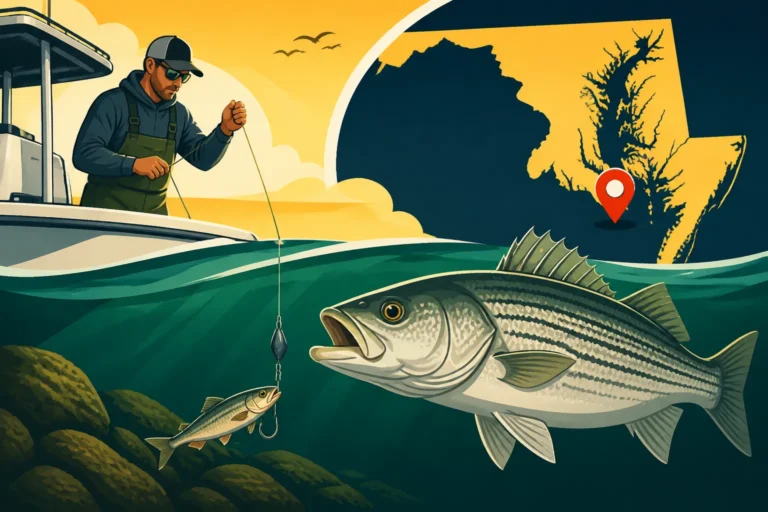
Finding that perfect fishing spot on the vast Chesapeake Bay can feel like searching for a needle in a haystack, especially when you're after something as prized as striped bass. Many anglers get frustrated trying to pinpoint where these elusive "rockfish" gather, often spending more time searching than fishing. This guide is going to take you straight to one of Maryland's most legendary fishing grounds: Thomas Point, and show you exactly how to make the most of your trip for striped bass.
The Allure of Thomas Point for Striped Bass
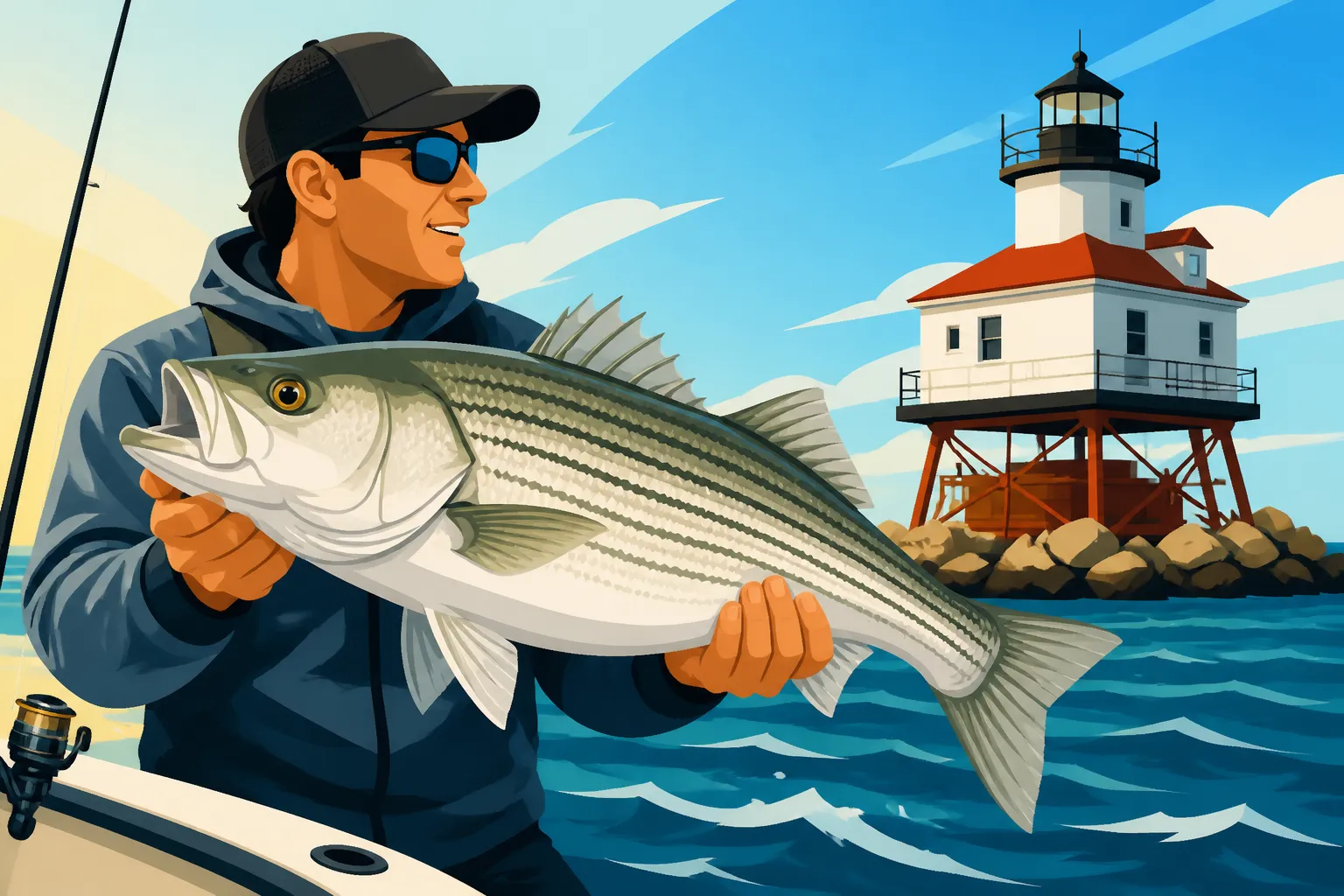
Thomas Point, with its iconic lighthouse standing sentinel, isn't just a picturesque landmark on the Chesapeake Bay; it's a bonafide striped bass hotspot. Anglers from all over Maryland flock here, and for good reason. The unique combination of natural underwater structure, strong currents, and a plentiful food supply makes it an irresistible magnet for rockfish, especially during their migratory periods. It’s not just a rumor; the fish are truly here, drawing in both seasoned captains and hopeful newcomers.
The area around Thomas Point is characterized by a series of humps, ledges, and channels that create complex current patterns. These underwater features act like natural ambush points for striped bass. As the tide pushes water through the Bay, baitfish like menhaden, alewives, and juvenile spot are funneled directly past these structures, providing easy pickings for hungry rockfish. This constant buffet is precisely why the striped bass stick around, making it a reliable fishing ground even when other areas are slow.
The Thomas Point Lighthouse itself is more than just a navigational aid. Its rip-rap foundation provides excellent cover and habitat for smaller baitfish and crustaceans, which in turn attract larger predators. Think of it as an underwater apartment complex for the entire food chain. The constant flow of water around the structure means oxygenated water and a steady supply of food are always present, creating an ideal environment for striped bass to feed and hold. Knowing these nuances about the geography really helps unlock the secrets of this productive area.
Timing Your Trip: Tides and Seasons at Thomas Point
Successfully fishing Thomas Point for striped bass isn't just about showing up; it's about timing. The Bay's tides play an absolutely crucial role, dictating when and where the fish will be most active. Understanding the ebb and flow can make the difference between a frustrating day of casting into empty water and a banner day with consistent bites. It’s a skill that takes practice, but once you crack the code, Thomas Point truly shines.
Many experienced anglers swear by the moving tides, particularly the two hours leading up to and following a tide change, whether it's high or low. These periods often concentrate baitfish and create strong current rips that striped bass love to patrol for an easy meal. During a strong incoming tide, striped bass might hold on the upcurrent side of structures, waiting to ambush anything swept past. Conversely, on an outgoing tide, they could be positioned on the downcurrent side, letting the current bring food to them. Paying close attention to the tide charts, which you can easily access online, is your first step to planning a successful trip. For a deeper dive into this, you might find our guide on How Tides Affect Fishing in Maryland's Chesapeake Bay really helpful.
Seasonal Opportunities for Striped Bass
Thomas Point offers different experiences throughout the fishing seasons. While Maryland has specific Maryland Striped Bass Season and Rockfish Rules that anglers must follow, the general patterns remain.
- Spring (Pre-Spawn & Trophy Season): This is often a highly anticipated time, especially for the "trophy season" when larger migratory striped bass move through the Bay. The fish are often focused on spawning, but pre-spawn staging can lead to some incredible fishing near Thomas Point as they move towards spawning grounds. Trolling large baits or jigs can be particularly effective.
- Summer: As waters warm, striped bass can be found around Thomas Point, often moving into deeper, cooler water during the hottest parts of the day. Early mornings and late evenings are prime times. Live-lining spot or chumming can produce excellent results, as the fish become more resident in certain areas.
- Fall (Post-Spawn & Migration): This is arguably one of the best times to fish Thomas Point. As the water cools, striped bass feed aggressively, putting on weight for their migration south. Large schools of baitfish, like bunker, become prevalent, and the striped bass follow. Jigging, trolling, and live-lining are all highly effective. This period offers fantastic action. If you're wondering about specific dates, checking Maryland's 2026 Striped Bass Season Dates will give you the latest information.
Knowing when to hit the water can be as important as knowing where. Consider our insights on Best Time of Day to Fish Maryland's Chesapeake Bay for more precision.
Mastering Thomas Point Striped Bass Techniques
Fishing Thomas Point successfully requires a few tried-and-true techniques that consistently put striped bass in the boat. While patience is always a virtue, having the right approach for the conditions at hand is paramount. Don't be afraid to switch tactics if one isn't working; the striped bass here can be finicky one day and ravenous the next.
Jigging for Active Fish
Jigging is one of the most popular and effective methods at Thomas Point, especially when striped bass are actively feeding or schooled up. The key is to present your jig vertically, often directly below the boat, or cast it out and retrieve it with a sharp, erratic motion. Diamond jigs, flutter spoons, and soft plastic jig heads with large paddle tails are all excellent choices. Vary your retrieve speed and depth until you find what the fish are responding to. Sometimes, a slow lift and fall is all it takes, while other times, aggressive snaps and drops will trigger a strike. For more detailed tips, you can explore Jigging Techniques for Maryland's Chesapeake Bay Striped Bass. When choosing lure colors, consider what local baitfish look like. Often, chartreuse, white, and natural baitfish patterns are highly effective. A quick search on Amazon will show you the wide variety of jigs and soft plastics available, allowing you to stock up on different sizes and colors before your trip.
Live-Lining and Chumming
When the striped bass are being a bit more stubborn, or when you're looking for larger, more selective fish, live-lining or chumming can be incredibly productive.
- Live-Lining: This involves using live bait, typically a spot, menhaden, or small bunker, hooked through the nose or back and allowed to swim naturally near structures or bait schools. Spot are particularly effective and often readily available from bait shops or by catching them yourself in shallower waters. The natural movement of a live baitfish is often irresistible to a hungry striped bass. Presenting it near a channel edge or a hump at Thomas Point can yield impressive results. Learn more with our guide on Live-Lining Spot for Maryland's Chesapeake Bay Rockfish.
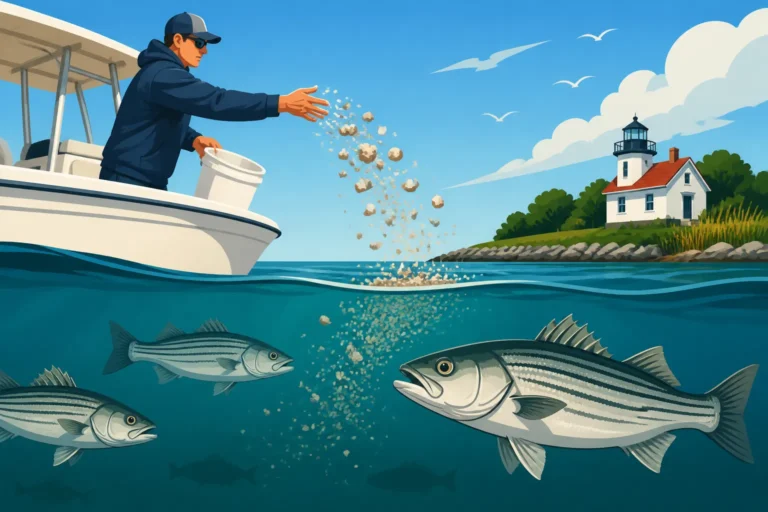
- Chumming: This technique involves deploying a steady stream of ground bait (often bunker or menhaden) into the water to create a scent trail that attracts fish to your boat. Once fish are in the chum slick, you'll present a hook bait (often a chunk of the same chum bait) amongst the free offerings. This can be a fantastic way to draw fish out of deeper water or tight cover. Anchor strategically up-current from where you expect fish to be, allowing the chum to drift down to them.
Remember, both live-lining and chumming require a bit more setup and dedication, but the rewards can be well worth the effort, especially for those bigger 'rockfish'.
Trolling and Casting
Trolling involves dragging lures or baits behind a moving boat, covering a large area and presenting your offerings at various depths. Parachute rigs, spoons, and bucktails trolled on planer boards or downriggers are common at Thomas Point. Adjust your speed and depth until you find where the fish are holding. This is particularly effective during the spring and fall migrations when striped bass are on the move.
Casting artificial lures, such as swimbaits, poppers, or topwater plugs, can be thrilling when fish are busting on the surface. Keep an eye out for bird activity, as diving birds often indicate baitfish being driven to the surface by feeding striped bass. Long casts towards these frenzies, followed by a quick retrieve, can lead to explosive strikes. Our comprehensive guide on Maryland Striped Bass Fishing Techniques offers even more approaches to try.
| Technique | Best Conditions | Target Fish Size | Bait/Lure Examples | Notes |
|---|---|---|---|---|
| Jigging | Active fish, current, structure (humps, ledges) | Medium to Large | Diamond jigs, soft plastics, flutter spoons | Requires good boat positioning and feel for the bite. |
| Live-Lining | Finicky fish, larger fish, warmer water | Medium to Trophy | Live spot, menhaden, bunker | Requires fresh live bait; can be slow but rewarding. |
| Chumming | Drawing fish from deep water, steady bite | Medium to Large | Ground bunker, cut bait | Best when anchored; attracts fish from a wider area. |
| Trolling | Migratory fish, covering large areas, varying depths | Medium to Trophy | Parachutes, spoons, bucktails, umbrella rigs | Efficient for searching; requires specific boat speed and setup. |
| Casting | Surface activity, bird play, shallower water | Small to Medium/Large | Topwater plugs, swimbaits, jerkbaits | Highly engaging; requires accurate casting. |
Gearing Up for Success at Thomas Point
Having the right gear makes all the difference when targeting striped bass at Thomas Point. You don't need the most expensive equipment, but reliable, well-maintained tackle is crucial for landing these powerful fish, especially when they reach impressive sizes. Preparing beforehand will ensure your trip is focused on fishing, not fixing broken gear.
Rods, Reels, and Line
For most Thomas Point striped bass scenarios, you'll want a medium-heavy to heavy action spinning or conventional rod, typically 7 to 8 feet long. This length provides good casting distance for jigs and topwater lures, and enough backbone to muscle in larger fish. Pair this with a robust reel capable of handling braided line in the 30-50 lb test range. Braided line offers superior sensitivity and strength, which is invaluable when jigging in deeper water or feeling subtle bites. Always use a fluorocarbon leader (30-50 lb test) for abrasion resistance and reduced visibility, connecting it to your main line with a strong knot like an FG or Alberto knot. You can find excellent quality rods, reels, and lines at competitive prices on Amazon, ensuring you’re well-equipped.
Terminal Tackle and Baits
Your tackle box should be stocked with a variety of jigs and lures suitable for striped bass. As mentioned, diamond jigs (1-4 oz), flutter spoons, and soft plastics (like Z-Man or Gulp! Jerkshads) are essential. Have a selection of jig heads in different weights to match the current and depth. Circle hooks (5/0 to 8/0) are vital for live-lining and bait fishing, as they help prevent gut-hooking, improving the survival rate of released fish. Swivels, sinkers (egg sinkers or bank sinkers for bottom fishing), and heavy-duty snaps are also must-haves. When buying, remember that brands like Penn and Daiwa offer reliable gear you can often scout for deals on through platforms like Amazon.
Essential Electronics and Safety Equipment
A reliable fishfinder/chartplotter combination is incredibly beneficial at Thomas Point. It allows you to identify baitfish schools, locate striped bass holding on structure, and navigate safely around the various underwater contours. A good GPS will also help you mark productive spots and return to them easily. Before you head out, make sure your electronics are fully charged and updated.
Safety should always be your top priority on the water. Ensure you have properly fitting life jackets for everyone on board, a whistle or horn, flares, a fire extinguisher, and a first-aid kit. A VHF radio is also crucial for communication, especially if you venture out of cell phone range. Even if you're going with a Maryland Charter Boat Fishing License, Who Needs One, it’s good practice to be aware of the safety gear on board. Always check the marine weather forecast before departing and be prepared to turn back if conditions deteriorate. For a comprehensive list of items, see our guide on What to Bring on a Maryland Fishing Charter, as many of these items apply to private boaters too.
Conservation and Regulations at Thomas Point
Fishing at Thomas Point is a privilege, and it comes with the responsibility of adhering to Maryland's fishing regulations and practicing ethical angling. Striped bass populations are carefully managed, and every angler plays a role in their sustainability. Understanding and following the rules isn't just about avoiding penalties; it's about preserving this incredible fishery for future generations. Our article on Maryland Striped Bass Size Limit Explained can provide additional clarity on specific rules.
Always be familiar with the current Maryland Fishing License Guide for 2026 and the specific regulations for striped bass, which can include size limits, creel limits (how many fish you can keep), and seasonal closures. These rules are subject to change, so always check the Maryland Department of Natural Resources (DNR) website before each season or trip. A small ruler or measuring device permanently affixed to your boat or tackle box can save you from a costly mistake.
Practicing catch and release responsibly is another vital aspect of conservation, especially for fish outside the legal slot limit or during closed seasons. Handle fish gently, minimize their time out of the water, and use de-hooking tools to quickly release them. If a fish is deeply hooked, cut the line as close to the hook as possible rather than trying to remove it, which can cause more harm. Wetting your hands before handling a fish helps protect its protective slime coat. By fishing Thomas Point with respect for the resource, we can all ensure that the thrill of catching a Chesapeake Bay striped bass remains a cherished experience.
Disclaimer
Fishing conditions and regulations in Maryland can change rapidly. Always consult the latest Maryland Department of Natural Resources (DNR) official publications and local advisories before heading out on the water. This guide is for informational purposes only and does not supersede official regulations.