Fishing Maryland’s Delayed Harvest Trout Streams
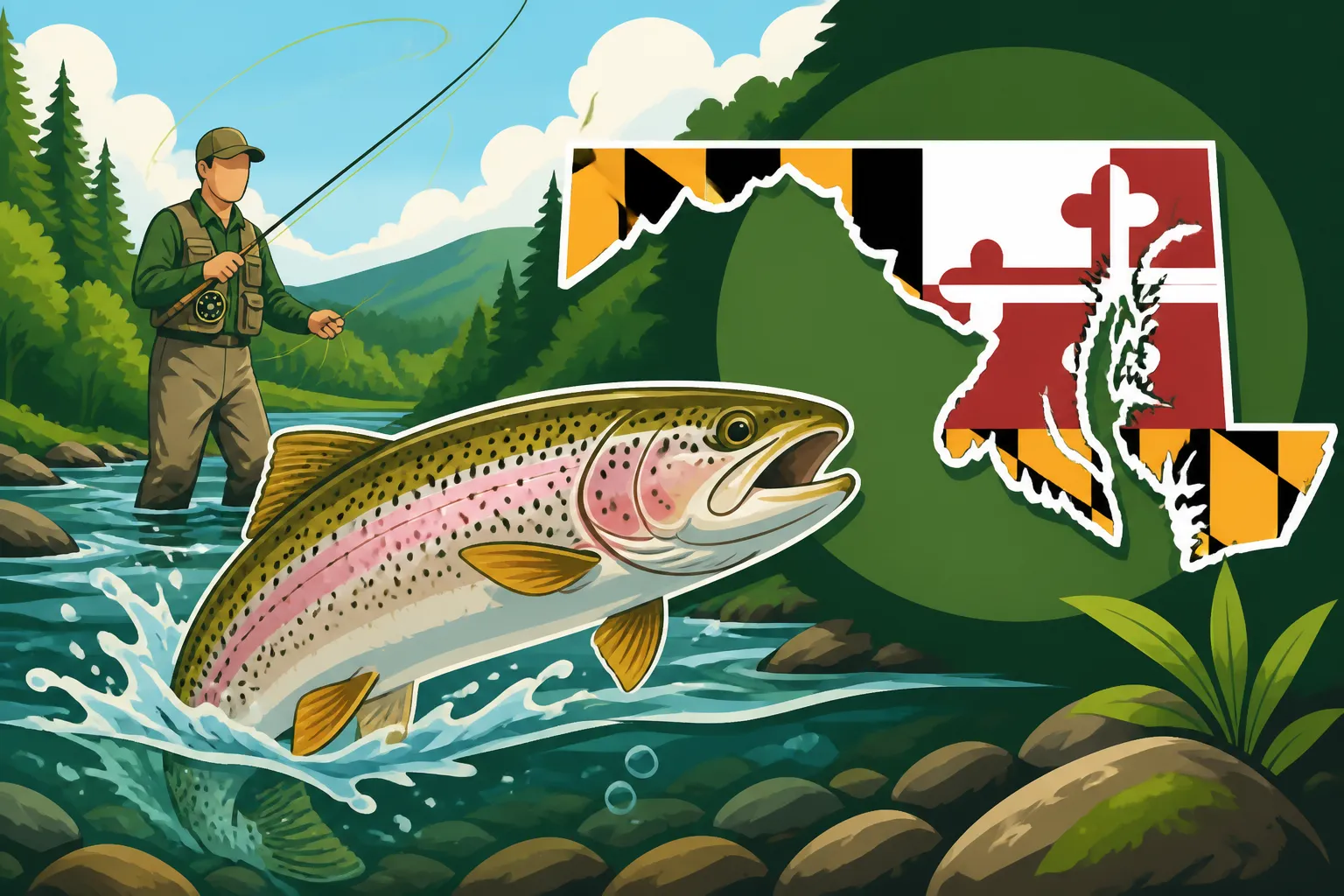
There's nothing quite like the excitement of trout fishing, but let's be honest, those traditional put-and-take seasons can feel fleeting, over almost before they begin. Many of us yearn for longer opportunities to enjoy the pristine waters and the challenge of outsmarting beautiful trout. That's where Maryland's delayed harvest trout streams come in, offering a truly extended season for anglers who want more time on the water, and this guide is designed to help you make the absolute most of them.
Understanding Maryland's Delayed Harvest Trout Program
If you've ever felt frustrated by the rapid catch-and-keep mentality of some stocked trout programs, you're not alone. Maryland's Department of Natural Resources (DNR) recognized this desire for a different kind of trout fishing experience, and that's precisely why the delayed harvest program was put into place. It's a game-changer for those who appreciate a longer, more challenging season focused on angling skill rather than simply filling a creel.
What is a Delayed Harvest Stream?
At its core, a delayed harvest stream is a specific section of a designated waterway where trout are stocked in the fall and early spring, much like conventional put-and-take areas. However, the crucial difference lies in the regulations. For a significant portion of the year, typically from October 1st through June 15th, these streams operate under catch-and-release, artificial lures and flies only rules. This means that the fish stocked in the fall get to live and grow through the winter and spring, providing consistent fishing opportunities for months, rather than weeks.
Imagine having a stream teeming with trout that have acclimated to their environment, grown a bit bigger, and become much warier over time. That's the beauty of delayed harvest. It allows these fish to spread out, establish territories, and behave more like wild trout, offering a more engaging and rewarding experience for anglers. After June 15th, these sections typically revert to standard trout fishing regulations, allowing for harvest, but the extended catch-and-release period is the true highlight.
Key Regulations and Seasonality
The rules for delayed harvest streams are specific and it's absolutely vital to know them before you cast a line, otherwise, you could easily find yourself on the wrong side of the law. From October 1st to June 15th, the primary rule is catch and release only. This means no keeping fish, regardless of size or species. During this period, you are also restricted to using artificial lures and flies only. This explicitly excludes natural baits like worms, corn, or PowerBait. Furthermore, some delayed harvest sections also mandate the use of barbless hooks, or at least hooks that have been de-barbed, to minimize harm to the fish. This is crucial for the survival of the trout as they are caught and released multiple times throughout the season.
Once June 16th rolls around, the regulations typically shift. These streams then usually fall under general trout regulations, which often permit the harvest of a certain number of trout per day, with specific size limits. While the fishing can still be good, the magic of the pure catch-and-release challenge fades a bit, as many fish are harvested. Always double-check the latest Maryland DNR Fishing and Boating Guide, which is updated annually, for the most current information on these specific dates and any potential rule changes. Knowing the exact section boundaries of a delayed harvest area is also key, as they are often clearly marked with signs along the stream.
Why Delayed Harvest Matters to Anglers
For dedicated trout anglers, the delayed harvest program is a gift. It extends the season dramatically, especially through the colder months when other trout opportunities might be limited. Imagine being able to wet a line on a crisp November morning, a chilly February afternoon, or a blossoming April day, knowing that the stream is still holding plenty of healthy, catchable trout. This consistency is a huge draw, preventing that end-of-season slump and keeping your angling skills sharp year-round.
Beyond just extending the season, these streams also foster a different mindset. They promote a focus on technique, presentation, and conservation. Because the fish are caught and released repeatedly, they become "educated" and more challenging to fool, which is incredibly satisfying when you finally connect. It's less about quantity and more about quality of the angling experience. Plus, it gives anglers a chance to hone their skills, experiment with different fly patterns or lure presentations, and truly engage with the delicate ecosystem of a trout stream. It's a wonderful opportunity for beginners to learn and for experienced anglers to refine their craft in a relatively forgiving environment, as long as they adhere to the catch-and-release ethos.
Top Delayed Harvest Trout Streams in Maryland
Maryland boasts several excellent delayed harvest trout streams, each with its own character and charm. From the rugged mountains of Western Maryland to the more accessible waterways closer to the state's population centers, there's likely a delayed harvest gem within a reasonable drive.
Western Maryland Gems
When you think of Maryland trout fishing, chances are your mind drifts to the pristine waters of Western Maryland. These streams, often fed by cold mountain springs, are ideal for supporting trout year-round and are home to some of the state's most celebrated delayed harvest sections.
The Savage River in Garrett County is a legendary name among Maryland trout anglers. Its delayed harvest section, particularly below the Savage River Reservoir, is renowned for its consistent fishing, even through winter. This river offers a truly wild feel, with large boulders, deep pools, and challenging riffles. Anglers here often find themselves casting to both stocked rainbow and brown trout, with the occasional wild brook trout making an appearance in the upper reaches. It's a place that demands careful wading and precise casts, but the rewards are often spectacular. Just be prepared for cold water, even in warmer months, and steep banks in some areas. Further west, the North Branch Potomac River also has some incredible delayed harvest sections, particularly near Barnum, offering a mix of browns, rainbows, and even some smallmouth bass in certain areas when the regulations allow. These larger waters can be waded but are often best fished from a kayak or drift boat, giving you access to more untouched runs.
Central Maryland Favorites
Closer to the Baltimore and Washington D.C. metropolitan areas, central Maryland offers fantastic delayed harvest opportunities that are often more accessible for a quick trip. These streams, while perhaps not as remote as their western counterparts, still provide excellent fishing and beautiful scenery.
The Gunpowder Falls is arguably the most famous delayed harvest stream in central Maryland, if not the entire state. Its blue-ribbon section, particularly downstream from Prettyboy Reservoir, is a designated delayed harvest area that runs for miles. This river is a fly-fishing paradise, famous for its prolific insect hatches and large, wary brown trout. While rainbows are also stocked, the holdover browns are the true prize here, often growing to impressive sizes. Access points are plentiful, making it popular, but there's enough water that you can usually find a quiet stretch, especially during weekdays. Anglers often spend days exploring the various bends, riffles, and pools of the "Gunpowder." Another excellent option is the Patuxent River in Montgomery County. While not as large as the Gunpowder, its delayed harvest section below the Brighton Dam is a beautiful, intimate stream that offers solid fishing for stocked rainbows and browns. It's a great spot for those looking for a quieter experience and is often less crowded than some of the more well-known rivers. You can typically find good parking and easy access here, making it a good choice for a spontaneous outing.
Lesser-Known Opportunities
While the big names draw the crowds, Maryland has several other smaller, yet equally rewarding, delayed harvest streams that often get less pressure. These can be fantastic spots for a more peaceful day on the water, or for those days when you want to explore somewhere new.
For instance, parts of Big Hunting Creek in Frederick County offer delayed harvest regulations, providing a delightful mountain stream experience. It's a narrower, more intimate stream, perfect for anglers who enjoy close-quarters casting and precise presentations. The fish here can be a bit more challenging due to the clear water and smaller stream size, but the reward of hooking a healthy trout in such a picturesque setting is immense. Similarly, some sections of the Bush Creek in Frederick County provide excellent, though smaller-scale, delayed harvest fishing. These streams might not hold the trophy-sized trout of the Gunpowder or Savage, but they offer consistent action and a chance to truly enjoy the serenity of nature. Always check the latest Maryland DNR regulations for specific sections, as these smaller streams can sometimes have more localized rules or seasonal nuances that are important to observe. Discovering these hidden gems can be incredibly rewarding, offering a sense of solitude that's harder to find on the more popular waters.
Essential Gear and Tackle for Delayed Harvest Fishing
Fishing delayed harvest streams requires a slightly different approach than typical put-and-take areas. Given the "artificial lures and flies only" rule for much of the season, and the more educated nature of the fish, your gear choices become even more critical for success.
Fly Fishing Essentials
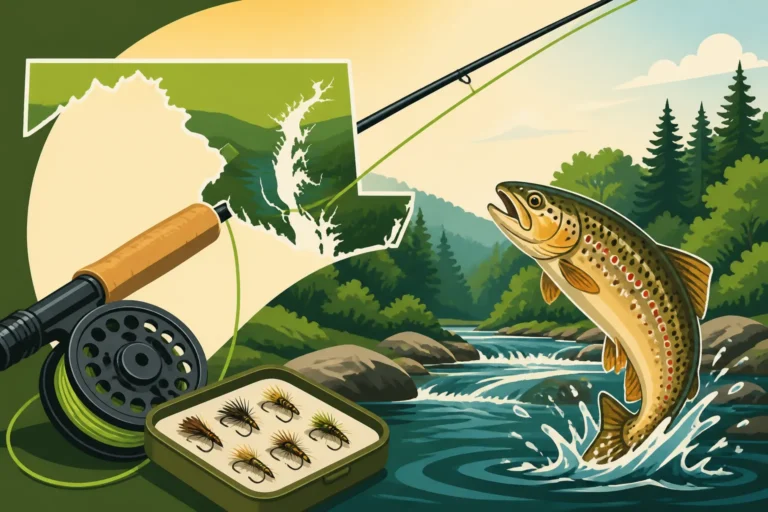
For many, fly fishing is the quintessential method for delayed harvest trout, and for good reason. It allows for delicate presentations and the ability to "match the hatch" with specific insect patterns. A good starting point for a fly rod setup would be a 4-weight or 5-weight rod, usually in an 8.5 to 9-foot length. This size offers enough backbone to handle larger trout while still providing the sensitivity for smaller fish and delicate casts. Pair this with a matching fly reel that has a smooth drag system, and a quality weight-forward floating line. You'll also need a variety of leaders and tippet material, ranging from 3X down to 6X, to present your flies naturally.
When it comes to flies, diversity is key. You'll want a selection of nymphs (e.g., Pheasant Tails, Hare's Ears, Prince Nymphs) in various sizes, as these imitate the subsurface insects that trout feed on most often. Don't forget some emerger patterns for when insects are rising to the surface, and a few dry flies (e.g., Caddis, Adams, Parachute Adams) for when trout are actively feeding on the surface. Streamers (e.g., Woolly Buggers, Sculpins) are also crucial, especially for targeting larger, more aggressive trout. Carrying a small fly box from a brand like Amazon Basics or a more specialized company filled with a variety of these patterns will ensure you're ready for whatever the fish are feeding on. Think about seasonal changes too; smaller dries in summer, larger nymphs in winter. You can always add a strike indicator or split shot to your setup if you're fishing nymphs in deeper water to help with presentation and bite detection.
Spin Fishing Setups
While fly fishing is popular, spin fishing can be incredibly effective on delayed harvest streams, provided you stick to artificial lures. The key is to use light tackle that allows for subtle presentations. A light or ultra-light spinning rod, typically 6 to 7 feet long, paired with a small spinning reel spooled with 4 to 6 lb test monofilament or fluorocarbon line, is ideal. The lighter line helps with casting small lures and offers less visibility in clear water.
Your lure selection should focus on small, subtle presentations. Popular choices include small inline spinners (e.g., Mepps, Rooster Tail) in sizes #0 to #2, which imitate baitfish or larger insects. Mini jigs with soft plastic bodies (e.g., Trout Magnet, Johnson Beetle Spin) are also incredibly effective, especially when fished under a small bobber or retrieved slowly along the bottom. Small stickbaits or crankbaits that mimic minnows can also work wonders, especially in deeper pools. Remember, the goal is to imitate natural prey, so choose lures with natural colors like silver, gold, brown, or olive, especially when the water is clear. You can find a wide array of these small trout lures on sites like Amazon, making it easy to stock up. Always ensure your chosen lures have single, barbless hooks if that regulation is in effect, or pinch down the barbs on treble hooks yourself.
Waders, Boots, and Safety Gear
Beyond your rod and reel, proper attire and safety gear are paramount for comfort and safety on delayed harvest streams, especially during the colder months when these fisheries truly shine. Waders are a non-negotiable item. Chest waders, made from breathable material like Gore-Tex or neoprene, will keep you dry and warm. Pair them with sturdy, felt-soled or rubber-soled wading boots that offer good ankle support and grip on slippery rocks. Always wear layers underneath your waders, even on seemingly mild days, as stream water temperatures can be surprisingly frigid.
Safety should always be your top priority. A wading belt should be worn tightly around your waders to prevent water from rushing in if you take an accidental tumble. A personal flotation device (PFD) is also highly recommended, especially when wading in swift currents or cold water. Other essential items include a net (preferably rubberized to protect fish scales and slime), a pair of pliers or hemostats for hook removal, and a small first-aid kit. A water bottle to stay hydrated, and some snacks, are also a good idea. In colder weather, consider hand warmers, a warm hat, and waterproof gloves. If fishing in remote areas, a whistle and knowing your route in and out can be crucial. Many anglers also find a sturdy wading staff helpful for stability on uneven bottoms. You can assemble a comprehensive safety kit by finding individual items or pre-packaged kits on Amazon.
Proven Techniques for Success on Delayed Harvest Waters
Fishing delayed harvest streams successfully often comes down to finesse, observation, and understanding trout behavior. These fish aren't freshly stocked and naive; they've seen a hook or two, and they've learned to be cautious.
Matching the Hatch and Fly Selection
Fly anglers live by the phrase "matching the hatch," and it's particularly relevant on delayed harvest streams. Trout feed primarily on insects, both aquatic and terrestrial, and their diet can change rapidly based on the season and prevailing conditions. In early spring, you'll want to focus on nymphs that mimic emerging insects like Hendricksons, Quill Gordons, or Blue-Winged Olives, as well as caddis larvae. Fish these close to the bottom, often with a strike indicator, drifting them naturally through runs and pools. As spring progresses and water temperatures warm, emerger patterns become effective as insects begin to ascend to the surface.
Summer can bring prolific dry fly fishing during morning and evening hatches of caddis, mayflies, and even terrestrials like grasshoppers or ants. Keep a keen eye on the water's surface for rising fish, and try to match the size, shape, and color of the natural insects they're feeding on. In the fall, when many delayed harvest streams are first stocked, trout can be aggressive and willing to hit a variety of patterns, including streamers like Woolly Buggers. As the season progresses into winter, fish often retreat to deeper, slower pools, and large, weighted nymphs or tiny midges become the go-to patterns. The key is constant observation – turn over rocks to see what nymphs are present, watch for rises, and adapt your fly choice accordingly. You can purchase specific fly assortments tailored to different hatches from reputable fly shops or online retailers like Amazon.
Presenting Lures and Bait Effectively
For spin anglers, effective presentation is just as crucial as fly selection. Trout in delayed harvest streams are wary, so noisy splashes or unnatural movements will quickly spook them. When casting spinners or small crankbaits, aim to land your lure softly upstream of where you expect fish to be holding, then retrieve it downstream with the current, letting it tumble and flash naturally. Vary your retrieve speed – sometimes a slow, steady retrieve is best, other times a quick twitch followed by a pause can trigger a strike.
When using mini jigs or soft plastics, think about how a natural insect or baitfish would behave. If you're fishing them under a small bobber, make sure the bobber is only just large enough to keep your lure off the bottom, allowing it to drift naturally. If bottom-bouncing, use the lightest weight possible to maintain contact with the bottom without dragging unnaturally. A "drift and twitch" method can be very effective: cast upstream, let the lure drift naturally, then impart small twitches with your rod tip to simulate movement. Always keep your rod tip pointed towards your lure, maintaining tension in your line to feel even the most subtle bites. Remember, clear water means fish can see well, so consider using fluorocarbon leaders to reduce line visibility.
Reading the Water and Finding Trout
Trout are creatures of habit and prefer specific types of water that offer food, cover, and comfortable temperatures. Learning to "read the water" is perhaps the most important skill you can develop for delayed harvest fishing. Pools are obvious holding areas, especially deeper ones where trout can escape strong currents and find refuge. Fish the head of the pool (where water enters), the tail of the pool (where water exits), and any structure within, like submerged logs or rocks.
Riffles, the shallower, faster-moving sections, are feeding lanes where oxygenated water dislodges insects. Look for current seams, where fast water meets slow water, as trout will often hold in the slower current, waiting for food to drift by. Runs, which are deeper, smoother sections of moving water, are also prime locations. Pay attention to changes in depth, rocks, or undercut banks – these all provide cover and ambush points for trout. During colder months, trout will often be found in the deepest, slowest parts of pools, conserving energy. As temperatures warm, they might move into faster-moving, more oxygenated water. Observe where others are fishing, but don't be afraid to explore stretches that might look less appealing, as these can often hold unpressured fish. The more time you spend observing the water, the better you'll become at predicting where trout will be.
Navigating the Challenges and Maximizing Your Experience
Delayed harvest streams, while offering fantastic fishing, also present unique challenges. Being prepared for these, and understanding how to act responsibly, will truly maximize your time on the water.
Dealing with Cold Weather and Water Conditions
One of the biggest advantages of delayed harvest streams is their extended season into the colder months, but this also means dealing with frigid conditions. Proper layering is absolutely essential. Start with a moisture-wicking base layer, add a fleece or wool mid-layer, and finish with a waterproof and windproof outer shell. Don't forget a warm hat, a neck gaiter, and insulated, waterproof gloves, especially for days when you'll be handling cold water. Many anglers carry hand warmers in their pockets or gloves for quick relief.
The cold water itself presents challenges. Your line can become stiff, and ice can form on your rod guides, making casting difficult. Carry a small container of anti-freeze solution (often sold specifically for fishing) or chapstick to apply to your guides to prevent ice buildup. Be extra cautious when wading in cold water, as hypothermia is a serious risk. Always test your footing, and consider a wading staff for added stability. If you're new to fishing in cold weather, start with shorter trips and gradually extend your time as you get more comfortable. It’s better to cut a trip short and stay warm than risk a dangerous situation.
Managing Crowds and Fishing Etiquette
Because delayed harvest streams offer such a valuable, extended opportunity, they can sometimes draw significant crowds, especially on weekends or during peak spring stocking periods. Patience and good fishing etiquette are key to ensuring everyone has an enjoyable experience. If you arrive at a popular spot and see someone already fishing a prime run, give them ample space. Don't crowd them, and certainly don't cast over their line. A general rule of thumb is to give at least one cast length of space between yourself and the next angler, more if the stream allows.
If you're moving upstream or downstream and encounter another angler, give them a wide berth, often walking away from the bank to avoid spooking the fish they might be targeting. A simple nod or "hello" can go a long way. If you notice an angler has been in the same spot for a while without moving, it's polite to ask if they plan to move soon before setting up shop too close. Remember, we're all out there to enjoy the peace and challenge of fishing. Respecting others' space and their right to enjoy the resource ensures that the experience remains positive for everyone.
Conservation and Catch-and-Release Practices
The success and longevity of Maryland's delayed harvest program depend heavily on anglers practicing responsible catch and release. Since fish are caught multiple times over many months, minimizing stress and injury is paramount. Always use a net (preferably one with a rubberized mesh that is gentle on fish) to land your fish quickly. Avoid playing the fish to exhaustion, especially larger ones. Keep the fish in the water as much as possible, using a pair of hemostats or pliers (easily found on Amazon or at any tackle shop) to quickly remove the hook.
If you must take a photo, do so quickly, keeping the fish low over the water, and return it as soon as possible. Avoid touching the fish with dry hands, as this can remove their protective slime layer, making them susceptible to disease. Handle them gently, supporting their body, particularly the belly, and avoid squeezing. If a fish seems sluggish before release, hold it gently in the current until it regains its strength and swims away on its own. Remember, the goal of delayed harvest is to provide extended fishing, which means those fish need to survive your encounter to be caught another day. By practicing careful catch-and-release, we contribute directly to the health of the fishery. You can learn more about specific regulations and best practices in Maryland's DNR Fishing and Boating Guide, Explained.
Comparing Popular Delayed Harvest Streams
Maryland's delayed harvest streams offer varied experiences. Here's a quick look at some key characteristics:
| Stream Name | Primary Location | Typical Fish Species | Primary Access Points | Notable Features |
|---|---|---|---|---|
| Gunpowder Falls | Baltimore County | Brown, Rainbow Trout | Falls Road, Masemore Road, Bunker Hill Road | Blue ribbon trout stream, diverse hatches, year-round cold water |
| Savage River | Garrett County | Brown, Rainbow, Brook | Savage River State Forest access points | Mountainous, wild feel, technical wading, challenging trout |
| North Branch Potomac | Garrett County | Brown, Rainbow Trout | Westernport, Barnum area, various pulloffs | Larger river, can be waded or floated, good numbers of fish |
| Patuxent River | Montgomery County | Rainbow, Brown Trout | Brighton Dam Park, various parking areas | More intimate, less crowded, good for fly and light spin fishing |
| Big Hunting Creek | Frederick County | Rainbow, Brown, Brook | Cunningham Falls State Park, Gambrill State Park | Classic small mountain stream, beautiful scenery, tight casting |
For more detailed information on specific locations and how to access them, check out our guide on the Best Places to Fish in Maryland, or even deeper dives like Fishing the Gunpowder River for Trout. And for those curious about what a Maryland Fishing License Guide for 2026 entails, we've got you covered there too! If you're wondering about specific tackle to bring, you might also find our article on Fly Fishing Gear for Maryland Trout Streams helpful. Don't forget to review Maryland Trout Stamp Requirements if you plan to fish these waters! Sometimes, you might even consider the Best Time of Year to Fish in Maryland for trout to plan your trips, especially around Maryland's Spring Trout Stocking Season or Maryland's Fall Trout Stocking Season. Remember to check Maryland's 2026 Striped Bass Season Dates if you plan to fish other waters, as well as the Maryland Fishing Size and Catch Limits by Species for all regulations.
Disclaimer
The information provided in this guide is for general informational purposes only and is subject to change. Fishing regulations, season dates, and specific rules for delayed harvest streams are set by the Maryland Department of Natural Resources (DNR) and can be updated annually or even mid-season. Always consult the official Maryland DNR Fishing and Boating Guide or their website for the most current and accurate regulations before you go fishing. Failure to comply with regulations can result in fines and penalties.