Fishing Near the Chesapeake Bay Bridge
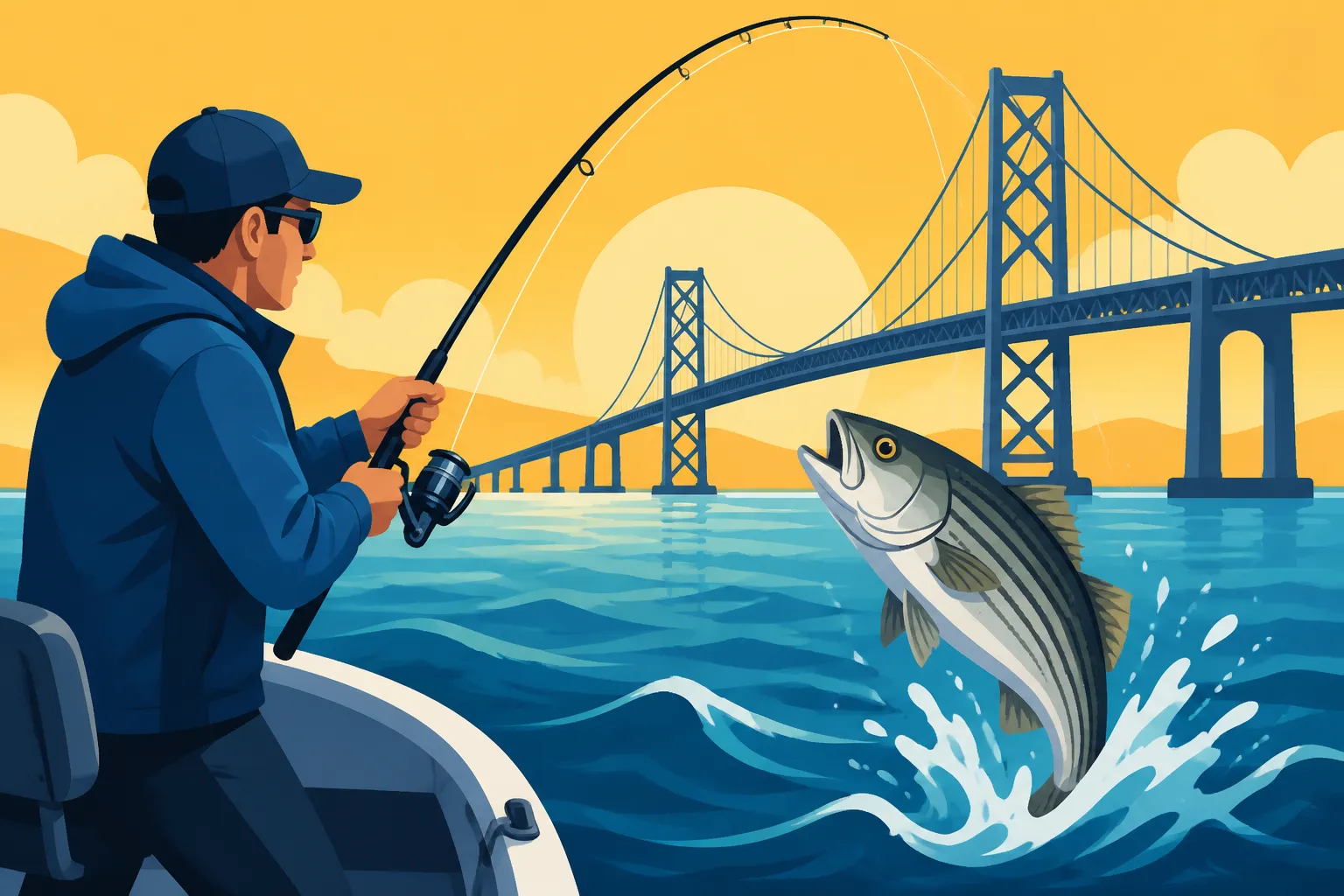
Standing on the shore, gazing out at the magnificent Chesapeake Bay Bridge, it’s easy to feel a little intimidated by the sheer scale of fishing opportunities it presents. Many anglers wonder how to even begin to tackle such a vast and complex environment, often feeling overwhelmed by the currents, boat traffic, and the seemingly endless array of pilings. This guide is here to demystify fishing near the Chesapeake Bay Bridge, offering practical advice, detailing effective techniques, and helping you understand the best times and places to find success in this iconic Maryland fishing destination.
The Magnetic Allure of the Chesapeake Bay Bridge for Anglers
The Chesapeake Bay Bridge isn't just a marvel of engineering; it's a colossal artificial reef and a vibrant ecosystem that draws in fish from all corners of the Bay. For generations, anglers have recognized its magnetic pull, making it one of Maryland's most productive and popular fishing destinations. Its structure acts as a natural aggregation point, creating ideal habitats and feeding grounds that are hard to replicate elsewhere.
The Underwater Landscape: Piles and Rubble
Beneath the towering spans of the Chesapeake Bay Bridge lies a complex underwater city built of concrete, steel, and a significant amount of strategically placed riprap and rubble. These bridge pilings, often referred to as "the piles," are covered in barnacles, mussels, and various forms of marine growth, which in turn attract a dense population of smaller baitfish and crustaceans. This extensive structure creates countless nooks and crannies, offering shelter from strong currents and hiding spots for predatory fish.
The sheer volume of this underwater architecture provides vast areas for fish to hold, making it challenging yet rewarding to locate them. Think of it like a giant apartment complex for fish, with different species preferring different "floors" or sections of the pilings based on depth, current, and available food. The varying depths around the bridge, from shallower areas to deep channels, cater to a wide range of fish species throughout the year.
Current and Baitfish Magnets
The Chesapeake Bay Bridge is situated in a high-current area of the Bay, which is a major factor in its productivity. Strong tidal currents sweep through the bridge structure, bringing with them a constant supply of food. This moving water oxygenates the area and disorients baitfish, making them easier targets for larger predators. These currents also help to concentrate baitfish schools against the pilings and along the channel edges, essentially creating a conveyor belt of food.
Common baitfish like menhaden (bunker), spot, croaker, and various species of herring are frequently found schooling around the bridge. These baitfish are the primary food source for many of the larger game fish that patrol the area, most notably striped bass, often called rockfish in Maryland. The presence of dense baitfish schools is often the first clue that larger predators are nearby, and understanding how these currents funnel and concentrate bait is key to successful fishing here.
Top Fishing Techniques to Master Around the Bridge
Fishing near the Chesapeake Bay Bridge demands a versatile approach. The varying depths, currents, and structures mean that no single technique will always work, but mastering a few key methods will significantly increase your chances of success. It's about adapting to the conditions and the behavior of the fish on any given day. If you're looking for guidance, remember that reputable platforms like FishingBooker can connect you with experienced captains who specialize in these techniques.
Jigging the Pilings
Jigging is arguably one of the most effective and popular methods for targeting fish, especially striped bass, around the Chesapeake Bay Bridge pilings. This technique involves dropping a leadhead jig, often adorned with a soft plastic body (like a Sassy Shad or BKD), down to the desired depth and then working it with an upward and downward motion to mimic a wounded baitfish. The key is to get your lure as close to the pilings as possible, where the fish are often holding tight to the structure.
You'll typically use heavier jigs, ranging from 1 to 3 ounces, depending on the current strength and depth. Look for active fish on your sonar, often positioned directly on or just off the pilings. Many anglers find success by letting the jig drop to the bottom, then reeling up a few cranks and jigging through the water column. Sometimes, a slow, methodical retrieve is best, while other times a more aggressive snap-jigging motion will trigger strikes. For detailed strategies, check out guides on Jigging Techniques for Maryland's Chesapeake Bay Striped Bass.
Trolling the Channel Edges
Trolling is another time-tested method, particularly effective when fish are spread out along the deeper channel edges or suspended in the water column. Around the Chesapeake Bay Bridge, the main shipping channels provide distinct depth contours that game fish use as travel lanes and ambush points. Trolling allows you to cover a lot of water and present multiple lures at different depths simultaneously.
Popular trolling setups include surgical hoses, Mojos, and bucktail jigs fished in tandem or on umbrella rigs. Depths are controlled using inline weights, planer boards, or downriggers. The trick is to find the right speed (typically 2-4 knots) and depth where the fish are feeding. Pay close attention to your fish finder for bait schools or arcs representing game fish. Captains listed on sites like FishingBooker often have specialized trolling gear and deep knowledge of the specific channels and depths that are productive. You can dive deeper into this with resources like Trolling Bucktails for Maryland Striped Bass.
Live-Lining for Trophy Fish
When big striped bass are around, particularly during warmer months, live-lining can be an incredibly potent technique. This involves presenting a live baitfish, such as a spot, white perch, or small menhaden, on a hook near the bridge structure. The natural movement of a struggling live bait is often irresistible to large predatory fish.
To live-line, you'll need to catch your bait first, usually with a bottom rig and small hooks or a sabiki rig. Once you have live bait, rig it carefully through the nose or back, using a circle hook to minimize gut-hooking. Position your boat upcurrent of the pilings or known fish holding areas, and let your bait drift naturally back towards the structure. A light to medium sinker might be needed to get the bait down, but try to let it swim as freely as possible. The take from a big rockfish on a live-line is often unmistakable and thrilling. Learn more about Live-Lining Spot for Maryland's Chesapeake Bay Rockfish for specific tactics.
Bottom Fishing the Deeper Spots
While striped bass often steal the show, the deeper areas around the bridge are also fantastic for bottom fishing, particularly for species like blue catfish, white perch, and croaker. This technique is straightforward: bait a hook with squid, clam snouts, bloodworms, or cut bait, and present it on the bottom using a bottom rig.
Look for areas with slightly less current or deeper pockets away from the immediate pilings. Drop your rig, let it hit the bottom, and wait for a bite. Bottom fishing is particularly good for families or beginners, as it's less technique-intensive and often yields consistent action. Remember that Bottom Fishing Techniques for Maryland Catfish can be very effective in these deeper zones, especially with invasive blue catfish becoming more prevalent.
What You'll Catch and When: Seasonal Opportunities
The Chesapeake Bay Bridge area is a year-round fishery, but the target species and their activity levels change dramatically with the seasons. Understanding these patterns is crucial for planning a successful trip. Always consult the Maryland Striped Bass Season and Rockfish Rules and Maryland Fishing Size and Catch Limits by Species before heading out, as regulations frequently change.
Seasonal Targets: Rockfish and More
- Spring (March – May): This is a thrilling time, particularly during the Best Time of Year to Fish in Maryland for trophy striped bass. Large migratory rockfish move into the Bay to spawn, and while many areas become catch-and-release only, the main stem of the Bay near the bridge can offer opportunities, depending on specific regulations that vary year to year. After the spawn, resident striped bass become more active. White perch also make their spawning runs into tributary rivers, but can still be found staging around the bridge.
- Summer (June – August): As water temperatures rise, striped bass often move into deeper, cooler waters around the bridge. This is prime time for live-lining spot or chumming, especially early in the morning or late in the evening. Croaker, spot, and flounder become abundant, offering excellent light tackle opportunities. You might also encounter bluefish. Be mindful of potential Maryland Striped Bass Season and Rockfish Rules closures or restrictions during the hottest summer months, particularly August.
- Fall (September – November): Many anglers consider fall to be the absolute best time to fish the bridge. Striped bass become incredibly aggressive, fattening up for their migration. Jigging, trolling, and live-lining all produce excellent results. Massive schools of baitfish can be seen, often with birds diving, signaling a rockfish blitz. This is when some of the biggest fish of the year are caught, and the action can be non-stop. Tautog also become a target as water cools.
- Winter (December – February): Fishing becomes more challenging but can still be rewarding for hardy anglers. Deeper areas around the bridge can hold striped bass, often in large schools, which can be targeted with vertical jigging. However, these fish are generally less active, and weather conditions can make trips unpredictable. White perch can also be found in deeper holes.
Other Species You Might Hook
Beyond the celebrated striped bass, the Chesapeake Bay Bridge area hosts a diverse array of fish, providing continuous action even when rockfish are scarce.
- White Perch: These feisty panfish are abundant and can be caught almost year-round. They respond well to bottom rigs baited with bloodworms, grass shrimp, or small pieces of squid. They offer excellent sport on light tackle and are delicious to eat.
- Blue Catfish: An invasive species, blue catfish are plentiful in the deeper parts of the Bay and its tributaries, and the bridge area is no exception. They grow to impressive sizes and put up a strong fight. They'll readily take cut bait (like fresh bunker or chicken liver) on a bottom rig. There are generally no Maryland Fishing Size and Catch Limits by Species on blue catfish, and anglers are encouraged to keep them.
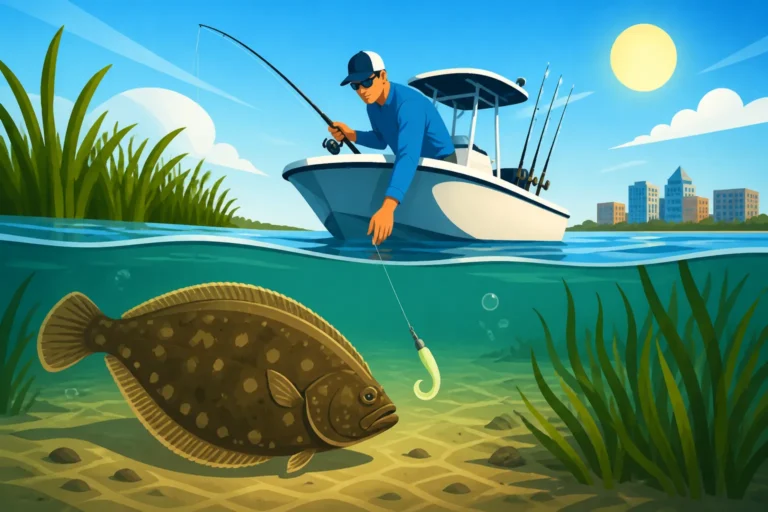
- Flounder: During warmer months, especially in late spring through early fall, flounder can be found around the sandy bottoms near the bridge. They are often targeted with a flounder rig baited with live minnows, squid strips, or Gulp! artificial baits.
- Tautog (Blackfish): These structure-loving fish become active as water temperatures cool in the fall and winter. They are notorious for their strong bite and require specialized techniques, often involving green crabs or fiddler crabs fished tight to the pilings. They are challenging but incredibly rewarding to catch.
| Season | Primary Targets | Effective Techniques | Best Bait/Lures |
|---|---|---|---|
| Spring | Striped Bass (Trophy & Resident), White Perch | Jigging, Trolling, Live-Lining (late spring) | Large soft plastics, Mojos, Bucktails, Live Spot |
| Summer | Striped Bass, White Perch, Croaker, Spot, Flounder, Bluefish | Live-Lining, Jigging, Bottom Fishing, Trolling | Live Spot, Cut Bait, Bloodworms, Squid, Gulp! Minnows |
| Fall | Striped Bass (Aggressive), Tautog, White Perch, Bluefish | Jigging, Trolling, Live-Lining | Soft plastics, Bucktails, Umbrella Rigs, Live Spot, Green Crabs |
| Winter | Striped Bass (Deep), White Perch, Tautog, Blue Catfish | Vertical Jigging, Bottom Fishing | Heavy jigs, Cut Bait, Green Crabs |
Essential Gear and Critical Safety for Bridge Fishing
Fishing near the Chesapeake Bay Bridge is an exhilarating experience, but it also requires specific gear and a keen awareness of safety protocols. The strong currents, heavy boat traffic, and challenging structure demand respect and preparation.
Must-Have Gear for Bridge Fishing
- Rods and Reels: You'll want a sturdy medium-heavy to heavy action rod, typically 6.5 to 7.5 feet long, paired with a reliable conventional or spinning reel capable of holding at least 200 yards of 30-50 lb braided line. Braided line is crucial for cutting through current and feeling subtle bites in deeper water. A fluorocarbon leader (30-60 lb test) is highly recommended for abrasion resistance against the pilings.
- Lures and Baits: Stock up on a variety of jig heads (1-3 oz) and soft plastic bodies in various colors (chartreuse, white, pink, pearl are popular). Bucktails, spoons, and dive-planers for trolling are also staples. For bottom fishing, bloodworms, squid, or fresh cut bait (like bunker or white perch) are excellent. If live-lining, a baitwell to keep your spot or menhaden frisky is essential.
- Terminal Tackle: Heavy swivels, snap swivels, circle hooks (sizes 5/0-9/0 for rockfish), octopus hooks (sizes 1/0-3/0 for perch), and plenty of bank sinkers (2-8 oz) are necessary to cope with the currents. Always bring more tackle than you think you'll need; the bridge pilings are notorious for snagging gear.
- Electronics: A good quality fish finder/chartplotter is invaluable for locating structure, marking fish, and navigating safely. GPS is critical for staying on your desired drifts and avoiding restricted areas.
Navigational and Safety Precautions
Fishing near the Chesapeake Bay Bridge is not for the faint of heart, especially if you're operating your own vessel. The combination of strong currents, heavy commercial and recreational boat traffic, and proximity to massive bridge structures demands constant vigilance.
- Understand the Currents: Tidal currents can be incredibly powerful around the bridge. Always be aware of the tide schedule. Drift fishing requires careful boat control, often using your motor to slow or guide your drift. Know how to position your boat safely relative to the current and other vessels.
- Watch for Boat Traffic: The main shipping channels run directly under the bridge. Large commercial vessels, barges, and even smaller recreational boats use these channels frequently. Always maintain a safe distance from other boats and avoid anchoring in or obstructing shipping lanes. A good pair of binoculars can help you spot approaching vessels early.
- Familiarize Yourself with Navigation: Study marine charts of the area. Understand the depths, channel markers, and any restricted zones. There are areas under the bridge where anchoring or stopping is prohibited due to safety or environmental concerns.
- Essential Safety Gear: Beyond standard Maryland Fishing License Guide for 2026 requirements, always carry a VHF radio, flares, a first-aid kit, a horn or whistle, and ensure all passengers have readily accessible life jackets. Operating close to such a large structure can create unexpected situations. If you're considering a guided trip, booking through a service like FishingBooker ensures you'll be with a licensed captain who prioritizes safety and navigates these waters daily.
Navigating Access, Regulations, and Local Knowledge
Getting out on the water and understanding the rules are two fundamental steps to successfully fishing near the Chesapeake Bay Bridge. While the bridge itself doesn't have direct public fishing access from the structure, there are numerous ways to get to the prime fishing grounds by boat.
Public Access Points and Boat Launches
Since you can't fish directly from the bridge, a boat is essential for accessing the best spots. Fortunately, there are several excellent public boat ramps nearby that provide convenient access to the central Bay and the bridge area.
- Sandy Point State Park (Eastern Shore Side): This is one of the most popular and well-equipped boat ramps, offering multiple launching lanes, ample parking, and easy access to both the bridge's eastern and western spans. It's a fantastic choice, especially for larger boats.
- Matapeake State Park (Eastern Shore Side): Located on Kent Island, Matapeake offers another great launch point with good parking and access to the eastern side of the bridge. It also features a dog beach and a public fishing pier, though fishing from the pier itself doesn't give you access to the same deep-water structure as a boat.
- Annapolis Area Ramps (Western Shore Side): While a bit further from the immediate bridge structure, ramps around Annapolis offer access to the western side of the Bay and are popular for those coming from the capital region.
Choosing the right ramp depends on your starting point and target area. For a comprehensive list of launch sites, consider looking at Best Boat Ramps on the Chesapeake Bay in Maryland. Remember to factor in travel time to the bridge and how much fuel you'll need. Many anglers use services like FishingBooker to find a local charter out of these ports, avoiding the hassle of trailering a boat and navigating themselves.
Understanding Local Fishing Rules
Fishing in Maryland, especially in the busy Chesapeake Bay, comes with a clear set of rules and regulations designed to manage fish populations and ensure angler safety. Failing to adhere to these rules can result in significant fines and penalties.
- Fishing Licenses: Anyone 16 years or older needs a Maryland Fishing License Guide for 2026 to fish in Maryland waters. For the Chesapeake Bay, you'll need a Maryland Chesapeake Bay Sport Fishing License Explained. It's crucial to have the correct license for the waters you plan to fish, whether tidal or nontidal.
- Size and Creel Limits: As mentioned earlier, Maryland Fishing Size and Catch Limits by Species are strictly enforced for popular species like striped bass. These limits can change year-to-year or even mid-season, so always consult the most current Maryland's DNR Fishing and Boating Guide, Explained available from the Maryland Department of Natural Resources (DNR) website.
- Seasons and Closures: Certain species, particularly striped bass, have specific open and closed seasons, as well as specific slot limits or harvest areas. Be aware of Maryland Striped Bass Season and Rockfish Rules, including any spawning river closures in spring or catch-and-release periods in summer.
- Navigational Rules: Beyond fishing regulations, standard boating safety and navigation rules apply. This includes understanding right-of-way, speed limits, and no-wake zones, especially near busy areas like the bridge or boat ramps.
Taking the time to understand these regulations is not just about avoiding fines; it's about being a responsible angler and contributing to the health of the Chesapeake Bay's fishery for future generations.
Disclaimer
The information provided in this guide is for general informational purposes only and is subject to change. Fishing regulations, seasons, and licensing requirements in Maryland are updated frequently by the Department of Natural Resources (DNR). It is always the angler's responsibility to consult the latest official Maryland DNR regulations before engaging in any fishing activity. Always prioritize safety on the water.