Where to Fish the Chesapeake Bay Without a Boat
It's a common misconception that you need a fancy boat to enjoy the incredible fishing opportunities the Chesapeake Bay offers. Many anglers dream of targeting Maryland's famous rockfish or tasty white perch but feel excluded without their own vessel. That can be a real bummer, seeing all those boats out on the water while you're stuck on shore, wondering if you're missing out. The good news is, you absolutely can fish the Chesapeake Bay without a boat, and this comprehensive guide is here to show you exactly how and where to do it, making those dreams a reality from solid ground.
Maximizing Your Chances from Shore: Understanding Public Access Points
Fishing the vast Chesapeake Bay without a boat means strategically choosing your battlegrounds. You're not just looking for any piece of shoreline; you're looking for public access points that offer the best chance to reach productive water. These spots are often designed with anglers in mind, providing features that mimic what boaters can access, like deeper channels or fish-attracting structure. It's all about playing to the strengths of your chosen location and understanding what kind of fish prefer those environments.
Piers and Public Docks: Your Gateway to Deeper Waters
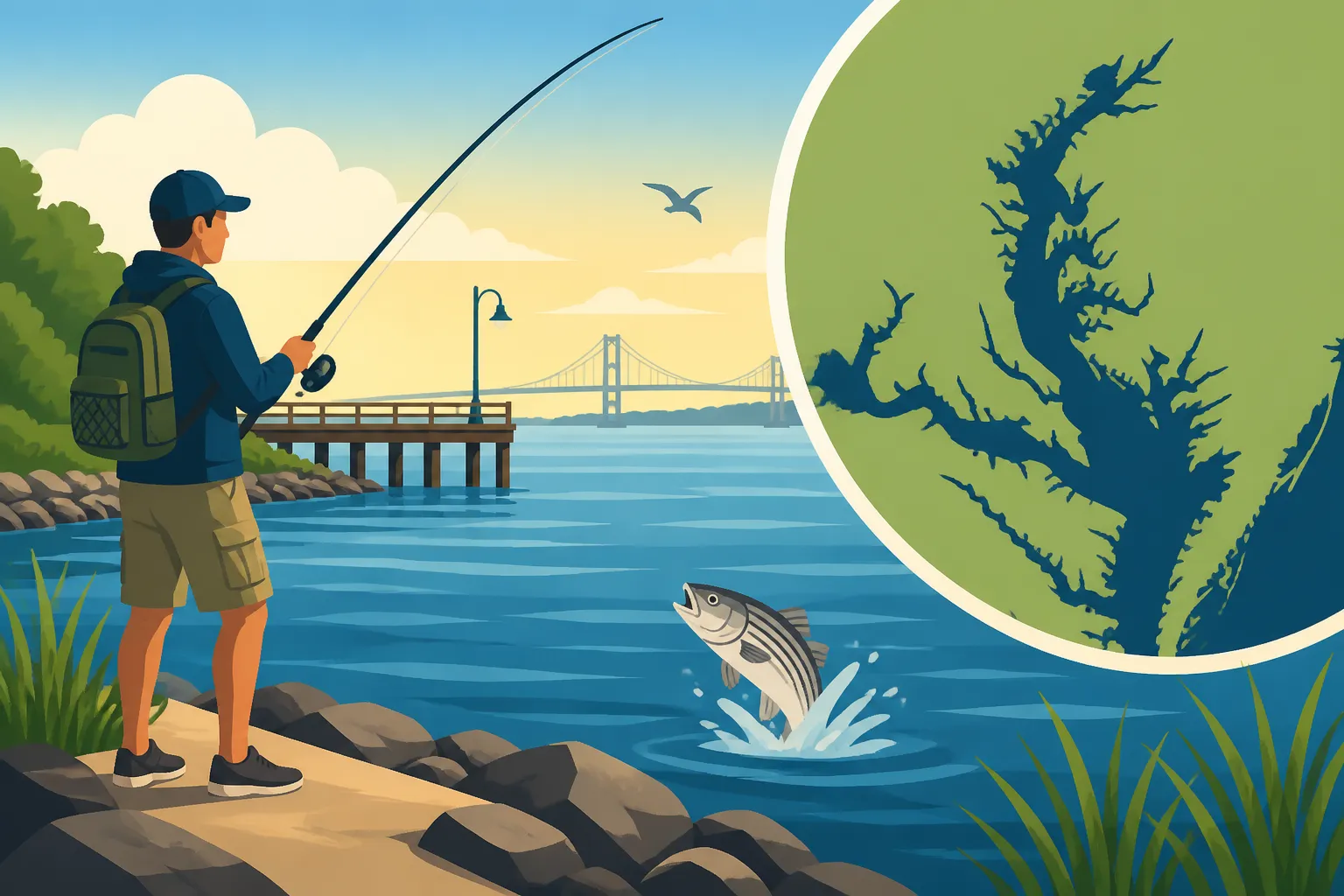
Piers and public docks are, for many boatless anglers, the absolute best friends they can have on the Chesapeake Bay. These structures extend out into the water, giving you access to depths and currents that you simply can't reach from a typical shoreline. Think of them as an extension of the land, stretching far enough to put you over channel edges, oyster beds, or other submerged structures where bigger fish tend to congregate. Many piers are also lighted at night, which can be a huge draw for baitfish, and subsequently, predatory species like striped bass and bluefish.
However, fishing from a pier isn't without its quirks. You'll often be sharing space with other anglers, so courtesy and awareness of your surroundings are key. Strong currents can sometimes make fishing challenging, requiring heavier sinkers to hold your bait in place. But the convenience of simply walking out to productive water, often with amenities like restrooms, bait shops, or even snack bars, makes them incredibly appealing. For example, a popular spot like the pier at Sandy Point State Park not only offers fantastic views of the Bay Bridge but also puts you over varied depths where you can target everything from striped bass and white perch to catfish and even flounder depending on the season. If you're looking for an accessible and often productive spot, Best Piers and Shore Fishing Spots in Maryland offers a great rundown of popular options.
Jetties, Bulkheads, and Breakwaters: Structure Fishing Goldmines
While not as common as piers, jetties, bulkheads, and breakwaters offer another fantastic opportunity for boatless anglers. These are typically rocky or concrete structures built to protect shorelines or inlets, but for fish, they're prime real estate. The irregular surfaces provide shelter for baitfish, crabs, and other invertebrates, creating a natural food source that attracts larger predators. Fishing around jetties means you're almost always fishing around some form of structure, which is a major advantage.
The fishing experience here can be quite different from a pier. Jetties can be rocky, uneven, and slippery, so good footwear and careful footing are essential. They might not offer the same amenities as a park pier, but they often provide a more solitary fishing experience for those who prefer less crowding. An example would be the jetties near the Ocean City Inlet, which, while technically leading out to the ocean, still offer rich inshore fishing opportunities for species that move between the back bays and the main stem of the Bay. Targeting the eddies and current breaks around these structures with jigs or live bait can be incredibly productive, especially for striped bass and tautog. Just always prioritize safety when navigating these rugged areas.
Beaches and Shorelines: Casting Into the Shallower Bay
Don't discount the humble beach or shoreline access point. While these often mean shallower water, they can be incredibly productive, especially during certain times of the year or for specific species. Wading into the shallows and casting parallel to the shore, or even out into slightly deeper channels, can yield surprising results. Many public beaches along the Chesapeake Bay, particularly on the Eastern Shore or in calmer areas, offer excellent opportunities for casting a line.
This type of fishing gives you a lot of space to spread out, perfect for practicing your casting technique without worrying about hitting another angler. It's also incredibly accessible for families or those who prefer a more relaxed approach. You might be targeting white perch or spot with bottom rigs, or even casting artificial lures for cruising striped bass during the spring and fall migrations. The key here is often mobility; being able to walk and scout different stretches of beach can help you find where the fish are holding. Understanding Best Time of Year to Fish in Maryland can give you a significant advantage when planning a beach fishing trip, as fish patterns often shift seasonally.
Top Spots for Boatless Anglers on the Chesapeake Bay
Maryland's Chesapeake Bay is vast, offering countless nooks and crannies to explore. When you're fishing without a boat, knowing where to go is half the battle. Certain locations stand out for their accessibility, fish populations, and angler-friendly features, making them perfect destinations for those relying on foot power.
Northern Bay Hotspots
The Northern Chesapeake Bay, particularly around the Susquehanna River Flats and the upper Bay tributaries, offers some fantastic shore fishing. One of the crown jewels for shore anglers is undoubtedly Sandy Point State Park near Annapolis. This park provides excellent access with a large, well-maintained pier that extends into the Bay. From this pier, anglers frequently catch striped bass, white perch, channel catfish, and sometimes even bluefish. It's a truly family-friendly spot with amenities, and it’s well-known for its consistent action. Check out our detailed guide on Fishing Sandy Point State Park Without a Boat for more in-depth information.
Further north, near Havre de Grace, you can find access points along the Susquehanna River. While the legendary Susquehanna Flats are best accessed by boat, the shoreline areas below the Conowingo Dam (with appropriate safety precautions and awareness of generation schedules) can be phenomenal for blue catfish and channel catfish. Just be mindful of the currents and regulations specific to that intense fishery. Other spots like North Point State Park in Baltimore County offer pier and shoreline access, though sometimes the fishing can be more hit-or-miss depending on the season and water conditions. These northern areas are particularly vibrant during the spring and fall runs when many species migrate through.
Central Bay Gems
Moving into the Central Bay, you’ll find a mix of piers, parks, and bridges that cater to the shore-bound angler. The Annapolis area, while famous for its boating, still offers excellent shore opportunities. Jonas Green Park, located right on the Severn River, provides shoreline access for wading and casting. It's a popular spot for white perch and smaller striped bass, especially during the spring spawn. For a true pier experience, the Matapeake Fishing Pier on Kent Island is a fantastic choice. This repurposed bridge pier extends a considerable distance into the Bay, offering deep water access and often very good fishing for striped bass, perch, and bottom feeders. The views of the Bay Bridge are spectacular, making it a pleasant outing even if the fish aren't biting constantly.
If you’re looking to fish around Annapolis, knowing Where to Fish From a Pier Near Annapolis can save you a lot of time in finding the best spots. These central Bay locations are often bustling, especially on weekends, but the fishing can be incredibly rewarding. Many of these parks also have facilities, making them comfortable for a day-long outing. When planning your trip, consider checking local bait shops in areas like Annapolis or Chester for the latest intel on what's biting.
Southern Bay and Tidal Rivers Access
As you head south, the Bay widens, and the fishing opportunities continue. Point Lookout State Park, located at the very tip of the Southern Maryland peninsula where the Potomac River meets the Chesapeake Bay, is an angler's paradise accessible without a boat. The park features a long fishing pier and extensive jetties that put you right into prime fishing grounds. Anglers here can expect to catch a wide variety of species, including striped bass, bluefish, croaker, spot, drum, and various catfish. The currents can be strong, and the fishing can be dynamic, but the sheer diversity and potential for larger fish make it a must-visit. For detailed info on this productive spot, refer to Fishing Point Lookout State Park's Jetty.
Beyond Point Lookout, many of the tidal rivers feeding into the Southern Bay, like the Patuxent and Nanticoke Rivers, have public parks and ramps that offer shoreline access. While not directly on the main Bay, these tributaries are teeming with Bay species that move in and out with the tides. Spots like Calvert Cliffs State Park, with its unique beach access, can offer opportunities for surf fishing (though often targeting smaller fish) and exploring the famed fossil cliffs. The fishing in these southern areas can be particularly good for migratory species as they enter and exit the Bay throughout the year.
| Fishing Spot | Type of Access | Primary Species | Key Features | License Required? |
|---|---|---|---|---|
| Sandy Point State Park | Pier, Shoreline | Striped Bass, Perch, Catfish | Large pier, sandy beach, facilities, good for families. | Yes |
| Point Lookout State Park | Jetty, Pier, Shoreline | Striped Bass, Bluefish, Drum, Croaker | Diverse access, strong currents, historic site. Often good for larger fish. | Yes |
| Matapeake Fishing Pier | Pier | Striped Bass, Perch, Catfish | Long pier on Kent Island, deep water, restrooms, Bay Bridge views. | Yes |
| Jonas Green Park | Shoreline | White Perch, Striped Bass | Scenic park, smaller fish, good for wading close to Annapolis. | Yes |
Essential Gear and Techniques for Shore-Based Bay Fishing
Fishing the Chesapeake Bay effectively from shore requires a thoughtful approach to your gear and a good understanding of fundamental techniques. You're not just throwing a line in; you're often trying to overcome distance, current, and limited mobility compared to a boat. But with the right setup and a bit of know-how, you can be just as successful as someone in a fancy center console.
Rods, Reels, and Terminal Tackle Essentials
When fishing from shore on the Chesapeake Bay, versatility is your friend. A medium-heavy to heavy action spinning rod, typically in the 7 to 9-foot range, is often ideal. This length provides the leverage needed for longer casts, which are crucial for reaching deeper channels or distant structure from a pier or beach. Pair this with a robust spinning reel, sized 4000 to 6000, capable of holding 200-300 yards of 20-30 lb braided line. Braid offers superior casting distance and sensitivity, allowing you to feel even the lightest bites. Just be sure to tie on a fluorocarbon leader (20-40 lb test, 2-3 feet long) for abrasion resistance and invisibility in the water.
Your terminal tackle will depend on your target species. For bottom fishing for white perch, spot, croaker, or catfish, a simple two-hook bottom rig (also known as a top-and-bottom rig) with a pyramid or cannonball sinker (1-4 oz, depending on current) is highly effective. For striped bass, a slip sinker rig (fish-finder rig) with a single circle hook (3/0 to 6/0) is excellent when using bait, allowing the fish to take the bait without feeling the weight of the sinker. For those who prefer artificials, a jig head (3/4 to 2 oz) paired with a soft plastic swimbait or a bucktail jig can be incredibly productive for striped bass and bluefish. Carrying a variety of sinkers, hooks, swivels, and leaders will ensure you're prepared for whatever the Bay throws at you.
Best Baits and Lures from the Bank
The right bait or lure can make all the difference, especially when you're trying to entice fish from a fixed position. For bottom fishing, live or fresh natural baits are usually king. Bloodworms are legendary for white perch, spot, and croaker, often producing bites when nothing else will. Freshly cut pieces of squid or clam are also excellent all-around baits for a variety of bottom dwellers, including catfish and drum. Peeler crab, though more expensive and harder to find, is a phenomenal bait for striped bass, especially when they're feeding on crustaceans. For blue catfish, fresh cut bait like gizzard shad or even chunks of white perch can be irresistible. Our guide on Best Bait for Striped Bass in the Chesapeake Bay provides an in-depth look at what rockfish prefer.
If you prefer to cast and retrieve, artificial lures can be incredibly effective. Soft plastic paddle tail swimbaits, often in white, chartreuse, or pearl colors, rigged on jig heads, are a go-to for striped bass and bluefish. Cast them out, let them sink, and retrieve with a steady motion or a jigging retrieve. Metal spoons, such as Hopkins Shorty or Kastmaster lures, can also imitate baitfish and are excellent for long casts and catching aggressive predators. Bucktail jigs, often tipped with a soft plastic or a strip of Gulp! artificial bait, are another versatile option for striped bass, flounder, and even white perch. Understanding how to work these lures effectively, varying your retrieve speed and depth, will significantly improve your success. For more on this, consider exploring Maryland Striped Bass Fishing Techniques.
Understanding Tides and Seasons for Optimal Success
Successfully fishing the Chesapeake Bay, especially from shore, hinges heavily on understanding the influence of tides and seasons. The Bay is a tidal estuary, and fish behavior is intrinsically linked to the movement of water. Generally, the incoming and outgoing tides, especially the periods around slack tide (the brief pause between tides), are the most productive. These moving currents dislodge bait, create feeding lanes, and concentrate fish around structure. For detailed insights, our guide on How Tides Affect Fishing in Maryland's Chesapeake Bay is a must-read.
Seasonal patterns also dictate what species you'll encounter and where. Spring brings the famed striped bass spawn, followed by the appearance of white perch and herring runs in the tributaries. Summer sees a wider variety of species, including croaker, spot, and bluefish, moving into the shallower, warmer waters, while fall triggers another strong run of striped bass as they feed aggressively before winter. Winter fishing from shore is tougher but can still yield results for species like yellow perch and hardy striped bass in deeper, protected areas. Being aware of these cycles, and perhaps even checking a local tide chart before you head out, can dramatically increase your chances of a memorable day on the water. For more information on fishing throughout the year, refer to Best Time of Year to Fish in Maryland.
Navigating Regulations and Maximizing Your Experience
Fishing in Maryland's Chesapeake Bay is a privilege, and with that comes the responsibility of adhering to regulations. These rules are in place to ensure the health of our fisheries for generations to come. While it might feel like a maze sometimes, understanding the basics of licenses, catch limits, and safety can help you have a worry-free and productive trip.
Licenses and Regulations: Stay Legal
First and foremost, nearly all adult anglers fishing the tidal waters of the Chesapeake Bay require a Maryland fishing license. This applies whether you're casting from a pier, a jetty, or a shoreline. There are different types of licenses available, including annual resident and non-resident options, and even shorter-term licenses for visitors. Before you even pack your rod, make sure you're legally covered. Our comprehensive guide, Maryland Fishing License Guide for 2026, breaks down everything you need to know.
It's crucial to understand that even if you're not on a boat, the same catch limits, size restrictions, and seasons apply to you. Species like striped bass, white perch, bluefish, and flounder all have specific rules regarding how many you can keep, how big they must be, and when you can fish for them. These regulations can change annually, sometimes even mid-season, so always consult the latest Maryland Department of Natural Resources (DNR) Fishing and Boating Guide. While a charter captain's license covers all their passengers, as a shore angler, you're responsible for your own. Curious if your specific spot requires a license? We cover that in Do You Need a License to Fish From a Maryland Pier?. The rules for the main Bay (tidal waters) often differ from those for inland (nontidal) freshwater areas, so understanding Maryland Chesapeake Bay Sport Fishing License Explained is very important.
Safety First: Tips for Fishing Without a Boat
Just because you're on solid ground doesn't mean safety should take a backseat. The Chesapeake Bay can be unpredictable, and being prepared is always wise. If you plan to wade, always use appropriate footwear with good grip to prevent slips on oyster shells or slick rocks. Wading into unfamiliar waters can be dangerous due to sudden drop-offs or strong currents, so always proceed with caution and consider a wading staff for stability. Wearing a personal flotation device (PFD) while wading isn't just for kayakers—it can be a life-saver if you slip or stumble into deeper water.
Weather can change rapidly on the Bay, so always check the forecast before you go and be prepared for sun, rain, or sudden gusts of wind. Carry plenty of water, especially in summer, and protect yourself from the sun with hats, sunglasses, and sunscreen. If you're fishing a pier or jetty at night, bring a reliable light source and inform someone of your plans. Fishing alone can be peaceful, but it's always safer to let someone know your location and expected return time.
Expanding Your Horizons (Even Without Your Own Boat)
While this guide focuses heavily on fishing the Bay without your own boat, it's worth remembering that your options aren't strictly limited to land-based angling forever. Even without owning a vessel, you can still experience the open water. For example, many state parks and local outfitters offer kayak rentals, providing a unique and low-cost way to access shallow, nearshore areas that might be out of reach from a pier or beach. A kayak can open up new opportunities for targeting species in marshy areas or quiet coves.
Alternatively, if you ever yearn for the thrill of deep-water fishing or targeting species that are simply inaccessible from shore, booking a charter boat is always an option. Websites like FishingBooker make it incredibly easy to find and reserve trips with experienced captains all over Maryland. These captains provide all the necessary gear and expertise, and you often don't need your own license as their vessel is covered. Even without your own boat, you can still immerse yourself in the Bay's fishing culture and access its full potential. Perhaps you're curious about specific areas best accessed by boat; you can even research popular charter departure points on platforms like FishingBooker to identify bustling fishing towns that likely offer excellent shore opportunities nearby. Whether you're looking for the best spots to cast a line from a pier or considering a future charter trip, resources like FishingBooker can help you explore the possibilities.
Disclaimer
Fishing involves inherent risks, and conditions on the water can change rapidly. Always exercise caution, adhere to all local, state, and federal regulations, and prioritize your safety. The information provided in this guide is for informational purposes only and should not be considered a substitute for official regulations or professional advice. Always check the latest Maryland Department of Natural Resources (DNR) guidelines before heading out.