Fishing Ocean City’s Inlet and Jetties
There's nothing quite like the allure of Ocean City, Maryland, for an angler. But if you've ever tried fishing the bustling Inlet or those legendary jetties, you know it can feel less like a relaxing pastime and more like a high-stakes puzzle. The currents are ripping, the crowds can be thick, and figuring out where the fish are hiding amidst all that structure can be incredibly frustrating. This guide is here to unravel that mystery, offering deep insights into navigating the unique challenges and incredible rewards of fishing Ocean City's Inlet and Jetties, so you can land more fish and make the most of your trip.
Understanding Ocean City's Inlet and Jetties
The Ocean City Inlet is more than just a gateway from the vast Atlantic Ocean to the calmer waters of the Isle of Wight Bay; it's a dynamic, ever-changing ecosystem that serves as a superhighway for countless fish species. It's a place where the powerful ocean swells meet the outgoing bay tides, creating a swirling cauldron of current, bait, and hungry predators. For anglers, this convergence means opportunity, but it also demands respect for the forces at play.
The Dynamic Environment of the Inlet
Think of the Inlet as a colossal natural funnel, concentrating baitfish and the larger gamefish that feed on them into a relatively small area. The water here is deep, especially in the main channel, and the currents are notoriously strong. When the tide is really moving, whether it's pouring into the bay or rushing out to sea, the water can become a torrent, making it challenging to present baits effectively. This constant flow, however, also brings in a fresh supply of food and oxygen, creating an incredibly rich feeding ground. The bottom contours are complex, featuring rocky outcroppings, shell beds, and sudden depth changes, all of which provide crucial ambush points and shelter for fish. It’s a place where you'll often see schools of baitfish, like peanut bunker or silversides, getting absolutely ambushed by predators, especially during prime feeding times.
The constant push and pull of the tides carve out deep holes and channels, and these depth variations are critical for fish. During a strong outgoing tide, for instance, baitfish might get flushed out of the bay and into the ocean, creating a buffet line for striped bass and bluefish waiting just inside the Inlet. Conversely, an incoming tide can bring in ocean species, pushing them right into the jetty lines or into the deeper parts of the channel. Understanding these flows, almost like reading a river, is paramount to success here.
Key Structures: North and South Jetties
Flanking the entrance to the Inlet are two impressive rock structures: the North Jetty and the South Jetty. These man-made formations are essentially extended underwater reefs, providing an enormous amount of habitat and current breaks for fish. They are the heart and soul of Inlet fishing for many land-based anglers and offer distinct characteristics.
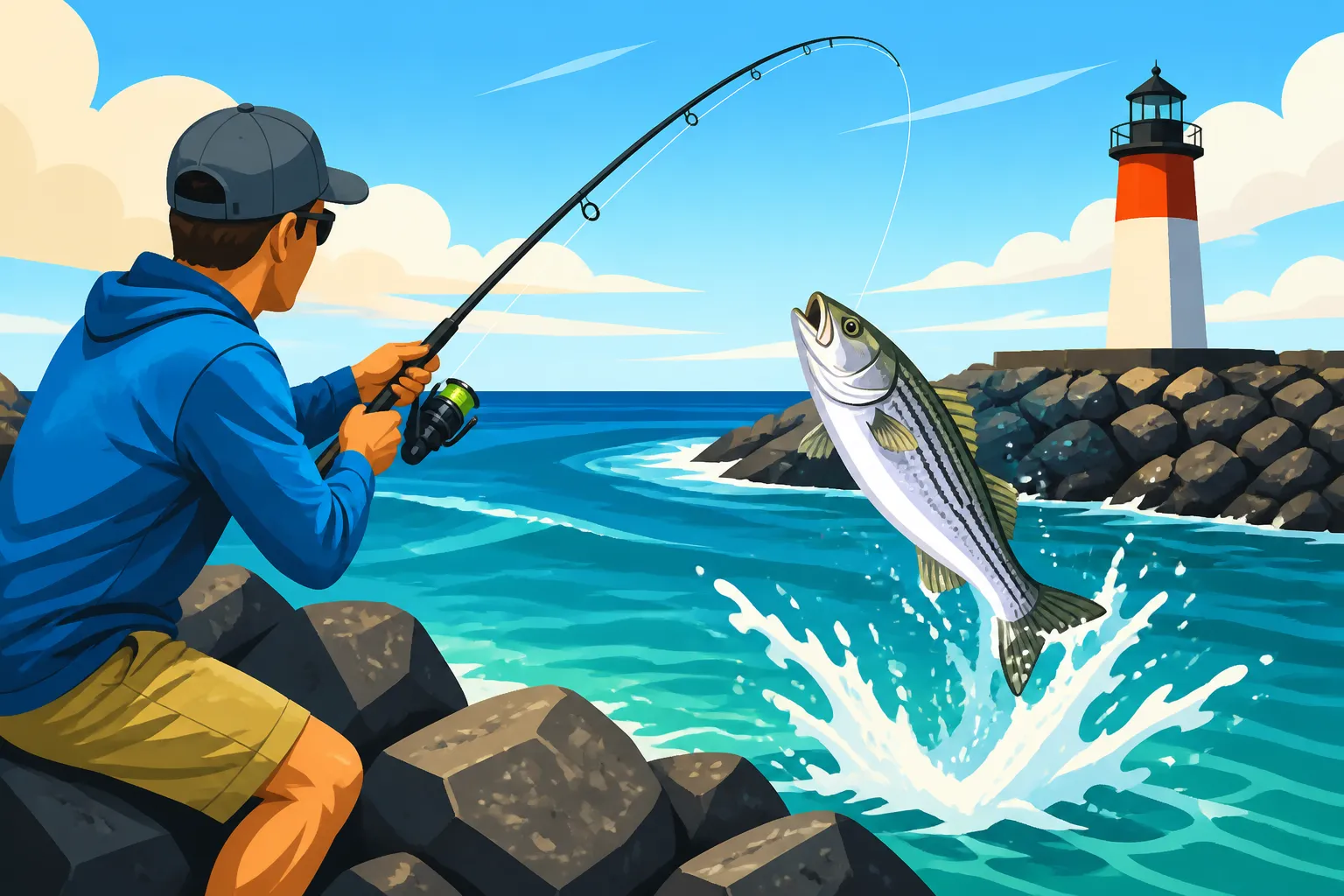
The North Jetty, often referred to as the "Ocean City Jetty," is the more popular and accessible of the two from the Ocean City boardwalk side. It's a long, formidable wall of granite boulders stretching out into the Atlantic. Anglers here can cast into the Inlet channel, into the turbulent surf zone on the ocean side, or along the calmer waters on the bay side of the jetty. The rocks are rugged, unforgiving, and often slippery with algae, demanding careful footing and appropriate gear. The cracks and crevices between the rocks hold crabs, mussels, and other small invertebrates, drawing in species like tautog. The deeper water at the very tip of the North Jetty can be incredibly productive, especially for striped bass and flounder, but it's also where the currents are strongest.
The South Jetty, accessible from Assateague Island, offers a different experience. It's generally less crowded due to its more remote location and requires a short drive onto Assateague National Seashore, potentially incurring a park entrance fee. While similar in structure to its northern counterpart, the South Jetty's orientation and exposure to the currents can sometimes make it fish differently. Both jetties create distinct current seams and eddies where fish can rest out of the main flow, conserving energy while waiting for prey to drift by. Knowing how to present your bait or lure into these seams, allowing it to tumble naturally with the current, is a tactic that can pay huge dividends. It's important to always be mindful of where you're casting and where your line is drifting, especially in busy areas, to avoid tangles with other anglers.
Prime Species to Target and When to Find Them
The Ocean City Inlet and Jetties are a true melting pot for a variety of popular game fish, offering something for every angler throughout the year. From hard-fighting striped bass to delicious flounder and feisty bluefish, knowing what to target and when to target them is key to a successful outing.
Year-Round Resident and Migratory Favorites
You'll find a consistent cast of characters holding in and around the Inlet, with some species being more transient visitors. Striped Bass, affectionately known as rockfish in Maryland, are arguably the most sought-after species here. While their populations fluctuate, they are often present year-round, with larger migratory fish passing through during spring and fall. These strong fighters will ambush baitfish in the currents, around the jetty rocks, and in the deeper channels. You might encounter schoolie-sized striped bass regularly, and then suddenly, a much larger trophy fish will grab your offering. For more details on catching these elusive fish, you might want to check out our guide on Maryland Striped Bass Fishing Techniques.
Bluefish are another Inlet staple, known for their aggressive strikes and sharp teeth. They show up when the water warms, typically from late spring through fall, often in large schools, creating thrilling surface blitzes as they chase bait. They're not picky eaters and will readily hit artificial lures and cut bait. Tautog, or "tog," are resident bottom dwellers that love structure. They can be caught year-round around the jetty rocks, but fishing for them really heats up in the cooler months, especially spring and fall. They're notoriously difficult to hook, requiring a keen sense of touch and quick reflexes. Other popular bottom feeders include Flounder, particularly during their migrations in spring and fall, and summer staples like Spot and Croaker. These smaller, panfish-like species are perfect for family fishing trips and offer consistent action. Occasionally, you'll also encounter Black Sea Bass around the deeper structure, especially during summer.
Seasonal Rundown for Best Fishing Opportunities
Understanding the seasonality of the Inlet's fish species is critical for planning your trip and maximizing your chances of success. The Inlet acts as a migration corridor, so timing is everything.
Spring (April – May): This is a prime time in the Inlet. As the water warms, migratory striped bass begin their journey up the coast and into the bay, often pausing to feed heavily in the Inlet. Flounder also become very active as they move from offshore wintering grounds into the bay. Tautog fishing is excellent, especially around the jetty rocks, as they begin to feed aggressively after the cold winter. You'll find anglers targeting them with green crabs or fiddler crabs. This period can offer some of the most diverse fishing, as multiple species are on the move and hungry. For a broader look at the best times to fish across the state, consider our Best Time of Year to Fish in Maryland article.
Summer (June – August): While the crowds on the beach peak, fishing in the Inlet remains strong, though target species shift. Flounder fishing continues to be a highlight, with many anglers drifting live minnows or Gulp! Swimming Mullets through the channel. Bluefish are abundant and aggressive, providing fast action with topwater lures or metal jigs. Spot and croaker move in, offering consistent bottom fishing fun for all ages. Black Sea Bass can also be found on deeper wrecks and reefs just outside the Inlet, but some will hold on the deeper jetty structure. This is also when the dreaded "rockfish closure" might occur, but don't fret, there are still plenty of other species to target. Check the latest Maryland Striped Bass Season and Rockfish Rules before you head out.
Fall (September – November): This is arguably the most exciting time to fish the Ocean City Inlet. As water temperatures begin to drop, the "fall run" of striped bass kicks into high gear. Large migratory rockfish, often in the 30-pound class or larger, will stage in and around the Inlet, gorging themselves on baitfish before continuing their journey south. Bluefish are still plentiful and often at their largest size of the year. Flounder make their offshore migration, offering another excellent opportunity for impressive catches. Tautog fishing also sees a resurgence, making fall a truly diverse and action-packed season.
Winter (December – March): Fishing slows significantly in the coldest months. Most migratory species have moved south or offshore. However, dedicated anglers can still find tautog around the deeper jetty rocks, often requiring specialized techniques and a lot of patience. A few hardy striped bass might also hold over in the deeper parts of the Inlet, but consistent action is rare. This is definitely the "off-season" but can offer solitude for those brave enough to face the cold.
| Species | Peak Season | Preferred Bait/Lure | Typical Location in Inlet/Jetties |
|---|---|---|---|
| Striped Bass | Spring, Fall | Live spot/eels, bucktails, soft plastics, plugs | Deep channel, jetty tips, current seams |
| Bluefish | Summer, Fall | Metal jigs, topwater lures, cut bait (bunker) | Surface, current rips, entire Inlet |
| Tautog | Spring, Fall, Winter | Green crabs, fiddler crabs, sand fleas | Jetty rocks (crevices, drop-offs) |
| Flounder | Spring, Summer, Fall | Live minnows, Gulp! Swimming Mullet, squid strips | Sandy bottom, channel edges, eddies |
| Spot & Croaker | Summer | Bloodworms, squid, Fishbites | Shallower sandy bottom, bay side of Inlet |
| Black Sea Bass | Summer | Squid, clam, small jigs | Deeper jetty structure, nearby wrecks/reefs (ocean side) |
Essential Gear and Tackle for Inlet Success
Fishing the Ocean City Inlet and Jetties isn't like casting a worm into a calm pond. The strong currents, abundant structure, and often larger, harder-fighting fish demand specific gear. Skimping on tackle here will lead to frustration, lost fish, and a lot of snagged rigs. You need to come prepared for a battle.
Rods, Reels, and Line for the Rigors of the Inlet
When it comes to rods and reels for the Inlet, think tough and versatile. You'll want a setup that can handle heavy weights, strong currents, and powerful fish, but still offer enough sensitivity to feel a subtle bite.
For jetty fishing from shore, a medium-heavy to heavy spinning rod, typically 7 to 9 feet in length, is ideal. This length gives you the casting distance needed to reach distant current seams or deeper holes and provides leverage for fighting fish around the rocks. Pair this with a robust spinning reel in the 5000 to 8000 series size, capable of holding a good amount of heavy line and boasting a smooth, reliable drag system. Brands like Penn, Shimano, or Daiwa offer excellent options that can withstand the saltwater environment. If you prefer conventional gear, a conventional rod of similar length with a matching level-wind reel (like a Penn Squall or Shimano Tekota) is also a fantastic choice, especially for deploying heavy bottom rigs.
For boat fishing in the Inlet, shorter, more powerful rods might be preferred, typically 6 to 7.5 feet. These give you better control when jigging directly beneath the boat or fighting fish in tight quarters. Both spinning and conventional setups work well from a boat, depending on your preferred technique.
Line selection is paramount. Braided line is almost a necessity in the Inlet due to its incredible strength-to-diameter ratio and lack of stretch. This means you can use a thinner, stronger line, which cuts through the current better and offers superior sensitivity for feeling bites and bottom structure. A main line of 30 to 50 lb braided line is common, connected to a fluorocarbon leader (30 to 60 lb test, 3-5 feet long) with a strong knot like an FG knot or an Albright knot. The fluorocarbon leader is crucial for abrasion resistance against the sharp jetty rocks and for its invisibility underwater. Always check your leader frequently for nicks and abrasions, as a worn leader is a guaranteed way to lose a fish.
Baits, Lures, and Rigs That Get Bites
The variety of species in the Inlet means you'll need a diverse tackle box. Being prepared with a range of options can make all the difference, especially when fish are being picky.
Live Bait: This is often the undisputed king, especially for finicky striped bass and flounder. Live spot, peanut bunker, or eels are absolute dynamite for striped bass. These baits, fished on a fish-finder rig or a simple circle hook, are often irresistible. For flounder, live minnows (often called "killifish") or small peanut bunker are hard to beat, typically fished on a traditional flounder rig with a spinner blade. Small green crabs or fiddler crabs are the go-to for tautog, threaded onto a small but strong J-hook. You can often catch your own spot or minnows in the shallower bay waters or purchase them from local bait shops.
Cut Bait: For bluefish, spot, croaker, and even some striped bass, fresh cut bait works wonders. Bunker (menhaden) chunks are fantastic for bluefish, as are strips of squid for flounder and other bottom dwellers. Bloodworms, though sometimes costly, are highly effective for spot and croaker and can also entice smaller striped bass and white perch.
Artificial Lures: Don't underestimate the power of artificials.
- Bucktail Jigs: These are Ocean City Inlet staples, especially for striped bass and flounder. White, chartreuse, and pink are popular colors, often tipped with a piece of Gulp! or a soft plastic trailer. Sizes can range from 1/2 oz for shallower work to 3 oz or more for deeper, stronger currents. Learning how to properly jig a bucktail, making it dance near the bottom or along current seams, is a skill that pays off.
- Soft Plastics: Paddle tails, swim shads, and curly tail grubs rigged on jig heads are incredibly effective for striped bass, bluefish, and flounder. Brands like Z-Man and Gulp! offer durable and scented options that can significantly increase your strike rate.
- Plugs and Topwater Lures: When bluefish and striped bass are actively feeding on the surface, casting a popper or a walk-the-dog style lure can result in explosive strikes. Subsurface swimming plugs also work well for striped bass, especially around the jetty tips at dawn or dusk.
- Metal Jigs: Heavy metal jigs (like diamond jigs or Kastmasters) can be cast far and sink quickly, making them excellent for reaching deep-holding fish or for targeting fast-moving schools of bluefish.
Rigs:
- Flounder Rigs: Typically a two-hook setup with a sinker at the bottom, often adorned with beads or spinner blades to attract attention.
- Hi-Lo Rigs: Similar to flounder rigs but often with heavier components, good for bottom fishing for a variety of species like spot, croaker, and smaller bluefish.
- Fish-Finder Rigs: A sliding sinker above a swivel, then a leader to a single hook. This rig allows the fish to pick up the bait and swim away without feeling the weight of the sinker, ideal for larger fish like striped bass and red drum.
- Jigging Setups: Simply a jig head with a soft plastic or a bucktail jig, presented vertically or cast and retrieved.
Don't forget to bring plenty of heavy sinkers (2-6 oz is common, sometimes heavier) because the strong currents will carry lighter weights away, and snags are inevitable around the rocks. Swivels, snaps, and extra hooks are also crucial.
Mastering Techniques for the Jetties and Inlet
Fishing the Ocean City Inlet is about more than just having the right gear; it’s about understanding the environment and employing techniques that put your bait or lure where the fish are, in a way they want to eat it. It’s a dynamic, ever-changing puzzle that rewards observation and adaptability.
Strategic Casting and Retrieval from the Jetties
When you're perched on the jetties, your casting strategy is paramount. Simply hucking your line as far as you can might not be the most effective approach. Instead, focus on where the fish are likely to be staging: along current seams, in eddies behind larger rocks, or in the deeper pockets created by the constant flow.
Many experienced jetty anglers will cast parallel to the jetty rocks, letting their lure or bait drift naturally with the current close to the structure. Fish, especially tautog and striped bass, often hide in the crevices and ambush prey moving along the rocks. For striped bass and bluefish, casting into the current and allowing your lure to swing downstream, or "swinging a jig," can be incredibly effective. As the lure or bait sweeps through the feeding zone, it presents a natural target. You'll need to use heavier jigs or sinkers to get down in the strong current, but the sensitivity of braided line will help you feel when you hit bottom or get a bite.
Retrieval speed is another critical factor. Sometimes a slow, methodical retrieve with a soft plastic or bucktail, just bumping the bottom, will entice a strike. Other times, a fast, erratic retrieve, mimicking a fleeing baitfish, is what turns on aggressive bluefish or striped bass. Pay attention to what other successful anglers are doing, and don't be afraid to experiment with different speeds and depths until you find what works on a given day. And a crucial tip for jetty anglers: wear appropriate footwear with good grip – those rocks are notorious for being slippery!
Fishing the Inlet Channel and Eddies
Whether you're fishing from a boat or targeting the main channel from the jetty tips, understanding the flow and depth changes is key.
Boat fishing in the Inlet often involves a combination of drifting and anchoring. Drifting with the tide, especially with live bait or flounder rigs, allows you to cover a lot of ground and present your offering to a wider range of fish. Your boat electronics, particularly a good fish finder, become invaluable here for identifying sudden depth changes, underwater structure, and schools of baitfish or gamefish. When drifting, constantly adjust your line length to keep your bait near the bottom without constantly snagging. If you find a particularly productive spot, like a deep hole or a strong current eddy that's holding fish, anchoring can allow you to focus your efforts. Use a heavy anchor and plenty of chain and rode, as the current can make anchoring challenging and dangerous if not done correctly.
Understanding current breaks and eddies is paramount. Fish are lazy by nature, and they'll often sit just out of the main current, waiting for food to be swept past them. These "slack water" areas, often found behind the jetty tips, around bridge pilings (though fishing near the bridge itself can be dangerous due to traffic), or along the edges of the main channel, are prime ambush points. Presenting your bait or lure so it drifts from the fast water into these slower zones can trigger a strike. It takes practice to identify these subtle water movements, but once you learn to "read the water," your success rate will soar.
Tidal Considerations and Current Understanding
I can't stress this enough: in the Ocean City Inlet, the tide is everything. It dictates when and where fish will feed, how strong the currents will be, and ultimately, your chances of success. Ignoring the tide charts is like trying to navigate a maze blindfolded.
The incoming tide brings in cooler, saltier ocean water and often carries baitfish and crustaceans into the Inlet and Bay. This can be fantastic for species that follow bait, like striped bass and bluefish. The last hour or two of the incoming tide, and the first hour of the outgoing, are often considered prime feeding windows as the water movement starts to accelerate or slow down.
Conversely, the outgoing tide flushes water (and often baitfish) out of the Bay and back into the ocean. This can be excellent for species staging at the mouth of the Inlet to ambush exiting prey.
Slack tide, the brief period of minimal current between the incoming and outgoing tides, can be a mixed bag. For some species, like tautog, it might offer a brief window where they're more willing to venture out from cover, as the current isn't pinning them down. For other species, like striped bass, the lack of current might mean a lull in feeding activity. However, even during slack tide, deep pockets and structure can still hold fish.
It’s crucial to consult a local tide chart for Ocean City Inlet. These charts predict the times of high and low tide, as well as the strength of the current. Learning to correlate these predictions with actual fishing success over time will be your most valuable lesson. For general understanding of how tides impact fishing, our article on How Tides Affect Fishing in Maryland's Chesapeake Bay provides an excellent foundation.
Safety, Regulations, and Local Knowledge
Fishing in a dynamic environment like the Ocean City Inlet comes with its own set of responsibilities, both for your safety and for the health of the fishery. Being prepared and informed ensures a more enjoyable and successful experience for everyone.
Navigating the Jetties Safely
The jetties are an incredible fishing platform, but they demand respect. These massive rock structures are often slippery, uneven, and can be exposed to powerful waves, especially on the ocean side.
Footwear is non-negotiable: Wear sturdy, closed-toe shoes with excellent grip, like old sneakers with good tread, wading boots, or even specialized felt-soled fishing boots. Flip-flops or smooth-soled shoes are an accident waiting to happen.
Watch the waves: Rogue waves can appear out of nowhere, especially during strong winds or offshore swells, and can easily knock you off your feet or even sweep you into the water. Never turn your back on the ocean.
Fish with a buddy: It's always a good idea to have someone with you, especially if you're venturing out onto the jetties at dawn, dusk, or in less-than-ideal weather.
Be mindful of your footing: Test rocks before putting your full weight on them. Algae and seaweed can make surfaces incredibly slick.
Pack light but smart: Carry only what you need, securely fastened. A small backpack or shoulder bag is better than loose items that can blow away or get dropped.
If boating: Always wear a life jacket, especially if you're navigating the strong currents of the Inlet. Even experienced boaters can get into trouble quickly here.
Key Maryland Regulations to Follow
Fishing in Maryland, whether it’s in the ocean, bay, or freshwater, requires adherence to specific regulations designed to protect fish populations. The Ocean City Inlet falls under Maryland's tidal fishing regulations.
Fishing License: A valid Maryland Bay & Coastal Sport Fishing License is required for anyone 16 years of age or older fishing in the Inlet. If you plan to also fish in freshwater, you might need an additional license, or consider a Consolidated Bay & Freshwater license. It's easy to get confused by the different licenses, so make sure you understand the rules. Our comprehensive Maryland Fishing License Guide for 2026 is an excellent resource, and you can also learn about the differences in Maryland Nontidal vs Tidal Fishing License, Explained. Always carry your license with you when fishing.
Size and Catch Limits: These are dynamic and can change annually based on stock assessments. It is absolutely critical to know the current size and creel (possession) limits for every species you target. For instance, striped bass (rockfish) often have specific slot limits or minimum sizes, like the often-talked-about Maryland Rockfish Slot Limit Explained. Flounder also have specific size requirements, which can change mid-season, so always double-check the latest Maryland Flounder Size Limit. The Maryland Department of Natural Resources (DNR) website is your best friend for the most up-to-date information, or you can pick up a physical copy of the annual fishing guide. We also provide a detailed overview of Maryland Fishing Size and Catch Limits by Species. Violations can result in hefty fines, so ignorance is not an excuse.
Specific Inlet Rules: While the general tidal regulations apply, there might be specific rules unique to the Inlet, such as restrictions on certain types of gear or areas closed to fishing at certain times. Always consult the official Maryland DNR regulations or speak with a local tackle shop. Do you need a license to fish from a Maryland pier? The answer for the jetties is yes, as they are not designated "free fishing piers" like some other locations.
Leveraging Local Charters and Resources
Even with all the preparation, local knowledge is an invaluable asset. Ocean City has a thriving fishing community, and tapping into it can significantly boost your success.
Local Tackle Shops: These are goldmines of information. Stop by shops like Bahia Marina or Oyster Bay Tackle. The staff at these establishments live and breathe fishing, and they'll know what's biting, what baits are working, and what the current conditions are. They often receive daily reports from anglers and charter captains, giving you the freshest intelligence. Don't be shy about asking questions – just be sure to also support them by buying your bait and tackle there.
Fishing Charters and Guides: If you're new to the area, don't have a boat, or simply want to maximize your chances of success, consider booking a trip with a local fishing charter or guide. These captains spend hundreds of days a year on the water and know the Inlet like the back of their hand. They'll have all the gear, bait, and expertise to put you on fish, and many welcome anglers of all skill levels. You can often find and book reputable charters through platforms like FishingBooker, which provides access to a wide range of Ocean City captains. A charter is an excellent way to learn the ropes of Inlet fishing, understand the nuances of the tides, and discover productive spots safely. Remember to ask if a Maryland fishing license is needed when on a charter, as often the charter's license covers all passengers. Our guide on Maryland Charter Boat License Coverage for Passengers offers more details.
Online Resources and Forums: Maryland fishing forums and social media groups are also great places to gather current information, see what people are catching, and ask questions. Just remember to take some of the reports with a grain of salt, as specific locations are often kept secret.
The Ocean City Inlet and Jetties present a fantastic, albeit sometimes challenging, fishing opportunity. With the right preparation, knowledge, and respect for the environment, you can enjoy some truly memorable days on the water and land some impressive catches.
Disclaimer
Please note that fishing regulations, including size limits, catch limits, and seasons, are subject to change by the Maryland Department of Natural Resources (DNR). While this guide provides general information, it is the angler's responsibility to consult the most current official Maryland DNR regulations before fishing. Always prioritize safety on the water and when navigating the jetties.